contact@haitiwonderland.com+509 36184317

Discover

Shopping Cart

Christmas Feasts in Haiti: Traditional Dishes and Local Flavors

Christmas Feasts in Haiti: Traditional Dishes and Local Flavors

Christmas in Haïti is a holiday rich in flavors, where meals occupy a central place in the celebrations. More than just a moment of culinary sharing, the Christmas feast in Haïti is a true immersion in the culture and traditions of the country. This article explores the must-have dishes and unique flavors that make Christmas a memorable experience for Haitians and their guests.

Haïti
Haïti
Haïti

Haitian Cuisine: A Blend of Flavors and Traditions

Haitian cuisine is distinguished by its richness and originality, combining African, French, and Creole influences. During the Christmas holidays, this culinary diversity is fully expressed through dishes prepared with care and passion. Each family makes a point of honor to cook traditional recipes, often passed down from generation to generation, to delight their loved ones.

Christmas meals in Haïti are not limited to a simple dinner. They are a time of conviviality, where we savor a variety of dishes, while sharing memories and laughter around the table.

Haïti
Haïti
Haïti

The Essentials of Haitian Christmas Tables

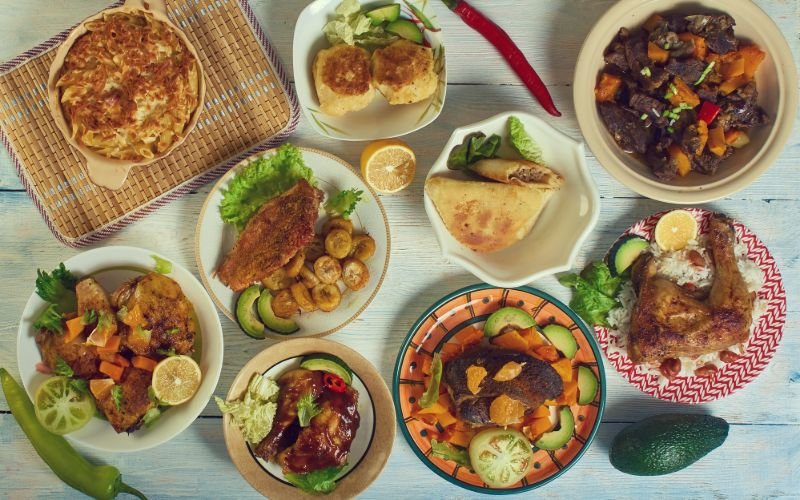
The Christmas feast in Haïti is a true explosion of flavors, with dishes that reflect the authenticity of the local gastronomy. Here are some must-haves:

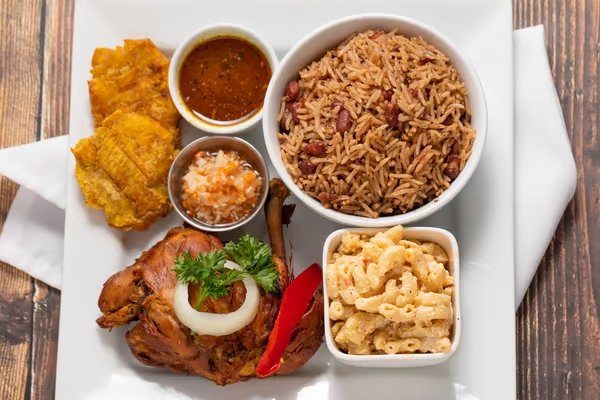
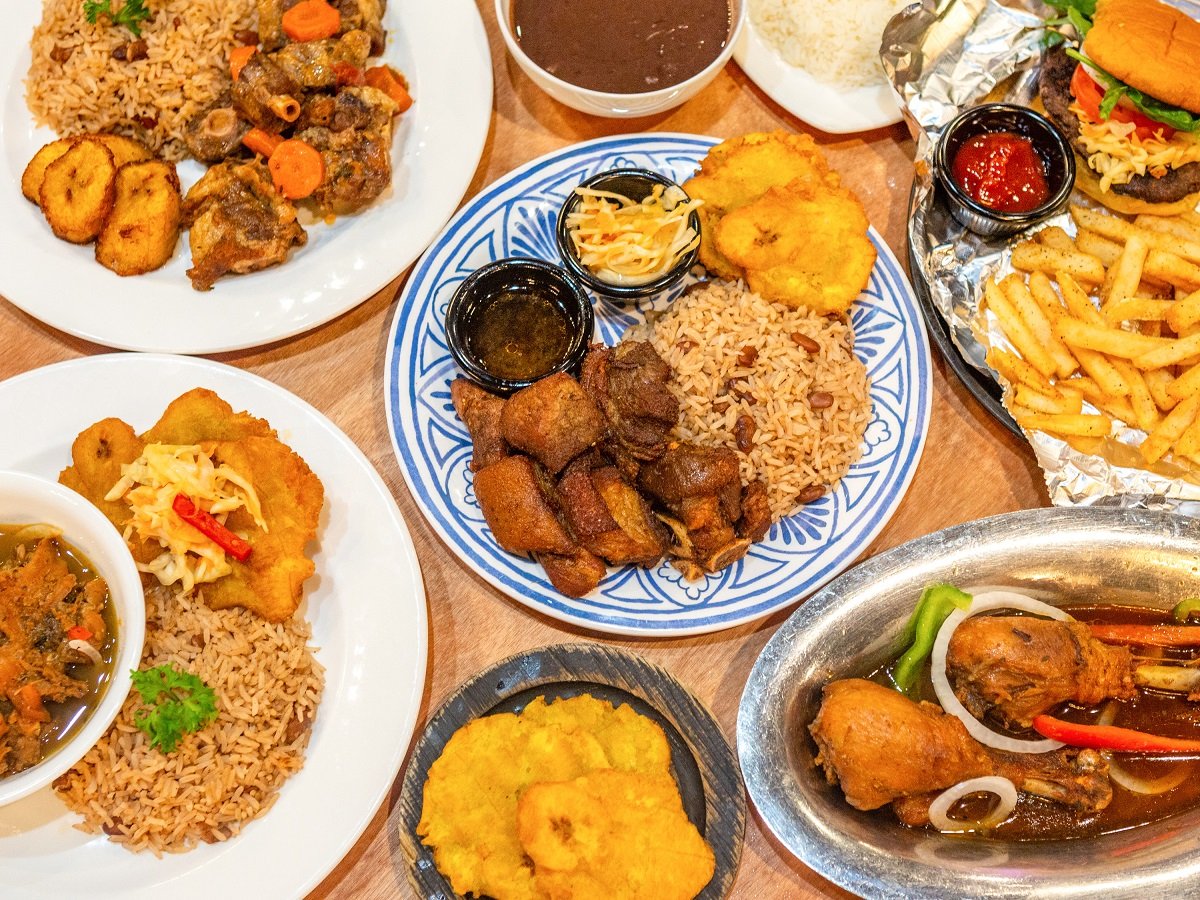
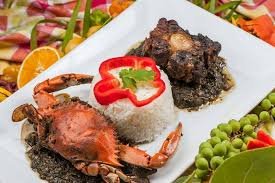
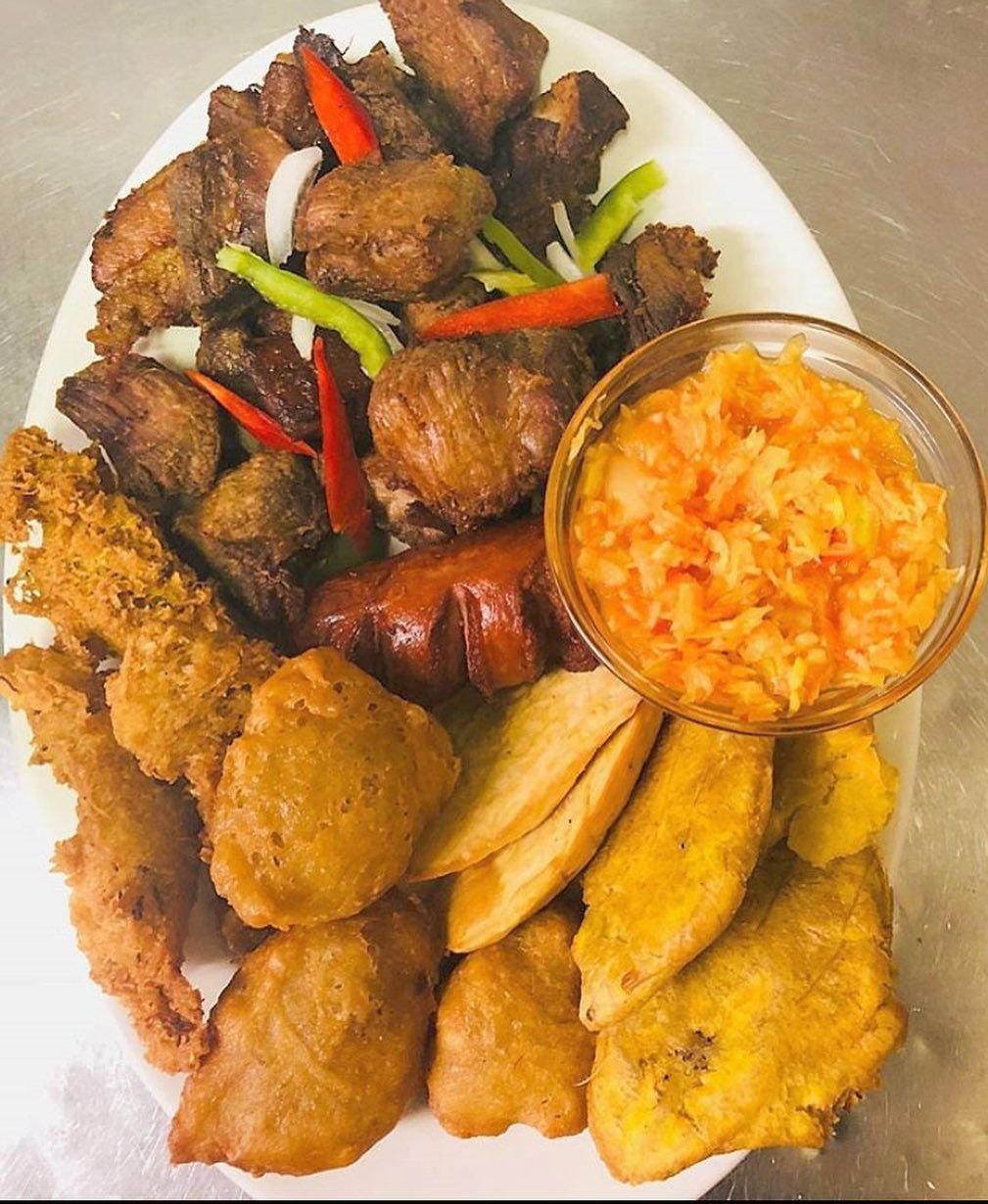
- Griot: This iconic dish, composed of marinated and fried pieces of pork, is a must-have for the holidays. Accompanied by bananas pesées (fried plantains) and pikliz (marinated cabbage and carrots with chili peppers), the griot is a true explosion of flavors.
- Diri djon djon: This black rice, cooked with local mushrooms, is often served as an accompaniment. Its unique flavor and elegant appearance make it a favorite choice for festive meals. - Christmas Ham: Carefully prepared, the ham is marinated in local spices and roasted to perfection. Sometimes glazed with a sweet and sour mixture, it is often the centerpiece of the table.
- Pumpkin Soup: Although traditionally eaten on January 1st to mark Haiti’s independence, this rich and comforting squash soup can also be served during Christmas festivities.
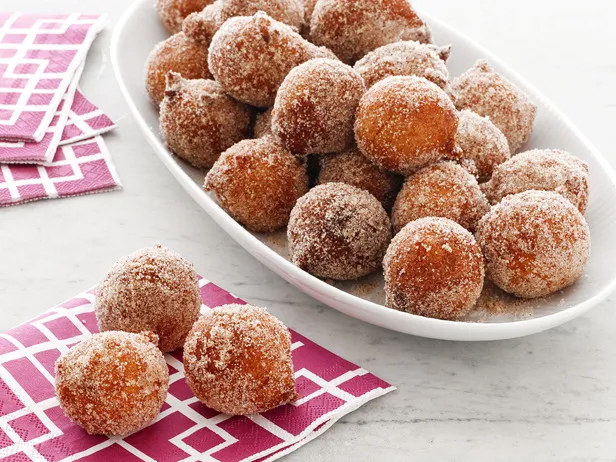
- Local Desserts: Sweet treats like pain patate (sweet potato cake), blan manje (coconut milk flan), and beignets are essential to end the meal in style.

These dishes, in addition to being tasty, carry within them the history and culture of the country, recalling the deep roots of Haitian cuisine.

Haïti
Haïti
Haïti

Holiday Drinks: A Perfect Balance of Tradition and Pleasure

No Christmas meal in Haïti would be complete without the traditional drinks that accompany the feast. Haitians know how to perfectly pair their dishes with local drinks, including:

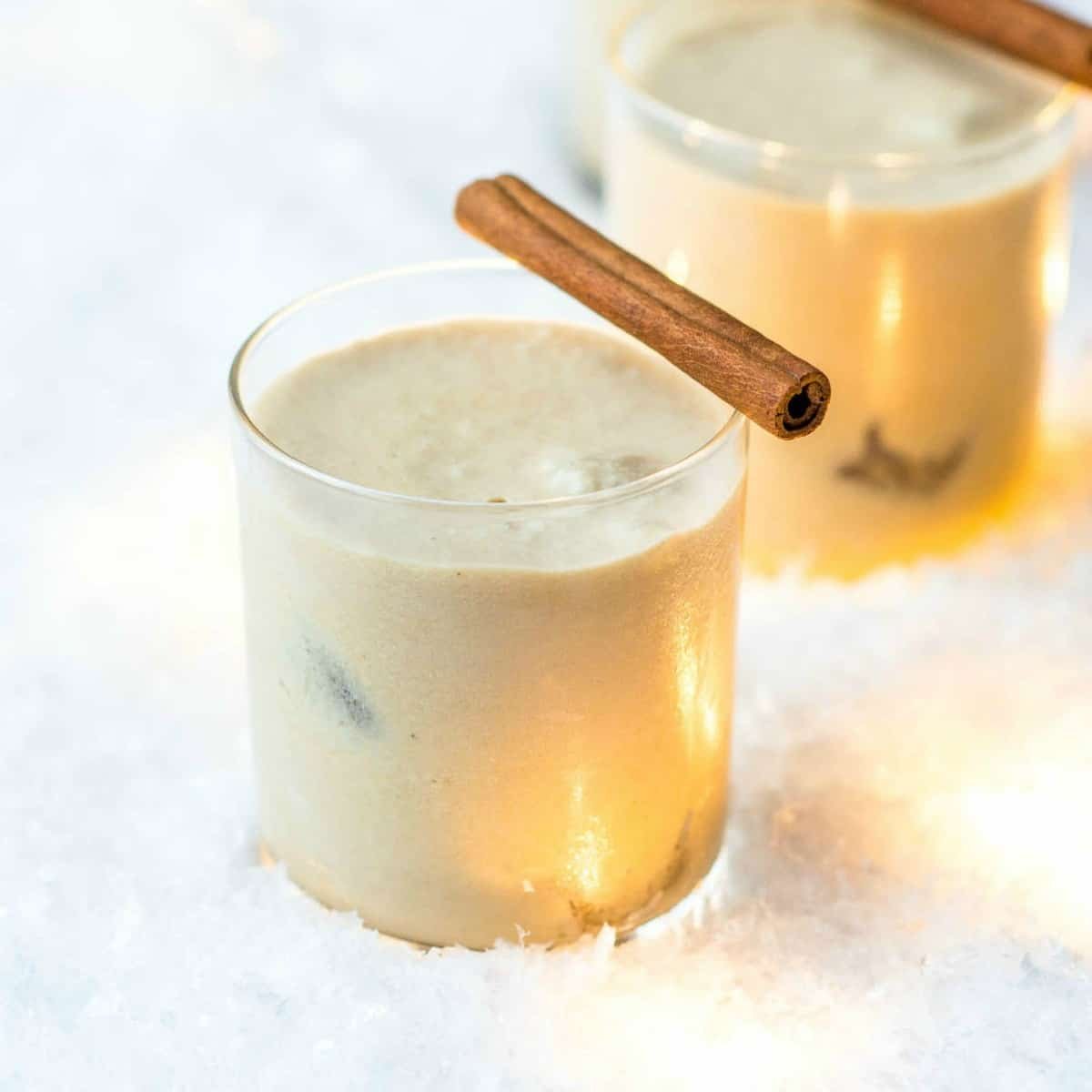
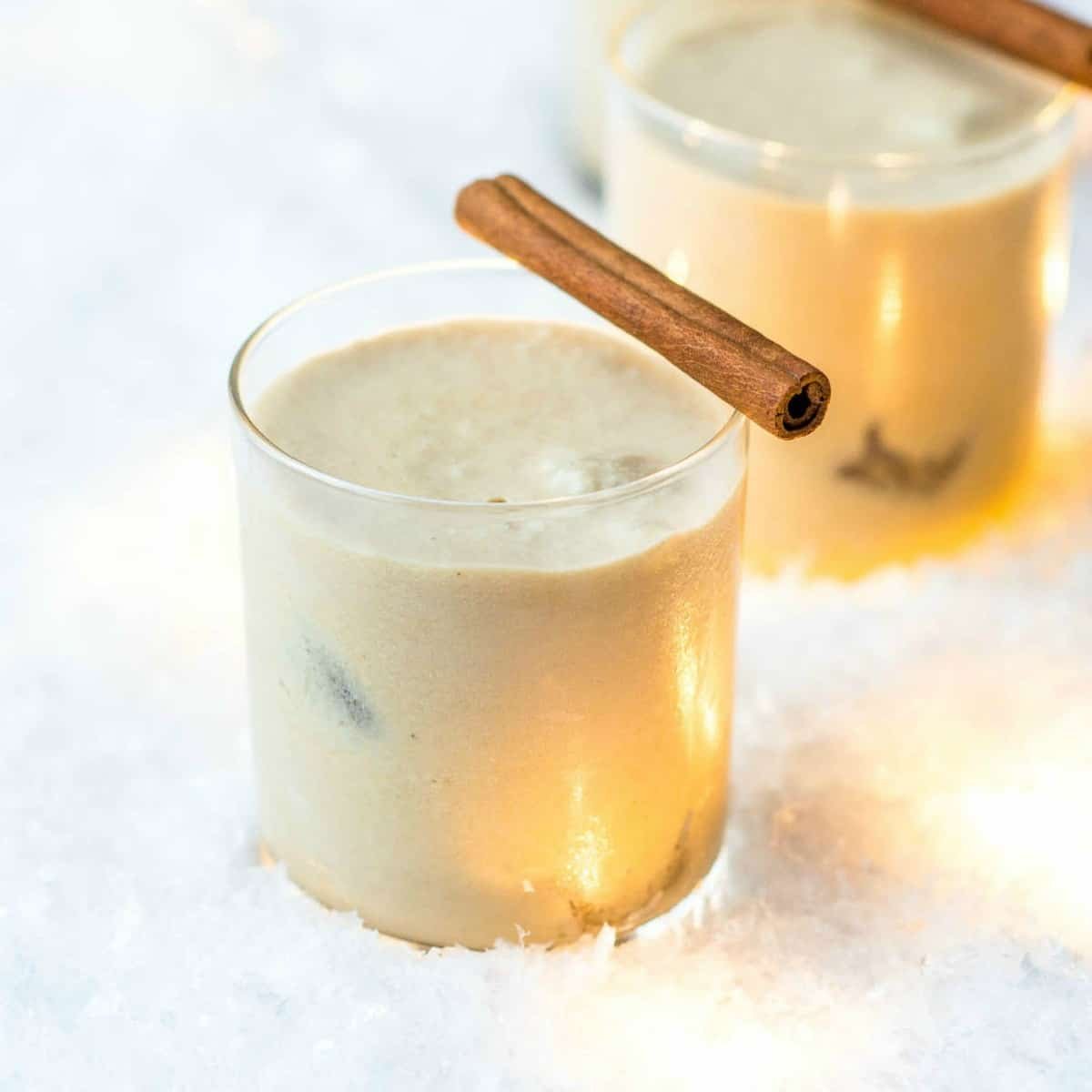
- Kremas: This sweet and creamy drink, made with condensed milk, nutmeg, vanilla and rum, is a must during the holidays. Kremas is often prepared at home, according to family recipes.
- Natural juices: Haitians love homemade juices, such as soursop, tamarind or passion fruit juice, which bring a refreshing touch to the meal.
- Haitian rum: Known for its quality, rum is sometimes used to make a toast or to enhance desserts and drinks.

These drinks add a festive touch to meals while reflecting local traditions.

Preparation: A Time of Gathering and Transmission

In Haiti, preparing Christmas meals is just as important as eating them. It becomes a time of bonding, where family members gather to cook together. Elders share their cooking tips and secrets with the younger ones, ensuring the transmission of traditions.

Christmas Eve is particularly lively, with kitchens filled with fresh ingredients, spicy aromas, and laughter. Children often participate by helping to prepare desserts or decorating the table. This preparation process strengthens family ties and gives the meal an even more special flavor.

Haïti
Haïti
Haïti

Generosity at the Heart of Feasts

Generosity is a fundamental value of Christmas celebrations in Haiti. Even in modest circumstances, families do everything they can to prepare a meal worthy of the occasion. It is common to share dishes with neighbors or invite friends to the table.

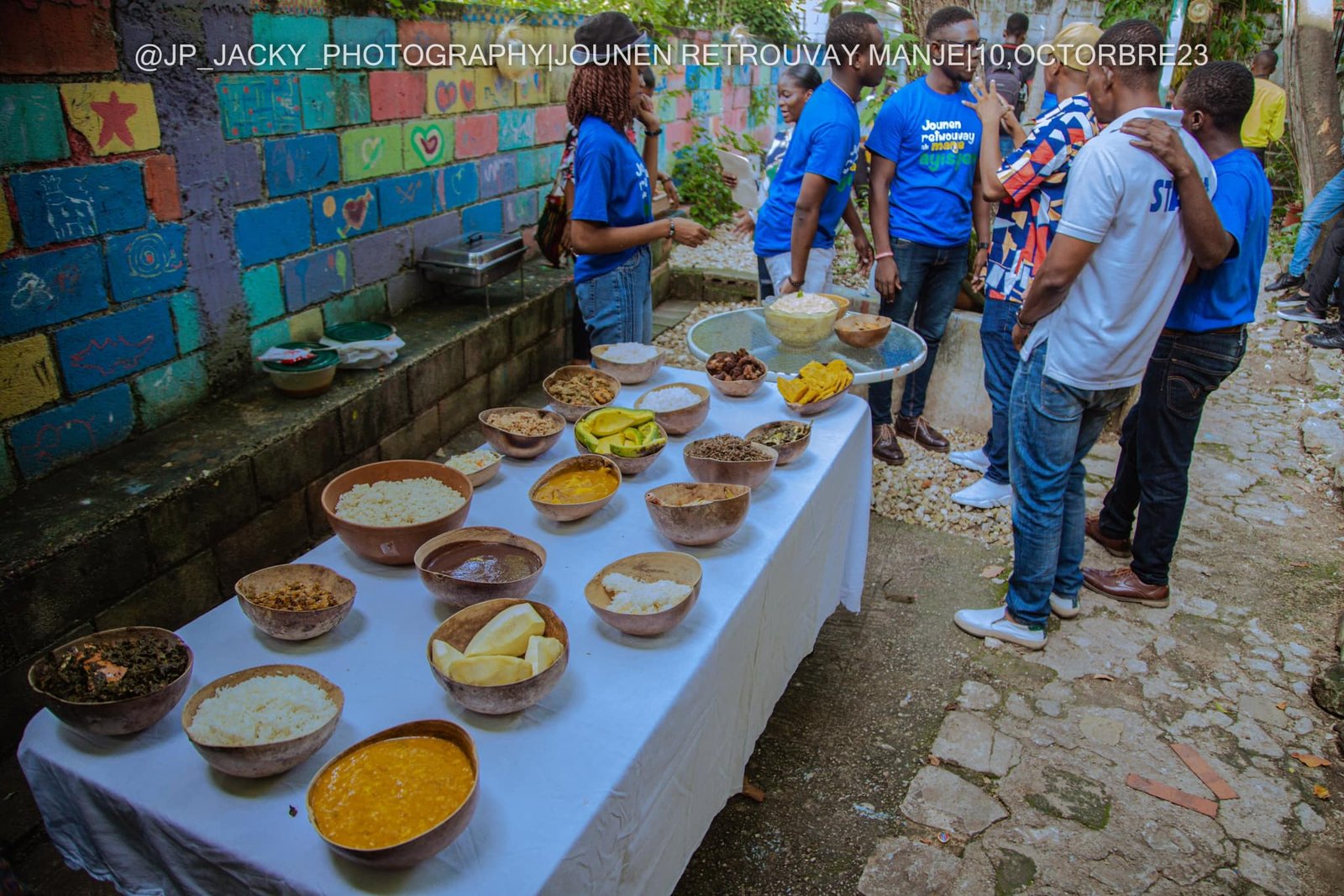
In many communities, collective meals are organized to allow everyone, even the most deprived, to enjoy the holiday. This solidarity reflects the spirit of Christmas and the deep sense of sharing that characterizes Haitian culture.
Official launch of  Ewo  Beer: Haitian Pride across the World
Official launch of Ewo Beer: Haitian Pride across the World

Official launch of “Ewo” Beer: Haitian Pride across the World

December 1 marked an exceptional moment for the Haitian community and beer lovers around the world, with the official launch of “Ewo” beer by Haitian entrepreneur Jhonson Napoléon. After the success of “Kola Choucoune”, already present in several countries, including the United States and Canada, it is the turn of “Ewo” beer to take the American market by storm. Available in several cities in the United States, this beer embodies the perfect marriage between tradition and innovation, offering consumers a unique taste experience. “Ewo” beer is much more than just an alcoholic beverage. It is a delight that skillfully blends the authentic flavors of Haitian culture with a touch of innovation. In a country where Prestige beer and Barbancourt rum have already conquered palates around the world, “Ewo” beer is proudly added to the list of Haitian taste treasures. Jhonson Napoléon, the man behind this new creation, continues to fly the colors of Haïti across the globe. His commitment to promoting quality Haitian products continues to strengthen the reputation of his country of origin. “Ewo” beer is not just a drink, it is a symbol of Haitian creativity and perseverance that transcends borders. This new step demonstrates the country’s ability to be part of the global trend for quality craft beers. “Ewo” beer is not only a leading local product, but it also stands out on the international scene as the representative of a rich and dynamic culture. The pride that Haitians feel for the success of Jhonson Napoléon and the growing fame of “Ewo” beer is palpable. It is a success story that transcends geographic boundaries and embodies the strength of the Haitian entrepreneurial spirit.

Christmas Feasts in the Diaspora

Haitians living abroad perpetuate these culinary traditions by adapting recipes to the ingredients available in their host country. In cities like New York, Montreal or Paris, Haitians organize meals where the authentic flavors of their home country remain at the heart of the festivities.

These diaspora feasts not only allow to maintain a link with Haitian culture, but also to introduce it to other communities. They thus become a platform for cultural sharing.

Haïti
Haïti
Haïti

A Tasty and Convivial Celebration

Christmas feasts in Haïti embody the spirit of the holiday, where generosity, sharing and traditions are in the spotlight. Traditional dishes, local drinks and the friendly atmosphere make Christmas an unforgettable moment for Haitians. It is much more than just a meal: it is a celebration of culture, history and unity. Whether in a family home in Haïti or in a Haitian community abroad, Christmas feasts remain a vibrant expression of Haitian identity and the true meaning of the holiday.

Share
About the Author
Appolon Guy Alain
Appolon Guy Alain
Appolon Guy Alain

Full Stack Developer, Créatif, expérimenté, passionné des nouvelles technologies et de l’art.

See other articles from Appolon Guy Alain
Leave a comment

Recently Posted

Haïti et son Rôle Pionnier dans l’Abolition de l’Esclavage Mondial

For centuries, the institution of slavery has darkened human history, leaving behind a legacy of pain, oppression and the struggle for freedom. However, in this dark tale, one nation stands out for its courage and determination to break the chains of oppression: Haiti. Located in the Caribbean, Haïti played a pioneering role in the abolition of slavery, laying the foundation for the fight for freedom and equality around the world. The history of slavery in Haïti dates back to the arrival of Europeans on the island, which was then called Santo Domingo, in the 15th century. French colonists quickly established an economy based on sugar and coffee production, cruelly exploiting millions of African slaves deported to work on plantations. However, this brutal system engendered fierce resistance from slaves, whose fight for freedom ultimately led to one of the most significant revolutions in history. In 1791, under the leadership of iconic figures such as Toussaint Louverture, Jean-Jacques Dessalines and Henri Christophe, Haitian slaves rose up against their oppressors in an unprecedented rebellion. This revolt resulted in a war of independence that lasted more than a decade, but ultimately resulted in the proclamation of Haiti’s independence in 1804, making that country the first post-colonial nation ruled by people from slavery. The impact of the Haitian Revolution on the abolition of slavery worldwide cannot be overstated. By breaking the chains of oppression and proclaiming their independence, Haitians have sent a powerful message to all oppressed peoples around the world: freedom is possible, and it is worth the struggle. The example of Haïti inspired other movements for the abolition of slavery in the Americas and beyond, thus helping to shake the very foundations of the institution of slavery. Haiti’s participation in the fight against slavery was not limited to its territory; it also extended to external actions where Haitian men were sent or actively participated in movements for the abolition of slavery in other regions of the world. For example, Haitian President Alexandre Pétion supported Simón Bolívar, the leader of the South American revolution, by providing him with weapons, money and even men, which contributed to the liberation of several countries in America Latin of colonial domination. Haïti also provided support for independence movements in Central America. Haitian fighters, led by General Jean-Pierre Boyer, helped Venezuelan patriots fight against Spanish rule, contributing to the liberation of that region. The Haitian government financially and diplomatically supported movements for the abolition of slavery in countries such as Venezuela, Colombia and Mexico, contributing to the gradual eradication of this institution throughout the region. Although Haïti did not directly participate in the American Civil War, many Haitians and descendants of Haitians played crucial roles in the abolitionist movement in the United States. Figures who were of Haitian origin or of Haitian ancestry, were important voices in the fight against slavery and for equal rights in the United States. The legacy of the Haitian Revolution remains a symbol of resistance and courage for future generations. Today, as the world continues to struggle against injustice and oppression in various forms, Haiti’s history reminds us that the fight for freedom is a universal fight, one that transcends borders and times. Haiti’s participation in the abolition of slavery throughout the world remains a crucial chapter in the history of humanity. Through their courage and determination, Haitians have paved the way for a future where freedom and equality are inalienable rights for all.

Newsletter

Subscribe to our newsletter to stay informed of all our activities and news on Haiti.

The Republic of the Stateless?

Haïti is making headlines all over the world. And it’s not good news. The exploits of Haitians rarely generate so much interest, but we always tend to point out the excesses, spill ink to stir up thorns in the side, broadcast on loop to relay the chaos that is raging. There is hardly any media to make amends for the resilience of this cornered people. No one to highlight the fierce resistance that serves as fuel for this people hanging in the gorges of death. And what if it was to a certain extent the only way to talk about this country to finally attract attention? It is July 26, 2024. The Olympic Games have just started in France. The 33rd Olympiad of modern times. Without realizing it, according to Forbes Magazine, Haïti ranks among the ten nations with the best costume, proudly pointing to third place. At the same time, miles away from France, on “The Island of Skillfully Orchestrated Chaos,” Haitians do not even realize how much this recognition borders on irony. A paradox whose unpopular evocation is likely to greatly displease. An aerial image shows the city of Paris in all its splendor, illuminated like the gates of paradise, reflecting all the grandeur of France, all the magnificence it has acquired over the centuries, without forgetting the contribution of the blood shed by the horrible machine of colonization. I close my eyes, I go back in time, I see again this boy left to his own devices, lost without even knowing it, doomed to failure without even understanding it. And then there are the others. Boys in the same situation, or worse. Banished from society, they do not know what life has in store for them. They form the elegant class of the marginalized, in their quality of scoundrels, good-for-nothings, and thugs who spoil the splendor of society. This contrast challenges me, and I wonder for a moment if those who live the chaos from the outside grasp the stakes and the reality of the situation. Moreover, it seems to me that even the majority of Haitians living in the territory have no notion of the fundamental and essential aspects of the situation.

Recently Posted

History

History

First black nation to free itself from slavery and gain independence from France in 1804 and influenced other liberation movements around the world, inspiring struggles for freedom and equality.

Natural beauty

Natural beauty

Haïti is blessed with spectacular natural landscapes, including white sand beaches, mountains and rich biodiversity.

Heritage

Heritage

Haïti has a rich historical heritage, including sites like the Citadelle Laferrière and the Sans-Souci Palace, listed as UNESCO World Heritage Sites.

Culture

Culture

Haïti has a rich and diverse culture, influenced by African, European and indigenous elements. Haitian music, dance, art and cuisine are celebrated around the world.

  • +
    • Post