contact@haitiwonderland.com+509 36184317

Discover

Shopping Cart

Discover the cultural richness of Haiti

Discover the cultural richness of Haiti

Haiti, often nicknamed "the Pearl of the Antilles", is a Caribbean island nation that shines with its cultural wealth. This richness is the result of a unique blend of African, French, Spanish and indigenous influences, shaped by a tumultuous history and remarkable resilience. Let’s explore together the varied facets of this vibrant and profound culture.

Haïti
Haïti
Haïti

History and Influences

Haïti is the first independent black nation, having gained independence from France in 1804 after a revolution led by slaves. This historic victory not only marked a turning point for the nation, but also imbued its culture with a deep sense of pride and resistance.

African influence is predominant in Haiti, visible in music, dance, religion and cuisine. The traditions of the Yoruba, Congo and Dahomey peoples crossed the Atlantic and mixed with European influences to create a unique culture.

Haïti
Haïti
Haïti

Language and Literature

Haitian Creole, a language resulting from contact between French colonists and African slaves, is spoken by almost the entire population. This language is a symbol of Haitian identity and its cultural resilience. French, the official language, also plays an important role, particularly in education and literature.

Haïti is the birthplace of many renowned writers such as Jacques Roumain, René Depestre and Dany Laferrière. Their works explore themes of struggle, identity and beauty, reflecting the complex realities of Haitian society.

Haïti
Haïti
Haïti

Music and dance

Haitian music is a vibrant mix of African rhythms and European melodies. The compass, a musical genre invented by Nemours Jean-Baptiste in the 1950s, is extremely popular. Roots music, a genre that draws from Vodou and African traditions, is also very influential.

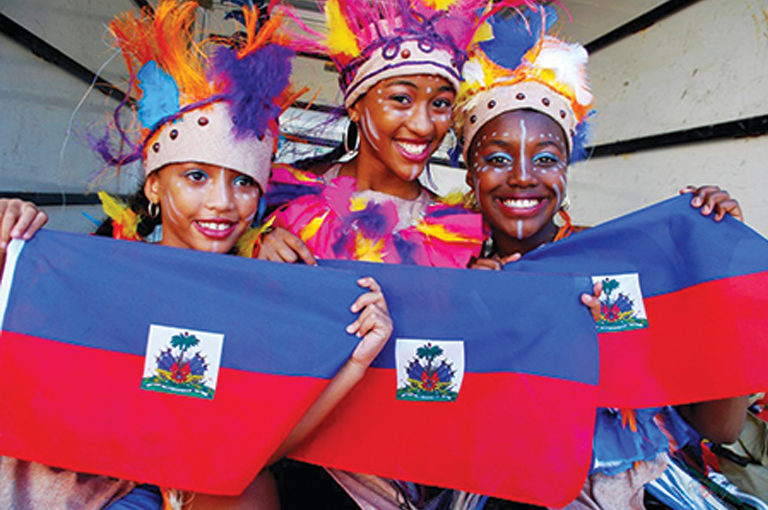
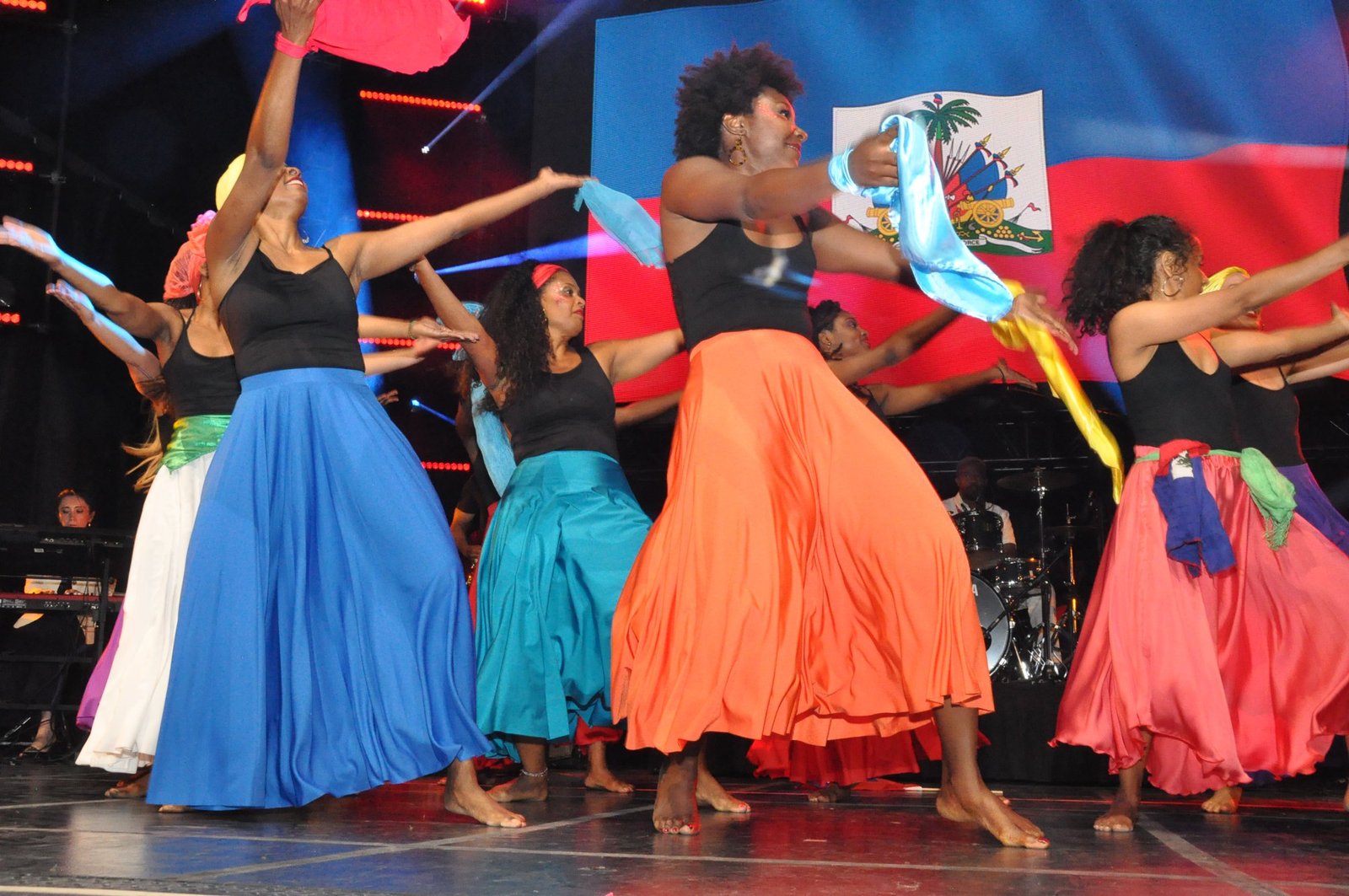
Dance plays a central role in Haitian culture. Merengue, Haitian meringue and traditional dances such as yanvalou and ibo are performed during religious festivals and ceremonies, illustrating the joie de vivre and spirituality of Haitians.

Cultural exploration: Discovering the Haitian soul

Cultural exploration: Discovering the Haitian soul

Cultural exploration offers a fascinating window into the richness and diversity of world heritage. Among destinations that captivate with their history, art and unique identity, Haïti stands out as a cultural gem worth discovering. b~Historical heritage:~b The history of Haïti is marked by the resilience of the Haitian people in the face of slavery, colonization and political challenges. It is the first independent state in Latin America and the only one founded by a successful slave revolt. Haiti’s historical heritage is reflected in its art, music, dance and beliefs. b~Art and Crafts:~b Haitian artistic expression is vibrant and powerful. Naive painting, famous for its bright colors and narrative themes, has its roots in Vodou traditions and local folklore. Haitian artists have gained international fame by capturing the mystical spirit and daily life of the country. b~Music, rhythm of the Haitian soul:~b Music is the pulsating soul of Haiti. From direct compass to voodoo to jazz to rasin, each musical genre has a deeply rooted history in Haitian culture. The iconic band, Boukman Eksperyans, fuses traditional rhythms with modern influences, creating a unique sonic experience that transcends boundaries. b~Dance and movements:~b Dance in Haïti is a celebration of life and spirituality. Voodoo dances, such as Yanvalou and Banda, embody sacred rituals while preserving African heritage. The graceful movements and colorful costumes tell stories from Haitian history, creating a deep connection between past and present. b~Spirituality and Voodoo:~b Vodou, often misunderstood, is an essential component of Haitian culture. It is a syncretic religion that combines African, Native American and Catholic elements. Vodou ceremonies, with their intoxicating dances and mystical rituals, are powerful expressions of Haitian spirituality and are rooted in the quest for connection with ancestors and deities. Exploring the Haitian soul means delving into a world where history, art, music and spirituality intertwine to form a unique cultural web. Haiti, with its diversity and resilience, offers an experience rich in emotions and discoveries. Whether through the bustling streets of Port-au-Prince, the vibrant art galleries or the captivating rhythms, every corner of this Caribbean country reveals a captivating facet of its deep and living soul.

Haïti
Haïti
Haïti

Religion and Spirituality

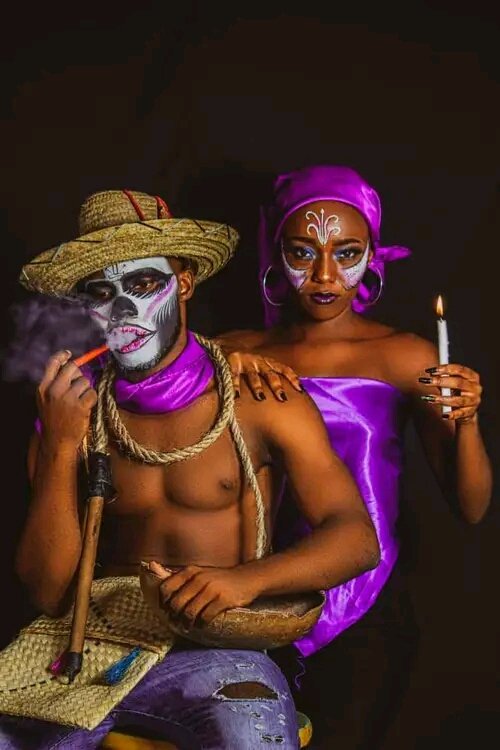
Religion in Haïti is a complex mix of Catholicism and Vodou. Vodou, often misunderstood and stigmatized, is a religion deeply rooted in Haitian culture. It is based on respect for spirits and ancestors, and its practices include ceremonies with dancing, singing and drumming.

Catholicism, introduced by French settlers, is the majority religion, but often the religious practices of Haitians integrate elements of both traditions, creating a unique spirituality.

Haïti
Haïti
Haïti

Craftsmanship

Haitian art is famous for its liveliness and expressiveness. Haitian paintings are often colorful, depicting scenes of daily life, lush landscapes and spiritual figures. Artists like Hector Hyppolite and Préfète Duffaut are known for their iconic works.

Crafts are also a key element of Haitian culture. The wrought iron work, particularly the sculptures made from recycled metal cans, is particularly remarkable. Haitian artisans also create wooden objects, jewelry, textiles and pottery, often decorated with traditional motifs.

Haïti
Haïti
Haïti

Gastronomy

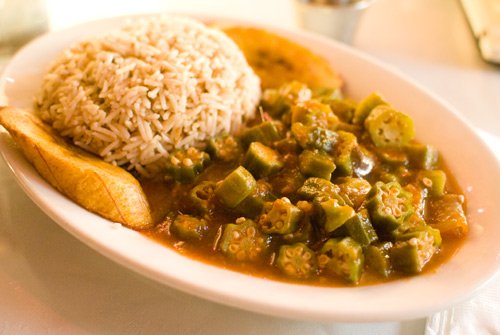
Haitian cuisine is a delight for the senses, blending African, French, Spanish and indigenous flavors. Dishes like griot, acra and diri ak djon djon (rice with black mushrooms) illustrate the diversity and richness of local flavors. Spices play a crucial role, bringing unique warmth and depth to each dish.

Haiti’s cultural richness is a testament to its history, resilience and creative spirit. Every aspect of this culture, whether it is language, music, dance, religion, art or cuisine, tells a story of fusion and transformation. By celebrating this wealth, we pay homage to the strength and beauty of the Haitian people.

Share
About the Author
Haïti Wonderland
Haïti Wonderland
Bill W

Much Respect Guys ! Congratulations .. i started building a similar website , but seeing yours made me do not wanna continue .. i love your website , you guys are the best. if you need my help in the technical support , i can definitely help .

Anpil respe a tout moun ki rann Website sa posib. nou se Patriyot tout bon vre, epi nou se yon pilye nan entelijansya peyi Dayiti . m renmen travay nou fe a, m se yon pwofesyonel nan konstwi sit wen tou, men travay nou an epate m. anpil respe , anpil lanmou...

Bill W
thepiwo@gmail.com

June 04, 2024 - 10:59:11 PM
Leave a comment

Recently Posted

Newsletter

Subscribe to our newsletter to stay informed of all our activities and news on Haiti.

Caractéristique d’un lapin

Les lapins sont des mammifères appartenant à la famille des Leporidae. Voici quelques-unes de leurs caractéristiques principales : 1. **Physique** : Les lapins ont un corps couvert de fourrure douce, des oreilles longues et droites, de grands yeux sur les côtés de leur tête, et une queue courte et duveteuse. Ils possèdent de puissantes pattes arrière adaptées au saut. 2. **Taille et poids** : La taille et le poids peuvent varier considérablement selon la race, allant d’environ 500 grammes pour les plus petits à plus de 5 kilogrammes pour les plus grands. 3. **Comportement** : Les lapins sont connus pour être sociaux et peuvent vivre en groupes dans la nature. Ils communiquent entre eux par différents moyens, y compris par des sons et des mouvements corporels. Les lapins creusent des terriers pour y vivre et se protéger des prédateurs. 4. **Alimentation** : Ils sont herbivores, se nourrissant principalement de foin, d’herbes, de feuilles, de fleurs, et de certains légumes. Leur système digestif est adapté pour traiter une grande quantité de fibres. 5. **Reproduction** : Les lapins sont réputés pour leur capacité à se reproduire rapidement, avec des gestations courtes d’environ 28 à 31 jours. Une portée peut compter de un à douze lapereaux, selon la race. 6. **Sens** : Ils ont une excellente vision périphérique pour détecter les mouvements tout autour d’eux, mais ont une zone aveugle juste devant leur nez. Leur ouïe est également très développée, leur permettant de capter des sons à de grandes distances. 7. **Espérance de vie** : En captivité, les lapins peuvent vivre de 7 à 10 ans, selon la race et les soins prodigués, tandis que dans la nature, leur espérance de vie est généralement plus courte en raison des prédateurs et des maladies. Ces animaux nécessitent des soins appropriés, notamment un régime alimentaire équilibré, de l’exercice, et une attention particulière à leur bien-être émotionnel et physique pour vivre une vie saine et heureuse en captivité.
Recently Posted

History

History

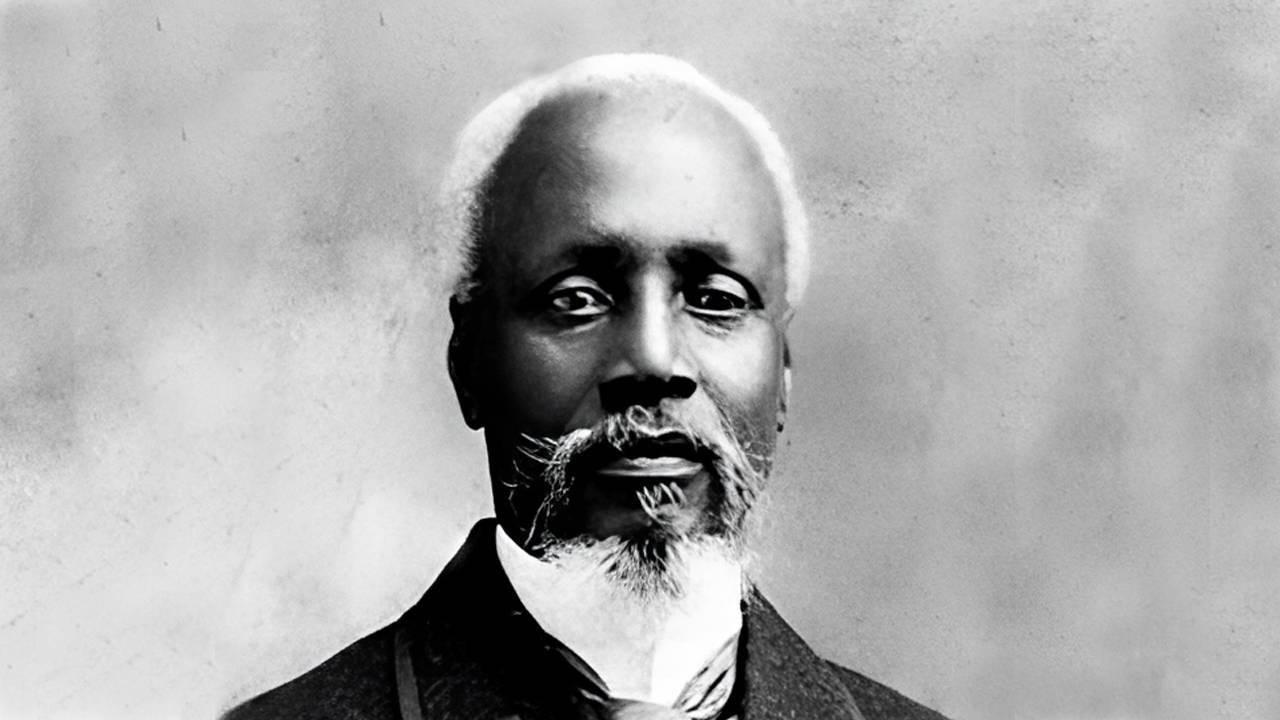
First black nation to free itself from slavery and gain independence from France in 1804 and influenced other liberation movements around the world, inspiring struggles for freedom and equality.

Natural beauty

Natural beauty

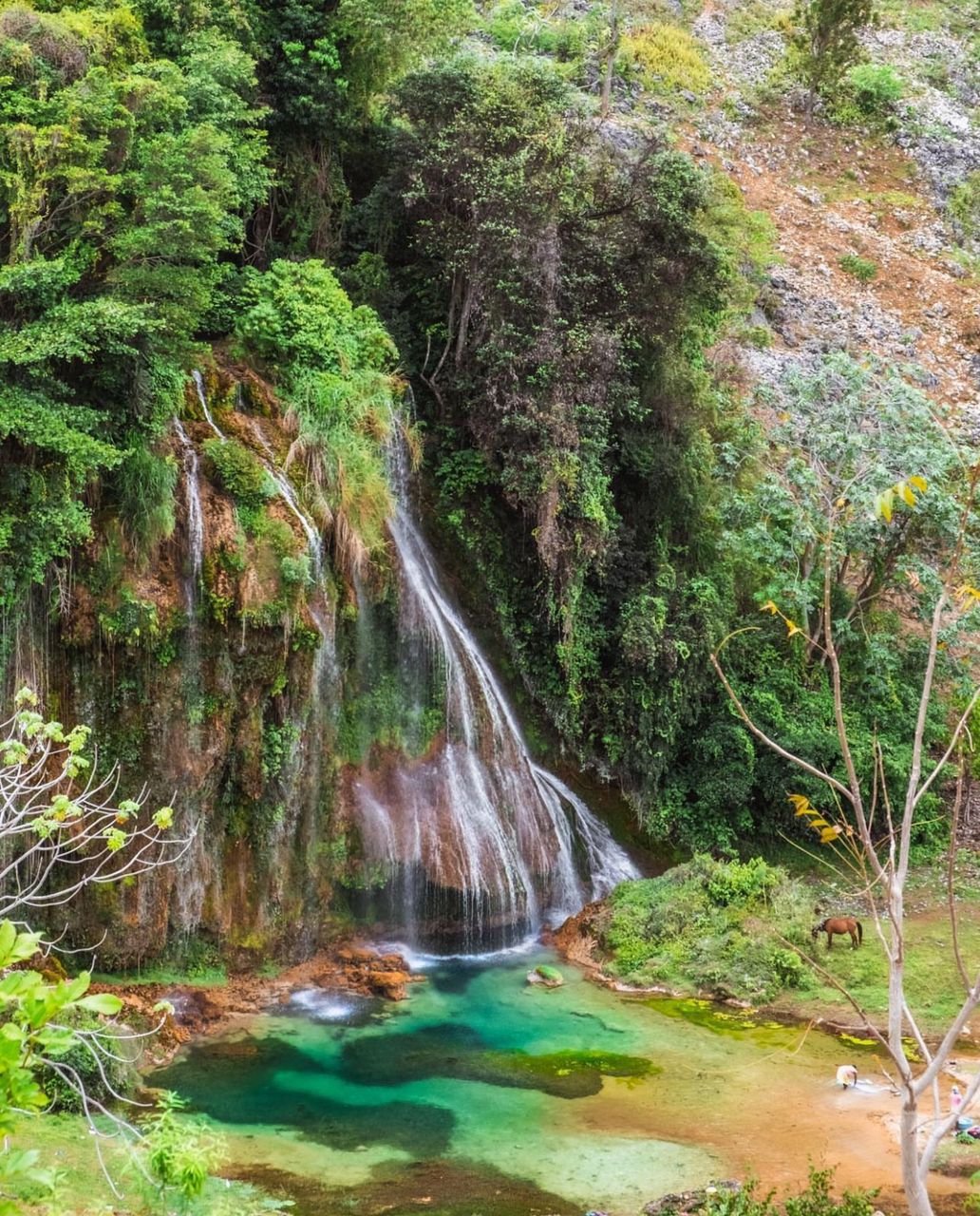
Haïti is blessed with spectacular natural landscapes, including white sand beaches, mountains and rich biodiversity.

Heritage

Heritage

Haïti has a rich historical heritage, including sites like the Citadelle Laferrière and the Sans-Souci Palace, listed as UNESCO World Heritage Sites.

Culture

Culture

Haïti has a rich and diverse culture, influenced by African, European and indigenous elements. Haitian music, dance, art and cuisine are celebrated around the world.

  • +
    • Post