contact@haitiwonderland.com+509 36184317

Discover

Shopping Cart

How is Carnival Celebrated in Haiti? An Explosion of Colors and Culture

How is Carnival Celebrated in Haiti? An Explosion of Colors and Culture

Carnival in Haïti is a must-see celebration that embodies the vibrant and festive soul of the country. Each year, this spectacular celebration attracts thousands of participants and visitors, fascinated by the energy, creativity and cultural richness of Haiti. It is a time when music, dance and traditions intertwine in a whirlwind of joy and national pride. Immerse yourself in the enchanting world of Haitian Carnival and discover everything that makes it a unique event.
Haïti
Haïti
Haïti

1. A Party with a Deep Heritage

Carnival, or "Kanaval" in Creole, draws its roots from colonial history and African traditions.
- Origins: This celebration, linked to the Christian calendar, precedes Lent and offers a moment of freedom and joy before a period of spiritual reflection.
- Cultural Influences: Haitian Carnival blends European, African and indigenous elements, creating a celebration that is unique in the world.

See as well

Haïti
Haïti
Haïti

2. Key Dates of Carnival in Haiti

Haitian Carnival generally begins in January and culminates in the three days preceding Ash Wednesday.
- Dimanche Gras, Lundi Gras and Mardi Gras: These three days are the most important, marked by spectacular parades and a general festive atmosphere.
- Preparations: The festivities begin well before, with musical evenings, band rehearsals and costume contests.

Haïti
Haïti
Haïti

3. Spectacular Parades: The Heart of the Celebration

The streets of Haiti’s main cities, including Port-au-Prince, Jacmel and Cap-Haïtien, are transformed into open-air stages.
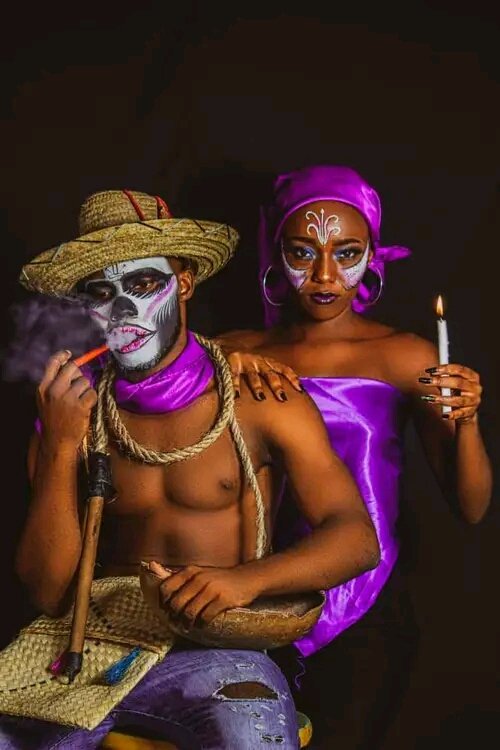
- Extravagant Costumes: Participants wear elaborate and colorful costumes, often inspired by historical, cultural, or social themes.
- Allegorical Floats: Beautifully decorated floats pass through the streets, accompanied by rhythmic music and dancers.
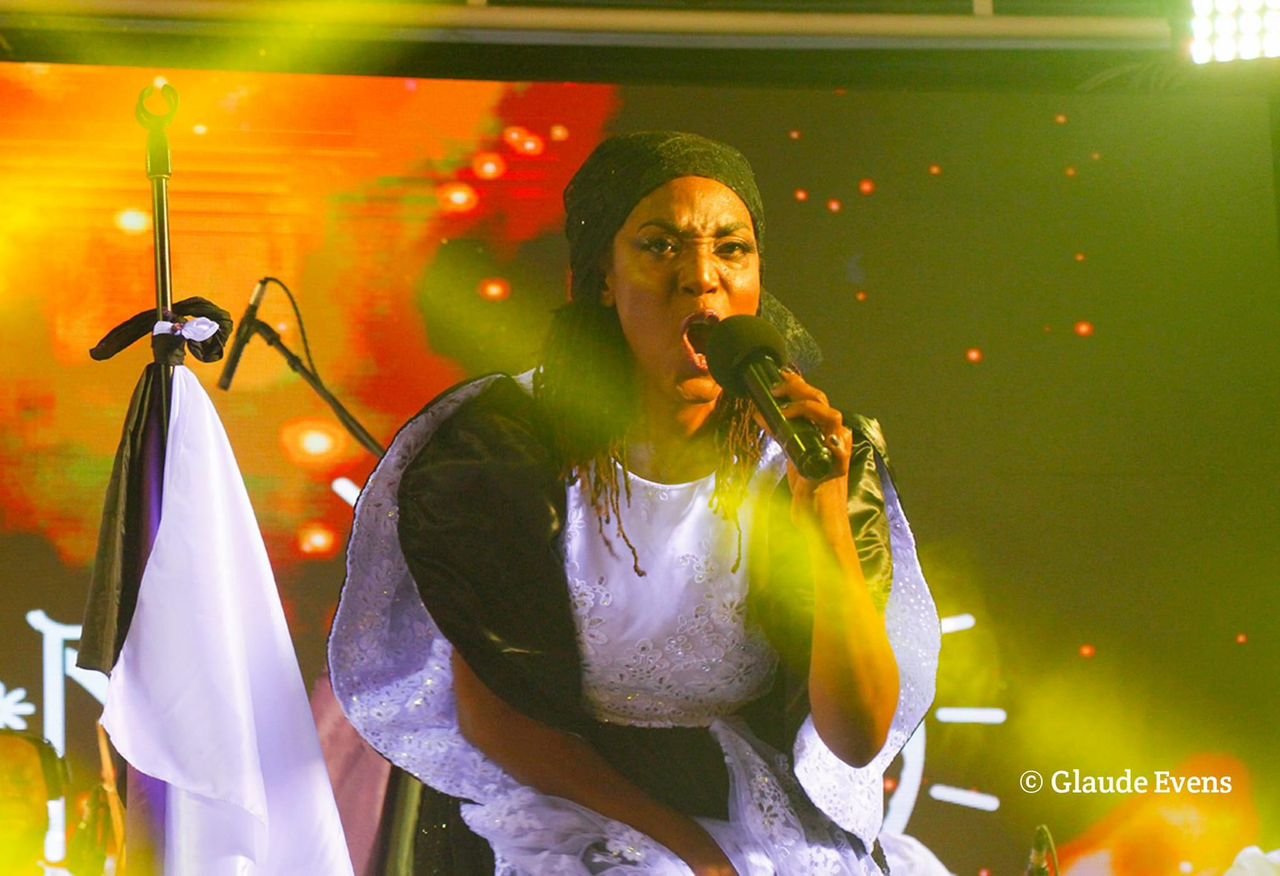
- Rara and Live Music: Foot bands, *compas* and *rara* groups punctuate the festivities with captivating percussion and lively songs.

Haitian rhythms: Exploring musical and dance traditions

Haitian rhythms: Exploring musical and dance traditions

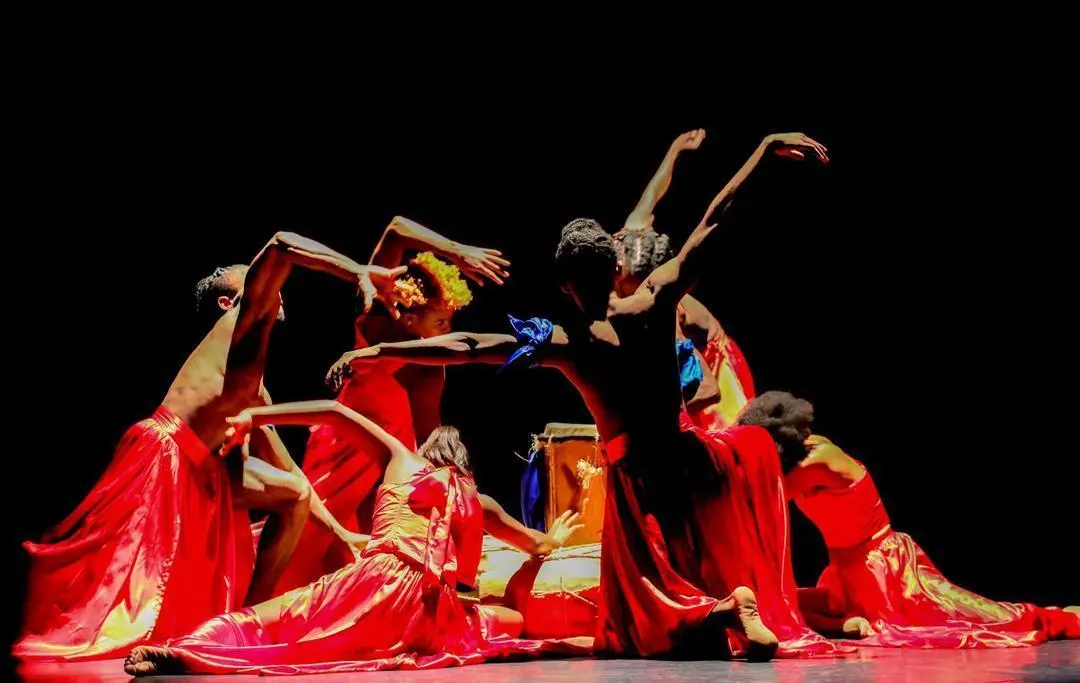
Haiti, a land rich in history and cultural diversity, offers a unique musical treasure through its captivating rhythms. Haitian music, deeply rooted in the fusion of different African, European and Caribbean influences, constitutes a vibrant expression of national identity. One of the distinctive elements of Haitian music is its rhythmic diversity, reflecting the many facets of daily life, from religious celebrations to moments of joy and sorrow. Haitian rhythms, carrying contagious energy, are a reflection of the soul of the Haitian people. One of Haiti’s most iconic musical genres is direct compas, which emerged in the 1950s. This catchy rhythm, coupled with captivating melodies, has captured hearts globally. The direct compass embodies the fusion of different musical styles, including jazz, merengue, and elements of traditional Haitian music. Haitian musical traditions are not limited to contemporary sounds. Vodou, an ancestral spiritual practice, also has a major influence on Haitian music. Vodou rhythms, often associated with religious ceremonies, create a deep connection between spirituality and artistic expression. Furthermore, dance is inseparable from Haitian music. The graceful and energetic movements of traditional dances like rasin, combined with captivating rhythms, transport dancers and spectators to a world where bodily expression becomes a living art form. Exploring the musical and dance traditions of Haïti is like diving into a universe where history, culture and spirituality are harmoniously woven together. These rhythms, passed down from generation to generation, are much more than simple notes; they embody the soul of a people and the richness of its diversity. Celebrating these traditions pays homage to Haiti’s exceptional cultural heritage and its invaluable contribution to the global music scene.

Haïti
Haïti
Haïti

5. A Cultural and Political Dimension

The Haitian Carnival is not just a celebration: it is also a space for social and political expression.
- Social messages: Costumes and songs often address themes such as politics, the environment or social struggles.
- Humorous satires: Performances include humorous critiques of current events, reflecting the creative and engaged spirit of Haitians.

Haïti
Haïti
Haïti

6. Gastronomy and Street Food Tastings

The Carnival is also an opportunity to savor Haitian specialties.
- Fritay: These street foods, such as bananas pesées, griot and acra, are very popular during the festivities.
- Local sweets: Sweets such as douce kokoye (coconut candy) and roasted pistachios add a sweet touch to the event.
- Traditional drinks: Local drinks such as clairin (artisanal rum) and natural juices are omnipresent.

Haïti
Haïti
Haïti

Carnival in Haïti is an inclusive celebration that brings together all levels of society.
- For families: Areas are set up so that children and families can enjoy the festivities in complete safety.
- Artists and artisans: Painters, sculptors and fashion designers take advantage of this period to exhibit their unique creations.
- Tourists: Many foreign visitors come to discover the authenticity and beauty of this incomparable celebration.

Haïti
Haïti
Haïti

8. Why Haitian Carnival is Unique

Haitian Carnival is distinguished by its cultural depth and contagious energy.
- Authenticity: It is a celebration where traditions and modernity coexist harmoniously. - National Pride: Each participant expresses, through his costume, his dance or his music, his love for Haitian culture.
- Artistic Richness: The creativity displayed in the costumes, floats and performances is a true spectacle for the eyes.

Haïti
Haïti
Haïti

Experience Carnival in Haiti

Attending Carnival in Haïti means diving into a celebration where culture, history and joy come together. Between the intoxicating rhythms, the colorful parades and the warm welcome of the Haitians, this celebration is an unforgettable experience. Whether you are a spectator or a participant, the Haitian Carnival will leave you with lasting memories.

Share
About the Author
Appolon Guy Alain
Appolon Guy Alain
Appolon Guy Alain

Full Stack Developer, Créatif, expérimenté, passionné des nouvelles technologies et de l’art.

See other articles from Appolon Guy Alain
Leave a comment

Recently Posted

Newsletter

Subscribe to our newsletter to stay informed of all our activities and news on Haiti.

Jean-Jacques Dessalines, leader of the Haitian Revolution

In the annals of the history of Haiti, an island located in the Caribbean at the entrance to the Gulf of Mexico and shared with the Dominican Republic, Jean-Jacques Dessalines emerges like a phoenix from the ashes of oppression. Born a slave on September 20, 1758 in the home of Henri Duclos, in Cormier (Grande-Rivière-du-Nord), in the French colony of Saint-Domingue, Dessalines was a Creole of African (Afro-Caribbean) origin. Freed during the 1794 abolition achieved through slave revolts, actually served as an officer in the French army during the French Revolution. At that time, the ideas of freedom and equality were at the heart of the concerns of the inhabitants of the colonies. Dessalines actively participated in the fighting against the Spanish and British forces, alongside the French, in Santo Domingo. Having risen to the rank of Lieutenant General, Jean-Jacques Dessalines turned against the French during the Leclerc expedition, sent to Saint-Domingue by Bonaparte to reestablish colonial authority and slavery during the Haitian Revolution. After the capture and deportation of Toussaint Louverture to France on June 7, 1802, Dessalines assumed a leading role in continuing the struggle for independence. He led numerous battles, including the battle of Crête-à-Pierrot in March 1802, where he galvanized his soldiers with his famous declaration: “Let those who want to remain slaves of the French leave the fort, let those, on the contrary, who want to die as free men, line up around me.” On January 1, 1804, Jean-Jacques Dessalines achieved the long-awaited goal of independence by proclaiming Haïti as a sovereign nation, becoming the second country in the Americas to gain independence from a colonial power. He became the first leader of the newly formed nation and was named Emperor under the name James I. However, his imperial reign was marked by authoritarian and brutal policies, including the massacre of many white settlers and the redistribution of land to peasants that was in the hands of the generals of the independence army. In addition, he organized the hunt for delinquents in the city while implementing rigorous agrarian policies, considering that they represented a threat to the stability of the nation, these controversial actions caused divisions within Haitian society. Dessalines was assassinated on October 17, 1806 following a plot organized by some of his generals in the Haitian army. His death marked the end of his brief but influential period in power. Despite the controversies surrounding his methods, he is recognized as the main architect of Haiti’s independence and his name was honored in 1903 by being attributed to the Haitian national anthem, La Dessalinienne, composed by Justin Lhérisson.Finally, the great visionary man Jean Jacques Dessalines remains an emblematic figure in the history of Haiti, recognized for his role in the fight for independence and the end of slavery in the region.

Recently Posted

History

History

First black nation to free itself from slavery and gain independence from France in 1804 and influenced other liberation movements around the world, inspiring struggles for freedom and equality.

Natural beauty

Natural beauty

Haïti is blessed with spectacular natural landscapes, including white sand beaches, mountains and rich biodiversity.

Heritage

Heritage

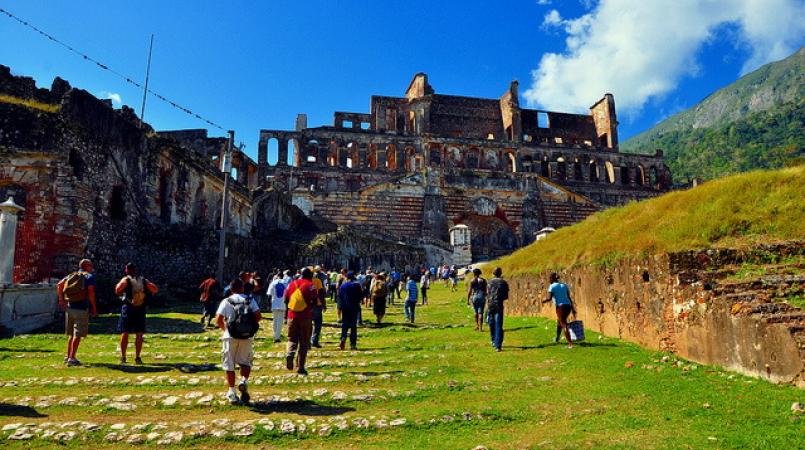
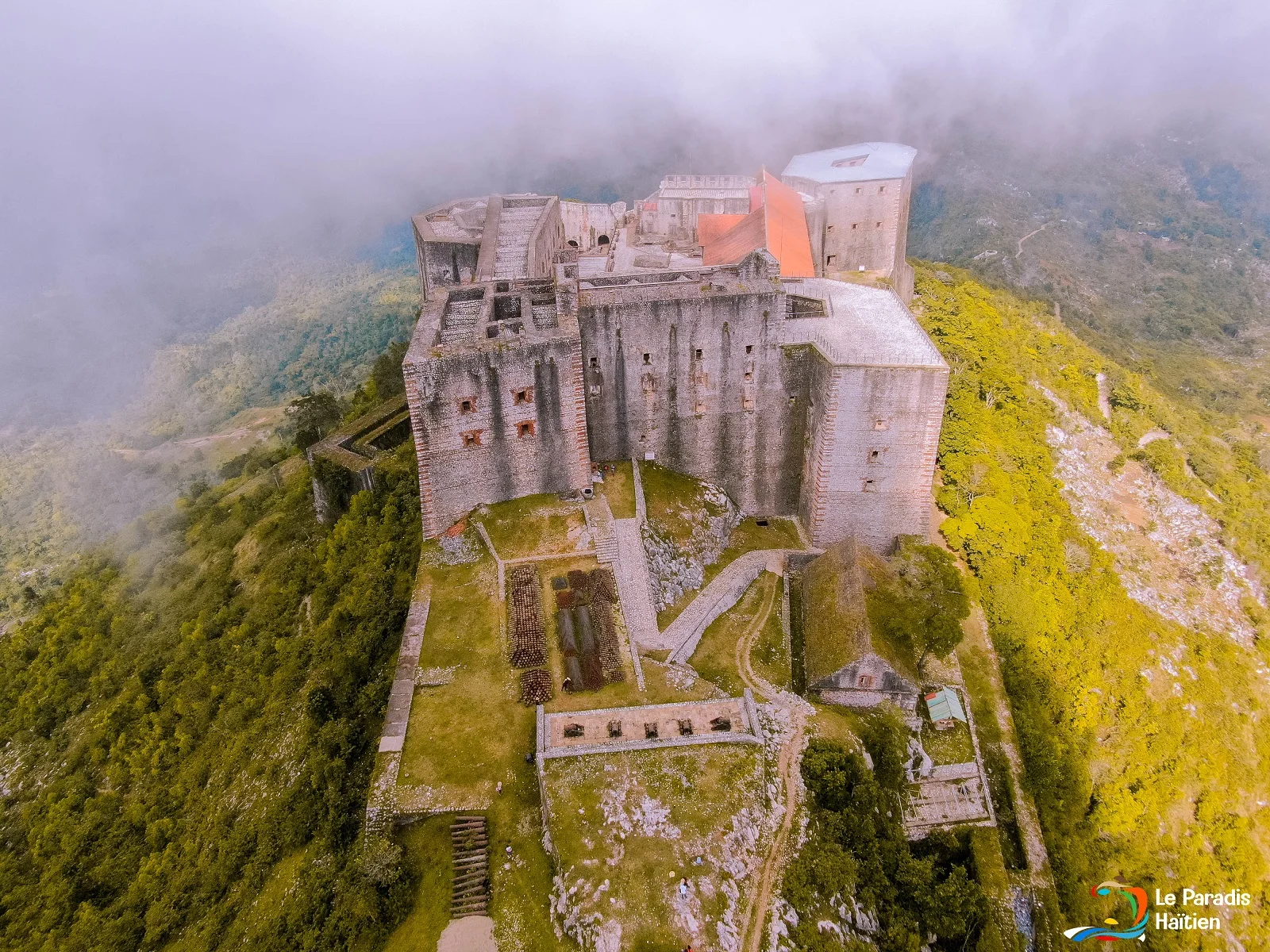
Haïti has a rich historical heritage, including sites like the Citadelle Laferrière and the Sans-Souci Palace, listed as UNESCO World Heritage Sites.

Culture

Culture

Haïti has a rich and diverse culture, influenced by African, European and indigenous elements. Haitian music, dance, art and cuisine are celebrated around the world.

  • +
    • Post