contact@haitiwonderland.com+509 36184317

Discover

Shopping Cart

Christmas in Haiti: Traditions, Festivities and Unique Flavors to Discover

Christmas in Haiti: Traditions, Festivities and Unique Flavors to Discover

Christmas in Haïti is a celebration rich in traditions, festivities and moments of sharing. Unlike other countries, where decorations and lights illuminate the streets during the month of December, Christmas in Haïti is a time of great human warmth, family reunions and cultural events. This article explores the different customs and flavors that make Christmas in Haïti a unique and unforgettable experience.

Haïti
Haïti
Haïti

Christmas Traditions in Haiti: A Family and Spiritual Celebration

In Haiti, Christmas is above all a spiritual celebration. Celebrations generally begin on December 24, Christmas Eve, with a great midnight mass in churches, where Haitians gather to pray, sing Christmas carols and celebrate the birth of Jesus Christ. This mass is a time of contemplation but also of joy, marked by strong community participation.

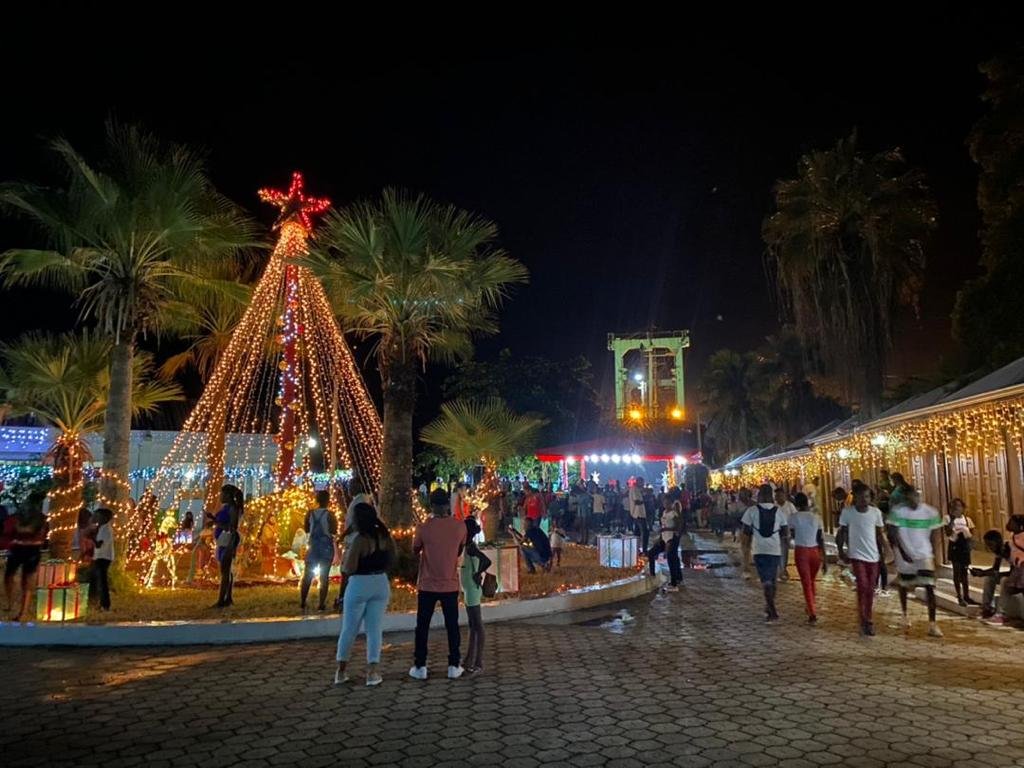
After the mass, it is common to gather as a family to share a hearty meal. Unlike other cultures where the exchange of gifts is central, at Christmas in Haiti, the emphasis is on family unity and sharing. Many families decorate their homes with Christmas cribs, representing the Nativity scene, thus creating a warm and intimate atmosphere.

Children, for their part, eagerly await Santa Claus, even if this tradition is not as widespread as in other countries. However, adults make sure to give them gifts to celebrate this special moment.

Christmas Festivities: Music, Dance and Bonfires

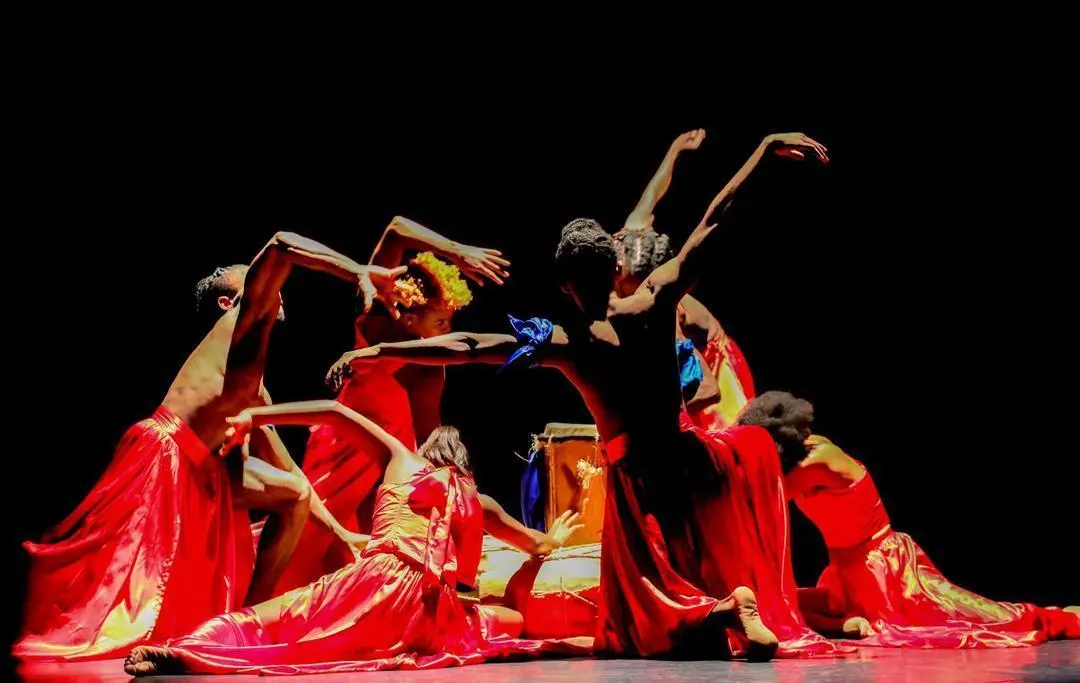
Christmas festivities in Haïti are also marked by music and dance. Bands play traditional Haitian songs, often with instruments like the drum and banjo, which create a festive and lively atmosphere. Christmas celebrations are a time for large gatherings where friends and family come together to sing, dance, and celebrate together.

Bonfires are also an important tradition during the holiday season. These bonfires symbolize the light brought by the birth of Jesus and serve as a gathering point where the community comes together to share, discuss, and have fun. Streets and homes are sometimes decorated with lanterns, and some areas hold parades and outdoor concerts.

Haïti
Haïti
Haïti

The Flavors of Christmas in Haiti: A Feast of Traditional Food

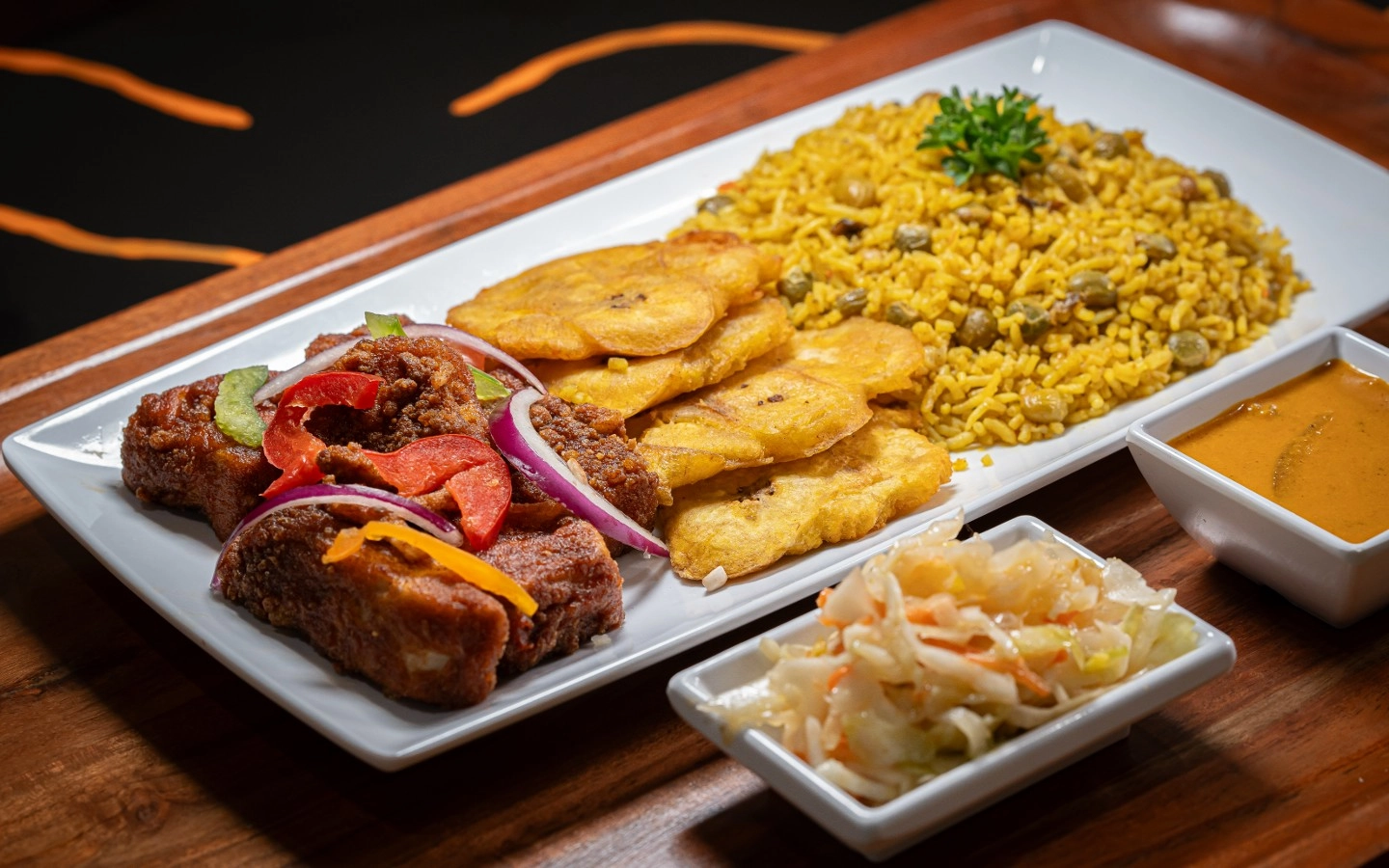
Haitian cuisine plays a central role during Christmas. Meals often consist of rich and varied dishes, carefully prepared for the occasion. Some of the most popular dishes include diri ak pwa (rice and beans), griot (fried pork), and poule en sauce. These dishes are usually accompanied by bananes pesées (fried plantains) and other local vegetables.

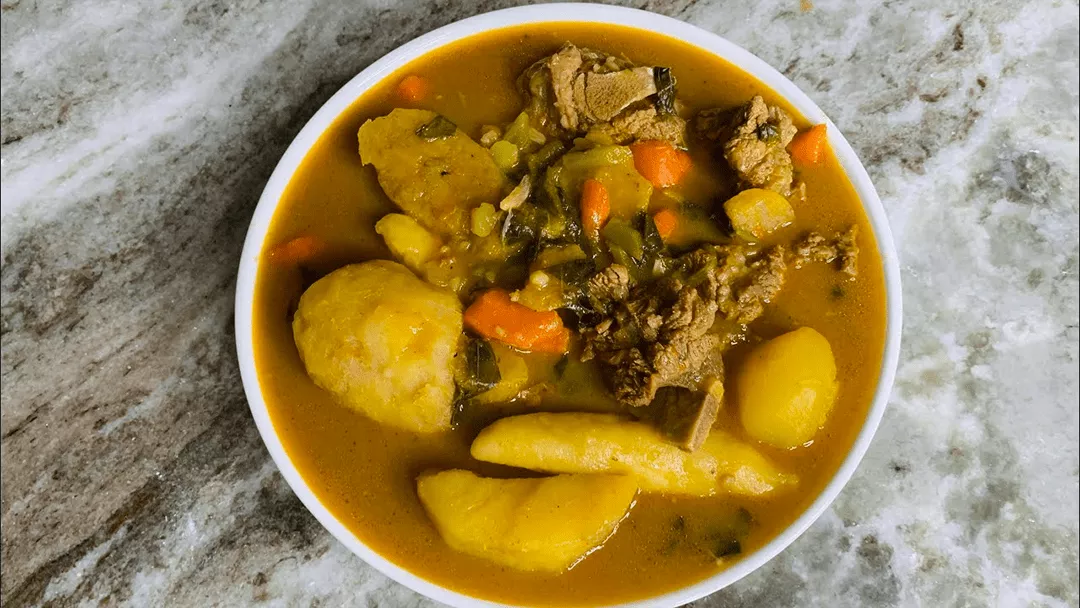
Another iconic Christmas dish in Haïti is soupe au jambon. This traditional dish is often eaten on Christmas Eve, accompanied by homemade bread. Soupe au jambon is a savory dish, rich in flavors and spices, prepared with boiled ham, vegetables, and fresh herbs.

Desserts are also not lacking. Typical sweets include pain patate (a cake made with sweet potatoes, milk, and spices), candied fruits, and homemade chocolate candies. These desserts are often shared during large family gatherings, strengthening the bonds between generations.

Le Makaya, histoire et pratiques vaudouesques en haïti

Le Makaya, histoire et pratiques vaudouesques en haïti

Le Makaya est bien plus qu’une simple fête ; il est un pilier spirituel du vaudou haïtien, une tradition vivante qui lie les croyances ancestrales aux rituels de purification, de guérison et de renouveau. Célébré principalement à la fin du mois de décembre, le Makaya tire ses racines de l’Afrique, en particulier des civilisations bantoues, et se déroule dans un contexte profondément spirituel où les liens avec les ancêtres et les forces naturelles sont essentiels. Le terme "Makaya", qui signifie "feuilles" en Kikongo, est intrinsèquement lié à la nature et aux plantes, éléments essentiels du vaudou. Ce lien direct avec la nature fait du Makaya un moment de purification, où les croyants se connectent à la terre et aux esprits par l’intermédiaire des végétaux. La tradition du Makaya vient des peuples Bantous, principalement du Congo, et de leurs pratiques spirituelles qui ont été transposées, adaptées et enrichies par la diaspora haïtienne pendant la période de l’esclavage. La période du Makaya commence le 21 décembre, lors du solstice d’hiver, une date symbolique marquant la victoire de la lumière sur les ténèbres, le commencement du renouveau solaire. Dans le vaudou, cette époque est perçue comme un moment d’introspection où la nuit la plus longue de l’année se transforme lentement en jour, apportant avec elle des forces purificatrices et régénératrices.

The Spirit of Christmas: Solidarity and Sharing

Christmas in Haïti is also a time of solidarity and sharing. Beyond family festivities, many people take advantage of this period to reach out to those most in need. Charity events are organized throughout the country, where meals are distributed to the poor and homeless, and gifts are given to children from modest families.

Charitable organizations and churches play a central role in this approach, thus recalling the importance of sharing and kindness towards others. In some rural areas, community events are organized so that everyone can participate in this great celebration of humanity and brotherhood.

Haitian Christmas in the Diaspora: A Living Tradition Internationally

Haitians living abroad continue to celebrate Christmas with the same fervor as in their home country. In cities like New York, Montreal, and Miami, the Haitian diaspora organizes parties, community meals, and religious services to celebrate Christmas. These events allow Haitians to keep their cultural and spiritual traditions alive, while passing them on to new generations.

In addition, Christmas also becomes a time to share with other communities, by inviting friends from other origins to taste Haitian culinary specialties and participate in the festivities. This strengthens the ties between different cultures and allows Haïti to shine internationally.

Haiti: The Rara season in Petit-Goâve: A celebration of life, unity and resilience

Haiti: The Rara season in Petit-Goâve: A celebration of life, unity and resilience

As the new season of Rara looms on the horizon, certain groups such as Saint Jacques Majeur, Ratyèfè, Florida Band, Lambi Grand, and Grap Kenèp are already preparing to light up the streets of Petit-Goâve with their flamboyant costumes and their captivating melodies. For these groups, the future looks bright, promising a season full of passion and success. However, other rara bands are still hesitant about which direction to take. Despite these uncertainties, optimism reigns regarding the success of this new season for all rara groups in the commune of Petit-Goâve. Rara, anchored in the Vodou tradition, is much more than a simple artistic manifestation. It embodies the very essence of Haitian culture, highlighting questions of memory, tradition and identity. This increasingly popular form of artistic expression attracts a large audience and arouses unprecedented enthusiasm. Groups like Ratyèfè, Grap Kenèp, Florida Band and Chenn Tamaren, recognized for their ability to delight their fans, play a crucial role in the continued growth of rara in the town. The rara season traditionally begins on Dead Thursday and ends on the night of Easter Sunday or quasimodo Monday. To mark the beginning of this sacred period, groups organize opening ceremonies, honoring the spirits of the deceased in rituals steeped in spirituality. These ceremonies, often held in cemeteries or in the "Bitasyons" of groups, symbolize the deep link between the rara and Vodou traditions.

Haïti
Haïti
Haïti

Christmas in Haiti, A Celebration of Joy and Brotherhood

Christmas in Haïti is much more than a simple religious holiday or a time of consumption. It is a time when family, community and the history of the country come together to celebrate life, love and hope. Between culinary traditions, musical festivities, and a spirit of solidarity, Christmas in Haïti offers a unique and warm experience that is lived on every street corner, at every family gathering, and in every heart of those who celebrate the birth of Christ. It is a celebration of joy, sharing and fraternity that unites all Haitians, whether they are in the country or in the diaspora.

Share
About the Author
Appolon Guy Alain
Appolon Guy Alain
Appolon Guy Alain

Full Stack Developer, Créatif, expérimenté, passionné des nouvelles technologies et de l’art.

See other articles from Appolon Guy Alain
Leave a comment

Recently Posted

Newsletter

Subscribe to our newsletter to stay informed of all our activities and news on Haiti.

Haiti, dream space.

Between dream and Haitian reality: A call for unity and action Many men have dreamed big for Haiti. Toussaint Louverture and Jean Jacques Dessalines are examples. Although torn apart by invisible hands, the social fabric of the country had always been considered the greatest project to be set in motion by men of letters. Until then, the history of Haïti remains and remains for Haitians the most appropriate space to dream and propose full and complete freedom. Indeed, Toussaint Louverture had the dream of improving the lot of slaves. Dessalines, for his part, sacrificed himself for the independence of our island (Haiti-Saint-Domingue). After our liberation from the French, men of letters had to take other paths to safeguard the dignity of the country. This situation showed another form of revolution like poets of the patriotism school with supporters such as: Louis Joseph Janvier, Anténor Firmin, Demesvar Délorme and the Generation of the Round with Fernand Hibbert, Georges Sylvain also the indigenous school with Jean Price Mars, Jacques Stephen Alexis, Roussan Camille etc... who express their discontent by pouring ink. By describing or painting the situation of the country. Several years which were first conceived and then born the idea of ​​giving the country its sovereignty, its own bicolor, its army, etc. it was not easy and did not continue like this. Haïti needs for the moment men of dreams, men who love their countries, but not the wealth of this country, men who love the happiness of their country, but not its misfortunes, men who have viable projects , but are not specialists in carnage who are only interested in their pockets, rather for the happiness of our two-tone, men who must fight against corruption, against waste, against the invisible hands of foreigners, against this form of public administration which targets only a small group of people in the country to the detriment of the population, this form of insecurity planned by the state, the so-called bourgeoisies, economic powers from abroad such as: France, USA, Canada, Brazil. q~Haïti in 1979 with full power. Maître Fevry is said to have declared: The dream of Haïti cannot support, nor accept improvised solutions ~q. The Haitian’s dream must always be a team effort. A team of men of skill, vision, good will, reflection and meditation. q~ Men who can place their personal and private interests over public interests. Men who want to make a new start to achieve the dream of Jean Jacques Dessalines and that of Henri Christophe who aimed that Haitians will not envy any other country in the world so that all Haitians can be happy in their own country, chanted Professor Lesly Saint Roc Manigat.~q Our dear Haiti, which was once the pearl of the Antilles, is no longer present today. For this we ask all Haitians: children, young people, adults and old people, let us unite our arms, our strength, our voices and all that we could do to liberate our dear homeland Haïti Chérie. Let’s change our reality together! Long live Haiti, long live freedom for the whole world.

Recently Posted

History

History

First black nation to free itself from slavery and gain independence from France in 1804 and influenced other liberation movements around the world, inspiring struggles for freedom and equality.

Natural beauty

Natural beauty

Haïti is blessed with spectacular natural landscapes, including white sand beaches, mountains and rich biodiversity.

Heritage

Heritage

Haïti has a rich historical heritage, including sites like the Citadelle Laferrière and the Sans-Souci Palace, listed as UNESCO World Heritage Sites.

Culture

Culture

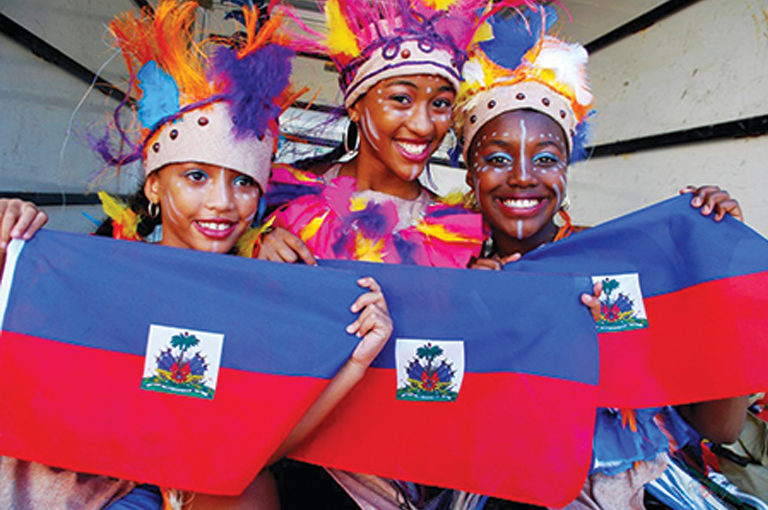
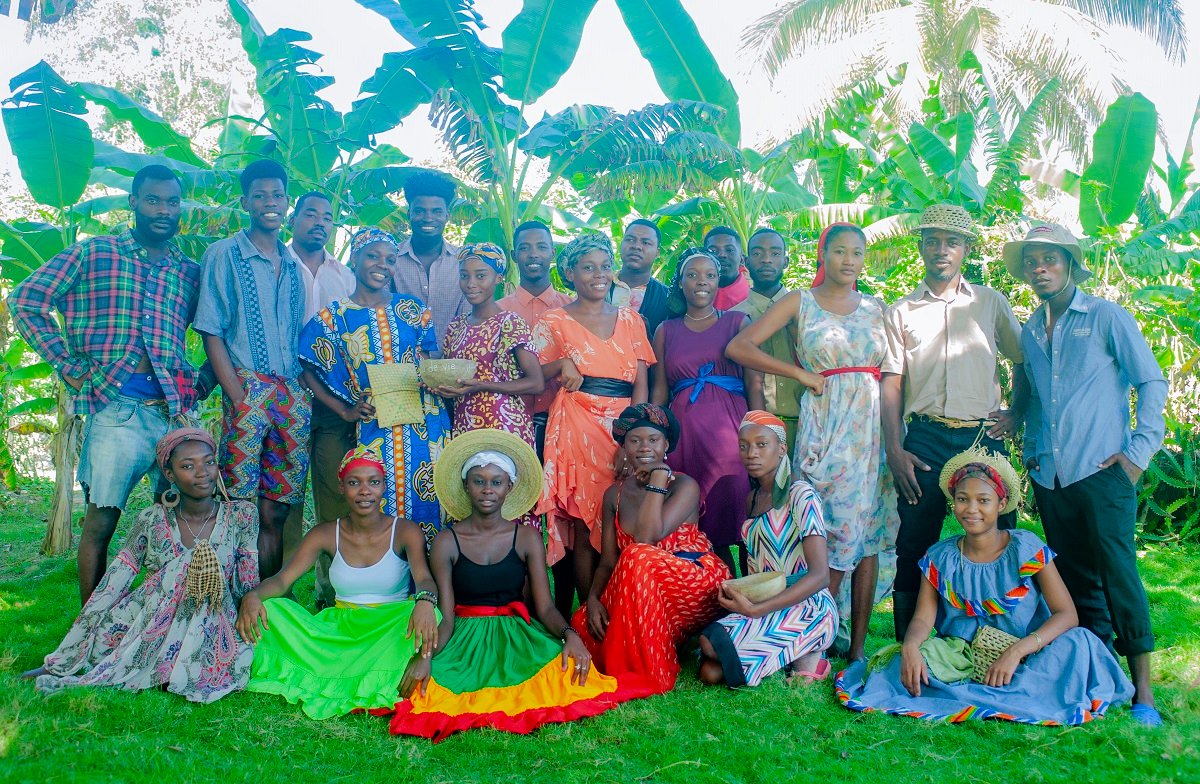
Haïti has a rich and diverse culture, influenced by African, European and indigenous elements. Haitian music, dance, art and cuisine are celebrated around the world.

  • +
    • Post