The Haitian flag is much more than just a national emblem. It is a symbol of the struggle for independence, cultural identity, and the resilience of a people. Every year on May 18, Haitians come together to celebrate their flag with a unique fervor. This article explores the significance of this day and the different ways it is celebrated across the country.
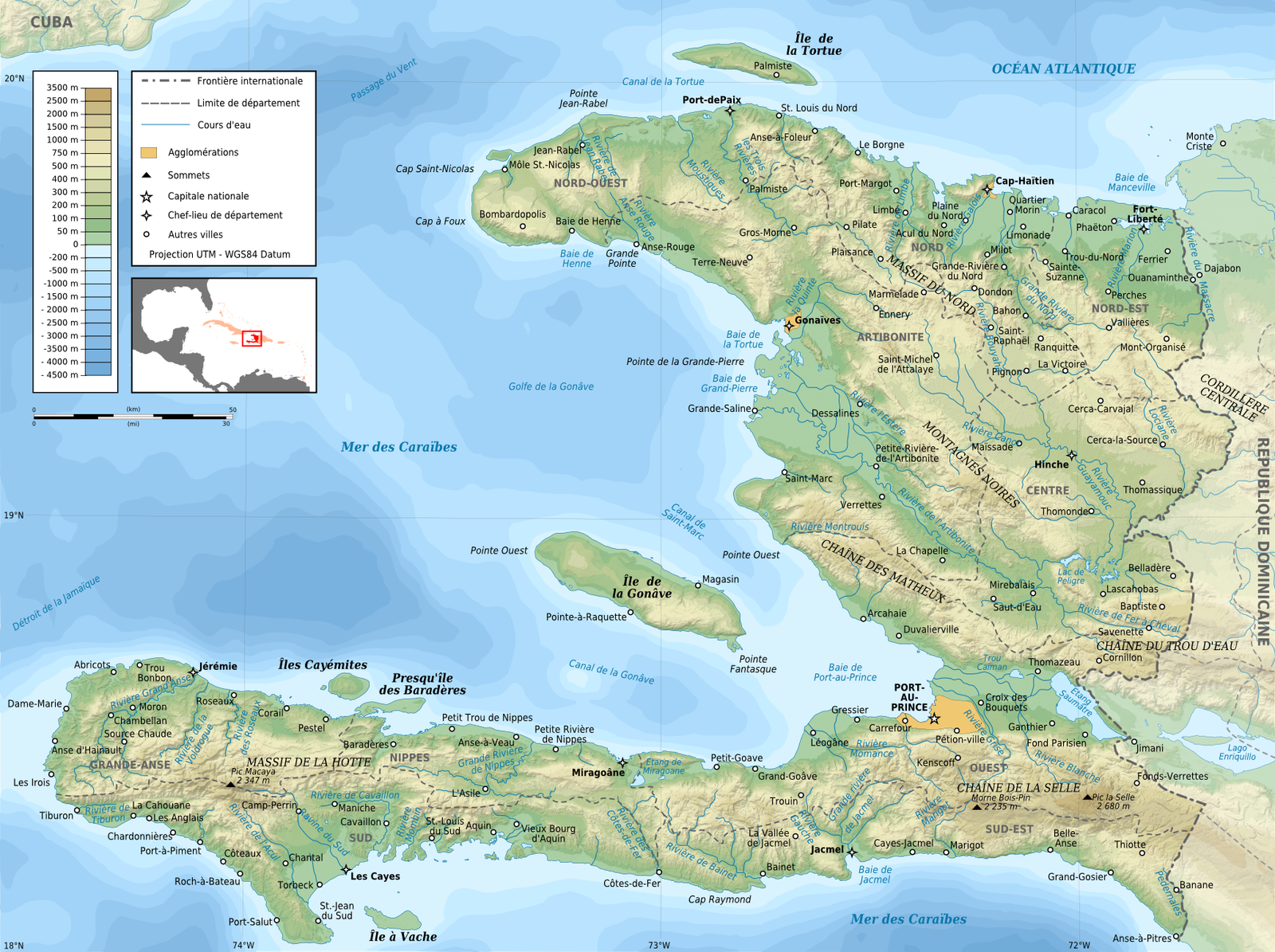
The Haitian flag was born on May 18, 1803, during the Congress of Arcahaie. On this occasion, the leaders of the Haitian revolution, including Jean-Jacques Dessalines and Catherine Flon, created the first flag by removing the white stripe from the French tricolor. They kept the blue and red stripes, symbolizing the union of Blacks and Métis in the fight against colonial oppression.
The flag therefore represents unity, freedom, and national pride. May 18 is celebrated as Flag Day, a key date to honor this historic achievement.
The celebration of the flag in Haïti is marked by vibrant festivities and solemn ceremonies. Here are some of the highlights of this day:
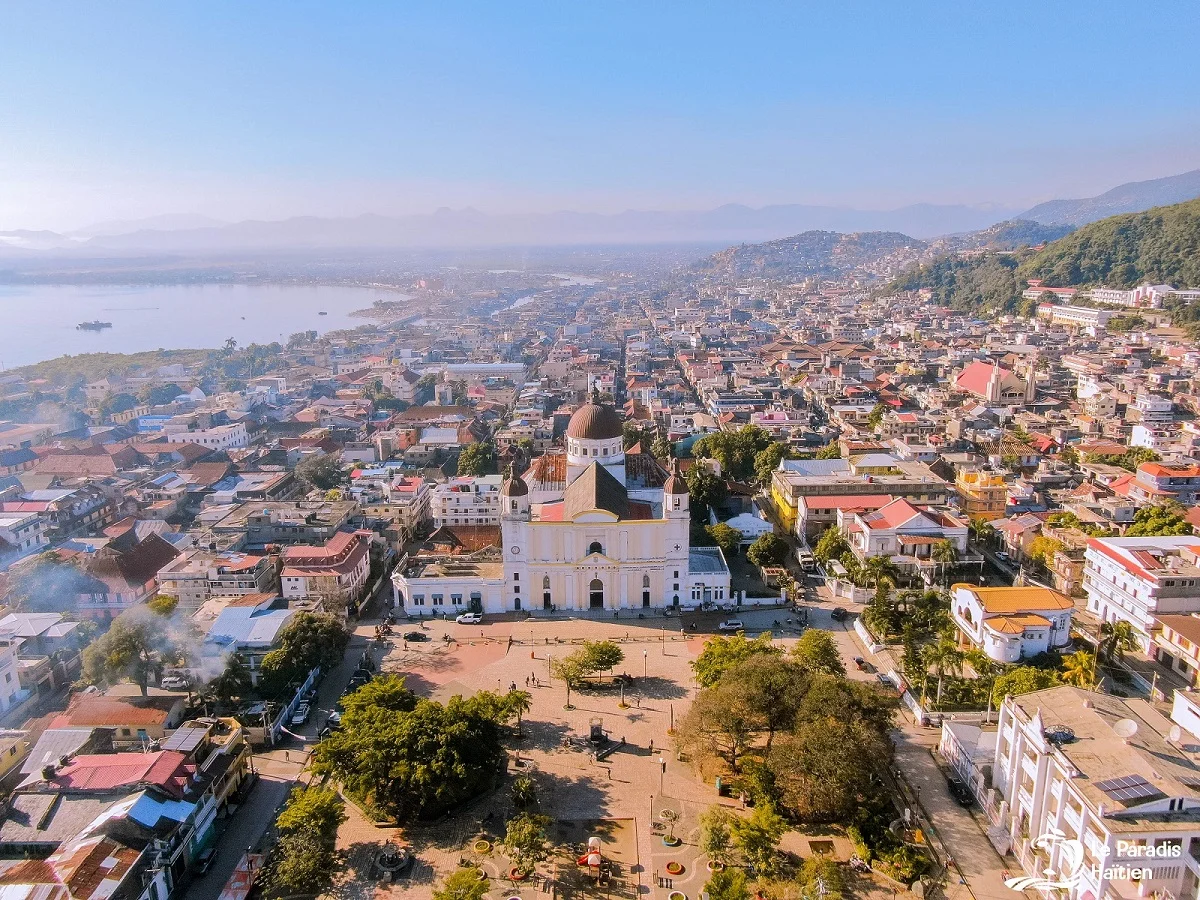
- Official ceremonies: May 18 often begins with formal ceremonies in major cities such as Port-au-Prince, Cap-Haïtien, and Arcahaie, the birthplace of the flag. Patriotic speeches are given by authorities to recall the history and importance of this day.
- Parades: Military and civilian parades march through the streets, with bands playing national anthems and folk groups proudly displaying the blue and red colors. - Cultural Activities: Schools, universities and community organizations organize shows that highlight Haitian culture, with dances, songs and plays that recount the key moments of the revolution.
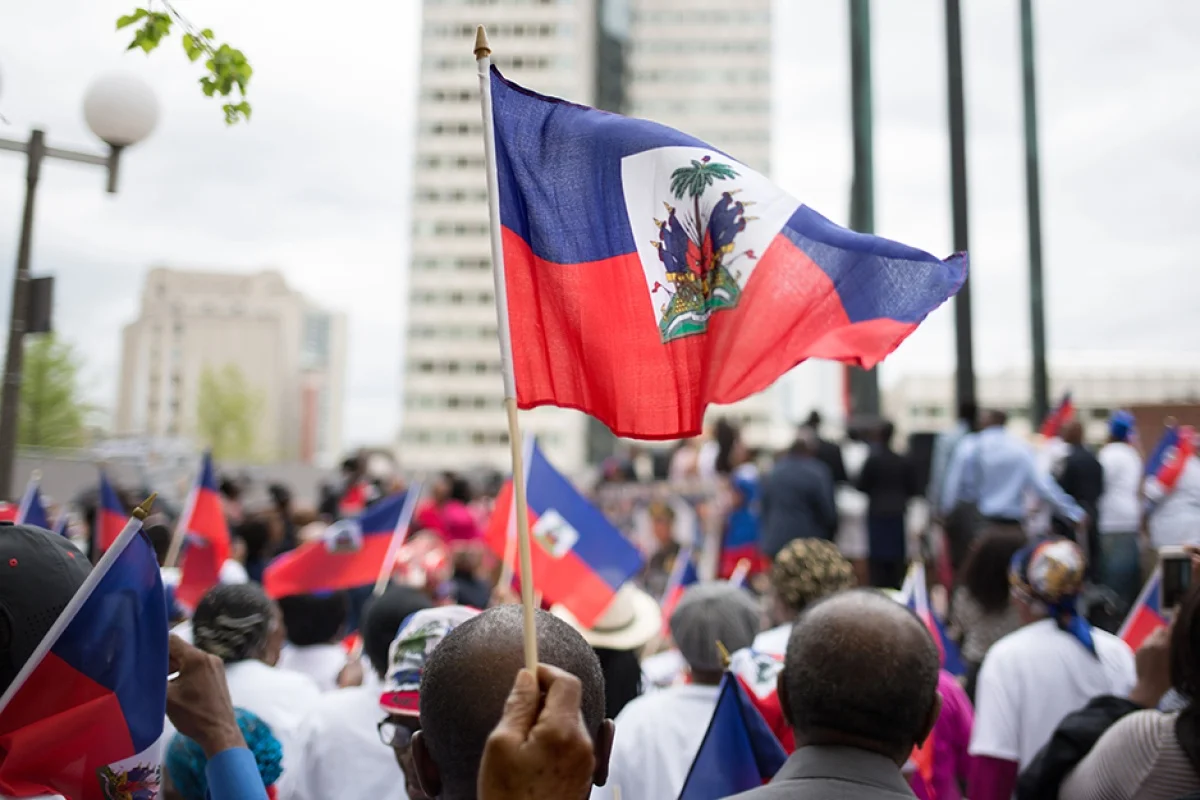
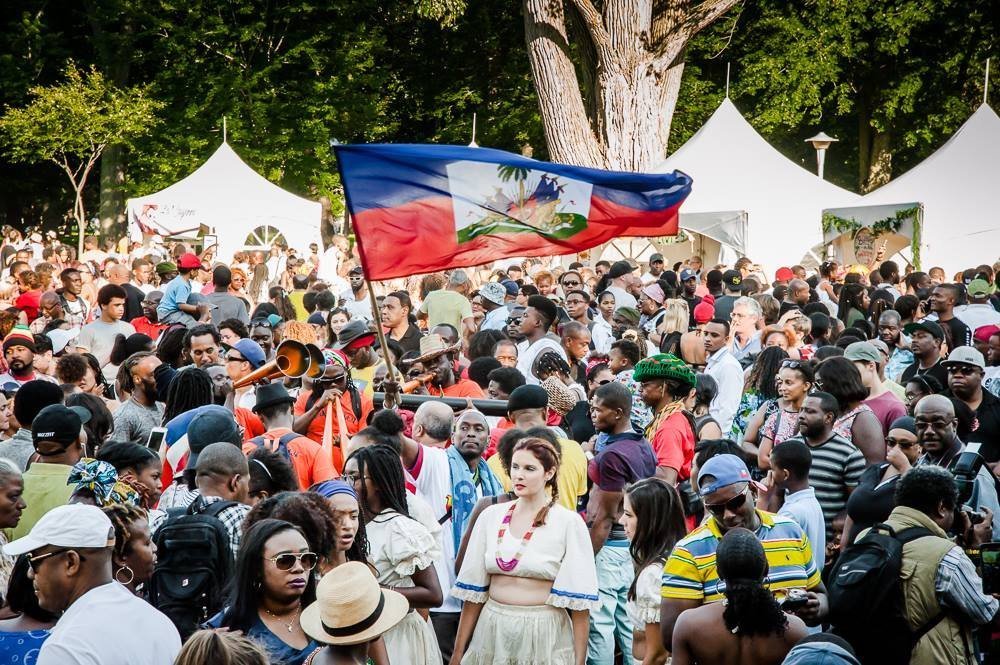
Flag celebrations are not limited to Haiti’s borders. In Haitian diaspora communities, such as those in Miami, New York, Montreal, and Paris, similar events are held to honor this day.
Haitians living abroad proudly display the colors of their flag in parades, concerts, and cultural gatherings, showing their deep attachment to their homeland. These festivities strengthen the bonds between Haitians around the world and their shared history.
May 18 is not just a day of celebration: it is a day of reflection and celebration of Haitian identity. Through festivities, ceremonies, and gatherings, the Haitian people honor their history while affirming their commitment to a stronger, more united future.
In Haïti and abroad, celebrating the flag is celebrating the very essence of what it means to be Haitian: proud, resilient, and deeply rooted in a rich and inspiring history.
Share
About the Author
Appolon Guy Alain
Appolon Guy Alain
Full Stack Developer, Créatif, expérimenté, passionné des nouvelles technologies et de l’art.
First black nation to free itself from slavery and gain independence from France in 1804 and influenced other liberation movements around the world, inspiring struggles for freedom and equality.
Natural beauty
Haïti is blessed with spectacular natural landscapes, including white sand beaches, mountains and rich biodiversity.
Heritage
Haïti has a rich historical heritage, including sites like the Citadelle Laferrière and the Sans-Souci Palace, listed as UNESCO World Heritage Sites.
Culture
Haïti has a rich and diverse culture, influenced by African, European and indigenous elements. Haitian music, dance, art and cuisine are celebrated around the world.


































Merci 😘😙😘
21 Me 2025 | 06:19:09 PM