contact@haitiwonderland.com+509 36184317

Discover

Shopping Cart

What is the Most Beautiful Beach in Haiti?

What is the Most Beautiful Beach in Haiti?

Haiti, nicknamed the pearl of the Caribbean, is full of idyllic beaches with crystal clear waters and breathtaking landscapes. But among these natural treasures, one question often comes up: what is the most beautiful beach in Haiti? Although the choice depends on each person’s tastes, some beaches stand out for their exceptional beauty and unique charm.

Haïti
Haïti
Haïti

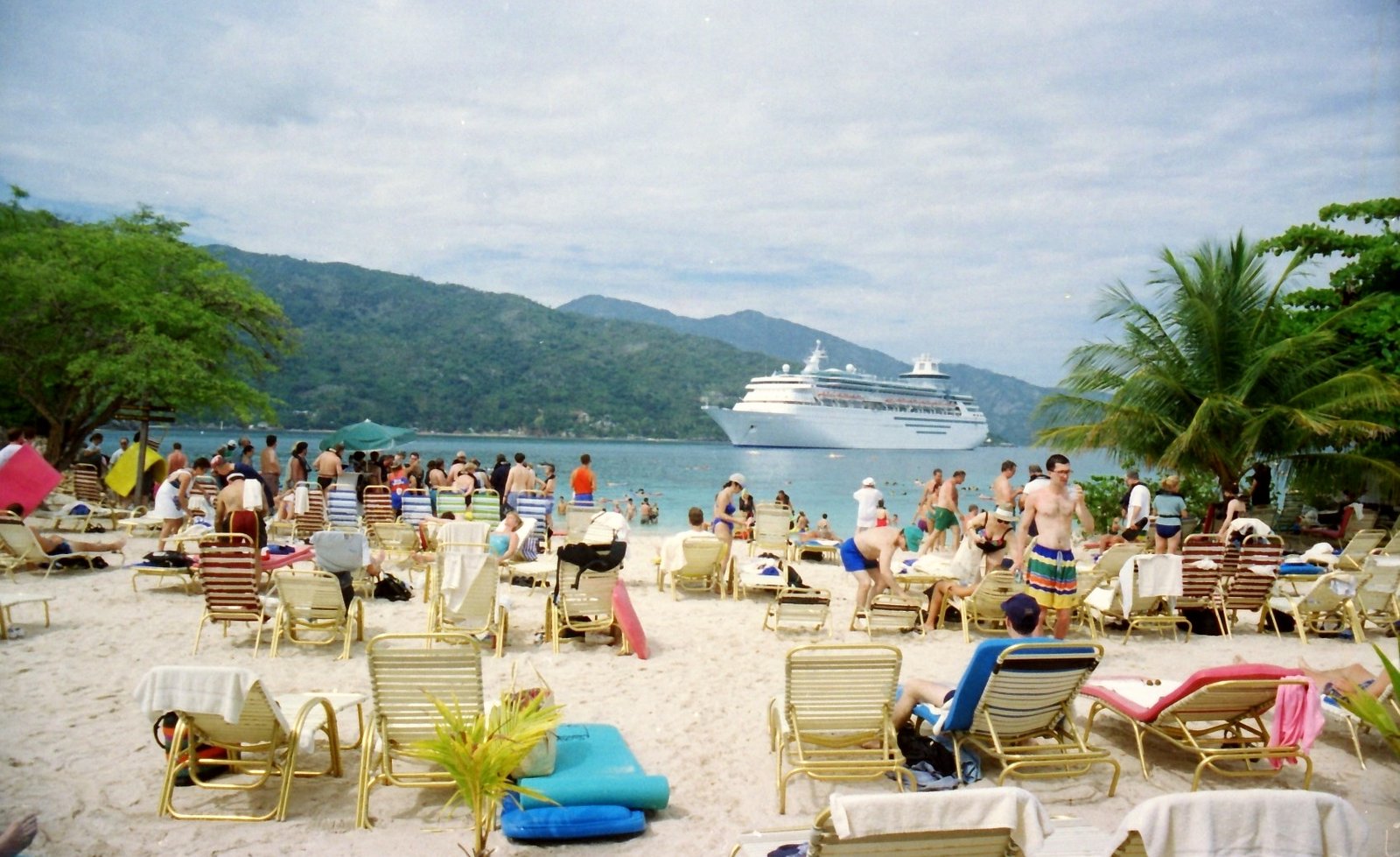
Labadie: An Unmissable Icon

Located in the north of the country, a few kilometers from Cap-Haïtien, Labadie is often considered one of the most beautiful and famous beaches in Haiti. This tropical jewel offers a heavenly setting, with its fine white sand, turquoise waters and green hills as a backdrop.

Haïti
Haïti
Haïti

Why is Labadie so special?

1. Tourist attractiveness: Labadie is a popular destination for cruise passengers from all over the world. It welcomes thousands of visitors each year thanks to Royal Caribbean, which has built world-class facilities there.
2. Diverse activities: Between snorkeling, kayaking, ziplining over the sea and artisan markets, Labadie offers a complete experience for travelers.
3. Natural beauty: Its peaceful lagoon and secluded coves make it a perfect place to relax and admire the splendor of the Caribbean.

Haïti
Haïti
Haïti

Other Beaches to Discover in Haiti

While Labadie is an undisputed star, Haïti has many other beaches that are just as sublime.

Haïti
Haïti
Haïti

Cormier Plage

Renowned for its peaceful ambiance, pristine golden sand and crystal clear turquoise waters. It is an ideal place to relax, offering visitors a quiet getaway surrounded by lush greenery and magnificent coastal views.

The beach is part of Cormier Plage Resort, which offers a variety of accommodations, dining options, and activities like snorkeling and kayaking. The area is also rich in culture and history, with nearby landmarks like Citadelle Laferrière and Palais Sans-Souci offering opportunities to explore Haitian heritage.

Cormier Plage is perfect for those seeking a serene retreat with a touch of adventure and historical discovery.

Haïti
Haïti
Haïti

Royal Decameron Indigo Beach Resort & Spa

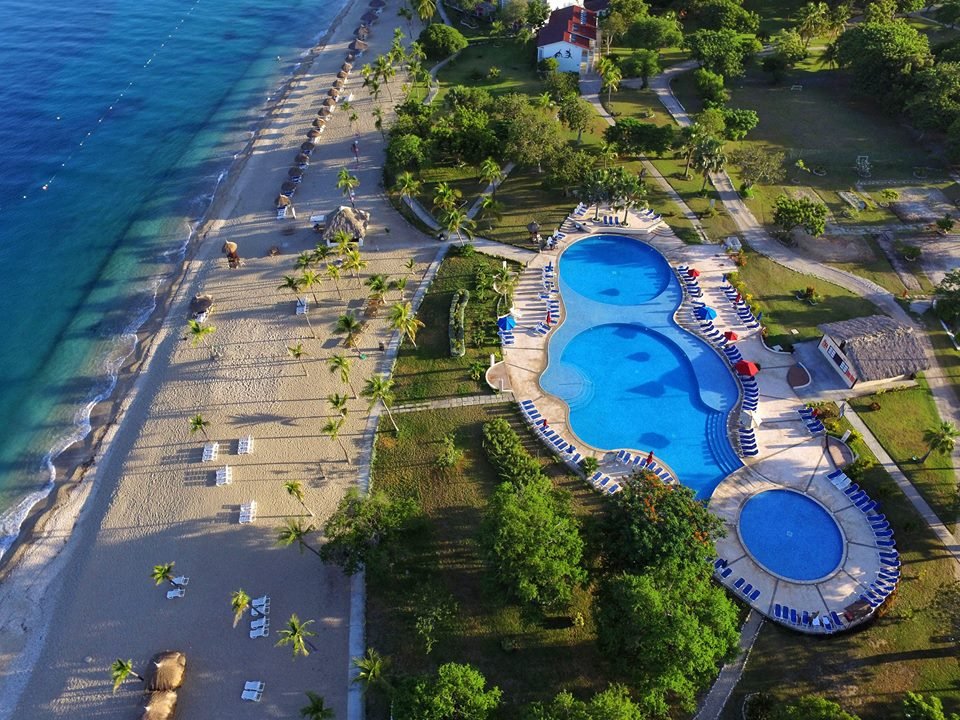
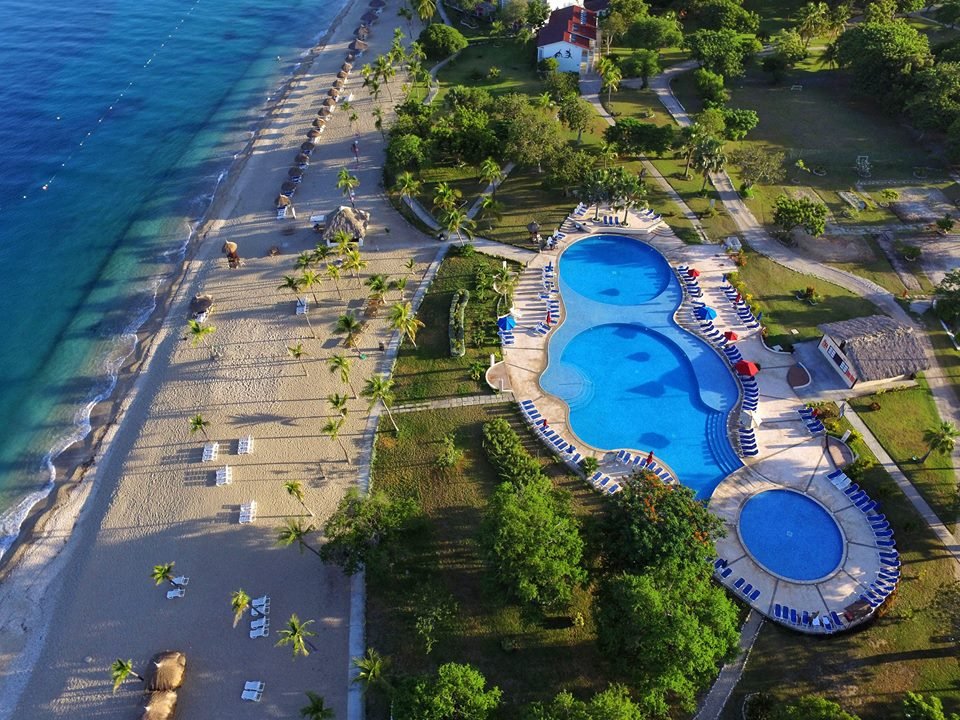
Royal Decameron Indigo Beach Resort & Spa is one of Haiti’s most popular destinations for a relaxing and memorable vacation. Located in Montrouis on the Côte des Arcadins, this all-inclusive resort offers a unique experience, blending modern comforts, natural beauty, and local culture.

Paradise Beach: With a long stretch of fine sand and turquoise waters, the beach is perfect for relaxing or practicing water activities.

Modern Facilities: The resort has several swimming pools, restaurants, bars, and a spa offering various relaxing treatments.

Varied Activities: Visitors can enjoy water sports, cultural shows, theme nights, and activities for the whole family.

International and Local Cuisine: The resort offers a mix of Haitian and international dishes, allowing visitors to discover local flavors.

Strategic Location: The Côte des Arcadins is ideal for exploring the surrounding attractions, such as the Arcadins Islands and the craft markets.

The Royal Decameron Indigo is a perfect destination for couples, families, and groups of friends looking for a tropical getaway that combines relaxation and cultural discovery.

Here are five compelling reasons why you should definitely visit Haiti’s beaches

Here are five compelling reasons why you should definitely visit Haiti’s beaches

1- Abaka Bay (Île-à-Vache): Start your Haitian adventure with the magnificent Abaka Bay, recently named one of the most beautiful beaches in the world by CNN. Located on the enchanting island of Île à Vache, this bay offers a pristine white sand beach and calm Caribbean waters, framed by lush green hills. Abaka Bay Resort offers a truly exclusive and secluded experience, with bungalows located directly on the beach, offering panoramic views and direct access to the fine sand and crystal clear sea. The dining options are equally impressive, with one restaurant offering breathtaking ocean views and epic sunsets. To get to Île à Vache, simply take a 15-20 minute boat ride from Les Cayes, located off the southern coast of Haiti. 2- Île à Rat (Amiga Island): As soon as you set foot on Île à Rat (also known as Amiga Island), this little slice of paradise will steal your heart. Its smooth white sand beach immediately catches the eye, while gentle waves create a dreamy oasis against the pearly shore. Located in the turquoise waters off the coast of Plaine du Nord in northern Haiti, Île à Rat is a 1.8 hectare piece of white coral covered in a small wild forest. The island is a peaceful retreat, especially for couples looking for a serene getaway. To get to Île à Rat, you can take one of the many water taxis waiting in Labadee, a 30-minute drive from Cap-Haïtien. Keep in mind that the island is uninhabited, so it is important to bring everything you need for a comfortable stay, including drinking water. 3- Côtes des Arcadins: Nestled north of the bay of Port-au-Prince, Côtes des Arcadins stretches over 19 kilometers of white sand beaches lined with palm trees, making it one of the most popular seaside destinations from Haiti. The combination of the deep blue sea, mountains, mangrove forests and the coral reef formed by the Arcadins islets creates a breathtaking spectacle. It is also a great place for divers. To get there, follow the road north of the bay of Port-au-Prince. You will be amazed by the natural beauty of this region. 4- Plage de Gelée: This beach is one of the most popular thanks to its crystal clear waters and soft sand, all with a pastoral landscape in the background. If you are looking for a place to relax and soak up the sun, Gelée Beach is a great choice. 5- Jacmel Beach: Although swimming is not recommended here, Jacmel Beach is famous for its picturesque charm and artistic atmosphere. It is located in the historic town of Jacmel, known for its lively carnival and colorful houses. Explore the beach, admire the architecture and soak up Haitian culture. Don’t forget your swimsuit and sunscreen, and enjoy these hidden treasures of Haiti! 🏖️☀️

Haïti
Haïti
Haïti

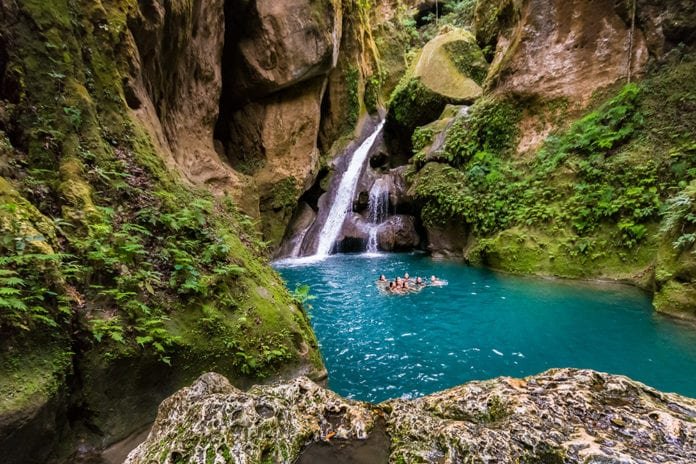
Bassin Bleu

Bassin Bleu is one of Haiti’s most spectacular natural wonders, located near the city of Jacmel in the southeast of the country. This set of waterfalls and natural pools with turquoise blue waters is surrounded by lush vegetation, creating an enchanting and peaceful setting, perfect for a nature getaway.

Three main pools:

Bassin Clair: The most famous and spectacular, renowned for its crystal clear waters.

Bassin Bleu: Which gives its name to the site and impresses with its magical atmosphere.

Bassin Palmiste: A quieter place, ideal for those seeking tranquility.

The path to reach Bassin Bleu involves a short hike through nature trails, often with the help of local guides. This route adds a touch of adventure to the visit.

A descent along a rock using a rope leads to the main pool.

Activities:

Swimming: The cool waters of the pools are ideal for a relaxing swim.
Water jumping: For the more adventurous, it is possible to dive into the pools from high points.
Photography: The site is incredibly photogenic, with its contrasts between the blue waters and the surrounding greenery.
Proximity to Jacmel:

After the tour, you can explore Jacmel, famous for its colonial architecture, crafts and artistic ambiance.

Bassin Bleu is a must-see destination for nature lovers and those who want to discover a unique and magical side of Haiti.

Haïti
Haïti
Haïti

Labadie, the Star of Haitian Beaches

If you are looking for the most iconic and accessible beach in Haiti, Labadie is a safe bet. However, the country is full of other gems to explore, each offering a unique experience. From the secluded beaches of Île-à-Vache to the creative energy of Jacmel, Haïti proves that it is a premier beach destination in the Caribbean.

Share
About the Author
Appolon Guy Alain
Appolon Guy Alain
Appolon Guy Alain

Full Stack Developer, Créatif, expérimenté, passionné des nouvelles technologies et de l’art.

See other articles from Appolon Guy Alain
Leave a comment

Recently Posted

Belle-Anse, a village between tradition, nature and tourist potential

Nestled in the southeast of Haiti, Belle-Anse is a destination that fascinates with its natural beauty and rich history. This small town, still often ignored by major tourist routes, is full of treasures that deserve to be discovered. Its wild beaches, its imposing mountains and its unique historical heritage make Belle-Anse a hidden pearl, ready to seduce travelers in search of authenticity and tranquility. Belle-Anse, founded in the 18th century, still bears the traces of its past. Its history, marked by changes of names and identity, bears witness to the political and social upheavals that have given the region. From the colonial era to the birth of the Republic, each corner of the city tells a part of the history of Haiti. This rich past is combined with a vibrant cultural life, where local festivals, such as the celebration of the Patron Saint every December 10, offer an authentic glimpse into the lives of the inhabitants. The historical remains scattered throughout the city are not only a reminder of the era of colonization, but also of the struggles for independence. These witnesses of the past, combined with a calm and preserved atmosphere, make Belle-Anse a place where history and nature intertwine harmoniously. What distinguishes Belle-Anse is undoubtedly its spectacular natural environment. Ultimately, these beaches before the deserts invite you to relax. Lagan Beach, lined with palm trees and crystal clear waters, offers an idyllic setting for lovers of wild nature, far from the crowds of more frequent tourist destinations. The nearby Bay of Jacmel is a true natural bliss, promising moments of calm and escape. The city is also surrounded by majestic mountains, ideal for those who wish to explore the Haitian landscapes on foot, while discovering a unique biodiversity. While Belle-Anse’s natural resources are rich, they are also fragile, and preserving these areas remains an important issue for the future of the region.

Newsletter

Subscribe to our newsletter to stay informed of all our activities and news on Haiti.

Haiti: A look back at the First Rara Weekend in Petit-Goave

Haitian culture is a true treasure, woven from the creativity of its artists, its rich heritage and the diversity of its cultural expressions. Among these cultural gems, the rara stands as a true national emblem, uniting Haitians through its captivating rhythms and centuries-old traditions. During the first Rara weekend, this very essence of Haitian culture shone brightly, revealing palpable social cohesion. Despite the absence of law enforcement, tranquility reigned in Petit-Goâve, testifying to the ability of citizens to come together in peace and conviviality. However, media attention was mainly focused on the first plain, leaving a certain imbalance in the coverage of the festivities. Ratyèfè, three-time reigning champion, once again captivated minds with his talent and artistic mastery, offering an unparalleled spectacle. But his rival, Lambi gran dlo, was not to be outdone, displaying a determination to compete for first place. The event was also marked by unfortunate incidents, reminding us that despite the beauty of tradition, tensions can arise. Clashes between fans of different groups tarnished the festive atmosphere, highlighting the need for careful management of celebrations to avoid such excesses. At the heart of this musical competition, where each group aspires to recognition and victory, a complex picture of rivalries and alliances emerges. Chenn tamarin, although appearing asleep in the first moments, shows signs of waking up, ready to shake up the established order. On Sunday evening, Lambi gran dlo honored the memory of one of its loyal supporters, while Grap Kenèp was the scene of violence between fans, recalling the fragility of social cohesion when passion runs wild. In this whirlwind of emotion and competition, it is crucial to keep in mind that it is the journalist who must look to the events, and not the other way around. This is how we draw up the first ranking for this first weekend: 1. Ratyèfè 2. Lambi grand dlo 3. Chenn tamarind Beyond the results, it is the preservation of unity and mutual respect that must remain at the heart of these celebrations, making the rara not only a musical festival, but above all a symbol of the wealth and resilience of the people Haitian.

Haiti: Carnival and Rara: Crossed Perspectives on Culture and Haitian Identity

In our tradition, carnival represents an essential cultural activity. Indeed, for the holding of it this year, the State had drawn from the public treasury not only a huge sum but also a strong concentration of law enforcement to ensure the protection and security of carnival-goers in the area. metropolitan. Despite numerous criticisms and concerns expressed by certain media on the one hand, then on the other hand by the democratic opposition. While it is true that in Port au Prince these concerns had had a no less valuable consequence on the progress of this festivity. It is no less true that this was the case in other provincial towns, as proof in the southeast department the authorities did not record anything as an element of accident or incident during the progress of the carnival unlike Port au Prince. Certainly, socio/economic problems are increasingly worrying, nevertheless what makes us what we are today, a free and independent people is none other than our exceptionality. This deeply expresses our intrinsic characteristic in relation to people. In fact, historically we are a people who laugh and cry, smile and irritate, dance and hit the system, sing and fight so well that "grenadya alaso sa ki mouri zafè ya yo" is the most emblematic song of the slaves for the conquest of our freedom. We do not intend to claim that those who expressed their disagreement with the carnival are showing a historical deficit. However, we leave in the shadows a fundamental question: why is carnival taken care of by the State while the rara is like an abandoned child? The rara is not only a simple cultural tradition but, above all, it is the heritage of our valiant warriors who bravely fought the French expeditionary army, the most powerful of the time. While, this mass cultural, she is still marginalized by state authorities. It is emphasized that social cohesion is the dead point of carnival. On the other hand, this is the strong point of rara. As proof, the Thursday of the Dead in our Voudouesque tradition which represents the opening ceremony for the rara bands is the blatant testimony of this social cohesion. And, in fact, there were circles of people who took divergent directions to attend the opening ceremony of their rara bands. For this opening ceremony the atmosphere was a taste of carnival in terms of color. On the side of Croix Hilaire, for the title champion Ratyèfè full force band, the color of his club was very diverse, a long dress of apricot yellow, mauve white, then white scarf. In terms of performance, this band had completely proven its champion skills thanks to its arsenal of musicians who were not in their testing phase. To tell the truth, they performed their note with surgical precision as a doctor-surgeon in his surgical procedure. The synchronization between the musicians, the instruments and then the fans form a whole and harmonize perfectly well. This band not only has the magic of words and verbs, it seems that they also have the magic to thrill even the most reluctant fans. Moreover, his performance for this dead Thursday was a challenge for his rivals this weekend to the extent that their performances were less good. On the symbol side of light, Grap Kenèp was the wonder of the Thursday evening of the dead. His club dressed in the appropriate color for this evening, purple scarf, purple jersey, then white “kolan”. In a symbolic way, this marriage of color represents Baron in Haitian Vodou. Without a doubt, it was the most beautiful symbolic representation of the evening. In terms of performance, returning from the cemetery we felt a very strong warmth of jubilation, elation, and playfulness for a completely balanced performance. As far as Chenn Tamarin is concerned, it was already 2 a.m. when our team met him, it was a less good performance than what we were accustomed to. On the symbolic side it leaves something to be desired. His news was that he had his own media. Petit-Goave/Culture and Society

Recently Posted

History

History

First black nation to free itself from slavery and gain independence from France in 1804 and influenced other liberation movements around the world, inspiring struggles for freedom and equality.

Natural beauty

Natural beauty

Haïti is blessed with spectacular natural landscapes, including white sand beaches, mountains and rich biodiversity.

Heritage

Heritage

Haïti has a rich historical heritage, including sites like the Citadelle Laferrière and the Sans-Souci Palace, listed as UNESCO World Heritage Sites.

Culture

Culture

Haïti has a rich and diverse culture, influenced by African, European and indigenous elements. Haitian music, dance, art and cuisine are celebrated around the world.

  • +
    • Post