contact@haitiwonderland.com+509 36184317

Discover

Shopping Cart

Is Haïti part of Africa?

Is Haïti part of Africa?

Haiti, an island located in the Caribbean, is not geographically or politically attached to Africa. However, despite the distance and geographical differences, Haïti and Africa share an extremely strong historical, cultural and spiritual bond, forged by centuries of shared history, including the slave trade, colonization and the struggle for freedom. So, is Haïti part of Africa? Let’s explore this question from different angles, highlighting the African roots that shape Haïti to this day.

Haïti
Haïti
Haïti

A Shared History: The Legacy of the Slave Trade

Haiti, formerly known as Saint-Domingue, was a French colony that thrived on sugarcane and coffee plantations. However, the island’s economic growth was largely based on the exploitation of millions of African slaves who were deported to the Americas during the transatlantic slave trade. Between the 17th and 19th centuries, these slaves, who came from various regions of West and Central Africa, were forced to work in appalling conditions on the plantations of Saint-Domingue.

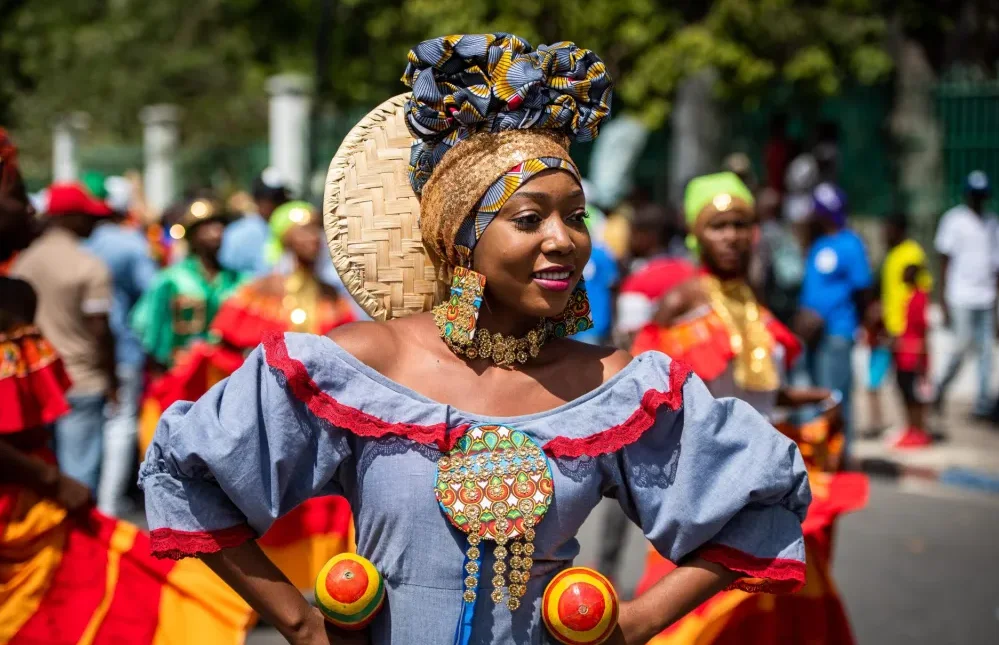
Modern Haitian culture, particularly its religious beliefs, musical traditions, dances, and rituals, has its roots in African cultures. Although Africans were reduced to the status of slaves, they resisted by maintaining many practices and beliefs that have survived through the centuries, becoming fundamental elements of Haitian identity.

Haïti
Haïti
Haïti

Haïti and Africa: A Common Struggle for Freedom

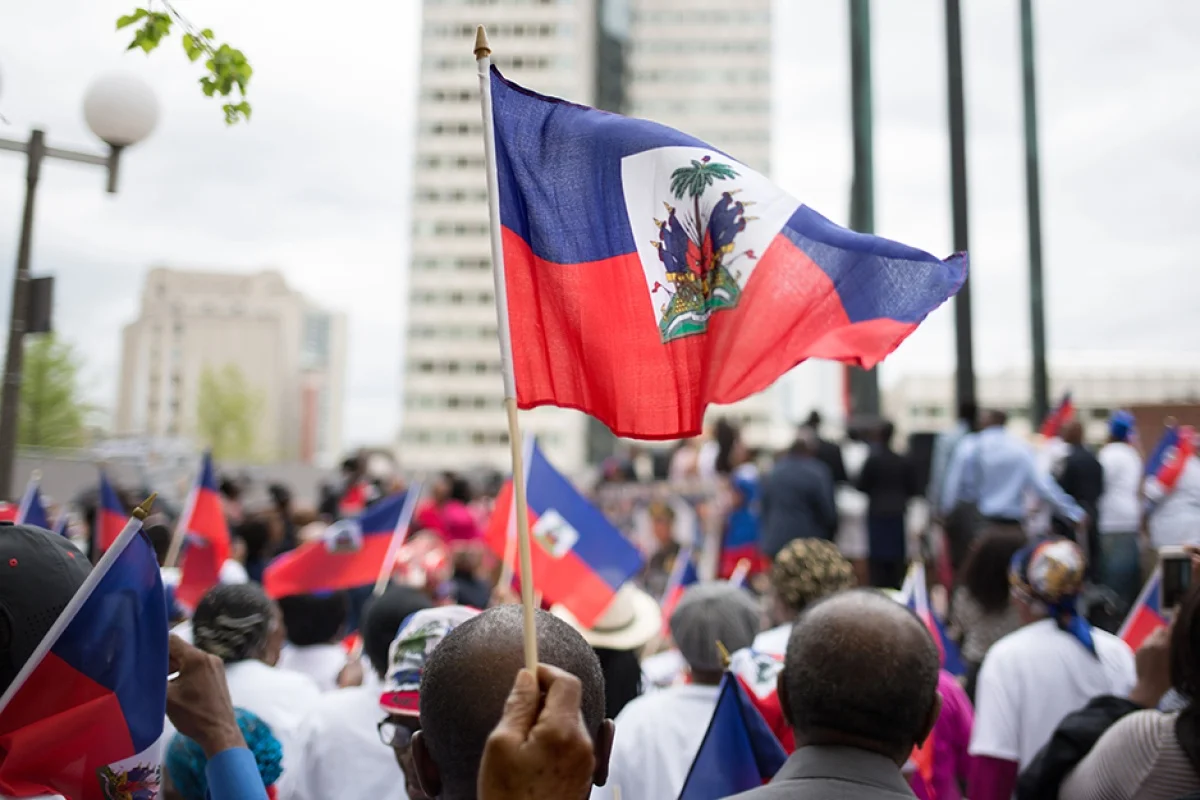
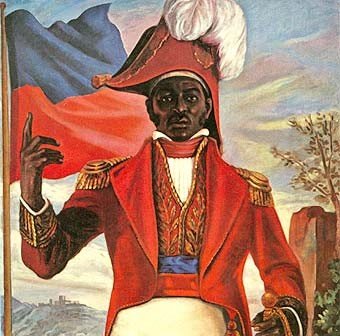
One of the most significant aspects of the relationship between Haïti and Africa is the history of the Haitian Revolution, the only successful slave revolt that resulted in the creation of an independent republic. In 1804, Haïti became the first independent country in Latin America and the Caribbean and the first black republic in the world after a successful revolt against French colonizers. This symbolic victory resonated beyond Haiti’s borders, particularly in Africa, where oppressed peoples saw in this revolution an example of the possibility of achieving freedom and independence.

The ideals of equality, liberty and fraternity that inspired the Haitian Revolution had a particular resonance among African nations, then under colonial domination. Haïti became a symbol of resistance and struggle for many African populations during the decolonization movements of the 20th century. Thus, Haïti has always been seen as a moral and historical reference for many African peoples in their quest for independence and social justice.

Haïti
Haïti
Haïti

Vodou: A Spiritual Bridge Between Haïti and Africa

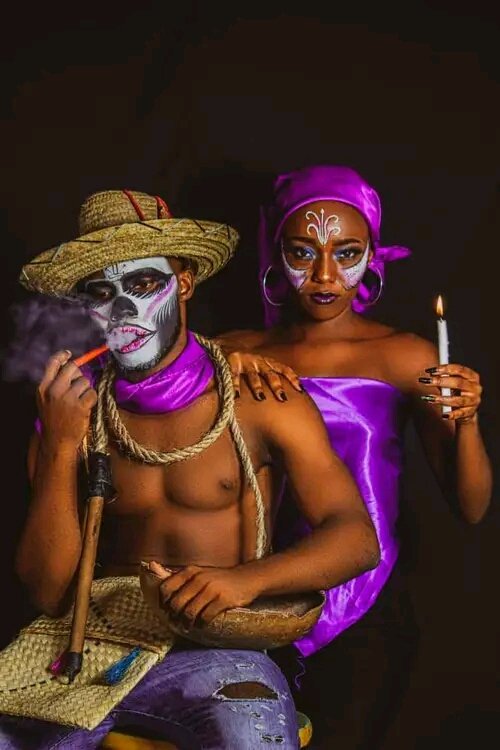
Vodou is one of Haiti’s most iconic cultural and religious traditions, with deep roots in Africa, including the beliefs of the people of Benin, Togo, Congo, and other parts of West Africa. When African slaves were deported to Haiti, they brought their religious practices with them, merging them with elements of the Catholicism imposed by the colonists, creating a unique and vibrant religion: Vodou.

The deities of Vodou (known as lwa) are similar to the spirits and deities of traditional African beliefs. Additionally, the rituals, songs, and dances of the Haitian Vodou religion are infused with African influences. The practice of Vodou continues to be a vital part of Haitian culture, illustrating the spiritual connection between Haïti and Africa.

Diplomatic Relations: A Mutual Support

Beyond the historical and cultural heritage, Haïti and Africa also maintain strong diplomatic relations. The Haitian country was one of the first to support decolonization movements across the African continent. For example, Haïti supported the struggles for independence of countries such as Algeria, Congo, and other African nations, offering political and moral aid.

In addition, Haïti actively participates in international events where Africa is present, such as the Africa-Caribbean-Pacific Summit, and maintains close relations with African countries such as Benin, Senegal, and Togo. These relations are also manifested through cultural, educational, and economic exchanges.

Haïti
Haïti
Haïti

Haiti, an island with deep African roots

Although Haïti is not part of Africa geographically or politically, the historical, cultural, religious, and diplomatic ties that unite this country with Africa are undeniable. Haïti carries within it the heritage of its African ancestors and continues to promote the ideals of freedom and independence dear to Africa.

Haiti’s African roots are found in every aspect of Haitian culture, from music to religion, Creole language to culinary traditions. This unbreakable bond between Haïti and Africa is a testament to the resilience of Black people, a bridge that continues to connect these two regions of the world despite the geographical distance.

Share
About the Author
Appolon Guy Alain
Appolon Guy Alain
Appolon Guy Alain

Full Stack Developer, Créatif, expérimenté, passionné des nouvelles technologies et de l’art.

See other articles from Appolon Guy Alain
Edrana

J'ai suis fière d'avoir d' Haïti

30 Avril 2026 | 10:31:28 AM
Leave a comment

Recently Posted

Jean-Jacques Dessalines, leader of the Haitian Revolution

In the annals of the history of Haiti, an island located in the Caribbean at the entrance to the Gulf of Mexico and shared with the Dominican Republic, Jean-Jacques Dessalines emerges like a phoenix from the ashes of oppression. Born a slave on September 20, 1758 in the home of Henri Duclos, in Cormier (Grande-Rivière-du-Nord), in the French colony of Saint-Domingue, Dessalines was a Creole of African (Afro-Caribbean) origin. Freed during the 1794 abolition achieved through slave revolts, actually served as an officer in the French army during the French Revolution. At that time, the ideas of freedom and equality were at the heart of the concerns of the inhabitants of the colonies. Dessalines actively participated in the fighting against the Spanish and British forces, alongside the French, in Santo Domingo. Having risen to the rank of Lieutenant General, Jean-Jacques Dessalines turned against the French during the Leclerc expedition, sent to Saint-Domingue by Bonaparte to reestablish colonial authority and slavery during the Haitian Revolution. After the capture and deportation of Toussaint Louverture to France on June 7, 1802, Dessalines assumed a leading role in continuing the struggle for independence. He led numerous battles, including the battle of Crête-à-Pierrot in March 1802, where he galvanized his soldiers with his famous declaration: “Let those who want to remain slaves of the French leave the fort, let those, on the contrary, who want to die as free men, line up around me.” On January 1, 1804, Jean-Jacques Dessalines achieved the long-awaited goal of independence by proclaiming Haïti as a sovereign nation, becoming the second country in the Americas to gain independence from a colonial power. He became the first leader of the newly formed nation and was named Emperor under the name James I. However, his imperial reign was marked by authoritarian and brutal policies, including the massacre of many white settlers and the redistribution of land to peasants that was in the hands of the generals of the independence army. In addition, he organized the hunt for delinquents in the city while implementing rigorous agrarian policies, considering that they represented a threat to the stability of the nation, these controversial actions caused divisions within Haitian society. Dessalines was assassinated on October 17, 1806 following a plot organized by some of his generals in the Haitian army. His death marked the end of his brief but influential period in power. Despite the controversies surrounding his methods, he is recognized as the main architect of Haiti’s independence and his name was honored in 1903 by being attributed to the Haitian national anthem, La Dessalinienne, composed by Justin Lhérisson.Finally, the great visionary man Jean Jacques Dessalines remains an emblematic figure in the history of Haiti, recognized for his role in the fight for independence and the end of slavery in the region.

Newsletter

Subscribe to our newsletter to stay informed of all our activities and news on Haiti.

Appolon Guy Alain: Reference Web Designer in Haiti

In the ever-changing world of web development, some names stand out for their expertise, creativity and commitment to knowledge sharing. Among them, Appolon Guy Alain shines like a beacon in the web design industry in Haiti. With more than 70 websites to his credit, intranet systems and many other projects, he is recognized as an indisputable reference in his field. What sets Apolon’s work apart are the attractive interfaces it creates. Sites such as https://haitiwonderland.com/, https://leadersdedemain.org/, https://shippex.net/, https://telehaiti.ht/, https://www.kelphotographystudio.com/, https ://leparadishaitien.ht/, https://beltike.com/ and many others, demonstrate his exceptional talent for combining aesthetics and functionality in a harmonious way. The key to Apolon’s success lies in its ability to merge art and technology. Before becoming an accomplished computer scientist, he was already a painter, a professional musician and a computer graphic designer. This diversity of talents gives him extraordinary creativity, allowing him to imagine unique and memorable interfaces. But Apolon not only creates remarkable websites, he also generously shares his knowledge and experience. In December 2022, he launched Coding Club Haiti, an initiative aimed at providing younger generations with the opportunities offered by the digital world. This initiative has gone beyond the borders of Haïti thanks to a collaboration with the Scientific Club of Students of the Virtual University of Burkina Faso, thus allowing Appolon to share its knowledge with young people from Burkina Faso, and soon, other countries from Africa. Read also: https://haitiwonderland.com/haiti/personnalite/expert-en-seo-et-uiux-design--decouvrez-le-developpeur-haitien-appolon-guy-alain/65 For Appolon, digital represents an essential pillar for the economic development of his country, Appolon is fully committed to this change. However, Apollo does not rest on his laurels. Always eager to learn, he is currently venturing into fields such as robotics and artificial intelligence, looking forward to the challenges the future holds. If you are looking for someone to create your website, Apolon is undoubtedly the best choice. Do not hesitate to contact him on his Facebook or Instagram page, or visit his personal website at https://www.appographic.com. With Appolon Guy Alain, your web project is in expert and creative hands, ready to bring your most daring ideas to life. Follow Appolon on Facebook : https://www.facebook.com/appolon.guyalain Linkedin : https://www.linkedin.com/in/appolon-guy-alain-298424113 Instagram : https://www.instagram.com/appolonguyalain65 Twitter : https://twitter.com/GuyAppolon Github : https://github.com/Appogithub

Recently Posted

History

History

First black nation to free itself from slavery and gain independence from France in 1804 and influenced other liberation movements around the world, inspiring struggles for freedom and equality.

Natural beauty

Natural beauty

Haïti is blessed with spectacular natural landscapes, including white sand beaches, mountains and rich biodiversity.

Heritage

Heritage

Haïti has a rich historical heritage, including sites like the Citadelle Laferrière and the Sans-Souci Palace, listed as UNESCO World Heritage Sites.

Culture

Culture

Haïti has a rich and diverse culture, influenced by African, European and indigenous elements. Haitian music, dance, art and cuisine are celebrated around the world.

  • +
    • Post