contact@haitiwonderland.com+509 36184317

Discover

Shopping Cart

Haiti: Symbol of Freedom

Haiti: Symbol of Freedom

Haiti, a Caribbean island country, is much more than just a tourist destination. It embodies a symbol of resistance, freedom and the struggle for emancipation, a historical example for the whole world. In this article, we will explore why Haïti is considered a true symbol of freedom, by highlighting its history, culture and its essential role in the fight against oppression.

Read the article in :

French : Haïti : Symbole de Liberté

Spanish : Haití: símbolo de libertad

Creole : Ayiti: Senbòl Libète

Reference page : Haiti: Symbol of Freedom

Other version : Haïti : Symbole de Liberté

Haïti
Haïti
Haïti

Haiti’s History: A Model of Resistance

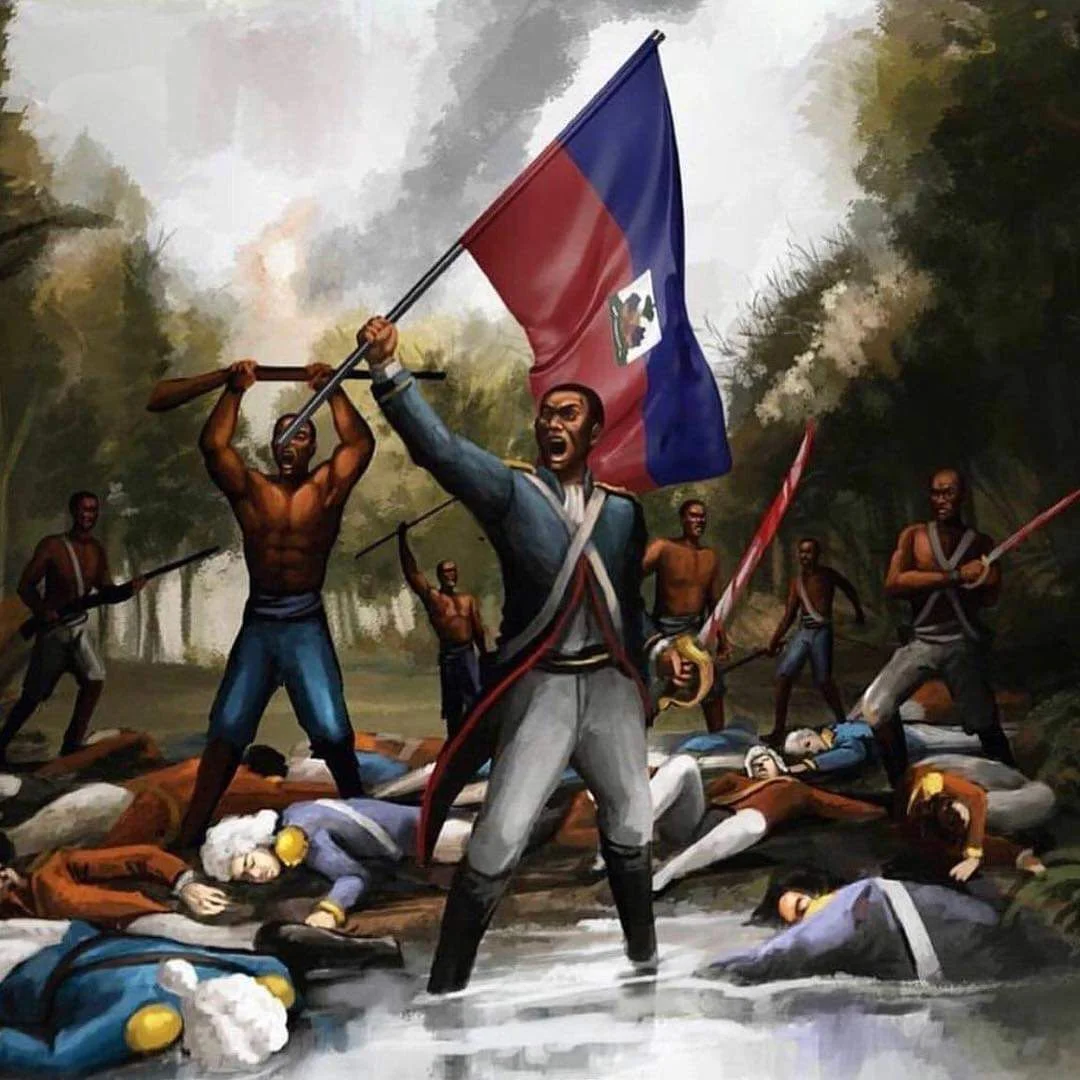
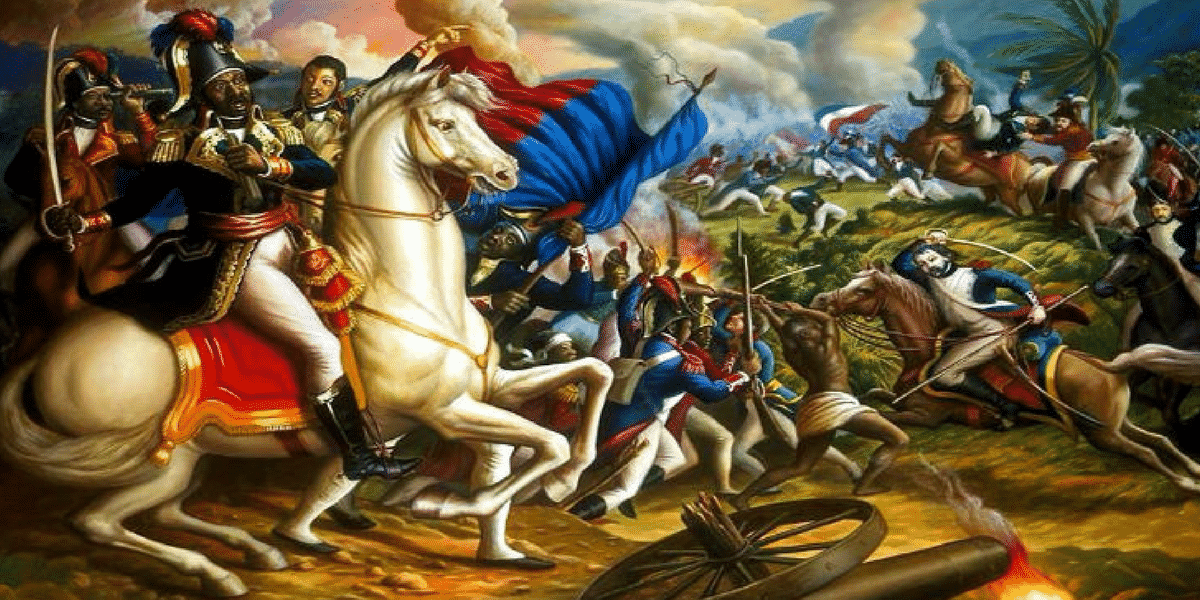
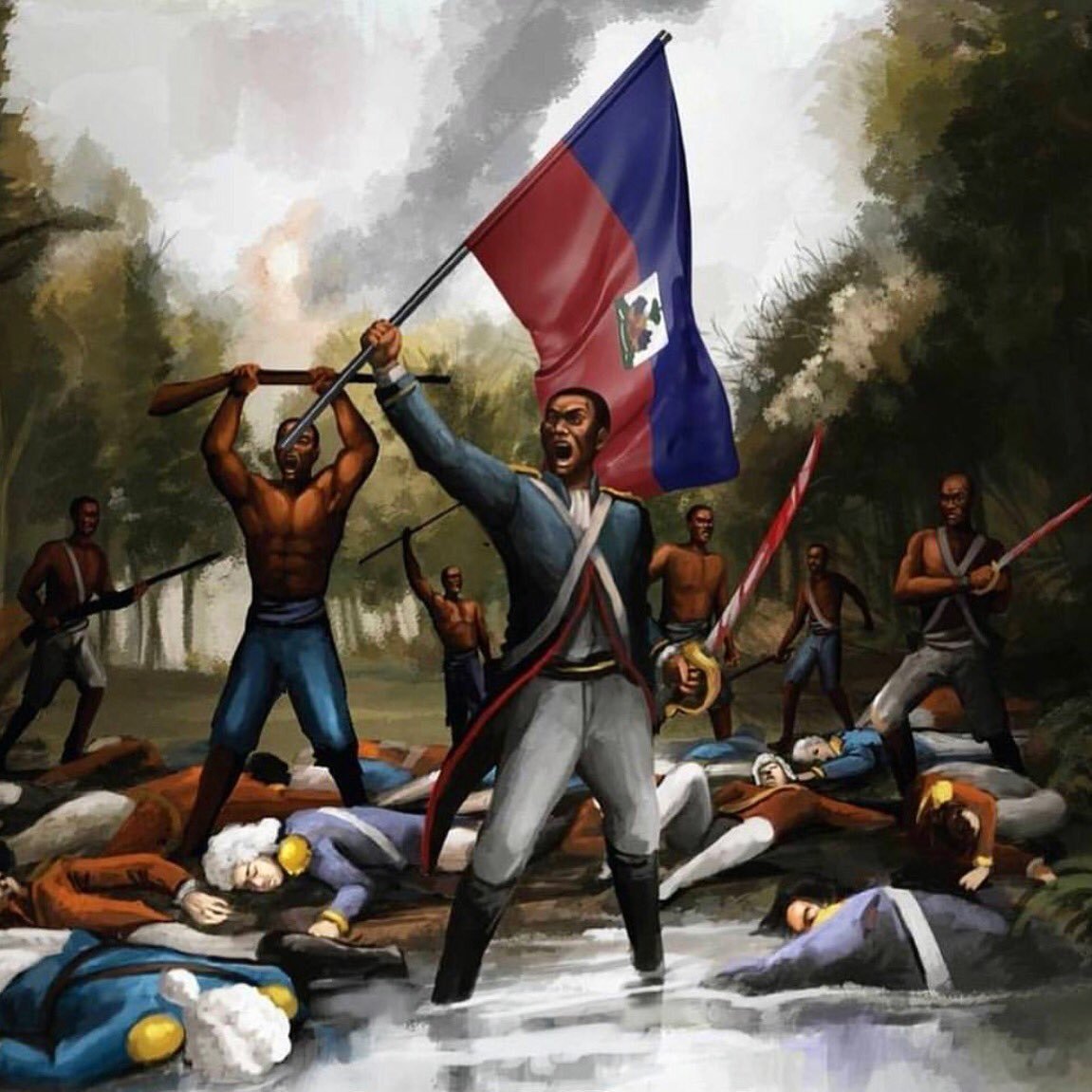
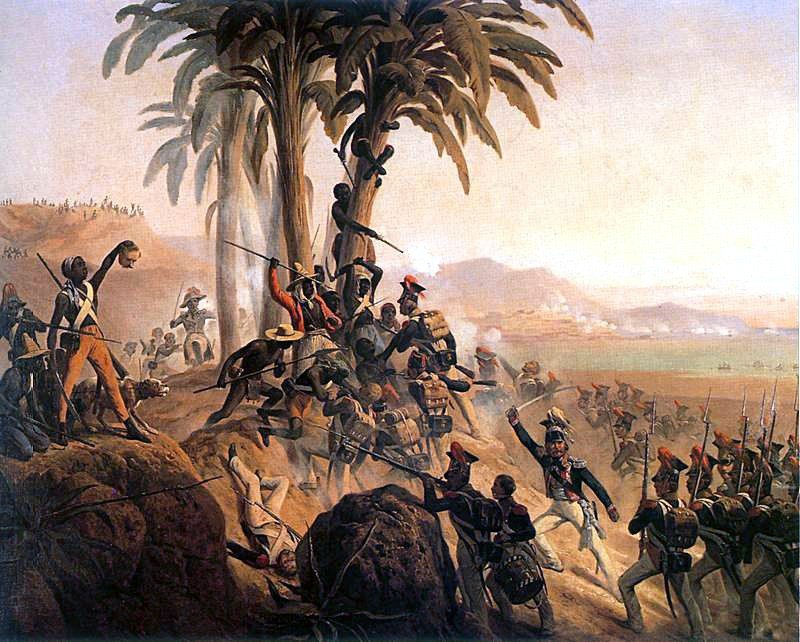
Haiti’s history is marked by a major historical event: the Haitian Revolution. In 1804, Haïti became the first country in the world to gain its independence by overthrowing a colonial empire, that of France. Haiti’s slaves, led by iconic leaders such as Toussaint Louverture, Jean-Jacques Dessalines, and Henri Christophe, waged a titanic fight against the French colonists and triumphed, achieving an unprecedented feat in modern history.

This revolution, one of the greatest victories against slavery, was a turning point for all colonized nations. It inspired revolts and liberation movements around the world. Haiti’s victory remains a model of courage and hope for all oppressed peoples.

Haïti
Haïti
Haïti

Haiti: The First Country to Abolish Slavery

On January 1, 1804, Haïti declared its independence, marking the end of slavery in the French colony of Saint-Domingue. It was the first country to abolish slavery, offering a strong message of freedom and justice. Indeed, after centuries of exploitation and oppression, Haïti became the beacon of black peoples and a model for the abolition of slavery throughout the world.

This founding act of Haitian independence resonated far beyond the country’s borders. It was a moral and political victory against the injustices of the colonial system. The Haitian Republic is thus seen as a historical example of resistance and the conquest of human rights.

Haïti
Haïti
Haïti

An Act of Liberation that Resonated Around the World

The Haitian Revolution did not only have a local impact. It had profound global repercussions. In 1804, Haïti launched the abolition of slavery and inspired liberation movements in other colonies. Slaves and oppressed people in the United States, Brazil, the Caribbean, and Latin America found a model in the Haitian struggle. Haiti’s victory sent a powerful message: freedom is not a privilege, but an inalienable right for all human beings.

The Haitian Revolution had a particular impact on the United States. At the time, the American nation, although already independent, continued to maintain slavery, particularly in the South. The Haitian success demonstrated that a people, even if deprived of basic rights, could overthrow oppression. Haiti’s victory sowed the seeds of revolt among American slaves and helped fuel abolitionist ideas.

Haïti et son Rôle Pionnier dans l’Abolition de l’Esclavage Mondial

Haïti et son Rôle Pionnier dans l’Abolition de l’Esclavage Mondial

For centuries, the institution of slavery has darkened human history, leaving behind a legacy of pain, oppression and the struggle for freedom. However, in this dark tale, one nation stands out for its courage and determination to break the chains of oppression: Haiti. Located in the Caribbean, Haïti played a pioneering role in the abolition of slavery, laying the foundation for the fight for freedom and equality around the world. The history of slavery in Haïti dates back to the arrival of Europeans on the island, which was then called Santo Domingo, in the 15th century. French colonists quickly established an economy based on sugar and coffee production, cruelly exploiting millions of African slaves deported to work on plantations. However, this brutal system engendered fierce resistance from slaves, whose fight for freedom ultimately led to one of the most significant revolutions in history. In 1791, under the leadership of iconic figures such as Toussaint Louverture, Jean-Jacques Dessalines and Henri Christophe, Haitian slaves rose up against their oppressors in an unprecedented rebellion. This revolt resulted in a war of independence that lasted more than a decade, but ultimately resulted in the proclamation of Haiti’s independence in 1804, making that country the first post-colonial nation ruled by people from slavery. The impact of the Haitian Revolution on the abolition of slavery worldwide cannot be overstated. By breaking the chains of oppression and proclaiming their independence, Haitians have sent a powerful message to all oppressed peoples around the world: freedom is possible, and it is worth the struggle. The example of Haïti inspired other movements for the abolition of slavery in the Americas and beyond, thus helping to shake the very foundations of the institution of slavery. Haiti’s participation in the fight against slavery was not limited to its territory; it also extended to external actions where Haitian men were sent or actively participated in movements for the abolition of slavery in other regions of the world. For example, Haitian President Alexandre Pétion supported Simón Bolívar, the leader of the South American revolution, by providing him with weapons, money and even men, which contributed to the liberation of several countries in America Latin of colonial domination. Haïti also provided support for independence movements in Central America. Haitian fighters, led by General Jean-Pierre Boyer, helped Venezuelan patriots fight against Spanish rule, contributing to the liberation of that region. The Haitian government financially and diplomatically supported movements for the abolition of slavery in countries such as Venezuela, Colombia and Mexico, contributing to the gradual eradication of this institution throughout the region. Although Haïti did not directly participate in the American Civil War, many Haitians and descendants of Haitians played crucial roles in the abolitionist movement in the United States. Figures who were of Haitian origin or of Haitian ancestry, were important voices in the fight against slavery and for equal rights in the United States. The legacy of the Haitian Revolution remains a symbol of resistance and courage for future generations. Today, as the world continues to struggle against injustice and oppression in various forms, Haiti’s history reminds us that the fight for freedom is a universal fight, one that transcends borders and times. Haiti’s participation in the abolition of slavery throughout the world remains a crucial chapter in the history of humanity. Through their courage and determination, Haitians have paved the way for a future where freedom and equality are inalienable rights for all.

Haïti
Haïti
Haïti

The Legacy of the Haitian Revolution and the Abandonment of Slavery

The abolition of slavery in Haïti marked a turning point in human history. By overthrowing a system that had persisted for centuries, Haïti helped shape global debates about human rights, equality, and justice.
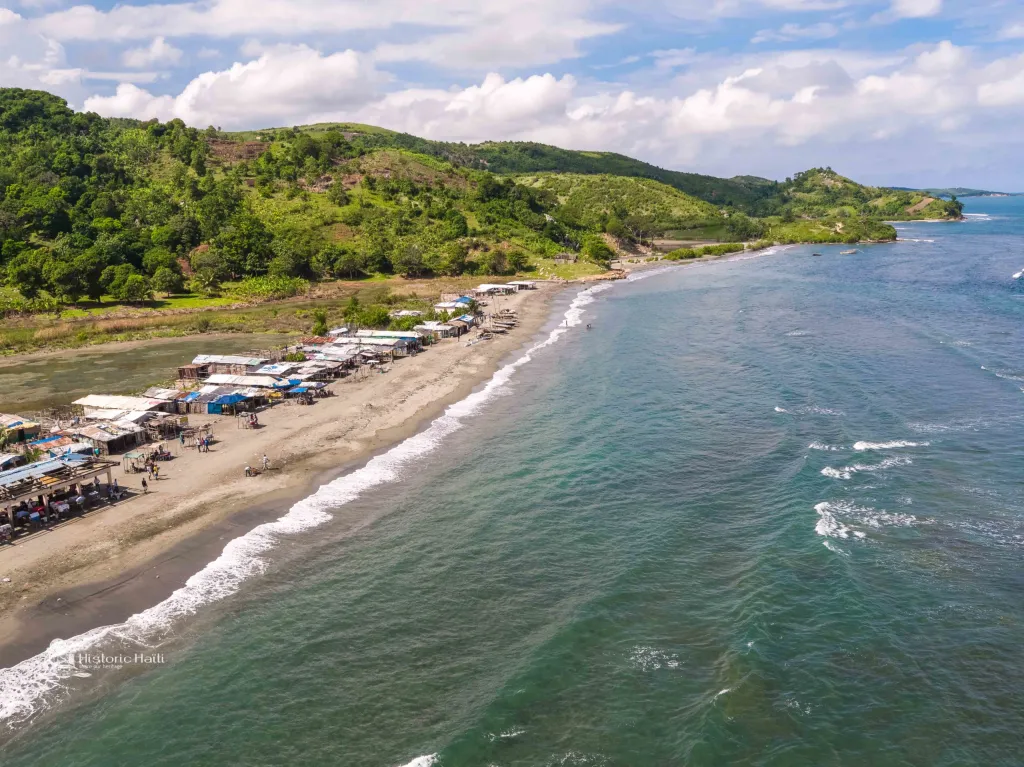
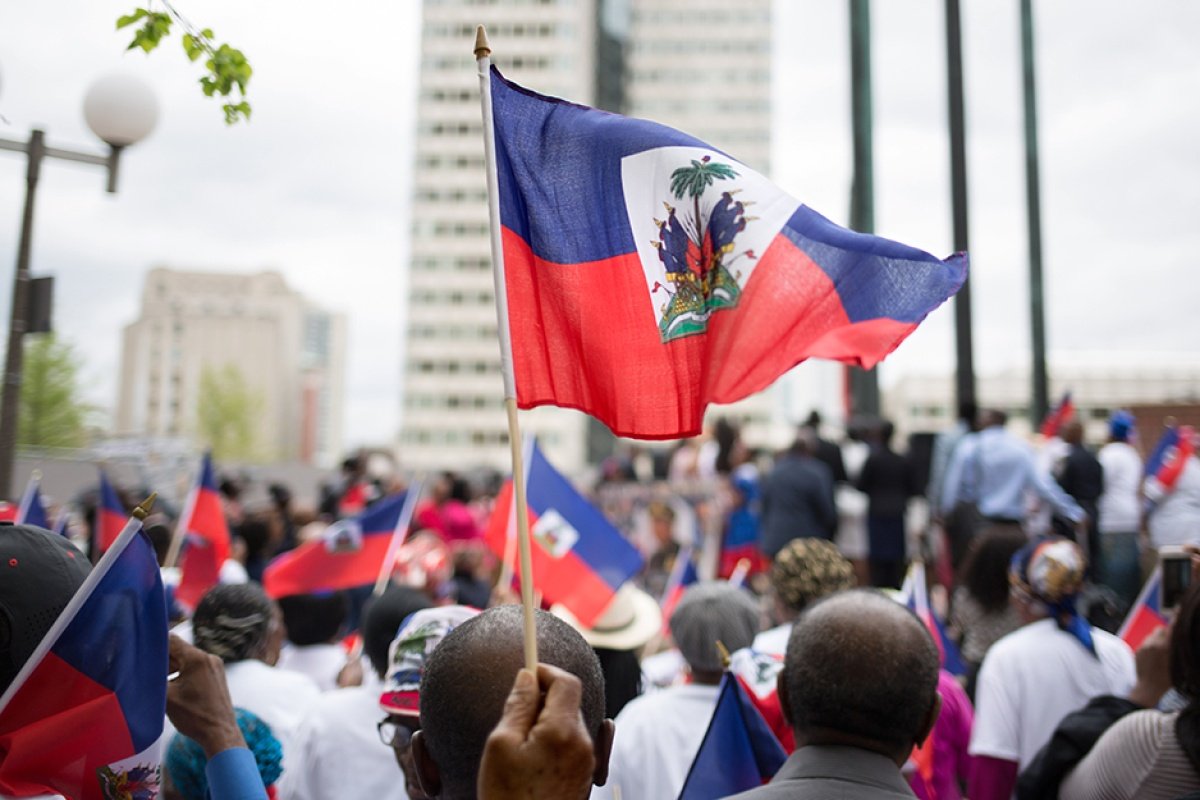
Moreover, Haitian culture itself is a celebration of this liberation. The island’s music, dance, and religion bear the marks of the struggle for freedom. The symbols and rituals of the Haitian Revolution, such as the Haitian flag and the January 1 celebrations, perpetuate the spirit of resistance and victory against slavery. Haitians transformed their suffering into art, resilience, and culture, making their heritage a living testament to their relentless quest for freedom.

Haïti
Haïti
Haïti

Modern Challenges: Haïti Today

Despite this historic victory, Haïti has not been spared economic and political challenges. Despite its status as a symbol of freedom, the country has faced years of dictatorship, political instability, and natural disasters. The devastating earthquake of 2010, as well as periods of political and economic violence, have marked the nation’s recent history.

However, Haïti remains a beacon of hope. Haitians continue to fight for their rights, for peace, and for the reconstruction of their country. The many social movements and local initiatives testify to the resilience of the Haitian people and their commitment to their ideals of freedom and justice.

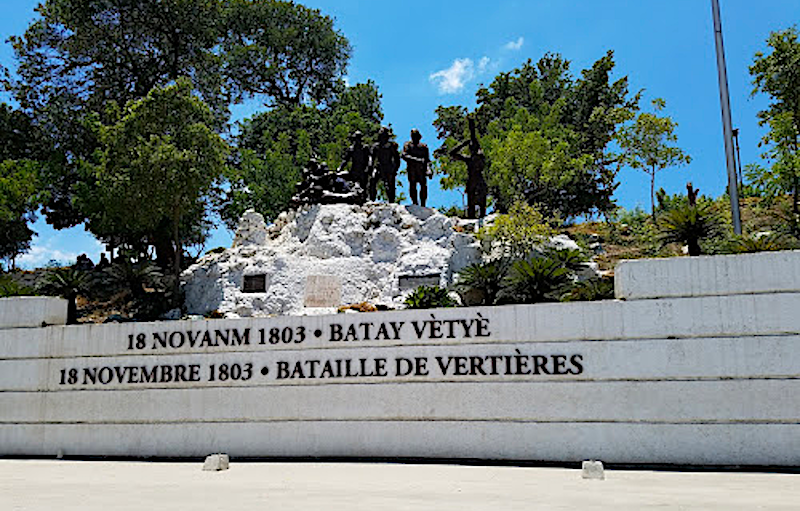
Vertières, Fort Mazi: Beyond historical truth;

Vertières, Fort Mazi: Beyond historical truth;

If you look up the word vertière in a French dictionary, you will not find it for fear that the world does not know this place represents the Achilles heels of the most powerful European army. What’s more, this one had just successfully won the eastern campaign. French historians of the time erased this geographical location from the radar of history because they did not want to tell the story as it is in the sense of explaining the first great humiliation of the expeditionary army French by bands of slaves who were totally ignorant in the art of waging war, much less in the handling of weapons. However, these illiterate wars routed the Napoleonic army, the most powerful at that time, using the means at hand. This expeditionary army, after having brought Europe to its knees, would experience its first rout by slaves in this geographical location, located in the Northern department of Haiti. Funny story, this city is not on the list of French words even though given its historical importance, it should be at the heart of universal history, far from putting an end to the invincibility of the undefeated army army. So as not to offend the white masters, no political leader has ever asked why vertière does not appear in any French dictionary? However, they celebrate this battle with great fanfare every November 18. What historic hypocrisy among our leaders! After Vertière many other historical places are strangled by historians in order to hide the extremes of atrocities of the French colonists on the slaves. It is in this context of historical strangulation that “Fort Mazi” is not mentioned in school history textbooks. This is located in Petit-Goave, 2nd municipal section, Arnoux locality. We came across this mega fort, during a mobile clinic entirely financed by the Ernest Junior foundation, a charitable foundation which works in the social sector, particularly in the field of art and music. According to residents , the oldest in this locality, this fort was built on at least 20 squares of earth by the settlers. It was a huge military complex divided into compartments, outposts, turtle rooms, rooms for treating colonists, a large Catholic church, and a cemetery. However, we never talk about this fort so much so that it is ignored by history teachers in the town of Petit-Goave. Certainly, the desired disappearance of this fort under the radar of history buries the atrocities, the barbarities, the most inhumane punishments of the colonists on the slaves. Looking closely at reality, everything seems true that it is the largest fort ever built during the period of colonization. Moreover, it probably seems the most fortified in relation to its importance. Remember that Vertière only exists in Haitian school history textbooks while Fort Mazi does not appear, much less in French dictionaries or history books. This explains why this fort was a secret place in which the settlers practiced crimes and atrocities that went beyond human understanding. Is it not a clear desire of historians to hide what this immense fort built on at least 20 tiles of earth really was? Discover the history of Haiti: A fascinating story to explore! : https://haitiwonderland.com/haiti/histoire/decouvrez-l-histoire-d-haiti--un-recit-fascinant-a-explorer/81

Haïti
Haïti
Haïti

Haiti, a Rich and Diverse Cultural Center

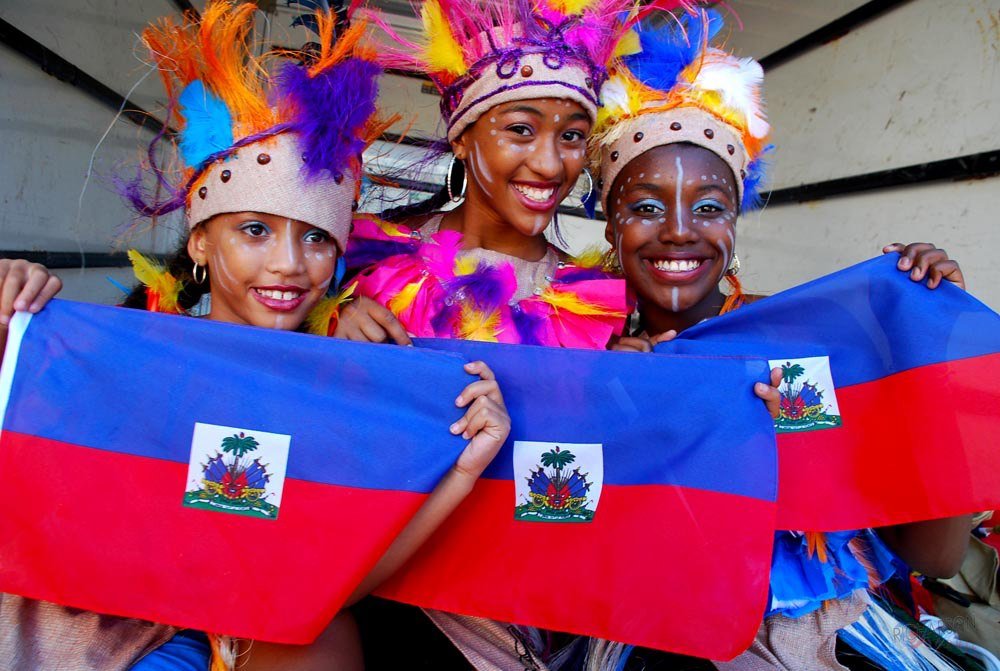
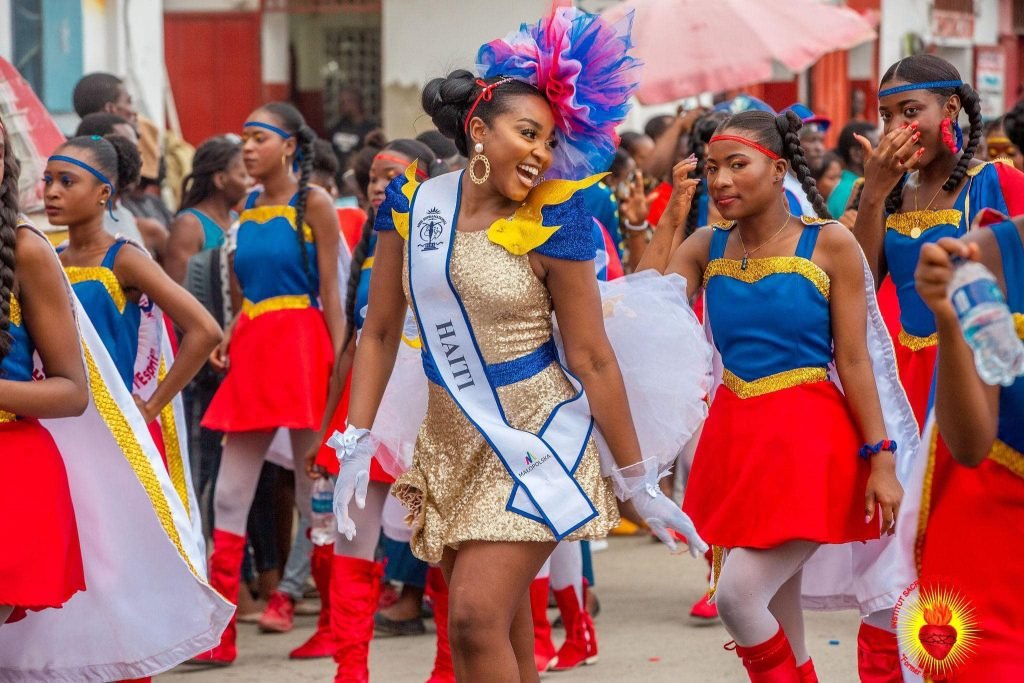
Haitian culture is one of the elements that enrich the country’s identity. It is a unique blend of African, French and indigenous influences, giving birth to a form of expression that embodies the spirit of freedom and resistance. Haitian music, dance, art and cuisine reflect this rich cultural diversity.

Rara, this traditional festive music, Vodou Dances, symbols of spiritual resistance, and Haitian visual arts, which convey messages of struggle and identity, are an integral part of the cultural heritage that continues to inspire the world. Haïti is thus a living symbol of creativity and resilience.

Haïti
Haïti
Haïti

Haitians: Guardians of Freedom

Haitians themselves are the true reflection of this symbol of freedom. Since independence, the Haitian people have demonstrated courage and determination in the face of adversity. Their struggles continue to embody the spirit of freedom and the search for social justice.

Figures like Toussaint Louverture, considered one of the greatest generals and revolutionary leaders in history, remain inspiring role models for many generations around the world. Louverture, even in his darkest moments, never stopped fighting for the equality and independence of his people. These are the values ​​that continue to inspire Haitians today, whether they live at home or abroad.

Haïti
Haïti
Haïti

Why Haïti Remains a Symbol of Freedom in the Modern World

Haïti continues to embody a symbol of freedom not only for the people of the Caribbean, but for the entire world. At a time when many countries still face social injustice and human rights violations, Haïti remains a beacon of hope, proving that freedom is a right for all, regardless of origin or social condition.

In the modern context, Haiti’s history reminds the world that the struggle for freedom is a never-ending battle. The values ​​of human dignity, justice and respect for individual rights are as relevant today as they were in 1804, when the country first made its voice heard on the international stage.

Haïti remains a living symbol of freedom. Its history, its struggle for independence and its rich and diverse culture make this country an example of hope and courage. The Haitian nation, despite its contemporary challenges, continues to represent the ideals of justice, resistance and human dignity, not only for current generations, but also for future generations around the world.

Haïti teaches us that freedom is an endless quest, but that it remains, above all, a collective conquest and a universal duty.

Share
About the Author
Appolon Guy Alain
Appolon Guy Alain
Appolon Guy Alain

Full Stack Developer, Créatif, expérimenté, passionné des nouvelles technologies et de l’art.

See other articles from Appolon Guy Alain
Leave a comment

Recently Posted

Newsletter

Subscribe to our newsletter to stay informed of all our activities and news on Haiti.

Haiti: Camp Louise: A Hidden Treasure in the Heart of Acul du Nord Bay

At the entrance to Haiti’s beautiful Baie de l’Acul du Nord lies an oasis of tranquility and natural beauty: Camp Louise, more affectionately known as Saint Michel Beach. With its black sand and rushing swells, this beach offers a spellbinding experience that captures the wild spirit of nature. As soon as you set foot on this enchanting shore, you are enveloped by an atmosphere of mystery and serenity. The "ajoupas" dotted along the beach are home to modest restaurants serving local delicacies, from fresh grilled fish to succulent conch. With every bite, you taste the exquisite fusion of authentic flavors that celebrate Haiti’s culinary richness. On your right, majestically sits the "M&M" restaurant, ready to delight your taste buds with its irresistible specialties, available to serve you at the end of the week, to crown your beach days with an exquisite gastronomic note. Despite its proximity to the bustling town of Cap-Haïtien, located just 26 kilometers away, Camp Louise seems like a world apart. Accessible both by road and by sea, by jet ski from the neighboring beaches of Gaderas and Labadie, this beach offers a welcome escape from the hustle and bustle of everyday life. Whether you are looking for adventure, relaxation or simply connection with nature, Camp Louise will meet all your desires. Its turquoise waters invite you to swim, its sandy beaches invite you to relax, and its warm atmosphere inspires wonder. For travelers seeking authentic experiences and breathtaking scenery, Camp Louise proves to be a hidden treasure worth discovering and celebrating. So, let yourself be carried away by the captivating magic of this rare pearl in the heart of the Bay of Acul du Nord, and let your worries float away with the waves that gently caress its shores.

Recently Posted

History

History

First black nation to free itself from slavery and gain independence from France in 1804 and influenced other liberation movements around the world, inspiring struggles for freedom and equality.

Natural beauty

Natural beauty

Haïti is blessed with spectacular natural landscapes, including white sand beaches, mountains and rich biodiversity.

Heritage

Heritage

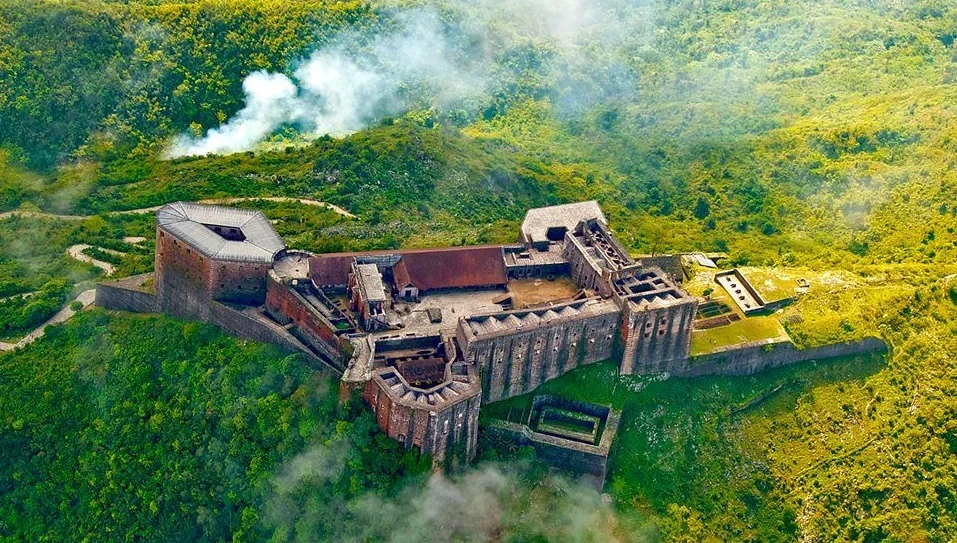
Haïti has a rich historical heritage, including sites like the Citadelle Laferrière and the Sans-Souci Palace, listed as UNESCO World Heritage Sites.

Culture

Culture

Haïti has a rich and diverse culture, influenced by African, European and indigenous elements. Haitian music, dance, art and cuisine are celebrated around the world.

  • +
    • Post