contact@haitiwonderland.com+509 36184317

Discover

Shopping Cart

Haiti: Symbol of Freedom

Haiti: Symbol of Freedom

Haiti, a Caribbean island country, is much more than just a tourist destination. It embodies a symbol of resistance, freedom and the struggle for emancipation, a historical example for the whole world. In this article, we will explore why Haïti is considered a true symbol of freedom, by highlighting its history, culture and its essential role in the fight against oppression.

Read the article in :

French : Haïti : Symbole de Liberté

Spanish : Haití: símbolo de libertad

Creole : Ayiti: Senbòl Libète

Reference page : Haiti: Symbol of Freedom

Other version : Haïti : Symbole de Liberté

Haïti
Haïti
Haïti

Haiti’s History: A Model of Resistance

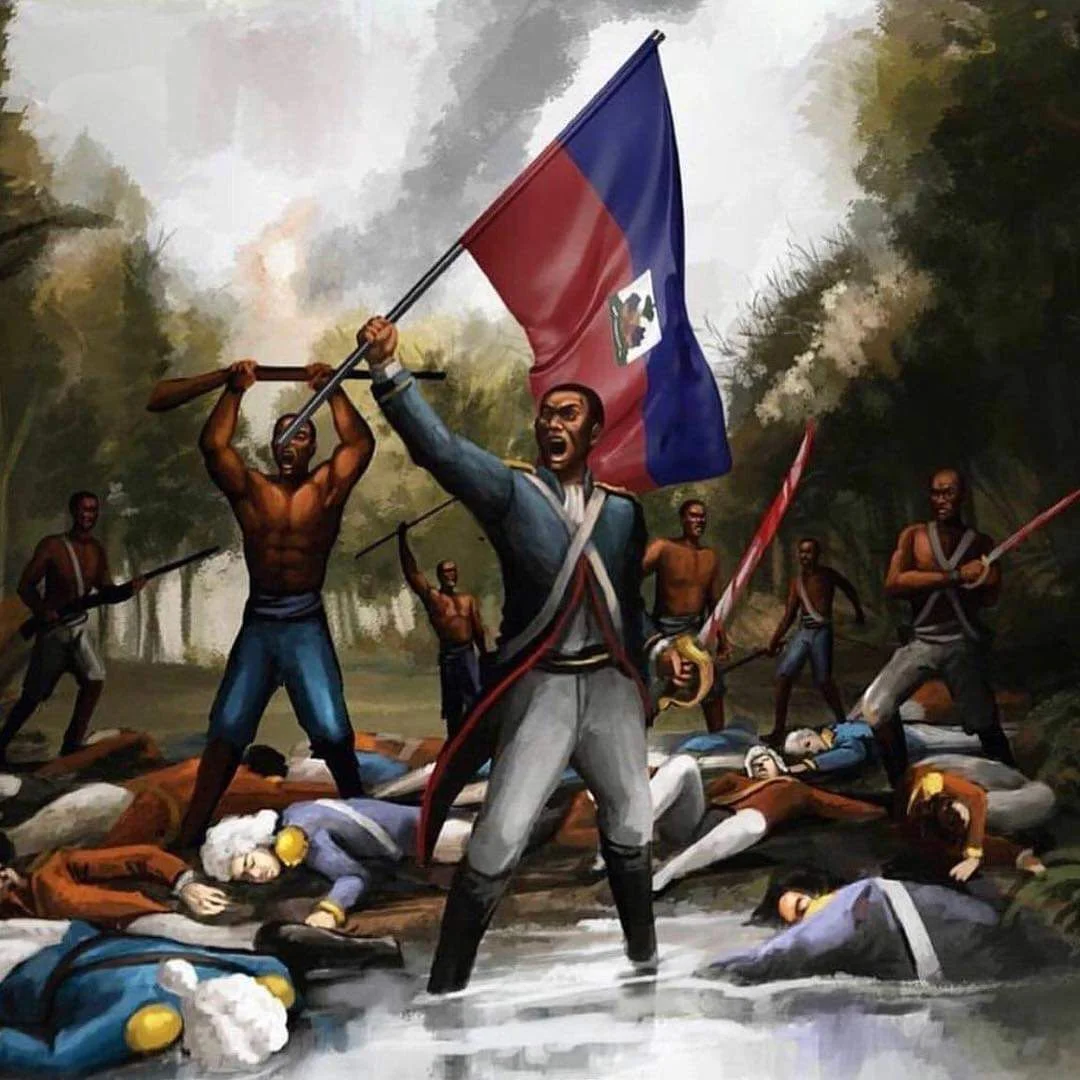
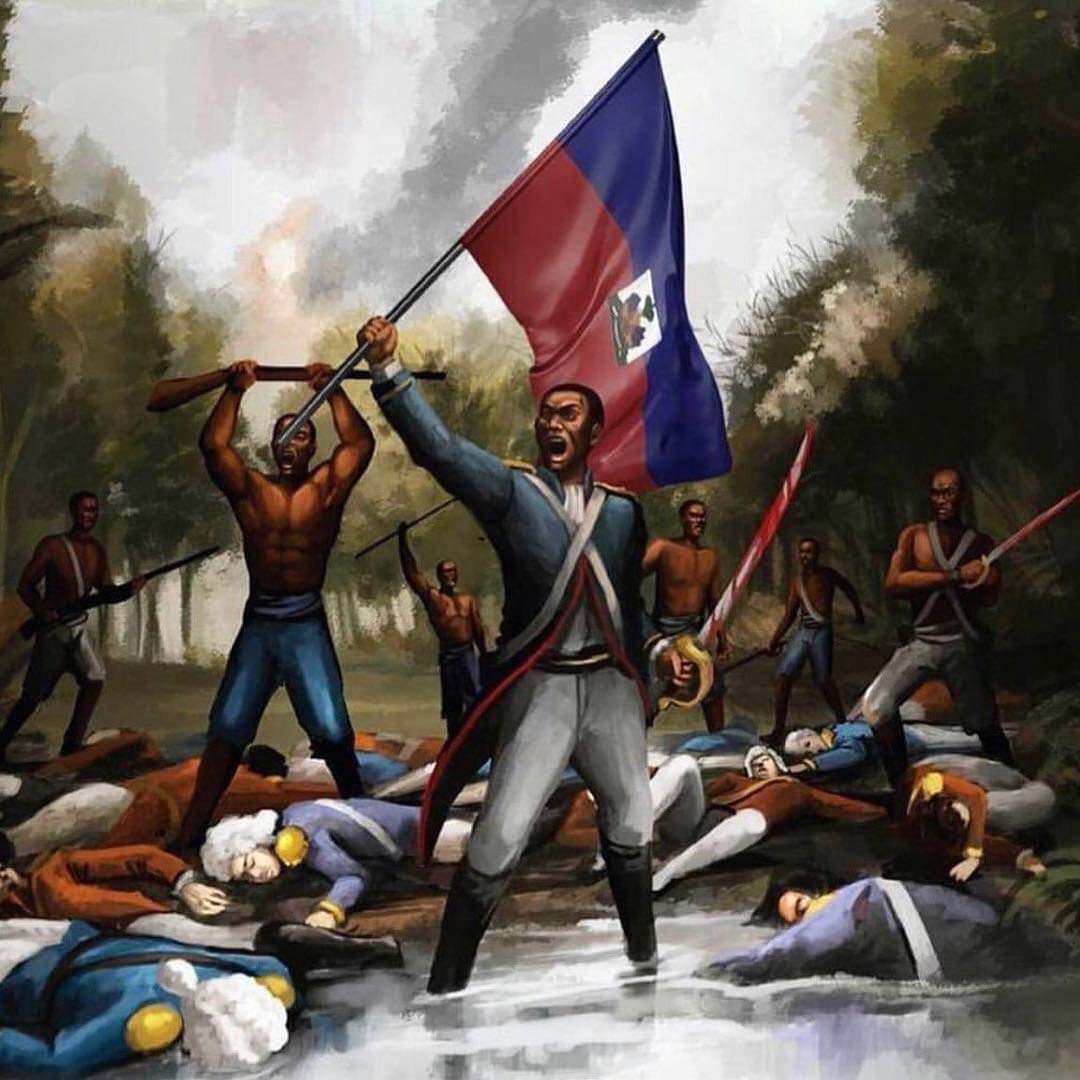
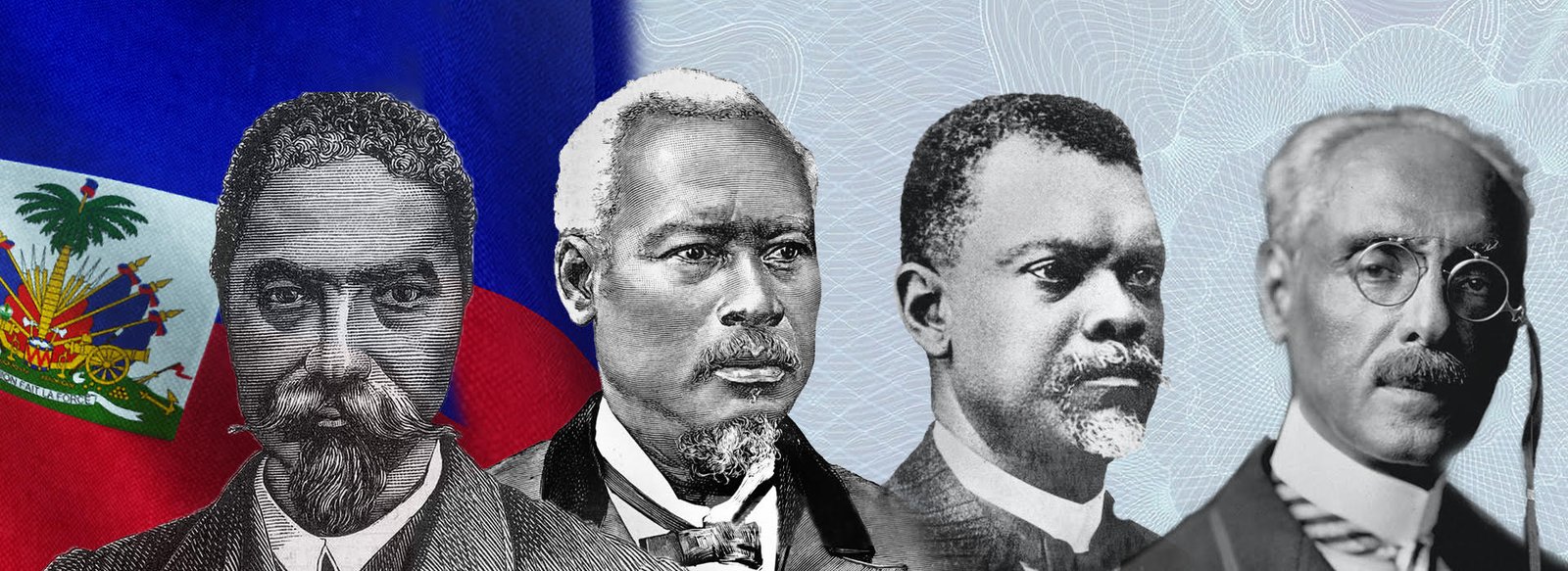
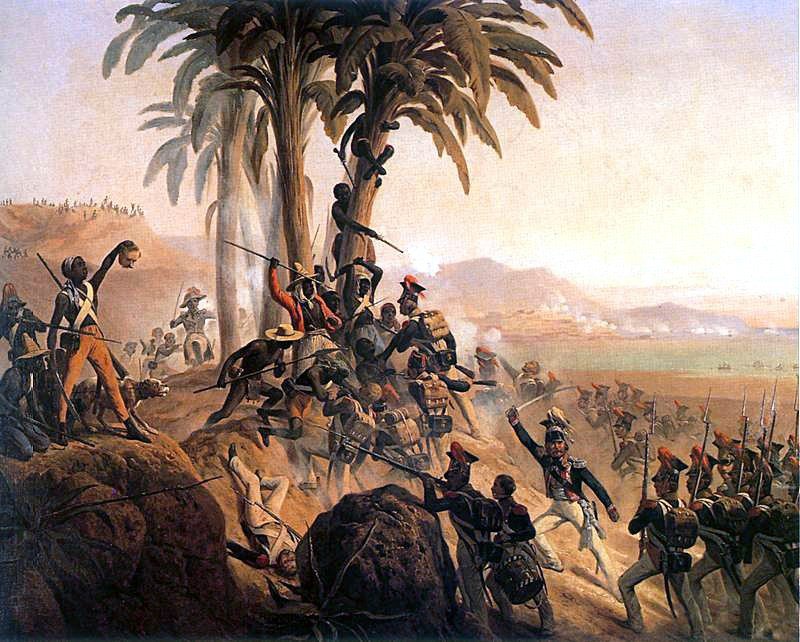
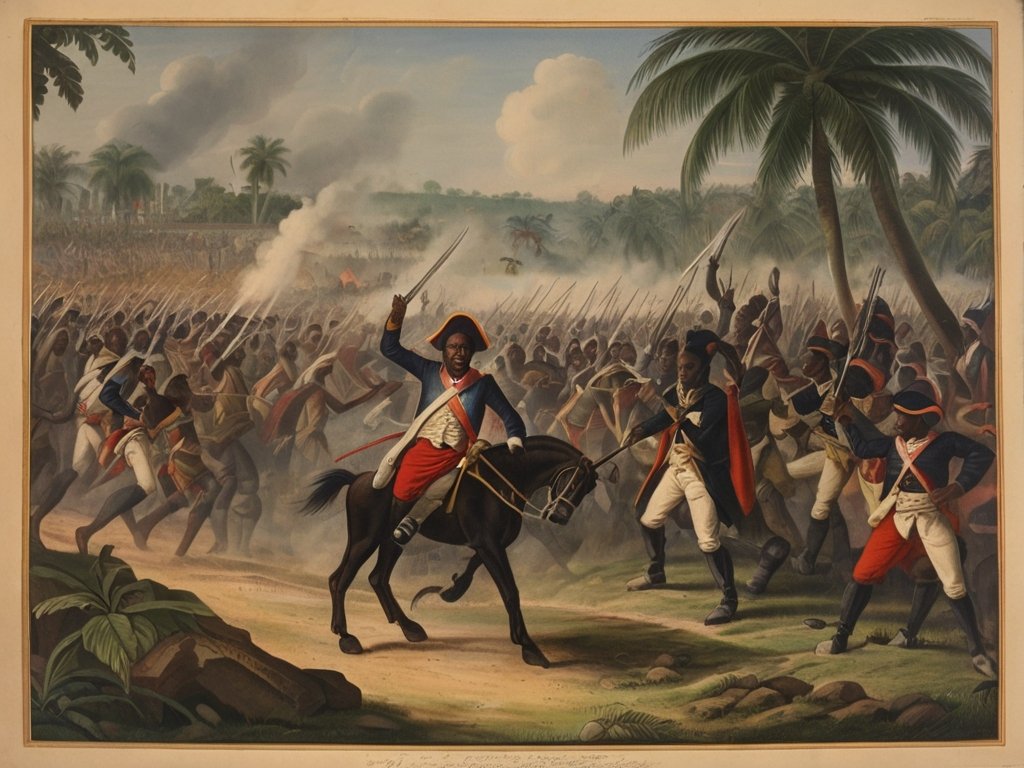
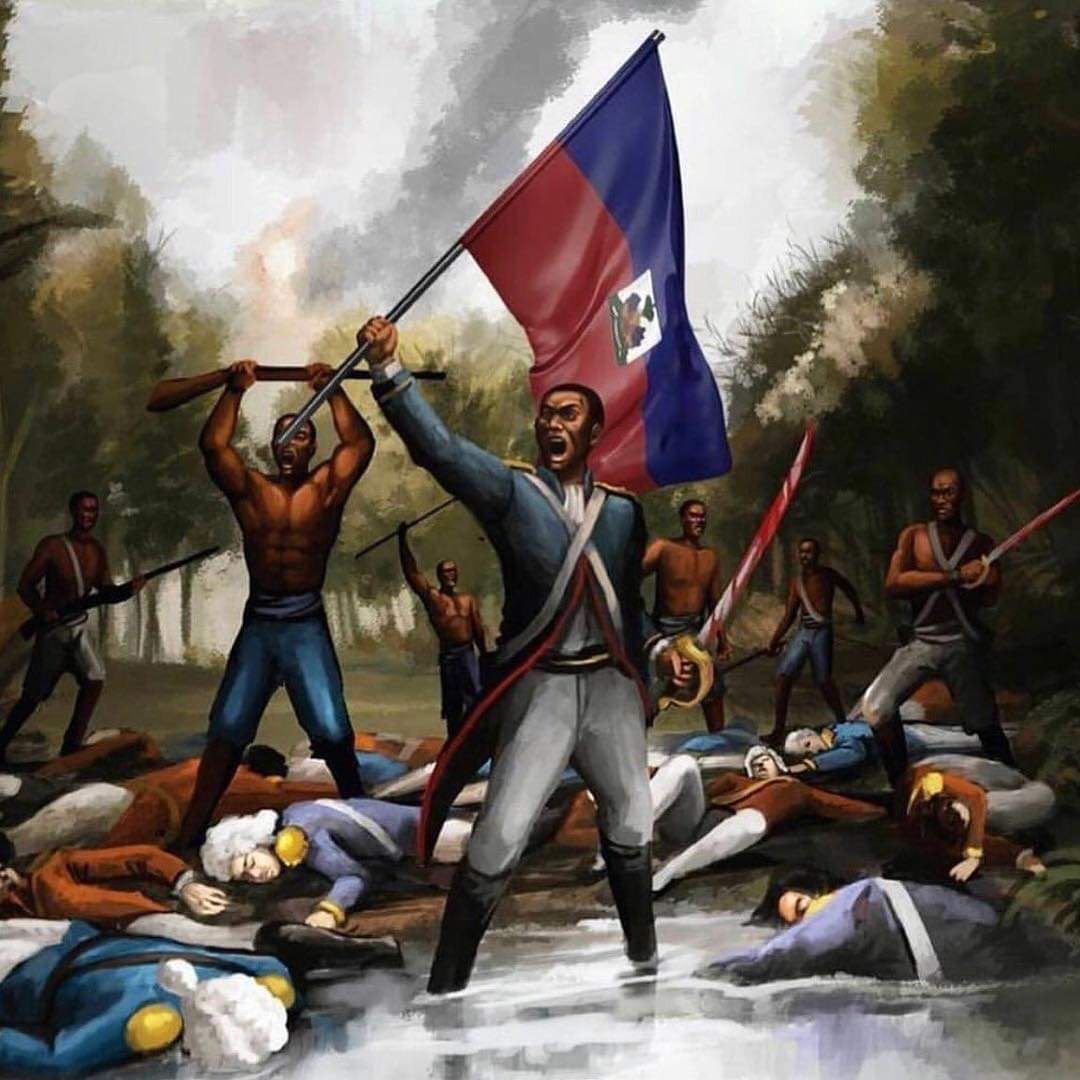
Haiti’s history is marked by a major historical event: the Haitian Revolution. In 1804, Haïti became the first country in the world to gain its independence by overthrowing a colonial empire, that of France. Haiti’s slaves, led by iconic leaders such as Toussaint Louverture, Jean-Jacques Dessalines, and Henri Christophe, waged a titanic fight against the French colonists and triumphed, achieving an unprecedented feat in modern history.

This revolution, one of the greatest victories against slavery, was a turning point for all colonized nations. It inspired revolts and liberation movements around the world. Haiti’s victory remains a model of courage and hope for all oppressed peoples.

Haïti
Haïti
Haïti

Haiti: The First Country to Abolish Slavery

On January 1, 1804, Haïti declared its independence, marking the end of slavery in the French colony of Saint-Domingue. It was the first country to abolish slavery, offering a strong message of freedom and justice. Indeed, after centuries of exploitation and oppression, Haïti became the beacon of black peoples and a model for the abolition of slavery throughout the world.

This founding act of Haitian independence resonated far beyond the country’s borders. It was a moral and political victory against the injustices of the colonial system. The Haitian Republic is thus seen as a historical example of resistance and the conquest of human rights.

Haïti
Haïti
Haïti

An Act of Liberation that Resonated Around the World

The Haitian Revolution did not only have a local impact. It had profound global repercussions. In 1804, Haïti launched the abolition of slavery and inspired liberation movements in other colonies. Slaves and oppressed people in the United States, Brazil, the Caribbean, and Latin America found a model in the Haitian struggle. Haiti’s victory sent a powerful message: freedom is not a privilege, but an inalienable right for all human beings.

The Haitian Revolution had a particular impact on the United States. At the time, the American nation, although already independent, continued to maintain slavery, particularly in the South. The Haitian success demonstrated that a people, even if deprived of basic rights, could overthrow oppression. Haiti’s victory sowed the seeds of revolt among American slaves and helped fuel abolitionist ideas.

Haïti / Fort Picolet: Historical Guardian of Liberty

Haïti / Fort Picolet: Historical Guardian of Liberty

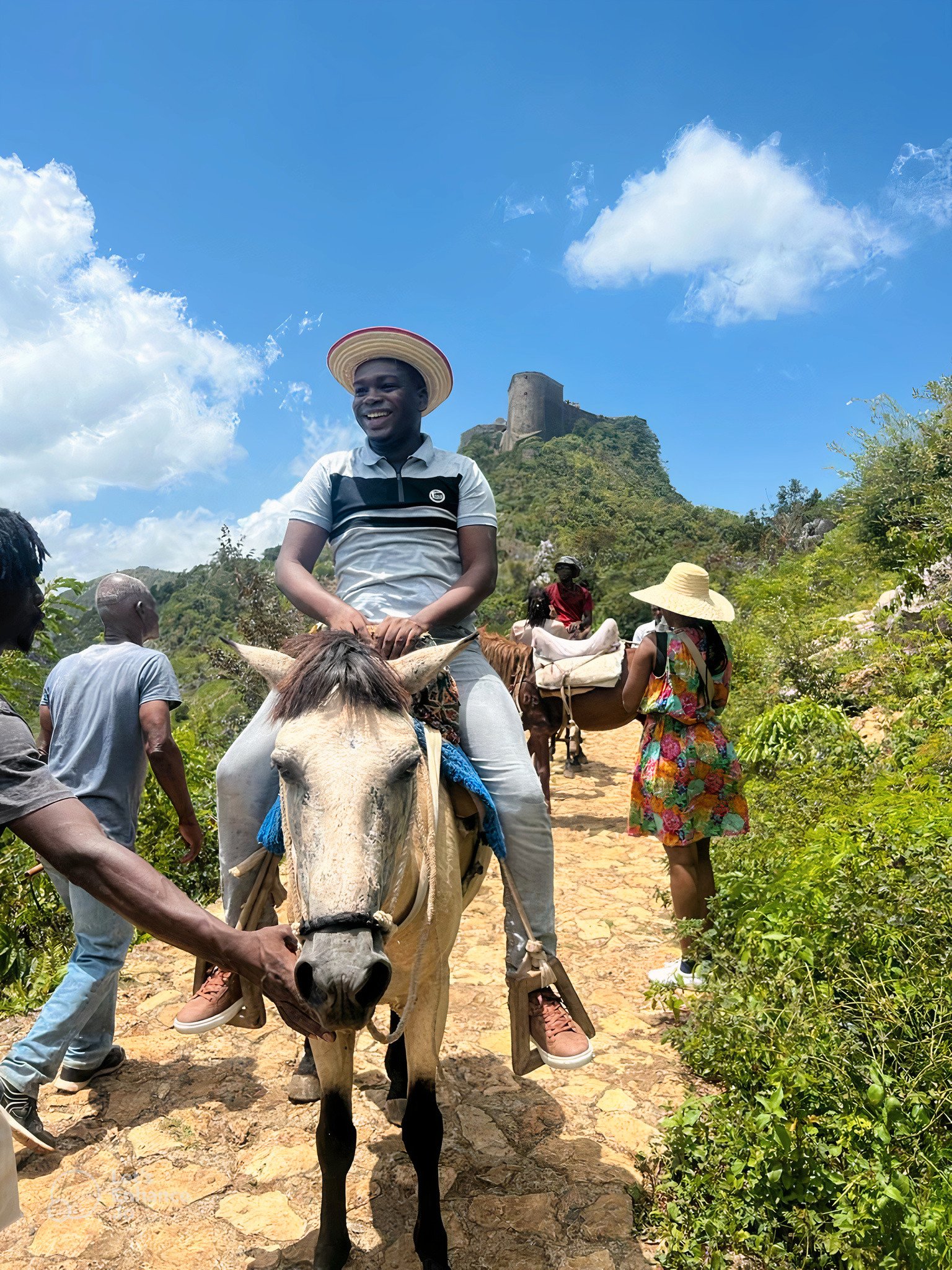
Cap-Haïtien, Haiti’s historic jewel, is home to a fascinating architectural relic: Fort Picolet. Built at the end of the 18th century by the French, this imposing bastion majestically dominates the bay of Cap-Haïtien, bearing witness to the tumults of Haitian history and the fierce struggle for independence. The history of Fort Picolet is closely linked to that of Haiti, particularly at the time of the Haitian Revolution. During this tumultuous period, when slaves and freedmen rose up against colonial oppression, the fort was the scene of epic battles and fierce sieges. Sometimes used by French forces, sometimes by Haitian revolutionaries, Fort Picolet was a silent witness to the events that shaped the destiny of the nation. Designed with a strategic vision, the fort embodies the military architecture of its era. Its thick stone walls, strategically positioned cannons and viewpoints overlooking the bay make it an impregnable bastion. Its name, Fort Picolet, pays homage to General Louis Marie, Marquis de Picolet, French governor of Cap-Français at the end of the 18th century. Today, Fort Picolet remains much more than a simple historical monument. It is a living symbol of the resilience and determination of the Haitian people. Visitors who wander through its ruins can feel the imprint of history and contemplate the remains of a tumultuous past. From up there, a panoramic view of the bay of Cap-Haitien is available to them, offering a unique perspective on the strategic importance of this place in the maritime history of Haiti. As a pillar of Haitian tourism, Fort Picolet attracts visitors from around the world. Its historical aura, combined with the natural beauty of its environment, makes it a must-see destination for history and culture lovers. More than just a tourist attraction, Fort Picolet is a poignant testimony to the endless struggle for freedom and the cultural richness of Haiti. Throughout the centuries, Fort Picolet has survived the test of time, reminding everyone that freedom is an inalienable right, hard won and carefully preserved. By exploring its ramparts, contemplating its silent cannons, visitors find themselves immersed in the tormented history of Haiti, a story of courage, resistance and hope. Live an extraordinary experience by virtually visiting the ruins of Fort Picolet: https://haitiwonderland.com/haiti-virtual-reality-ht/monuments-histoire/haiti--fort-picolet--visite-virtuelle/14

Haïti
Haïti
Haïti

The Legacy of the Haitian Revolution and the Abandonment of Slavery

The abolition of slavery in Haïti marked a turning point in human history. By overthrowing a system that had persisted for centuries, Haïti helped shape global debates about human rights, equality, and justice.

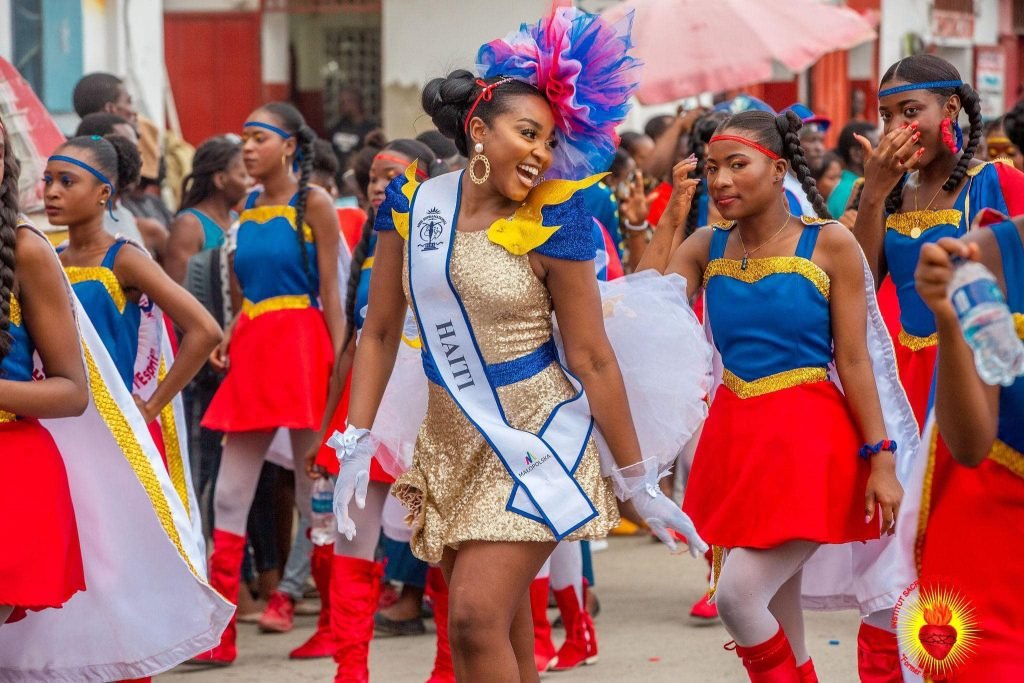
Moreover, Haitian culture itself is a celebration of this liberation. The island’s music, dance, and religion bear the marks of the struggle for freedom. The symbols and rituals of the Haitian Revolution, such as the Haitian flag and the January 1 celebrations, perpetuate the spirit of resistance and victory against slavery. Haitians transformed their suffering into art, resilience, and culture, making their heritage a living testament to their relentless quest for freedom.

Haïti
Haïti
Haïti

Modern Challenges: Haïti Today

Despite this historic victory, Haïti has not been spared economic and political challenges. Despite its status as a symbol of freedom, the country has faced years of dictatorship, political instability, and natural disasters. The devastating earthquake of 2010, as well as periods of political and economic violence, have marked the nation’s recent history.

However, Haïti remains a beacon of hope. Haitians continue to fight for their rights, for peace, and for the reconstruction of their country. The many social movements and local initiatives testify to the resilience of the Haitian people and their commitment to their ideals of freedom and justice.

Haitian Creole is our identity, it deserves to be valued: History, Origin and Evolution

Haitian Creole is our identity, it deserves to be valued: History, Origin and Evolution

The Haitian Creole, born in the 17th century during the French colonization on the island of Hispaniola, is not only a communication tool; it is an essential part of the Haitian identity. Despite being recognized as an official language in 1987, French is still considered an elite language, creating a social divide. In the educational system, where French is the language of instruction, Creole is often neglected, which affects the ability of students to understand what they are learning, especially for children from rural areas. It has a unique grammatical structure that facilitates learning, and serves as a means of cultural expression in literature, music, and other arts. The advancement of technology will allow Creole to gain more visibility in social media, but the stigmatization of the language still exists. Therefore, it is important for Creole to be valued in education and other sectors, to allow the new generation to grow up with pride for their heritage. The Haitian Creole language, which is the first language for the majority of people in Haiti, is not only a means of communication, but it is also a reflection of the cultural wealth and history of the people. In a country full of diversity, Creole and its origin, its evolution and its place in society, is a testimony of resistance and adaptation.

Haïti
Haïti
Haïti

Haiti, a Rich and Diverse Cultural Center

Haitian culture is one of the elements that enrich the country’s identity. It is a unique blend of African, French and indigenous influences, giving birth to a form of expression that embodies the spirit of freedom and resistance. Haitian music, dance, art and cuisine reflect this rich cultural diversity.

Rara, this traditional festive music, Vodou Dances, symbols of spiritual resistance, and Haitian visual arts, which convey messages of struggle and identity, are an integral part of the cultural heritage that continues to inspire the world. Haïti is thus a living symbol of creativity and resilience.

Haïti
Haïti
Haïti

Haitians: Guardians of Freedom

Haitians themselves are the true reflection of this symbol of freedom. Since independence, the Haitian people have demonstrated courage and determination in the face of adversity. Their struggles continue to embody the spirit of freedom and the search for social justice.

Figures like Toussaint Louverture, considered one of the greatest generals and revolutionary leaders in history, remain inspiring role models for many generations around the world. Louverture, even in his darkest moments, never stopped fighting for the equality and independence of his people. These are the values ​​that continue to inspire Haitians today, whether they live at home or abroad.

Haïti
Haïti
Haïti

Why Haïti Remains a Symbol of Freedom in the Modern World

Haïti continues to embody a symbol of freedom not only for the people of the Caribbean, but for the entire world. At a time when many countries still face social injustice and human rights violations, Haïti remains a beacon of hope, proving that freedom is a right for all, regardless of origin or social condition.

In the modern context, Haiti’s history reminds the world that the struggle for freedom is a never-ending battle. The values ​​of human dignity, justice and respect for individual rights are as relevant today as they were in 1804, when the country first made its voice heard on the international stage.

Haïti remains a living symbol of freedom. Its history, its struggle for independence and its rich and diverse culture make this country an example of hope and courage. The Haitian nation, despite its contemporary challenges, continues to represent the ideals of justice, resistance and human dignity, not only for current generations, but also for future generations around the world.

Haïti teaches us that freedom is an endless quest, but that it remains, above all, a collective conquest and a universal duty.

Share
About the Author
Appolon Guy Alain
Appolon Guy Alain
Appolon Guy Alain

Full Stack Developer, Créatif, expérimenté, passionné des nouvelles technologies et de l’art.

See other articles from Appolon Guy Alain
Leave a comment

Recently Posted

Jean-Jacques Dessalines, leader of the Haitian Revolution

In the annals of the history of Haiti, an island located in the Caribbean at the entrance to the Gulf of Mexico and shared with the Dominican Republic, Jean-Jacques Dessalines emerges like a phoenix from the ashes of oppression. Born a slave on September 20, 1758 in the home of Henri Duclos, in Cormier (Grande-Rivière-du-Nord), in the French colony of Saint-Domingue, Dessalines was a Creole of African (Afro-Caribbean) origin. Freed during the 1794 abolition achieved through slave revolts, actually served as an officer in the French army during the French Revolution. At that time, the ideas of freedom and equality were at the heart of the concerns of the inhabitants of the colonies. Dessalines actively participated in the fighting against the Spanish and British forces, alongside the French, in Santo Domingo. Having risen to the rank of Lieutenant General, Jean-Jacques Dessalines turned against the French during the Leclerc expedition, sent to Saint-Domingue by Bonaparte to reestablish colonial authority and slavery during the Haitian Revolution. After the capture and deportation of Toussaint Louverture to France on June 7, 1802, Dessalines assumed a leading role in continuing the struggle for independence. He led numerous battles, including the battle of Crête-à-Pierrot in March 1802, where he galvanized his soldiers with his famous declaration: “Let those who want to remain slaves of the French leave the fort, let those, on the contrary, who want to die as free men, line up around me.” On January 1, 1804, Jean-Jacques Dessalines achieved the long-awaited goal of independence by proclaiming Haïti as a sovereign nation, becoming the second country in the Americas to gain independence from a colonial power. He became the first leader of the newly formed nation and was named Emperor under the name James I. However, his imperial reign was marked by authoritarian and brutal policies, including the massacre of many white settlers and the redistribution of land to peasants that was in the hands of the generals of the independence army. In addition, he organized the hunt for delinquents in the city while implementing rigorous agrarian policies, considering that they represented a threat to the stability of the nation, these controversial actions caused divisions within Haitian society. Dessalines was assassinated on October 17, 1806 following a plot organized by some of his generals in the Haitian army. His death marked the end of his brief but influential period in power. Despite the controversies surrounding his methods, he is recognized as the main architect of Haiti’s independence and his name was honored in 1903 by being attributed to the Haitian national anthem, La Dessalinienne, composed by Justin Lhérisson.Finally, the great visionary man Jean Jacques Dessalines remains an emblematic figure in the history of Haiti, recognized for his role in the fight for independence and the end of slavery in the region.

Newsletter

Subscribe to our newsletter to stay informed of all our activities and news on Haiti.

Bassin Bleu in Jacmel: The Ultimate Natural Retreat in Southeast Haiti

Nestled in the picturesque coastal town of Jacmel, in southeastern Haiti, Bassin Bleu is a true haven of tranquility in the heart of nature. Its crystal-clear blue waters and imposing rock formations make it a breathtakingly beautiful site, attracting travelers from around the world in search of escape and discovery. The sparkling turquoise waters of Bassin Bleu offer a feast for the eyes, inviting visitors to relax and rejuvenate in this idyllic setting. Whether swimming in its refreshing waters or lounging on its lush green banks, this natural oasis provides a welcome escape from the hustle and bustle of daily life. Surrounded by lush tropical vegetation, Bassin Bleu is home to exceptional biodiversity, with a multitude of unique plants and animals to discover. Hiking enthusiasts can venture along winding trails that meander through the surrounding forest, offering spectacular views of this pristine landscape. As a tourist destination, Bassin Bleu also offers economic development opportunities for local communities. By promoting sustainable tourism, it contributes to job creation, infrastructure development, and the promotion of local culture. Moreover, by raising awareness among visitors about the importance of preserving this fragile natural environment, tourism plays an essential role in its long-term conservation. Bassin Bleu in Jacmel is much more than just a tourist attraction: it is a true natural treasure to be preserved and appreciated. With its stunning natural beauty, remarkable biodiversity, and sustainable development opportunities, this magical place offers an authentic experience for travelers seeking moments of tranquility in the heart of nature.

Recently Posted

History

History

First black nation to free itself from slavery and gain independence from France in 1804 and influenced other liberation movements around the world, inspiring struggles for freedom and equality.

Natural beauty

Natural beauty

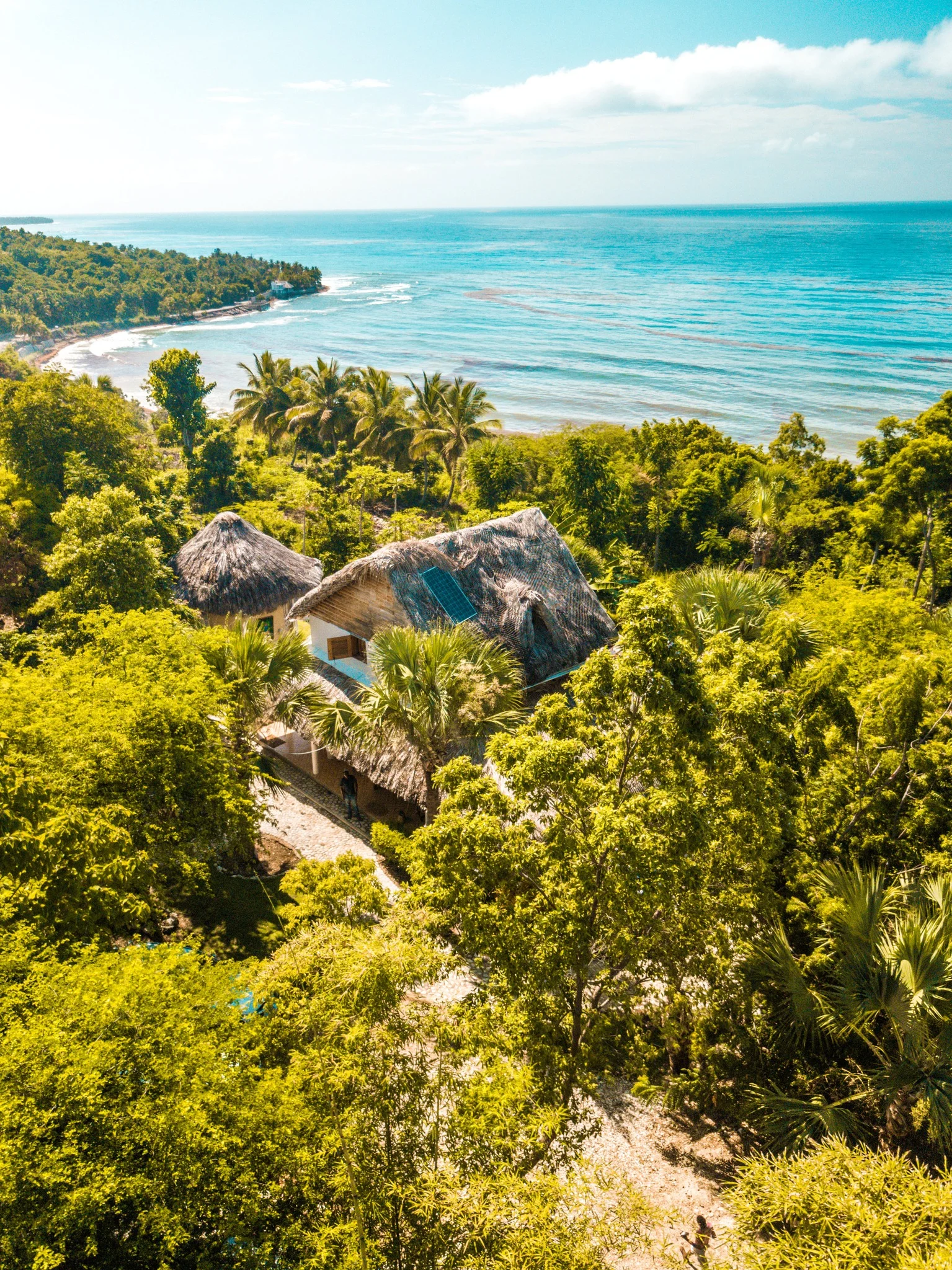
Haïti is blessed with spectacular natural landscapes, including white sand beaches, mountains and rich biodiversity.

Heritage

Heritage

Haïti has a rich historical heritage, including sites like the Citadelle Laferrière and the Sans-Souci Palace, listed as UNESCO World Heritage Sites.

Culture

Culture

Haïti has a rich and diverse culture, influenced by African, European and indigenous elements. Haitian music, dance, art and cuisine are celebrated around the world.

  • +
    • Post