contact@haitiwonderland.com+509 36184317

Discover

Shopping Cart

Haiti: The First Free Black Republic in the World

Haiti: The First Free Black Republic in the World

Haiti, a Caribbean island of great historical significance, is known for being the world’s first free black republic. His tumultuous journey, punctuated by revolts, struggles for freedom and independence, left an indelible mark in the annals of world history.

Haïti
Haïti
Haïti

Birth of the Haitian Revolution

During the 18th century, Haiti, then known as Santo Domingo, was the pearl of the Antilles. Its vast sugar plantations and rich exports of coffee and cotton were fueled by an economic system based on slavery. The slaves, torn from their lands of origin and transported by force, suffered inhumane conditions under the yoke of European colonists.

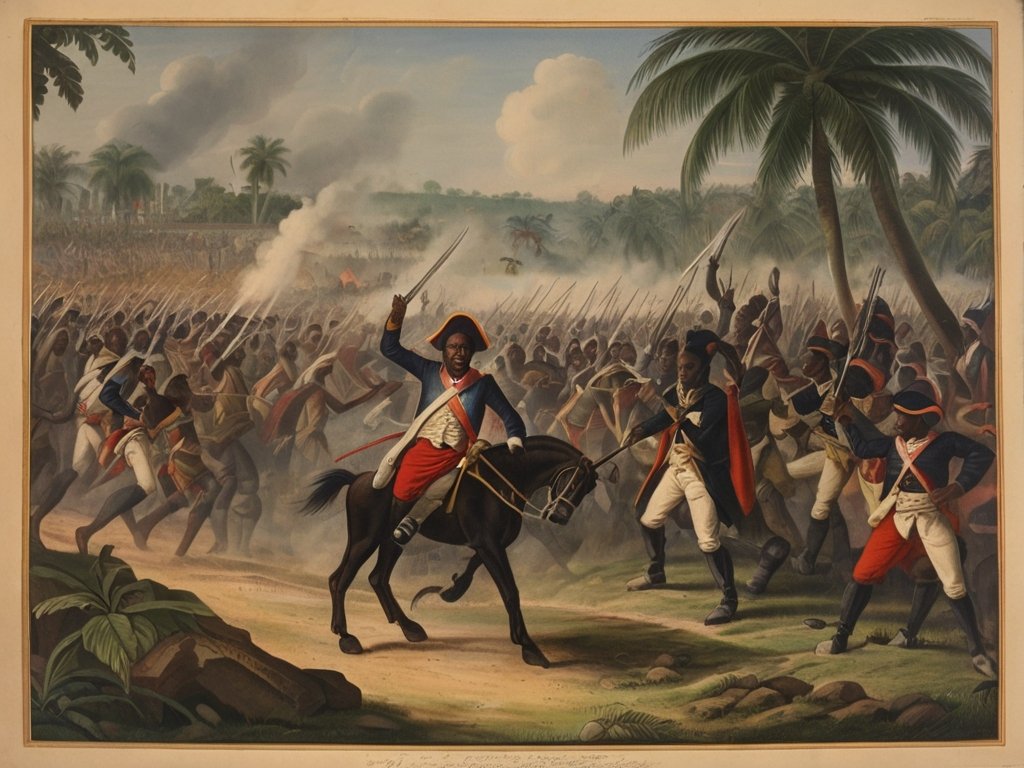
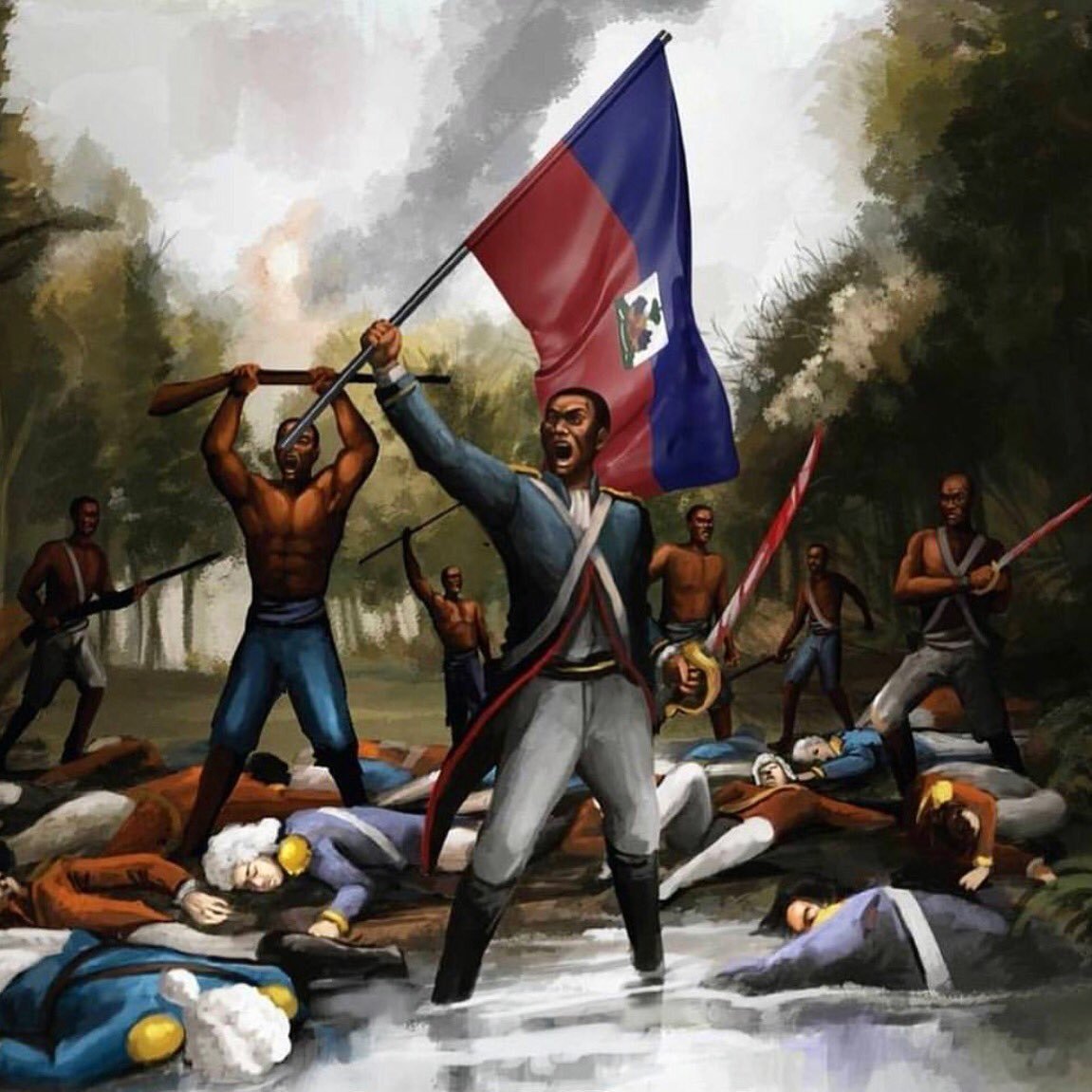
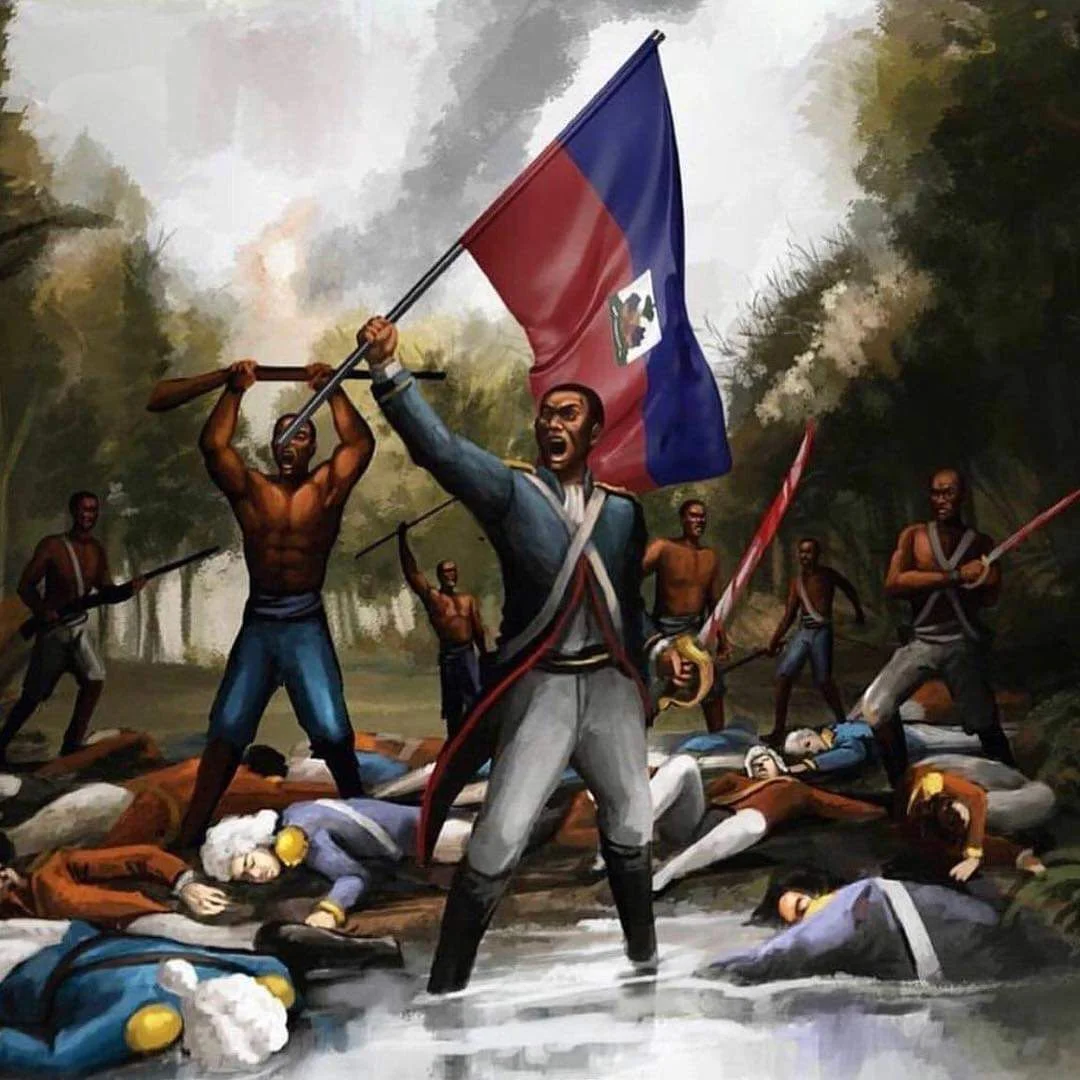
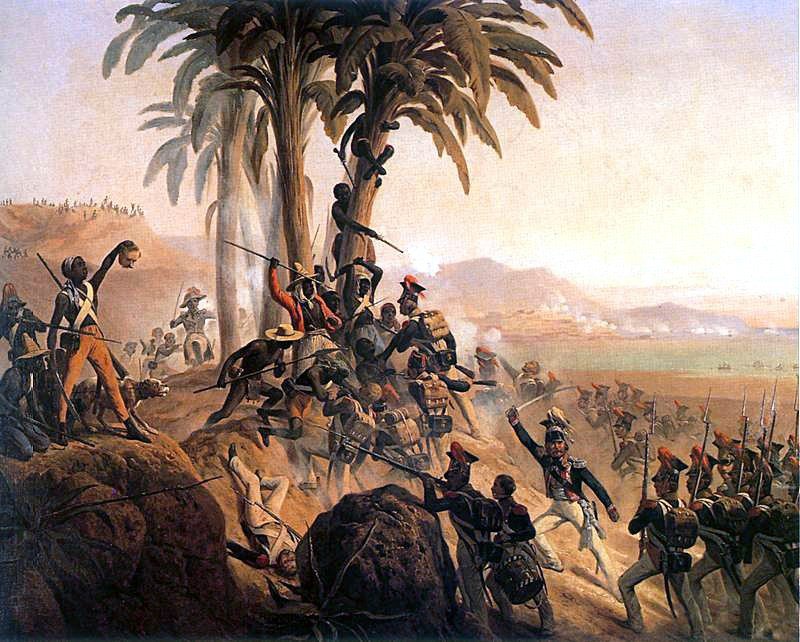
However, this oppression did not stifle Haitians’ desire for freedom. Inspired by the ideals of the French Revolution and galvanized by their own aspirations for independence, Haitian slaves rose up. The Haitian Revolution, led by iconic figures such as Toussaint Louverture, Jean-Jacques Dessalines and Henri Christophe, broke out in 1791 and ultimately resulted in the abolition of slavery in 1804.

Haïti
Haïti
Haïti

Independence and the Creation of the First Black Republic

On January 1, 1804, Haïti proclaimed its independence, becoming the first nation to be founded by former slaves. This declaration of independence sent shockwaves across the world, challenging the established colonial order and inspiring other liberation movements in the Americas and beyond.

The creation of the first black republic was much more than a simple military victory. It was a powerful symbol of resistance and human dignity, affirming that all people, regardless of their past, had the right to freedom and self-determination.

Haïti
Haïti
Haïti

Obstacles and Heritage

However, the path to stability and prosperity for Haïti has not been without obstacles. External pressures and foreign interference hampered the development of the newly independent nation. Furthermore, the burden of decades of colonial exploitation and the compensation owed to France, now worth more than $28 billion, have left deep economic and social scars that continue to be felt today. .

Despite these challenges, the legacy of the Haitian Revolution remains a beacon of hope and resilience. Haïti paved the way for other liberation movements around the world, inspiring generations of oppressed people to fight for their rights and dignity. His story reminds us that even in the face of the greatest adversity, human will can triumph and that freedom is an inalienable right.

Haïti remains a living symbol of courage, struggle and freedom. As the world’s first free black republic, its history continues to inspire and remind the world of the power of human resistance and the quest for justice.

Haitian Creole is our identity, it deserves to be valued: History, Origin and Evolution

Haitian Creole is our identity, it deserves to be valued: History, Origin and Evolution

The Haitian Creole, born in the 17th century during the French colonization on the island of Hispaniola, is not only a communication tool; it is an essential part of the Haitian identity. Despite being recognized as an official language in 1987, French is still considered an elite language, creating a social divide. In the educational system, where French is the language of instruction, Creole is often neglected, which affects the ability of students to understand what they are learning, especially for children from rural areas. It has a unique grammatical structure that facilitates learning, and serves as a means of cultural expression in literature, music, and other arts. The advancement of technology will allow Creole to gain more visibility in social media, but the stigmatization of the language still exists. Therefore, it is important for Creole to be valued in education and other sectors, to allow the new generation to grow up with pride for their heritage. The Haitian Creole language, which is the first language for the majority of people in Haiti, is not only a means of communication, but it is also a reflection of the cultural wealth and history of the people. In a country full of diversity, Creole and its origin, its evolution and its place in society, is a testimony of resistance and adaptation.

Share
About the Author
Appolon Guy Alain
Appolon Guy Alain
Appolon Guy Alain

Full Stack Developer, Créatif, expérimenté, passionné des nouvelles technologies et de l’art.

See other articles from Appolon Guy Alain
Leave a comment

Recently Posted

Haiti: Appolon Guy Alain, among the best Haitian developers

In the vast world of IT development in Haiti, there are figures who stand out for their talent, dedication and vision. Among them, Appolon Guy Alain emerges as one of the best developers in the country, recognized for his ingenuity and creativity. With a strong background in the field of software development, Apolon has managed to rise to the top of its field. Its reputation extends well beyond Haitian borders, attracting the attention and respect of many companies abroad. It is not only his technical expertise that sets him apart, but also his ability to combine art and technology in a unique way. Discover some of Guy Alain Appolon’s achievements by clicking on the following link: https://haitiwonderland.com/haiti/personnalite/le-webmaster-haitien--guy-alain-appolon-une-reference-incontestee/79 What makes Apolon unique is its versatility. As a full-stack developer, he excels in all phases of a project, from design to implementation to user interface development. His ability to merge his talents as a painter, professional musician and computer graphic designer allows him to create attractive interfaces that captivate users at first glance. The Haïti Wonderland website (www.haitiwonderland.com) is a shining example, captivating visitors with its attractive and intuitive design. Read also: https://haitiwonderland.com/haiti/personnalite/expert-en-seo-et-uiux-design--decouvrez-le-developpeur-haitien-appolon-guy-alain/65

Newsletter

Subscribe to our newsletter to stay informed of all our activities and news on Haiti.

There are several reasons why a foreign national might be interested in visiting Haiti

There are several reasons why a foreign national might be interested in visiting Haiti: Rich and diverse culture: Haïti has a unique culture resulting from a mixture of African, European (particularly French) and Caribbean influences. This is reflected in its music, cuisine, art and traditions. Fascinating history: Haïti was the first country in Latin America and the Caribbean to gain independence in 1804 after a successful slave revolt. Its history is rich in significant events and important historical figures. Magnificent natural landscapes: The island of Haïti offers a variety of breathtaking landscapes, from white sandy beaches to lush green mountains, picturesque waterfalls and isolated islands. Hospitality of the locals: Haitians are known for their warmth and hospitality towards foreign visitors, making the travel experience very pleasant and enriching on a human level. Opportunities for Sustainable Tourism: Haïti offers opportunities for sustainable tourism, including encouraging visits that directly benefit local communities and environmental conservation. Exploring historic sites: Historic sites such as the UNESCO-listed Citadelle Laferrière offer visitors a chance to discover colonial architecture and remains from pre-Columbian times. Vibrant cultural celebrations: Haïti is famous for its colorful festivals and cultural celebrations throughout the year, such as Carnival, where music, dance and traditional costumes are in the spotlight. In summary, visiting Haïti can offer a deep and authentic cultural experience, as well as an exploration of the unique natural and historical beauties of this Caribbean nation.

Recently Posted

History

History

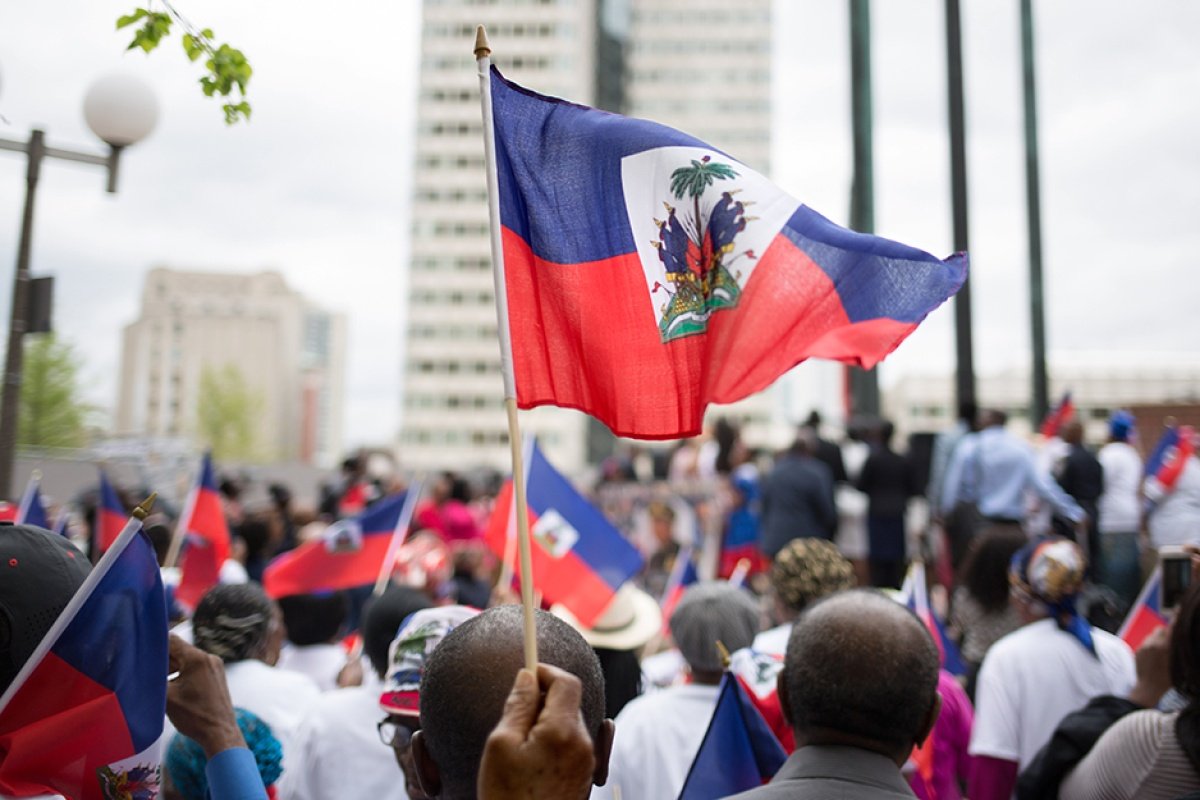
First black nation to free itself from slavery and gain independence from France in 1804 and influenced other liberation movements around the world, inspiring struggles for freedom and equality.

Natural beauty

Natural beauty

Haïti is blessed with spectacular natural landscapes, including white sand beaches, mountains and rich biodiversity.

Heritage

Heritage

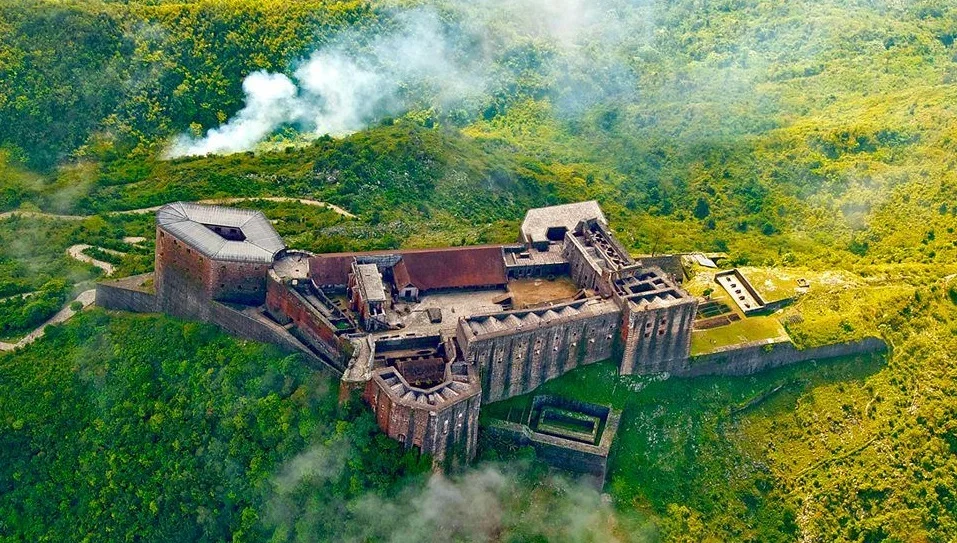
Haïti has a rich historical heritage, including sites like the Citadelle Laferrière and the Sans-Souci Palace, listed as UNESCO World Heritage Sites.

Culture

Culture

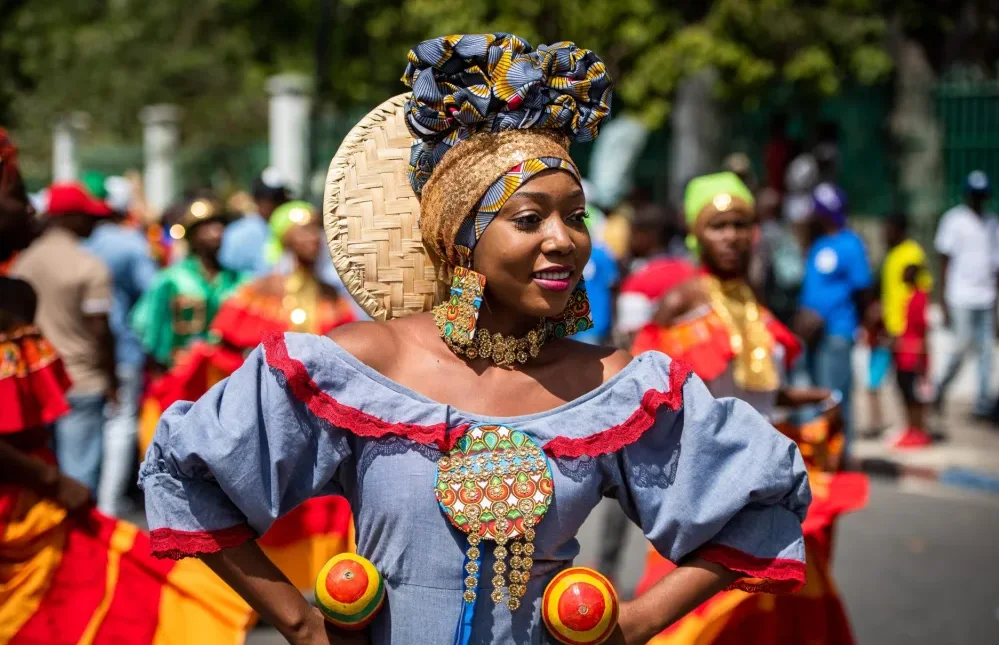
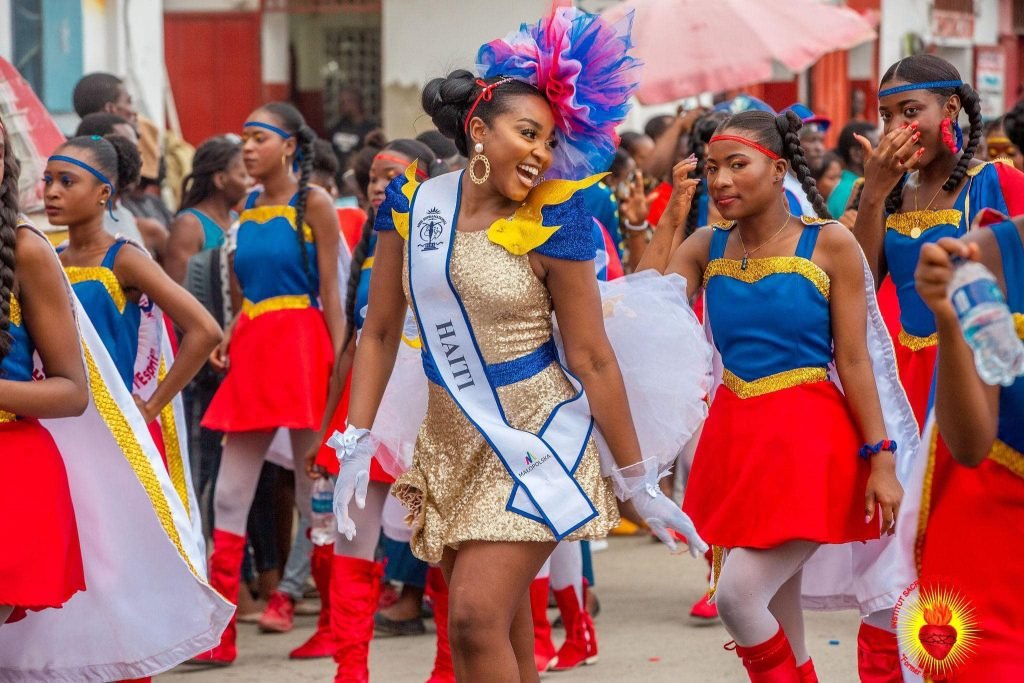
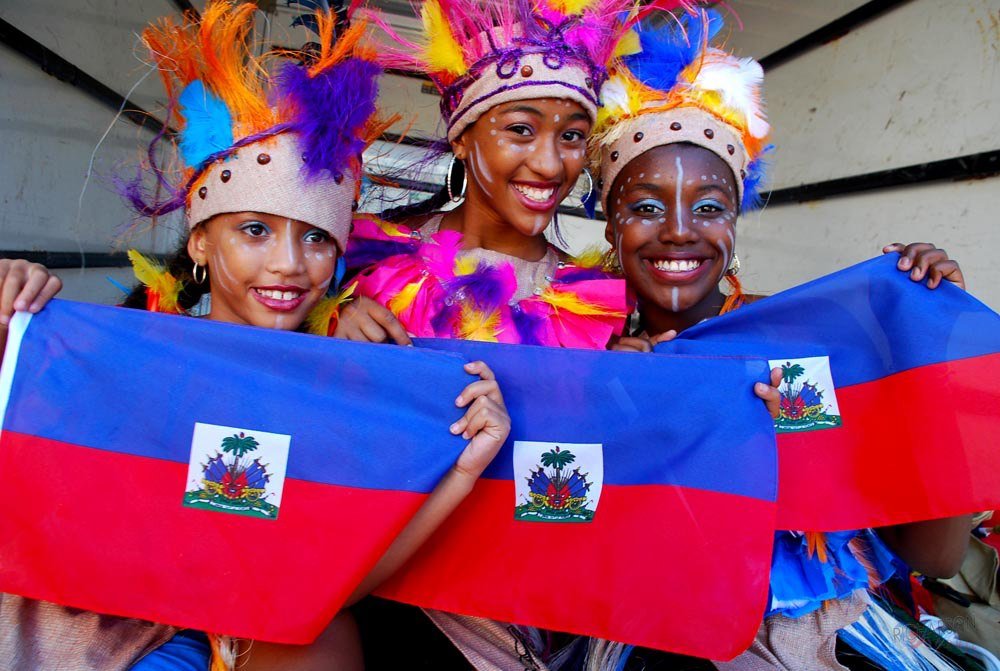
Haïti has a rich and diverse culture, influenced by African, European and indigenous elements. Haitian music, dance, art and cuisine are celebrated around the world.

  • +
    • Post