contact@haitiwonderland.com+509 36184317

Discover

Shopping Cart

The Legacy of Haiti’s Founding

The Legacy of Haiti’s Founding

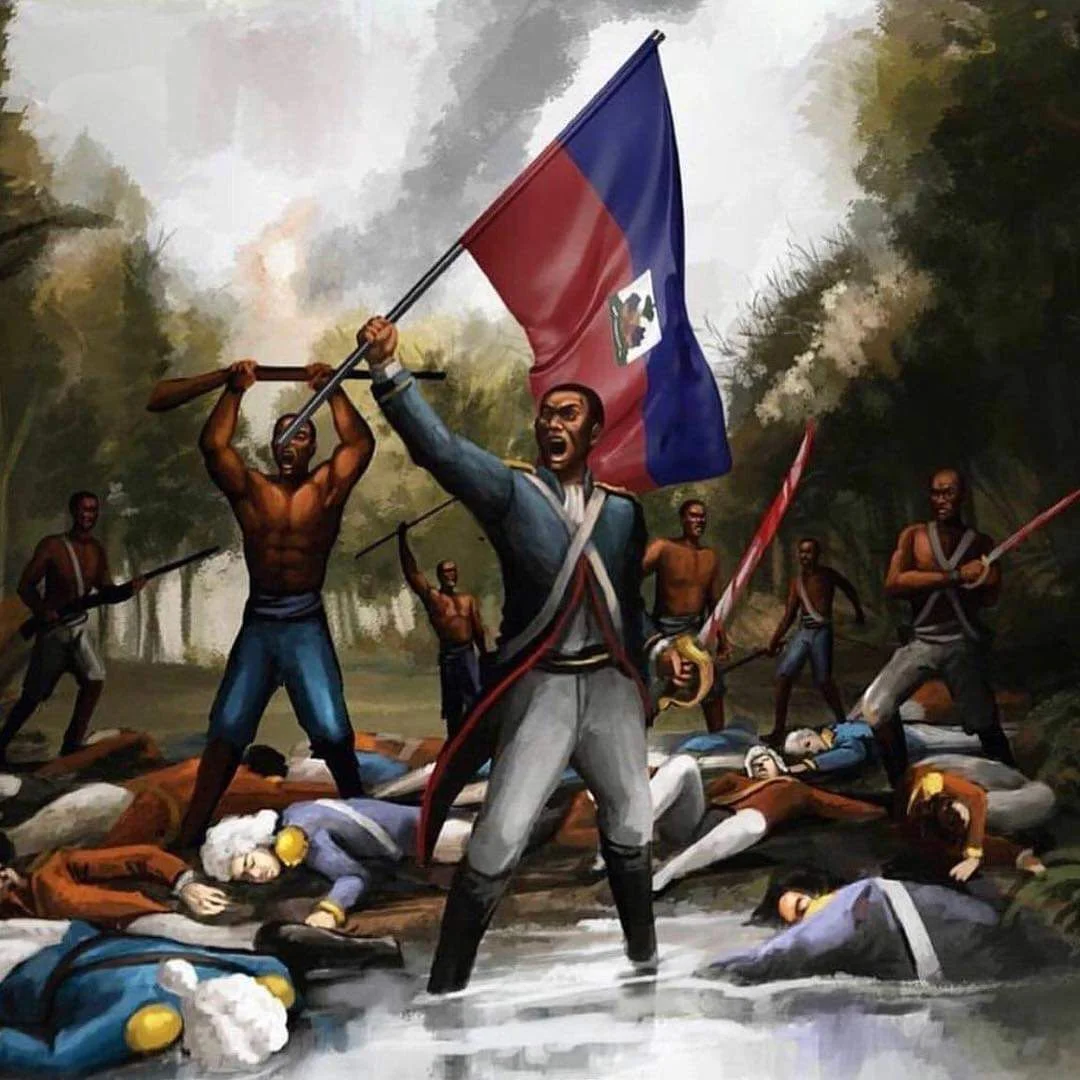
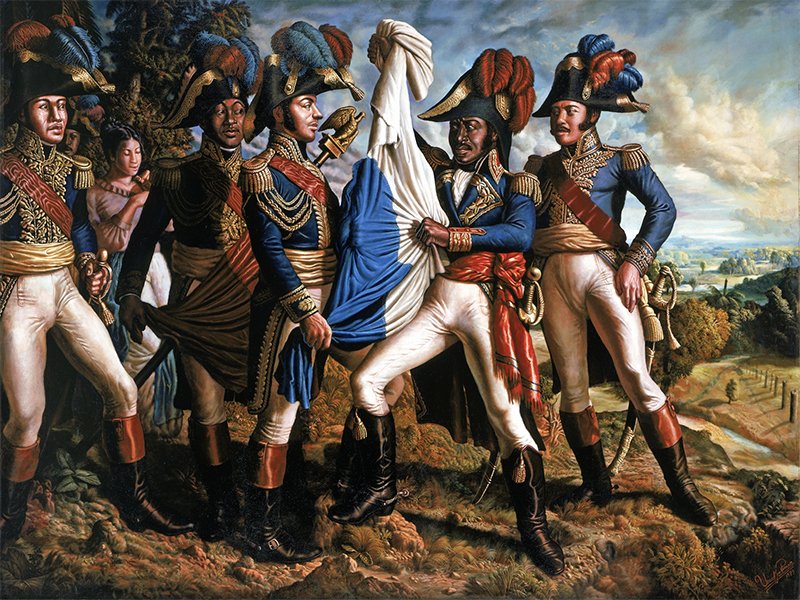
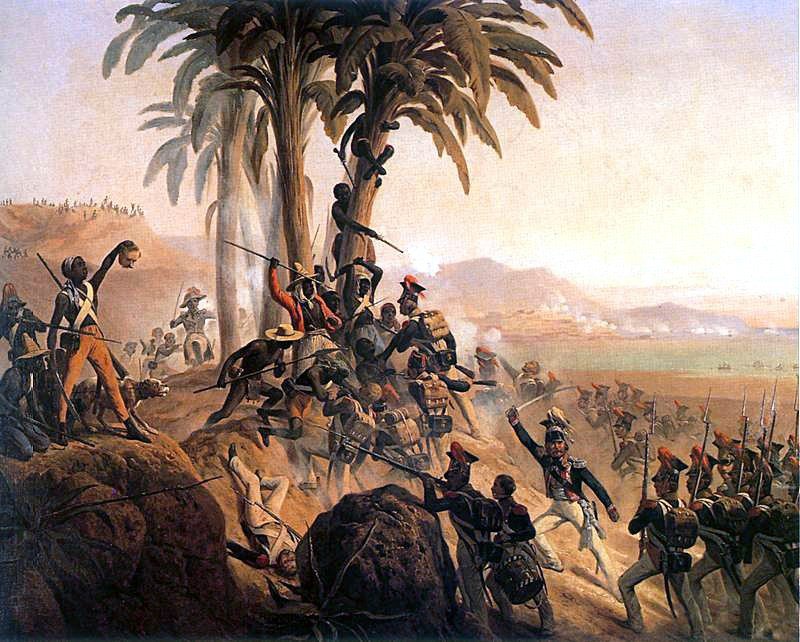
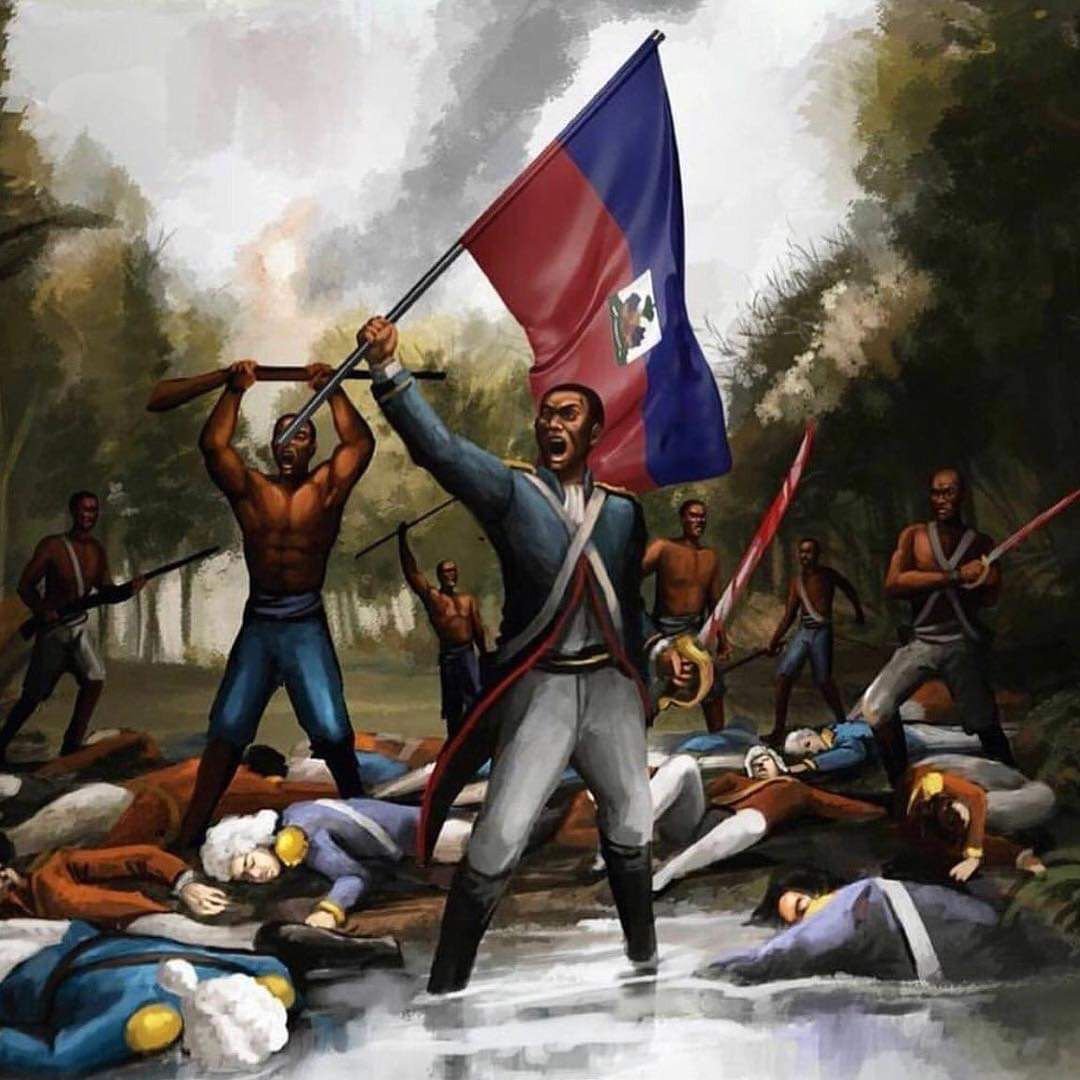
Haiti’s independence, proclaimed on January 1, 1804, marked a major turning point in world history. As the first independent black republic, Haïti laid the foundation for an exceptional legacy, forged through the struggle for freedom, dignity, and equality. This legacy extends far beyond the borders of this island nation, influencing generations and inspiring movements around the world.

A Universal Symbol of Freedom

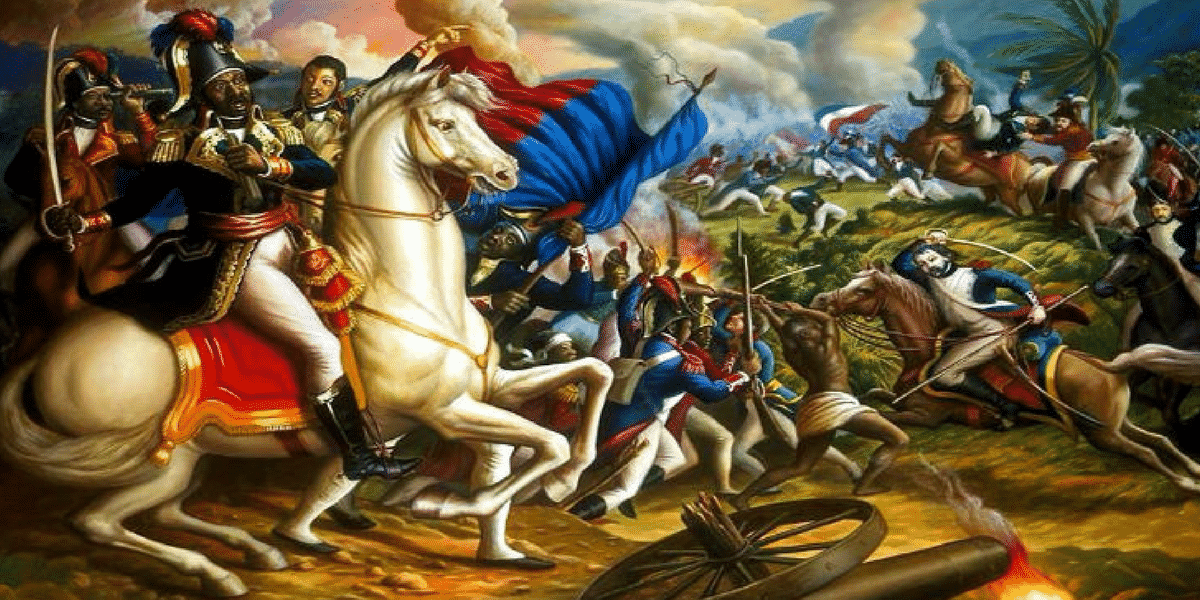
The birth of Haïti is above all a triumph against slavery, oppression, and colonialism.

- The first black republic: Haïti proved that oppressed peoples could free themselves and establish their own destiny.
- A global example: The Haitian revolution inspired other emancipation movements in Latin America, Africa, and even the United States.
- A Declaration of Humanity: By rejecting the slave system, Haïti loudly affirmed that all human beings are equal and free.
Post-Independence Challenges

However, this path to freedom came at a cost. Haïti faced immense challenges to preserve its independence.

- The Debt of Independence: In 1825, Haïti was forced to pay an exorbitant indemnity to France in exchange for official recognition of its independence. This debt weighed heavily on the country’s economy.
- International Isolation: Fearing that the Haitian example would encourage other slave revolts, many nations boycotted Haiti, slowing its development.
- A Complex Nation-Building: The lack of government experience and internal divisions complicated the consolidation of the young republic.

A powerful cultural and identity heritage

Despite these obstacles, the Haitian people have preserved and enriched their heritage.

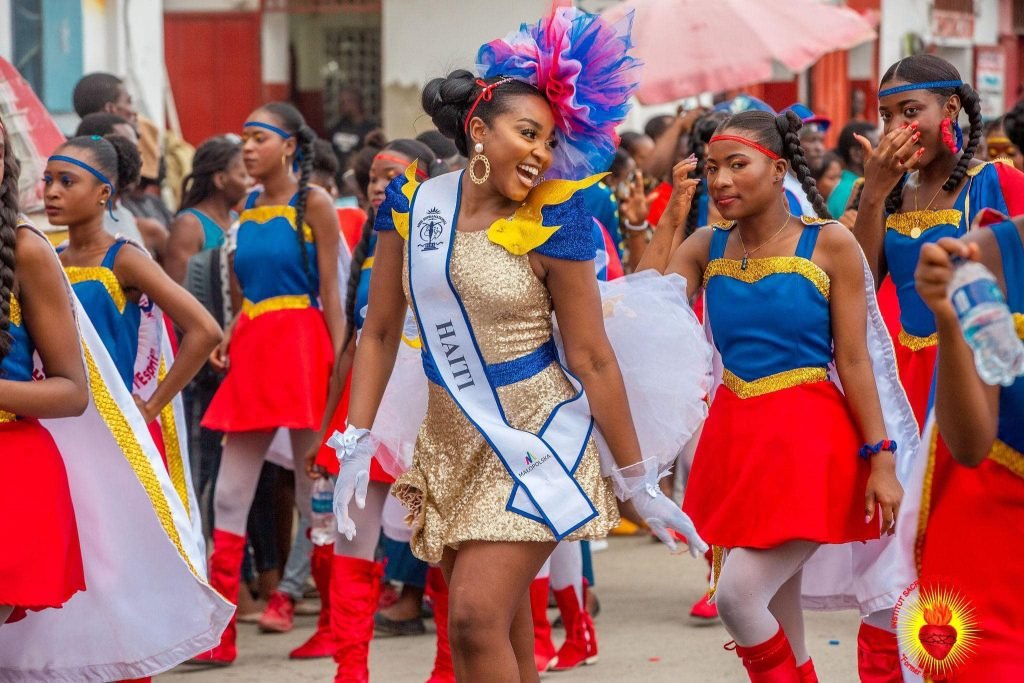
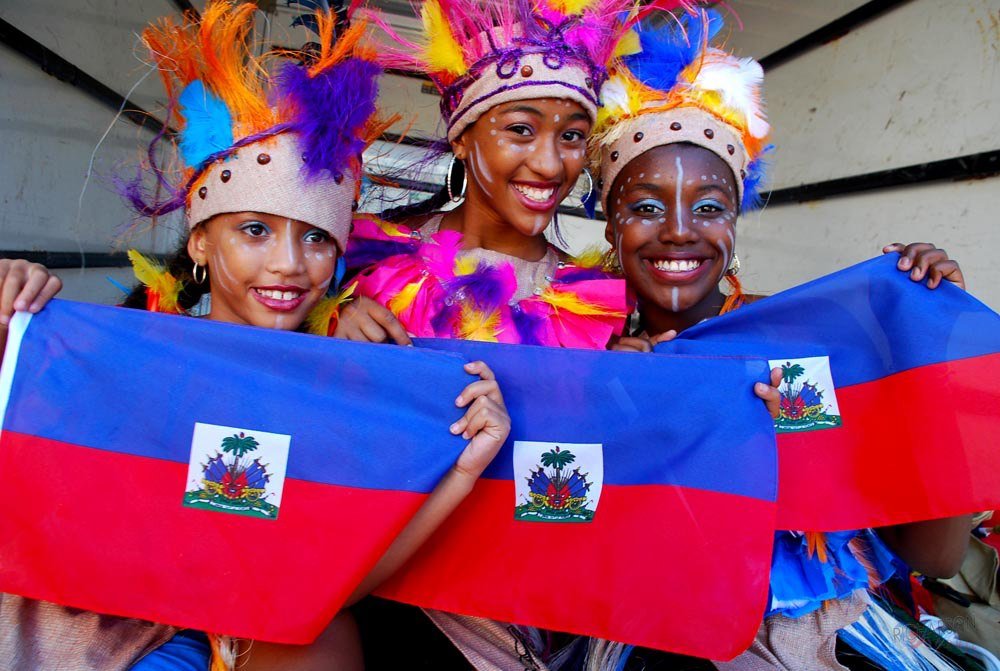
- A vibrant culture: Haïti is known for its unique art, music, literature and traditions, merging African, European and indigenous influences.
- A pride in identity: Independence has shaped a strong national identity, centered on resilience and self-determination.
- An example for the diaspora: Haitians around the world continue to uphold the values ​​of their nation, helping to enrich the communities where they settle.

A message for humanity

The legacy of Haiti’s founding is not limited to its territory.

- A call for social justice: Haïti recalls the importance of fighting against injustice and inequality, a message that is still relevant today.
- A model of resilience: Despite adversity, Haïti remains an example of courage and tenacity for the entire world.
- A symbol of dignity: Haïti embodies the universal right to self-determination and respect for human rights.

Preserving the heritage, building the future

Haiti’s glorious past is a source of inspiration, but it also serves as a foundation for building a better future.

- Investing in education: Passing on Haiti’s history and values ​​is essential for future generations.
- Strengthening institutions: Consolidating democracy and infrastructure is essential to honoring the legacy of the founders.
- Promoting cultural riches: Haiti’s art and culture must continue to shine throughout the world.

An imperishable legacy

The legacy of Haiti’s founding transcends the boundaries of time and space. It reminds us that the fight for freedom, equality, and human dignity is a universal struggle.

By honoring Haiti’s history, we celebrate humanity’s ability to overcome the harshest challenges to build a better world. Today, Haïti remains a beacon of hope and pride, carrying within it the soul of a revolution that changed the course of history.

And you, what does Haïti mean to you? Share your thoughts and be inspired by this extraordinary legacy.

Share
About the Author
Appolon Guy Alain
Appolon Guy Alain
Appolon Guy Alain

Full Stack Developer, Créatif, expérimenté, passionné des nouvelles technologies et de l’art.

See other articles from Appolon Guy Alain
Leave a comment

Recently Posted

The Republic of the Stateless?

Haïti is making headlines all over the world. And it’s not good news. The exploits of Haitians rarely generate so much interest, but we always tend to point out the excesses, spill ink to stir up thorns in the side, broadcast on loop to relay the chaos that is raging. There is hardly any media to make amends for the resilience of this cornered people. No one to highlight the fierce resistance that serves as fuel for this people hanging in the gorges of death. And what if it was to a certain extent the only way to talk about this country to finally attract attention? It is July 26, 2024. The Olympic Games have just started in France. The 33rd Olympiad of modern times. Without realizing it, according to Forbes Magazine, Haïti ranks among the ten nations with the best costume, proudly pointing to third place. At the same time, miles away from France, on “The Island of Skillfully Orchestrated Chaos,” Haitians do not even realize how much this recognition borders on irony. A paradox whose unpopular evocation is likely to greatly displease. An aerial image shows the city of Paris in all its splendor, illuminated like the gates of paradise, reflecting all the grandeur of France, all the magnificence it has acquired over the centuries, without forgetting the contribution of the blood shed by the horrible machine of colonization. I close my eyes, I go back in time, I see again this boy left to his own devices, lost without even knowing it, doomed to failure without even understanding it. And then there are the others. Boys in the same situation, or worse. Banished from society, they do not know what life has in store for them. They form the elegant class of the marginalized, in their quality of scoundrels, good-for-nothings, and thugs who spoil the splendor of society. This contrast challenges me, and I wonder for a moment if those who live the chaos from the outside grasp the stakes and the reality of the situation. Moreover, it seems to me that even the majority of Haitians living in the territory have no notion of the fundamental and essential aspects of the situation.

Newsletter

Subscribe to our newsletter to stay informed of all our activities and news on Haiti.

Haitian rhythms: Exploring musical and dance traditions

Haiti, a land rich in history and cultural diversity, offers a unique musical treasure through its captivating rhythms. Haitian music, deeply rooted in the fusion of different African, European and Caribbean influences, constitutes a vibrant expression of national identity. One of the distinctive elements of Haitian music is its rhythmic diversity, reflecting the many facets of daily life, from religious celebrations to moments of joy and sorrow. Haitian rhythms, carrying contagious energy, are a reflection of the soul of the Haitian people. One of Haiti’s most iconic musical genres is direct compas, which emerged in the 1950s. This catchy rhythm, coupled with captivating melodies, has captured hearts globally. The direct compass embodies the fusion of different musical styles, including jazz, merengue, and elements of traditional Haitian music. Haitian musical traditions are not limited to contemporary sounds. Vodou, an ancestral spiritual practice, also has a major influence on Haitian music. Vodou rhythms, often associated with religious ceremonies, create a deep connection between spirituality and artistic expression. Furthermore, dance is inseparable from Haitian music. The graceful and energetic movements of traditional dances like rasin, combined with captivating rhythms, transport dancers and spectators to a world where bodily expression becomes a living art form. Exploring the musical and dance traditions of Haïti is like diving into a universe where history, culture and spirituality are harmoniously woven together. These rhythms, passed down from generation to generation, are much more than simple notes; they embody the soul of a people and the richness of its diversity. Celebrating these traditions pays homage to Haiti’s exceptional cultural heritage and its invaluable contribution to the global music scene.

Recently Posted

History

History

First black nation to free itself from slavery and gain independence from France in 1804 and influenced other liberation movements around the world, inspiring struggles for freedom and equality.

Natural beauty

Natural beauty

Haïti is blessed with spectacular natural landscapes, including white sand beaches, mountains and rich biodiversity.

Heritage

Heritage

Haïti has a rich historical heritage, including sites like the Citadelle Laferrière and the Sans-Souci Palace, listed as UNESCO World Heritage Sites.

Culture

Culture

Haïti has a rich and diverse culture, influenced by African, European and indigenous elements. Haitian music, dance, art and cuisine are celebrated around the world.

  • +
    • Post