Several centuries ago, in the heart of the Atlantic Ocean, an island of captivating beauty and incredible wealth, called Hispaniola, attracted the attention of the world’s powerful. Discovered by Christopher Columbus in 1492, the island became the center of covetousness. But the colonial powers did not yet know that the island concealed within it an indomitable people. The Tainos, the first inhabitants, resisted the invader with the spirit of freedom. They were crushed, but their untamed spirits persisted in the wind, in the earth, and, much later, in the dreams of the African slaves who would come.
Centuries pass and, under the merciless yoke of the French colonists, the island is transformed into a vast field of sugar cane, cultivated by the hands of slaves from Africa. These men and women, deported against their will, carry within them the hope of one day freeing themselves, of breaking the chains of oppression. And it is this dream, this sacred fire, which will burst forth in a revolt so great that it will mark the history of the world forever.
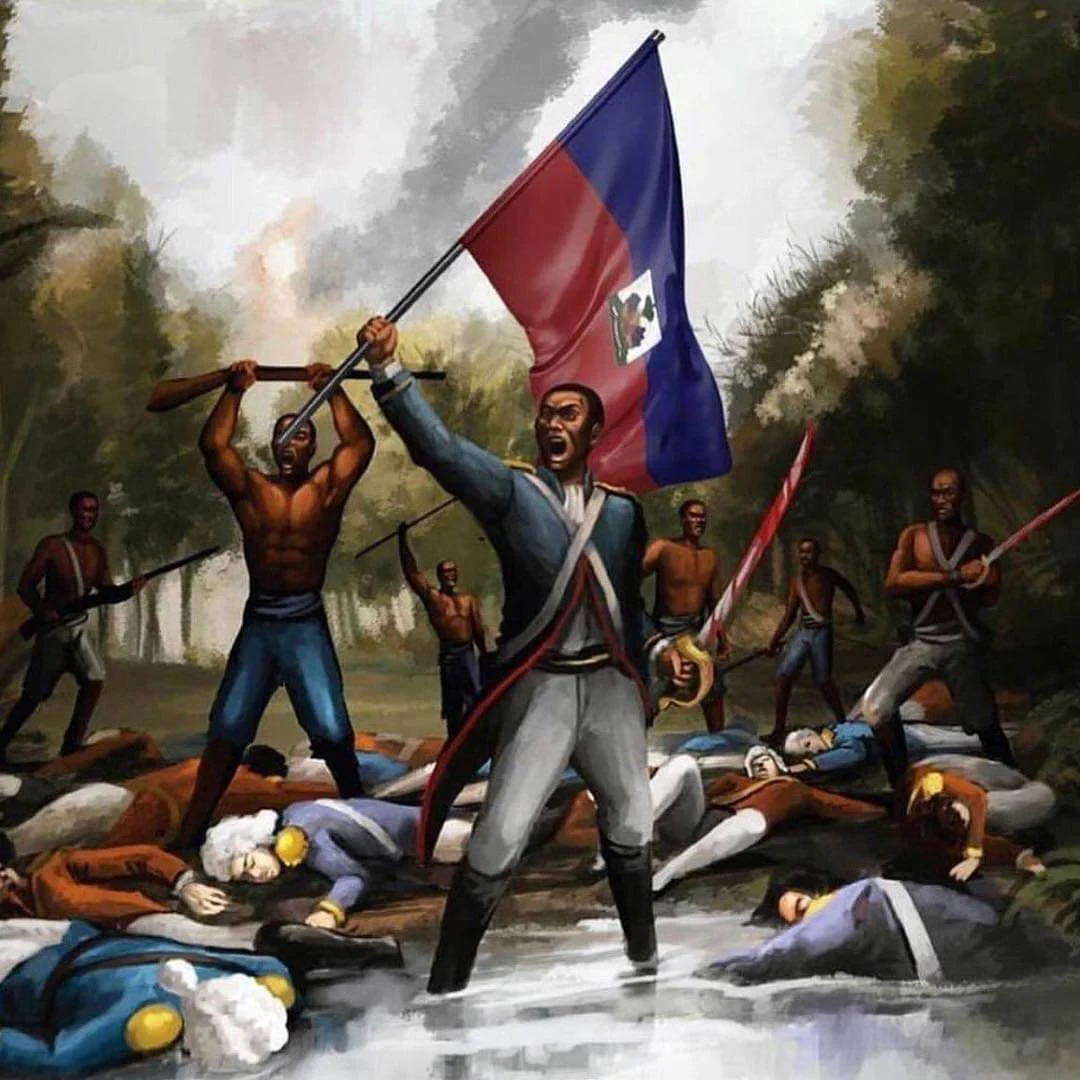
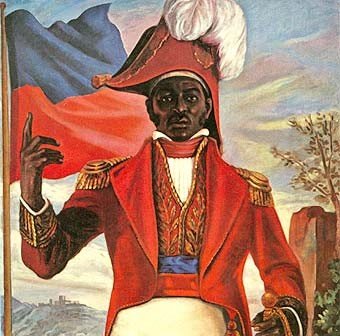
At the turn of the 18th century, the land of Haïti is ablaze. The slave Toussaint Louverture, born from the shadows and silence, sees in himself a call he cannot ignore: that of freedom. He was not born to be a simple servant, but to lead his people to victory. A revolt breaks out, at first discreet, then devastating. The wind of the ancestors blows on the mountains, and an oppressed people rises up against their oppressors.
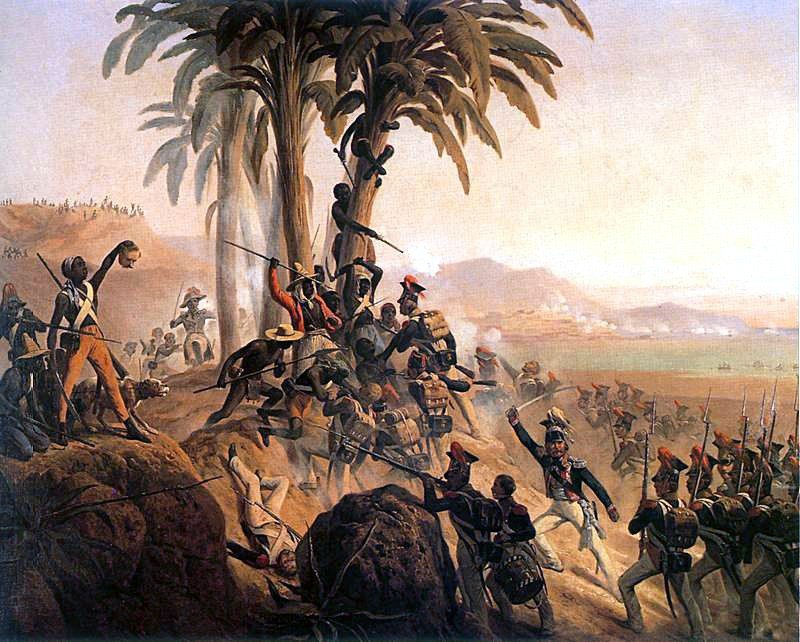
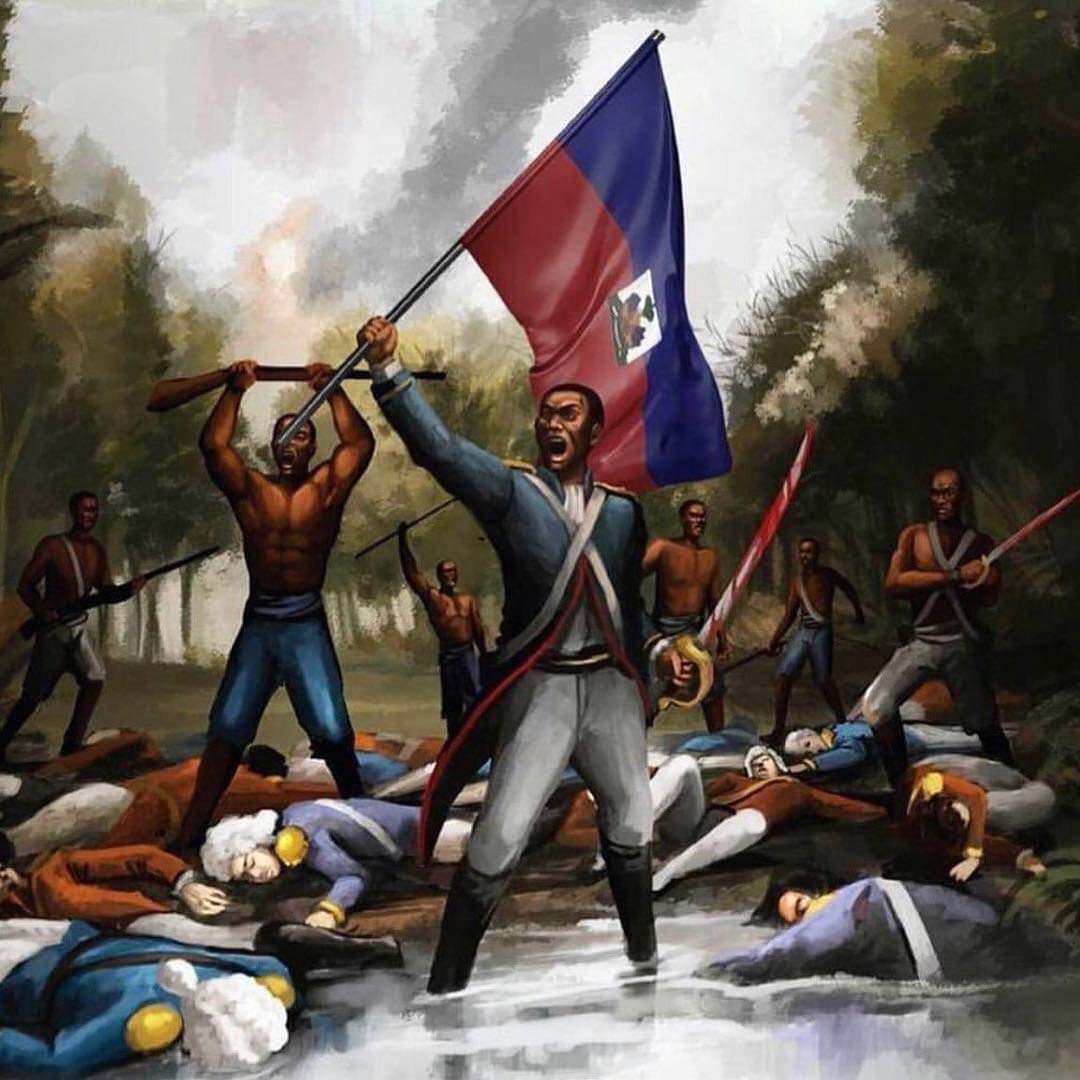
The French armies, formed and trained, are taken by surprise by slaves who have become warriors. Toussaint Louverture, at the head of this insurrection, orchestrates epic battles where bravery and cunning mingle. His stratagems, his alliances with other nations, and his unequaled charisma make him a legendary hero. He fights not only for his people, but for the very idea of freedom. Haiti’s revolutionary army will stop at nothing. After years of fierce fighting, after facing French, Spanish and British forces, Haiti, in 1804, announces to the world that it is free. It is the first nation to abolish slavery, to offer a future to the oppressed of all lands.
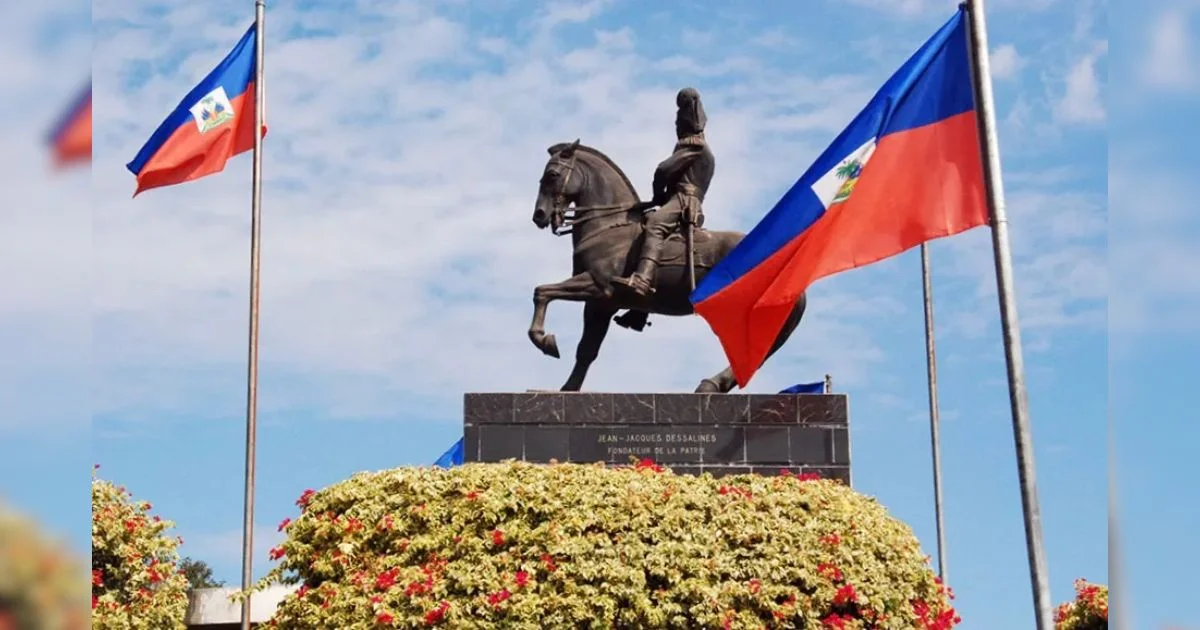
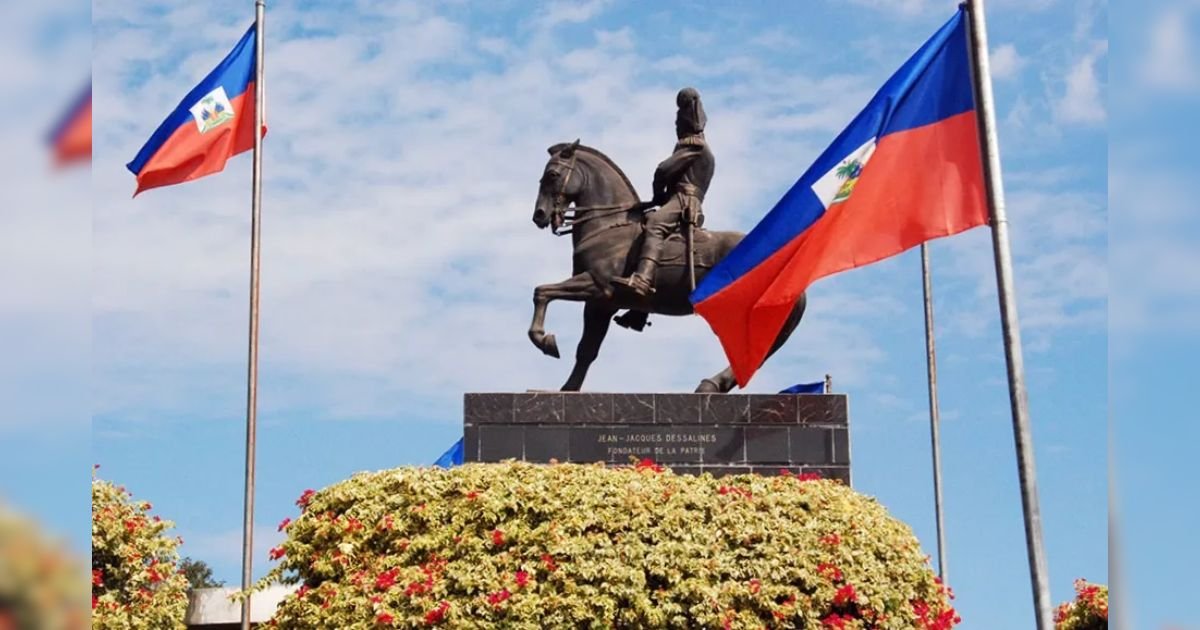
On January 1, 1804, the world witnesses the birth of a new nation, a nation forged in blood and freedom. Haïti is not only a country; it is a symbol. A beacon of light for the oppressed, an example that struggle can lead to victory. The heroes of this revolution, like Jean-Jacques Dessalines and Henri Christophe, are immortalized, their courage become legendary.
Haiti, a very young nation, is built on the ideals of equality, justice and fraternity. Yet the trials are only just beginning. The colonial powers, vexed and humiliated, seek to smother the flame of independence. France, in a final act of vengeance, imposes a colossal debt, a price for freedom that the country will have to pay. But, even crushed under this heavy burden, the Haitian nation does not waver.
Over the following centuries, Haïti goes through trials worthy of the greatest epics. Dictatorships that seem to plunge the country into darkness, earthquakes that shake the very foundations of the earth. But with each trial, with each sorrow, the Haitian people rise again. They rise again, like a Phoenix rising from its ashes. Haiti, a land of dreams and struggle, remains standing against the devastating winds of history.
In the 1980s, the Haitian people, fueled by the spirit of resistance, brought down the tyranny of the Duvaliers. The streets of Port-au-Prince echoed with the songs of freedom regained. Haïti knows no fear, because it knows that it was forged in war and revolt. No obstacle can ever extinguish the flame of independence that burns in the heart of every Haitian.
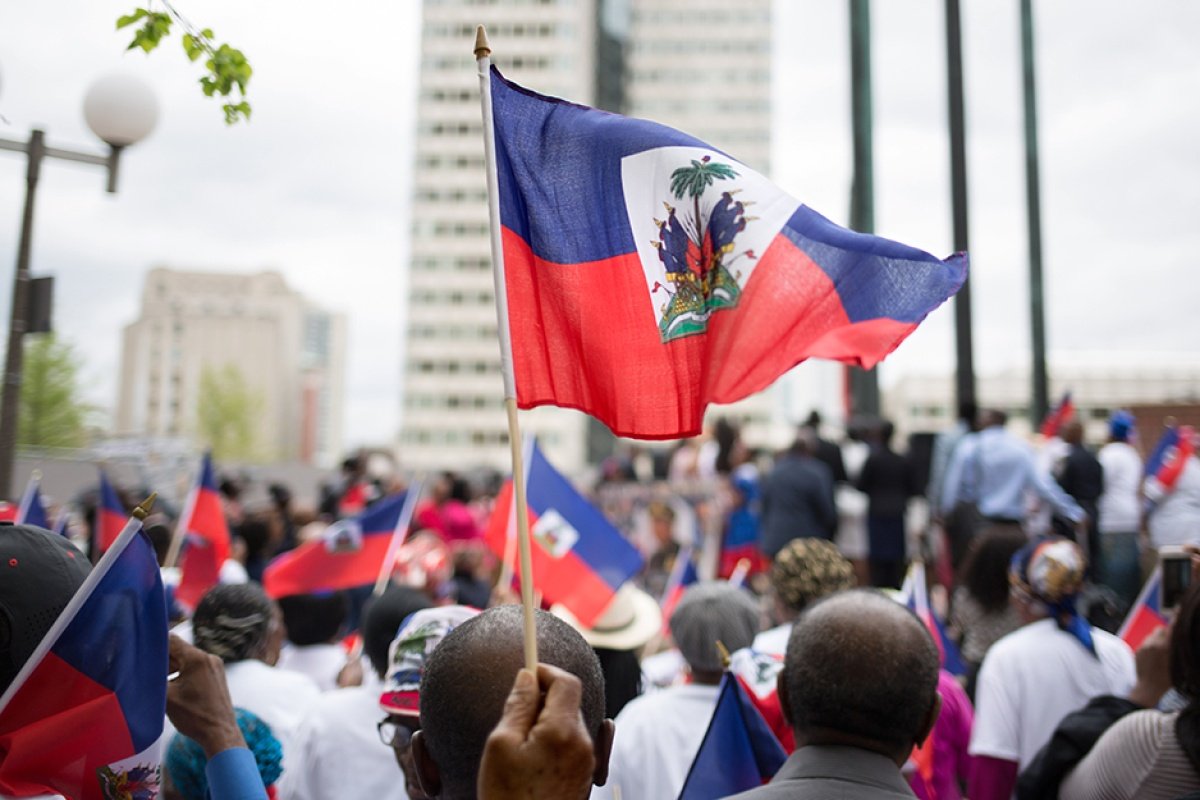
Today, Haïti still bears the scars of its past, but it is a living testimony to the human capacity to overcome adversity. Haitians, strong in their history, are building a future on solid foundations: hope, solidarity and the infinite beauty of their culture. The music, the art, the dance, all speak of a nation that lives, that dreams, that refuses to submit.
Haïti is a living legend, a legend that continues to be written every day. From its magnificent beaches to its majestic mountains, every corner of this land tells a story of courage, sacrifice, and victory. The legend of Haïti is that of a people who, in the face of oppression, stood up and said: "We are free, and nothing and no one can ever take away our freedom."
Haïti is not just a country. It is an eternal legend. And as long as the spirit of its ancestors lives, Haïti will shine like an indomitable star in the sky of history.
Share
About the Author
Appolon Guy Alain
Appolon Guy Alain
Full Stack Developer, Créatif, expérimenté, passionné des nouvelles technologies et de l’art.
You listed all the European invaders. Why did you avoid mentioning the United States? From 1915 to 1932, the US controlled Haiti. Many thousands of Haitian freedom fighters were killed, and many hundreds of villages were burnt to the ground. That is astounding, considering the bravery of Haitians who refused to surrender because they wanted their autonomy back.
First black nation to free itself from slavery and gain independence from France in 1804 and influenced other liberation movements around the world, inspiring struggles for freedom and equality.
Natural beauty
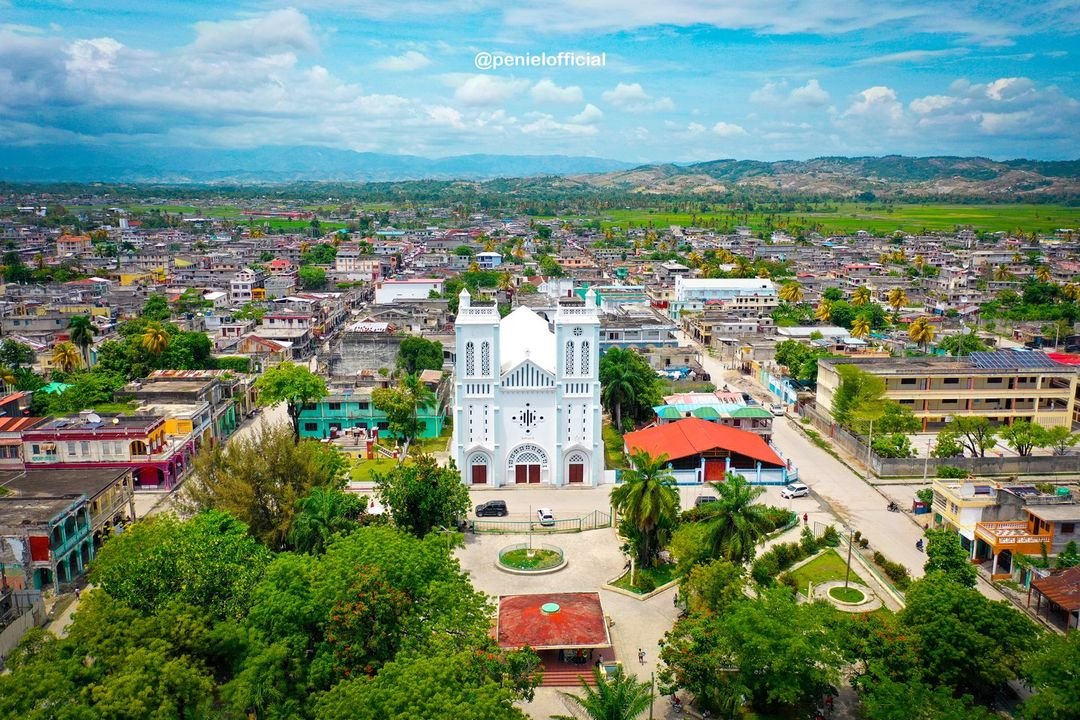
Haïti is blessed with spectacular natural landscapes, including white sand beaches, mountains and rich biodiversity.
Heritage
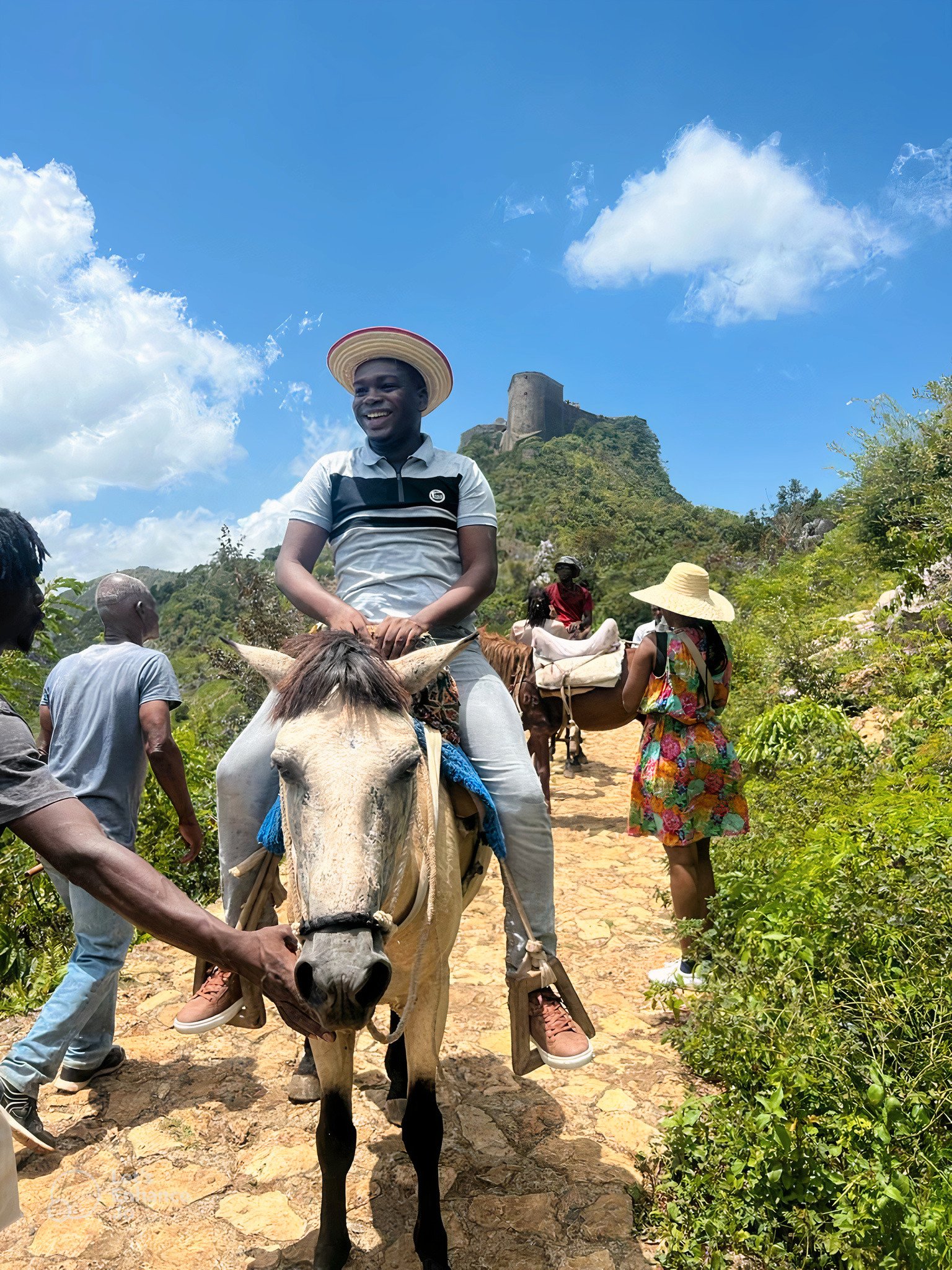
Haïti has a rich historical heritage, including sites like the Citadelle Laferrière and the Sans-Souci Palace, listed as UNESCO World Heritage Sites.
Culture
Haïti has a rich and diverse culture, influenced by African, European and indigenous elements. Haitian music, dance, art and cuisine are celebrated around the world.































You listed all the European invaders. Why did you avoid mentioning the United States? From 1915 to 1932, the US controlled Haiti. Many thousands of Haitian freedom fighters were killed, and many hundreds of villages were burnt to the ground. That is astounding, considering the bravery of Haitians who refused to surrender because they wanted their autonomy back.
May 04, 2026 - 02:22:47 AM