contact@haitiwonderland.com+509 36184317

Discover

Shopping Cart

What is the meaning of the word “Haiti”?
What is the meaning of the word  Haiti ?
What is the meaning of the word Haiti ?

What is the meaning of the word “Haiti”?

The word “Haiti” is deeply rooted in the history and culture of the island, representing much more than just a name. It symbolizes an identity, a heritage, and a unique geography. But what is the true meaning of this iconic word? Let’s explore its origins, history, and symbolic significance.

Taino Origin: Land of High Mountains

“Haiti” originates from the word “Ayiti,” which comes from the language of the Taino, the indigenous inhabitants of the island before the arrival of Europeans.

- Literal meaning: “Ayiti” means “land of high mountains.”
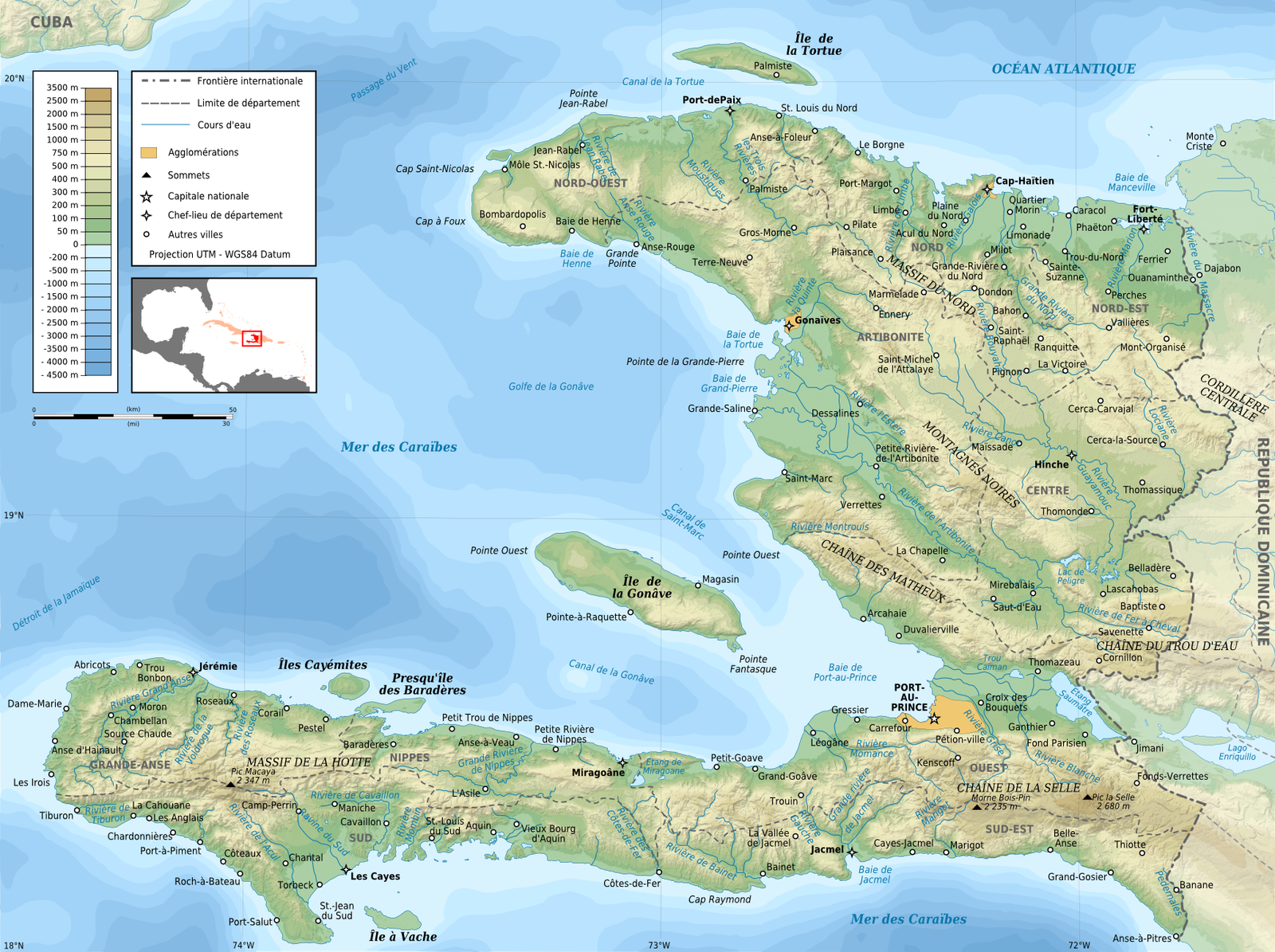
- Geographical reference: This name reflects the mountainous landscape that characterizes the island, with imposing ranges such as the Massif de la Selle, peaking at 2,680 meters above sea level, and the Massif du Nord.

For the Taíno, this term not only described the geography, but also the natural wealth and beauty of their land.

Post-independence revival

Before independence, the island was known by different names:
- Hispaniola: Given by Christopher Columbus in 1492, this name meant “Little Spain”.
- Santo Domingo: Used by the French to designate their colony.

After the Haitian Revolution and the proclamation of independence in 1804, the founders of the country decided to give the island back its original name, “Haiti”.

- Back to the roots: This choice reflected a desire to break with the colonial past and honor the first inhabitants of the island.
- National identity: By adopting this name, Haïti affirmed its uniqueness and cultural pride.

A profound symbolism

Beyond its geographical meaning, the word "Haiti" embodies values ​​and aspirations that transcend the centuries.

- Strength and resilience: The mountains evoked in the name symbolize the Haitian people’s capacity for resistance in the face of adversity.
- Freedom: By becoming the first independent black republic in the world, Haïti gave new meaning to its name, becoming a beacon for liberation movements across the globe.
- Cultural pride: The name "Haiti" recalls the cultural richness of the country, with its traditions, its art and its contribution to world history.

A cultural and natural wealth

The name "Haiti" also reflects the natural and cultural treasures of the nation.

- Mountainous landscapes: With more than 60% of the territory composed of mountains, Haïti lives up to its name. These reliefs offer spectacular views and are home to unique biodiversity.
- Cultural Heritage: Beyond geography, “Haiti” symbolizes a rich culture, blending African, European and indigenous influences, visible in music, art, gastronomy and traditions.

This word is a key to understanding the soul of the country, where nature and culture intertwine harmoniously.

A Universal Heritage

In addition to being the name of a nation, “Haiti” has a universal resonance.

- A Symbol of Freedom: The first independent black republic, Haïti is a beacon of hope and resistance in world history.
- A Message of Resilience: Despite challenges, the name “Haiti” continues to inspire through its ability to overcome adversity.

This name, steeped in history, reminds us that freedom and dignity are values ​​worth fighting for.

The True Meaning of “Haiti”

Beyond its literal translation, “Haiti” represents the hope, pride, and memory of a people. It is a word loaded with emotion and symbolism, embodying both the natural beauty of the island and the depth of its history.

When you say “Haiti,” you evoke a land of mountains, struggles, and unparalleled cultural richness. It is a name that invites you to explore, understand, and celebrate.

And what does “Haiti” mean to you? Share your thoughts and discover even more about this fascinating nation!

Share
About the Author
Appolon Guy Alain
Appolon Guy Alain
Appolon Guy Alain

Full Stack Developer, Créatif, expérimenté, passionné des nouvelles technologies et de l’art.

See other articles from Appolon Guy Alain
Leave a comment

Recently Posted

Newsletter

Subscribe to our newsletter to stay informed of all our activities and news on Haiti.

Guédés: When Haïti celebrates its ancestors with color and fervor

Every November 1st and 2nd, Haïti comes alive with the colors black and purple to celebrate the Guédés, spirits venerated in the voodoo religion, symbols of a powerful bond between the living and the dead. Fascinating, indomitable and provocative, the Guédés form a true family in the pantheon of Haitian voodoo, where they are respected for their role as spiritual guides of the deceased to the afterlife. Led by iconic figures such as the legendary Baron Samedi and his companion Grann Brigitte, the Guédés embody the paradoxes of life and death. Each Baron has a unique personality: Baron Cimetière, Baron Kriminel, and Baron La Croix are the guardians of the souls that wander on the borders of the world of the dead. Together, they form a powerful and somewhat frightening presence, but one that is deeply rooted in Haitian culture. The Guédés are not like other voodoo spirits; they demonstrate their fearlessness in a spectacular way. Accustomed to death, they are fearless and are provocative: they eat glass, raw peppers, and coat their sensitive parts with rum and pepper. These gestures mark their indifference to danger and remind us that they have already known earthly life. They are thus psychopomps – these beings who lead the souls of the dead – and act as bridges between the world of the living and that of the dead. Some Guédés, like Guédé Nibo, wear black, purple, and white clothing, each with unique characteristics. They are many and varied: Guédé Fouillé, Guédé Loraj, Papa Guédé, and many others. These are the spirits who, each year, remind Haitians of the importance of remembering and honoring the deceased. The cult of the Guédés is not only religious; it is also cultural and historical. According to tradition, their spiritual territory, or “Fètomè” – nicknamed the “Country without Hats” – is a place where the souls of ancestors reside. According to stories, the origins of this cult go back to the Abomey plateau, the ancient capital of the kingdom of Dahomey, in Africa, where death and life coexist in a form of symbiosis. This celebration in Haïti even finds echoes in ancient history. The Romans also honored their dead with the “Fête des Lémuria”, which took place in February, to ward off spirits and restore peace between the world of the living and that of the deceased. For Haitians, honoring the Guédés is about accepting death as a part of life and celebrating the invisible bonds that unite us with those who have left us. It is also a way of resisting, because life, despite its challenges, must be celebrated in all its complexity and depth.

Recently Posted

History

History

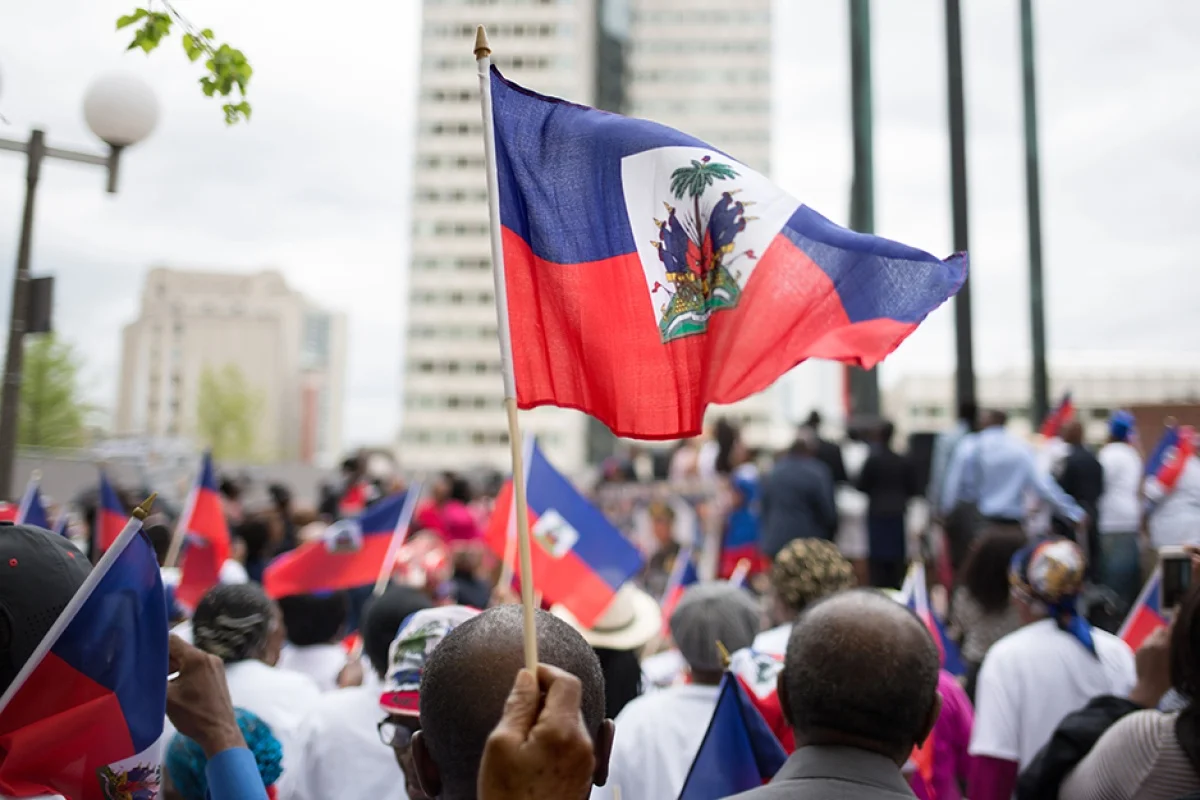
First black nation to free itself from slavery and gain independence from France in 1804 and influenced other liberation movements around the world, inspiring struggles for freedom and equality.

Natural beauty

Natural beauty

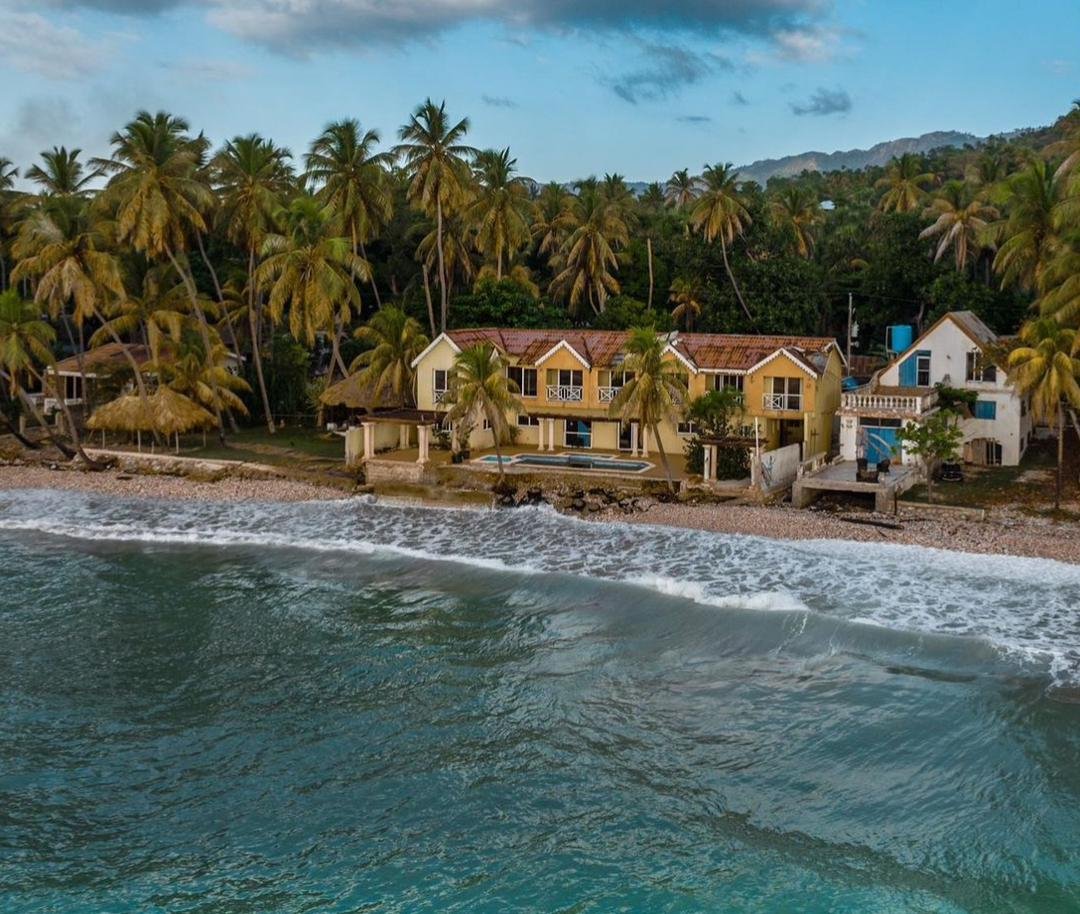
Haïti is blessed with spectacular natural landscapes, including white sand beaches, mountains and rich biodiversity.

Heritage

Heritage

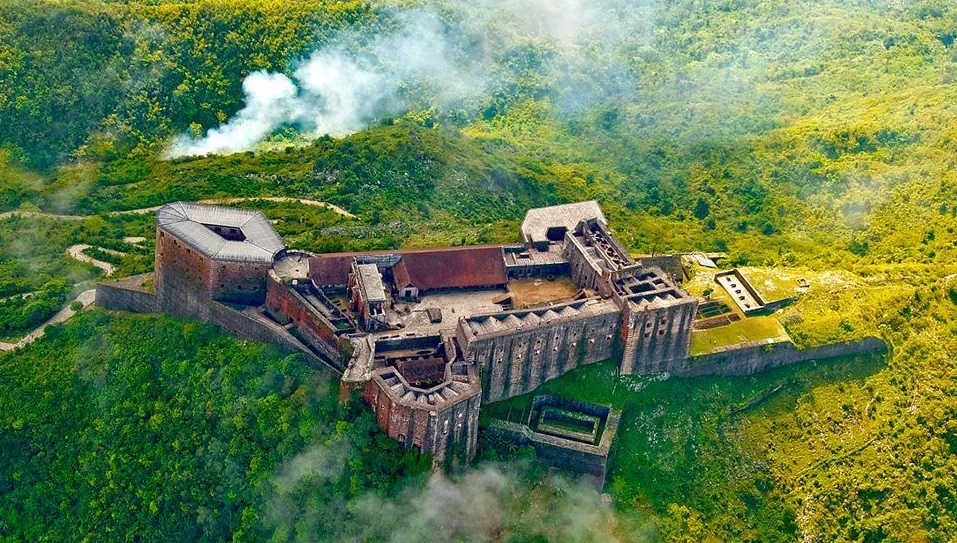
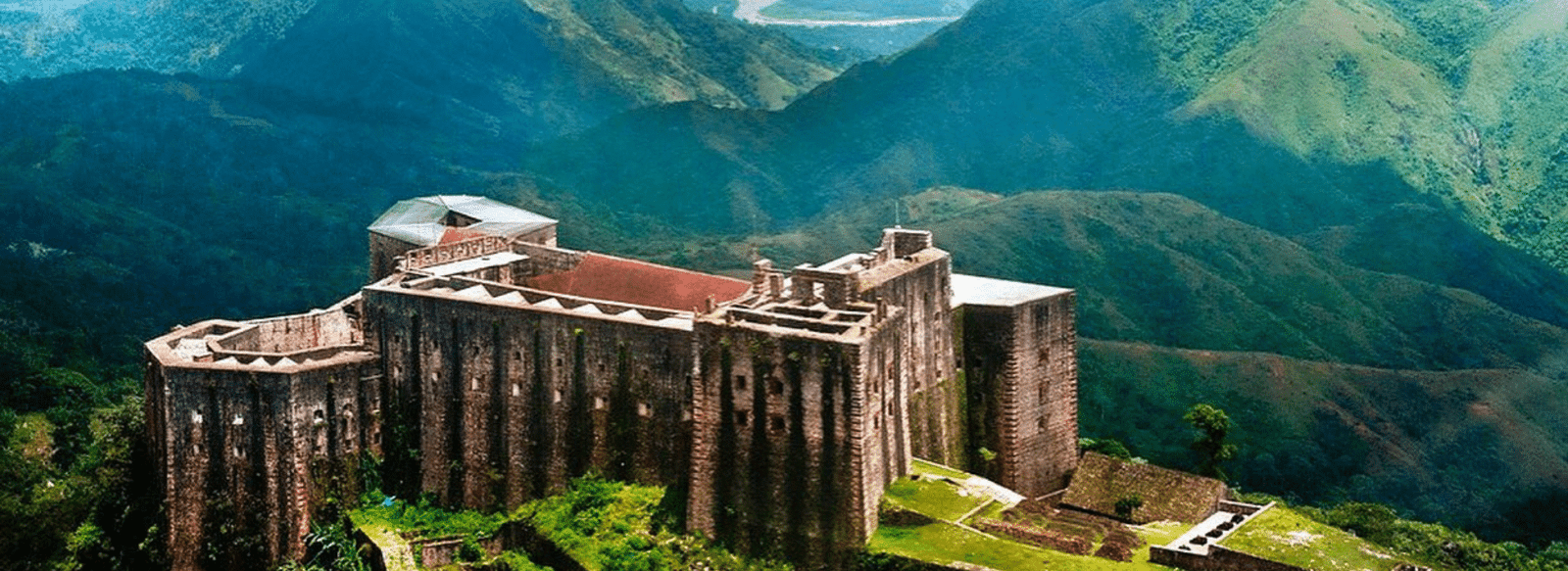
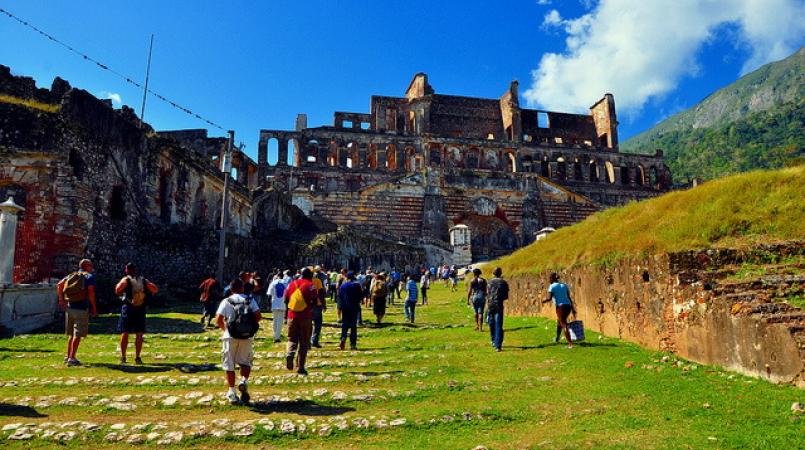
Haïti has a rich historical heritage, including sites like the Citadelle Laferrière and the Sans-Souci Palace, listed as UNESCO World Heritage Sites.

Culture

Culture

Haïti has a rich and diverse culture, influenced by African, European and indigenous elements. Haitian music, dance, art and cuisine are celebrated around the world.

  • +
    • Post