UNESCO, Haïti Jazz Foundation and MCC Unite for Kreyol Jazz
On Monday, April 28, 2025, UNESCO, represented by Mr. Éric Voli Bi, Director for Haiti, the Haïti Jazz Foundation, represented by Ms. Milena Sandler, Executive Director, and Mr. Joel Widmaier, Artistic Director of PAP Jazz, along with the Ministry of Culture and Communication, represented by Ms. Stéphanie Saint-Louis, Director of Cultural Affairs at the MCC, held a press conference at UNESCO’s office on Rue Geffrard in Pétion-Ville. During the event, they announced their alliance to promote Kreyol Jazz.
Read the article in :


Summary
The press conference also marked the launch of a festival to be held from April 29 to May 3 in Pétion-Ville, Jacmel, and Cap-Haïtien. It will celebrate International Jazz Day on April 30 and will serve as a platform for major discussions on Kreyol Jazz. An international conference on April 29, themed "Kréyol Jazz: Multiple Identities, Market, a Musical Genre," will bring together experts, musicians, producers, researchers, broadcasters, and institutions from the Creole-speaking world to explore this unique genre that unites diverse styles (Vodou Jazz, Maloya Jazz, Biguine Jazz, Jazz Ka, Caribbean Jazz…) within the Francophone space. The goal is to enhance visibility, tap into its economic potential, and uncover new opportunities for Haïti and the wider Creole world. This festival will also echo the recent PAP Jazz Festival, reaffirming Haiti’s musical vibrancy despite ongoing political and security challenges. According to the organizers, Kreyol Jazz reflects Haitian creativity and can enhance the country’s image. They used the global celebration of jazz to spark deep reflection on the benefits this genre could bring to Haiti. Ms. Stéphanie, speaking on behalf of Minister Patrice Delatour, emphasized the Ministry’s strong support for this initiative, which not only promotes Haitian music but also the Creole language as a vital tool of national identity. She added that it could improve the livelihoods of many young Haitian musicians. Joel Widmaier, representing the Haïti Jazz Foundation, expressed honor in being part of the project and highlighted the foundation’s pivotal role in spreading this genre in Haiti. UNESCO, leading the initiative, emphasized through its Haïti Director that this festival is part of the "State-Citizen" relationship project, carried out with UNDP and IOM, and funded by the Peacebuilding Fund. The project aims to promote Kreyol Jazz as a distinct and marketable genre, celebrating Creole traditions and fusion in a spirit of social cohesion, youth inclusion, and cultural and economic development.
See as well





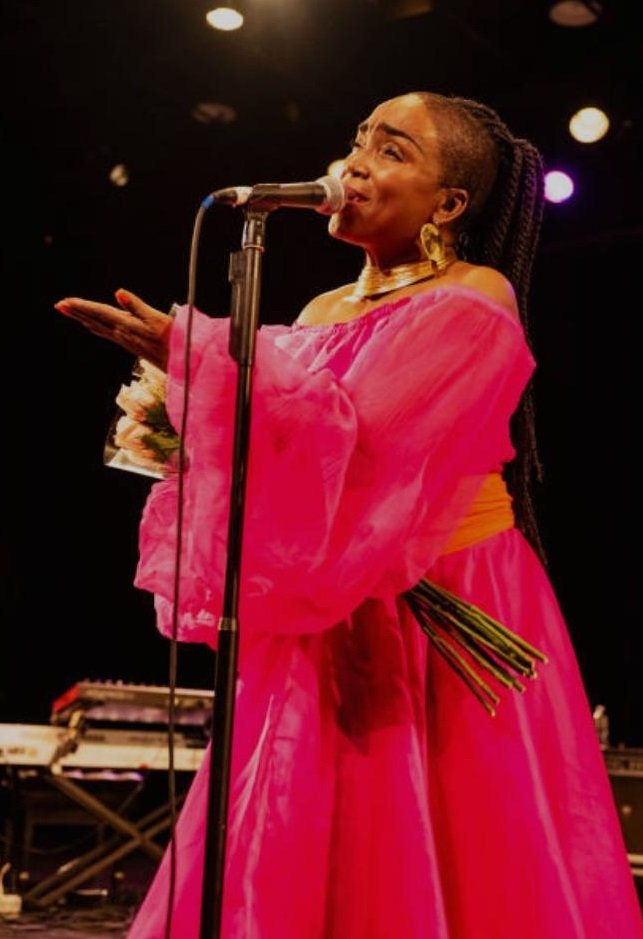


The goal is to enhance visibility, tap into its economic potential, and uncover new opportunities for Haïti and the wider Creole world. This festival will also echo the recent PAP Jazz Festival, reaffirming Haiti’s musical vibrancy despite ongoing political and security challenges.
According to the organizers, Kreyol Jazz reflects Haitian creativity and can enhance the country’s image. They used the global celebration of jazz to spark deep reflection on the benefits this genre could bring to Haiti.
Ms. Stéphanie, speaking on behalf of Minister Patrice Delatour, emphasized the Ministry’s strong support for this initiative, which not only promotes Haitian music but also the Creole language as a vital tool of national identity. She added that it could improve the livelihoods of many young Haitian musicians.