contact@haitiwonderland.com+509 36184317

Discover

Shopping Cart

What is the current population of Haiti?

What is the current population of Haiti?

Haiti, this jewel of the Caribbean, is known for its revolutionary history, vibrant culture, and breathtaking landscapes. But how many people call this land rich in tradition and diversity home? This article explores Haiti’s current population and how it has changed over time, while providing an overview of the challenges and opportunities related to its demographics.

Haiti’s Population in 2024

Currently, Haiti’s population is estimated at 12.4 million, according to United Nations data. This figure makes Haïti the most populous country in the French-speaking Caribbean and the third largest in the region, after Cuba and the Dominican Republic.

Some key statistics:
- Population growth rate: About 1.5% per year, a moderate increase that reflects a still relatively high birth rate.
- Population Density: With approximately 452 inhabitants per square kilometer, Haïti is one of the most densely populated countries in the region.

These figures highlight the vitality of the Haitian people, while posing challenges for the management of resources and infrastructure.

A Historical Demographic Evolution

Since its independence in 1804, the Haitian population has continued to grow. In 1950, Haïti had approximately 3.1 million inhabitants. This figure has quadrupled in just 70 years, due to a high birth rate and increasing life expectancy.

- In 1980, the population reached 5.4 million.
- In 2000, it exceeded 8 million.
- Today, it is approaching 12.5 million, reflecting a constant demographic dynamic.

This rapid growth also reflects the importance of young people in Haitian society, with 40% of the population under 18.

A Contrasting Geographic Distribution

Haiti’s population is primarily urban, although the country remains marked by a strong rurality:

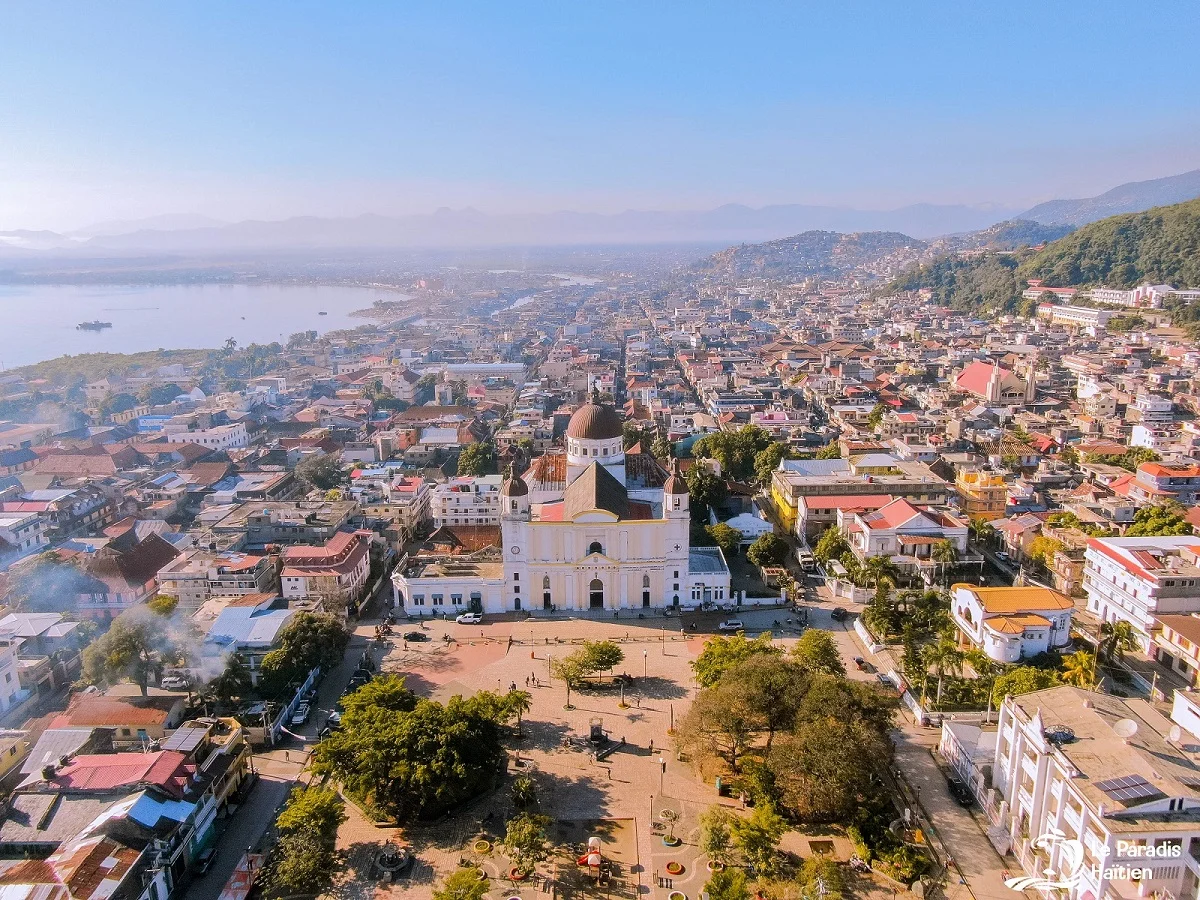
- Port-au-Prince, the capital, is the economic and political heart of the country, with a population of approximately 3 million, or nearly 25% of the national population.
- Secondary cities such as Cap-Haïtien, Les Cayes and Gonaïves also play an important role, but remain less densely populated.
- Rural areas are still home to nearly 40% of the population, although the rural exodus to large cities continues to accelerate.

This distribution highlights the challenges associated with rapid urbanization, particularly in terms of housing, education and public health.

The Challenges and Opportunities of a Young Population

With a predominantly young population, Haïti has enormous human potential. However, this youthfulness comes with significant challenges:

- Education: Approximately 60% of children attend primary school, but only 20% reach secondary school. Investing in education is therefore essential to transform this youth into an economic and social force.
- Employment: Unemployment affects nearly 40% of young workers, highlighting the need to diversify the economy to create more opportunities.
- Health: Health services must be strengthened to meet the growing needs of the population.

Despite these challenges, a young population can be a major asset for Haiti, particularly in the areas of innovation, entrepreneurship and community development.

Migration and Diaspora: A Key Component

A large portion of Haitians live abroad, forming a diaspora estimated at 4 million people. These communities, spread mainly across North America, Europe, and the Caribbean, play a crucial role in the country’s economy:

- In 2023, remittances from the Haitian diaspora represented nearly 35% of the national GDP, or approximately US$4 billion.
- The diaspora also contributes to Haiti’s cultural influence internationally, with artists, writers, and entrepreneurs sharing their heritage with the world.

Haïti and its Demographic Future

Haiti’s population continues to grow, but to turn this growth into an opportunity, the country must invest in its infrastructure, education, and health. With a resilient and dynamic population, Haïti has the human resources to meet the challenges of the 21st century.

In conclusion, the Haitian population, rich in history and diversity, is one of the pillars of national identity. If you know other notable facts or interesting figures about the Haitian population, share them in the comments to enrich the discussion!

Share
About the Author
Appolon Guy Alain
Appolon Guy Alain
Appolon Guy Alain

Full Stack Developer, Créatif, expérimenté, passionné des nouvelles technologies et de l’art.

See other articles from Appolon Guy Alain
Leave a comment

Recently Posted

Newsletter

Subscribe to our newsletter to stay informed of all our activities and news on Haiti.

Plan your trip to Haïti

Haïti, the pearl of the Caribbean nestled west of the island of Hispaniola, offers a captivating combination of natural beauty and rich history. For an unforgettable trip, follow these wise tips to plan your stay. b~Prior Research~b Before you begin your trip, immerse yourself in Haïti’s rich culture, fascinating history, delicious cuisine and top attractions. This prior immersion will allow you to make the most of your stay and connect more easily with locals. b~Ideal time to travel~b Haïti’s mild climate throughout the year makes it an attractive tourist destination at any time. Your choice of period will depend on your preferences. If you’re passionate about cultural festivities, don’t miss the Haïtian Carnival in February, a vibrant celebration leading up to Lent. For lovers of paradise beaches like Labadee, La Côte des Arcadins, and others, summer offers a perfect mix of sun and fun times in crystal clear waters. If spirituality appeals to you, August 15 marks the Feast of the Assumption, a religious celebration marking the Virgin Mary’s ascension into heaven. And also November 1st and 2nd are dedicated to the Day of the Dead. Families go to the cemetery to honor and decorate the graves of their deceased loved ones, creating an atmosphere steeped in memory and tradition. History buffs may choose to visit on national holidays such as National Independence Day on January 1, Flag Day on May 18, and other significant events. b~Choice of Accommodation~b Haïti offers a range of accommodation options, from luxury hotels to family-friendly B&Bs. Adapt your choice according to your budget and preferences, favoring local accommodation for a more authentic experience. b~Unmissable Tourist Sites~b Among the gems to explore, discover the majestic Citadelle Laferrière, listed as a UNESCO world heritage site, the Sans Souci Palace, the La Visite National Park, the Milot Cathedral, Fort Jacques, the Heroes of Vertières, the Bassin Bleu , the Saut-Mathurine Waterfall, the Marie-Jeanne Cave, Kenscoff and Furcy, as well as the Saut d’Eau Waterfall. Also explore the artistic wealth of Haïti through its artisan markets. b~Taste Local Cuisine~b Haïtian cuisine is a symphony of exotic flavors. Be sure to sample local dishes such as griot and pea-sticky rice at local markets for an authentic culinary experience. b~Local Culture~b Haïtian culture, influenced by a rich history, is diverse and vibrant. Respect local customs, be open-minded and willing to learn. The warmth and hospitality of the Haïtians add a unique dimension to your experience. b~Means of Transport~b Opt for modern means of land transport such as Capital Coach Line, Transport Chic, Sans-Souci Tours, Le Transporteur, Grand Nord. For aerial explorers, easily book your flight with Sunrise Airways. Car rental is also an option for those looking for a more private experience. b~Language and Communication~b Although Haïtian Creole is the main language, French is also widely used. Learn a few basic phrases in Creole to facilitate exchanges and enrich your experience. By meticulously planning your trip to Haïti, you open yourself up to discovering the natural beauty, cultural richness, and warm hospitality of this Caribbean gem. Get ready to experience a unique and memorable adventure in Haïti.

Haiti: the Island of Lovers

The ideal place for vacations, honeymoons, excursions, sightseeing tours and much more. This paradise island, located in the south of Haiti, near Île-à-Vache, offers a picturesque setting which makes it a destination of choice. A stone’s throw from Île à Vache, a 128 km² island bathed by the crystal clear waters of the Caribbean Sea, Île des Amoureux is a true gem to explore in Haiti. Just 5.50 nautical miles from the coastal town of Les Cayes, this island is easily accessible. Travelers can reach the town of Les Cayes by car or opt for charter flights arriving at the regional airport. From the port of Les Cayes, a short 20-minute boat trip will take you to this enchanting destination. The fascinating history of Île à Vache adds an extra dimension to your experience. Once a refuge for pirates and buccaneers, this island was nicknamed "Treasure Island". Today, it continues to charm visitors with its authentic ambiance, pristine beaches and crystal clear waters. Whether you’re looking for beach relaxation, underwater adventures, a romantic getaway, an exotic adventure or cultural discoveries, Lovers’ Island has it all. Dive into the clear waters to explore colorful coral reefs, hike through lush vegetation, or soak up the bustling atmosphere of local markets. For couples looking for romance, there’s nothing like a sunset stroll on the beach, followed by a candlelit dinner under the stars. Lovers’ Island is much more than just a vacation destination, it is a true haven of peace where adventure and relaxation meet. Whether you are a lover of relaxation or an adventurer at heart, this island will seduce you with its authentic charm and breathtaking landscapes. Embark on an unforgettable getaway and discover all that Haïti has to offer on this island paradise.

Recently Posted

History

History

First black nation to free itself from slavery and gain independence from France in 1804 and influenced other liberation movements around the world, inspiring struggles for freedom and equality.

Natural beauty

Natural beauty

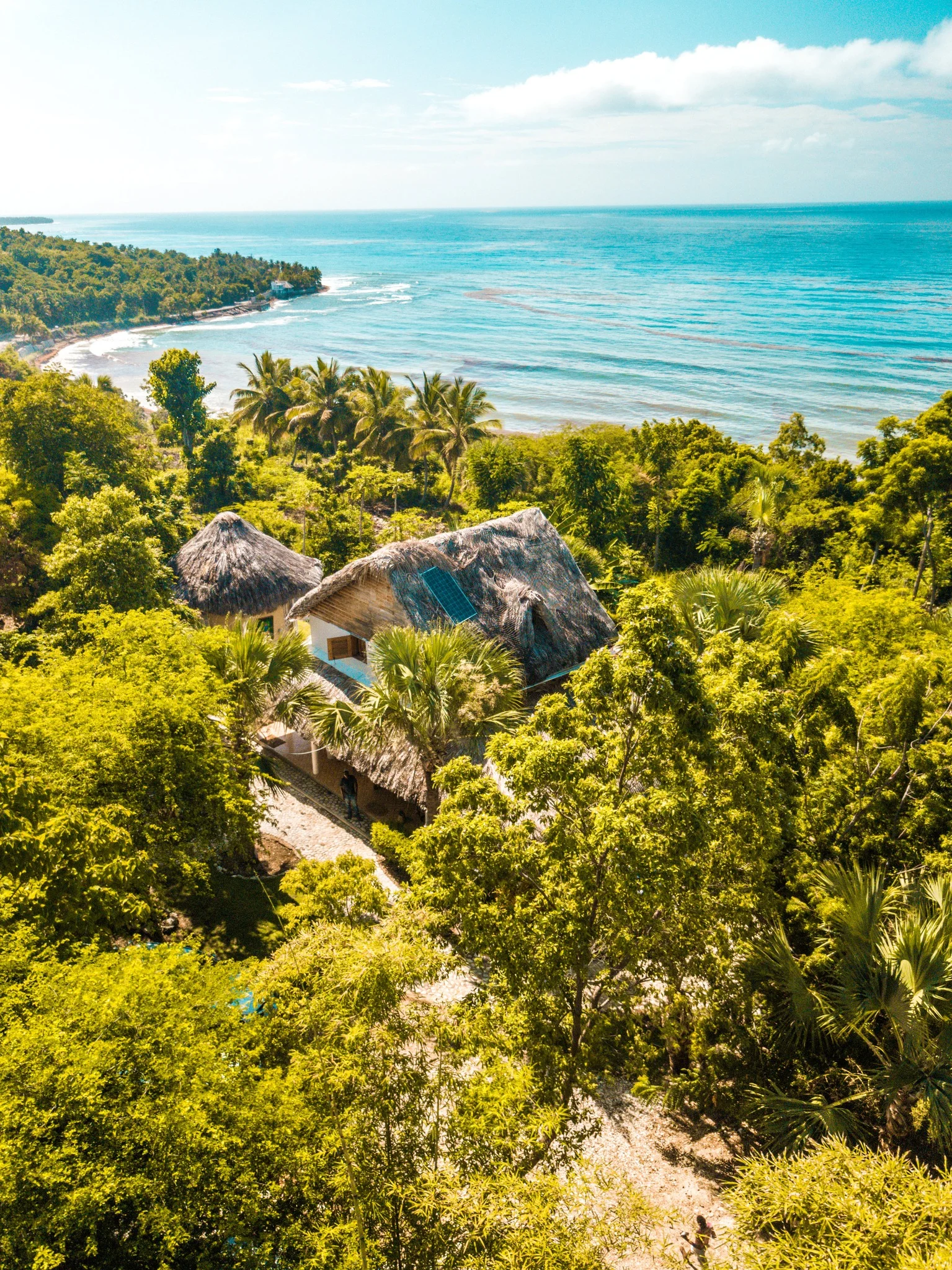
Haïti is blessed with spectacular natural landscapes, including white sand beaches, mountains and rich biodiversity.

Heritage

Heritage

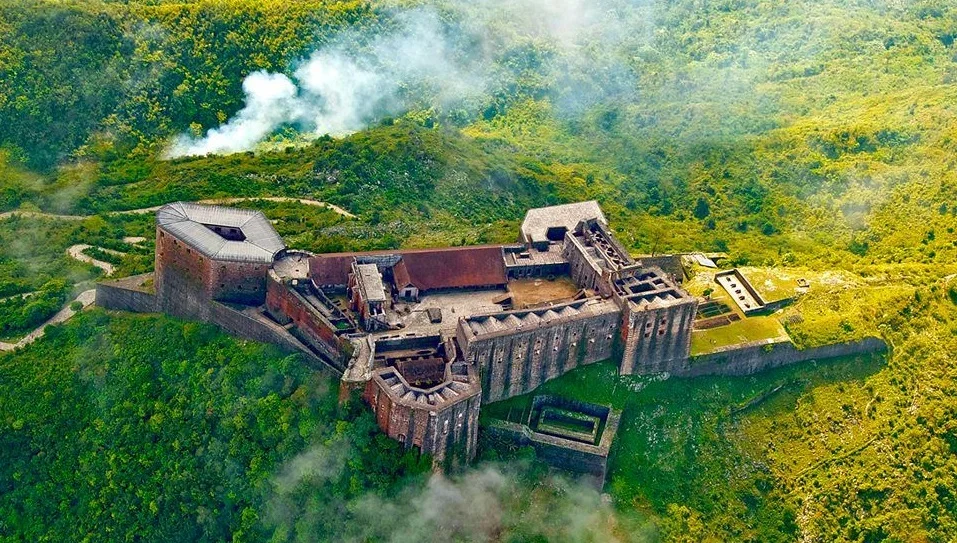
Haïti has a rich historical heritage, including sites like the Citadelle Laferrière and the Sans-Souci Palace, listed as UNESCO World Heritage Sites.

Culture

Culture

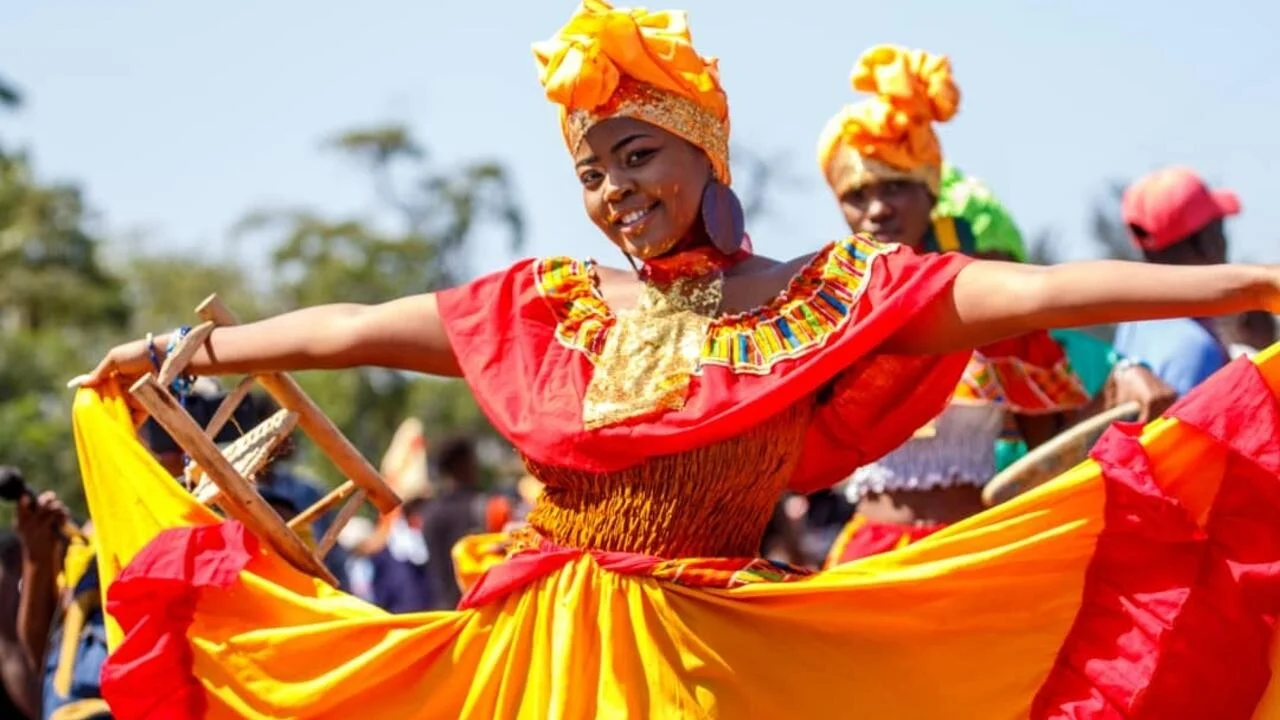
Haïti has a rich and diverse culture, influenced by African, European and indigenous elements. Haitian music, dance, art and cuisine are celebrated around the world.

  • +
    • Post