contact@haitiwonderland.com+509 36184317

Discover

Shopping Cart

What is the emblem of Haiti?

What is the emblem of Haiti?

The national emblem of Haïti is a powerful symbol of the country’s identity, history, and values. It embodies the struggle for independence and the fundamental principles that unite Haitians. This article explores in depth the national emblem of Haiti, its elements, meaning, and importance to the Haitian nation.

The National Emblem of Haiti: Coat of Arms

The national emblem of Haïti consists of the country’s coat of arms, an important and distinctive symbol. This coat of arms was adopted in 1807 and is featured on the flag and official documents of the Republic of Haiti. The emblem is divided into several symbolic elements that reflect the country’s history, culture, and fundamental values.

Haïti
Haïti
Haïti

The Elements of the Emblem of Haiti

The emblem of Haïti is rich in symbolism. At the center of the coat of arms is a palm tree (symbol of freedom), with cannons and flags representing the defense of the nation. A Haitian flag flies around the palm tree, evoking the struggle for independence.

Two crossed arrows, accompanied by laurel branches, symbolize the military victory and the honor of the Haitian people in their quest for freedom. On the bottom of the coat of arms, a banner bears the national motto: "L’Union fait la force", a principle that reaffirms the importance of national solidarity.

The blue and red colors that appear on the emblem symbolize unity and freedom. The blue represents the descendants of slaves who fought for independence, while the red represents the brotherhood between all Haitians.

The Meaning of the Coat of Arms

The coat of arms of Haïti has a deep and historical meaning. The palm tree, at the center of the emblem, symbolizes the freedom acquired after the Haitian revolution. It also represents the perseverance of the Haitian people in the face of adversity.

The cannons and flags on the sides are reminders of the heroic fight of the Haitians for their independence. These symbols embody the defense of the country and the spirit of resistance that allowed Haïti to become the first country to abolish slavery and found an independent black republic.

The laurel branches are a reference to military victory, but also to peace, honor and integrity. They are a sign of triumph and the dignity regained by the Haitian people after centuries of oppression.

Haïti
Haïti
Haïti

The Emblem as a Symbol of National Pride

The emblem of Haïti plays a central role in the construction of national identity. It is a constant reminder of the sacrifices and struggles that allowed Haïti to obtain its independence. Each element of the emblem is a symbol of Haitian pride and the sovereignty of the country.

Haitians both inside and outside the country view this emblem as a source of dignity and resilience. It is worn with pride during national celebrations and events where the unity and solidarity of the Haitian people are highlighted.

A Living Emblem of Haitian History

The national emblem of Haïti is much more than a simple design: it is a living testimony to the country’s history. It recalls not only the war of independence, but also the slave revolt and the victory over colonial oppression. As such, it represents the ideals of liberty, equality, and fraternity that have shaped Haiti.

Haitians continue to reclaim their emblem and bring it to life, whether it is seen flying in the streets during protests or finding it in art, music, and discussions about the nation. The emblem is a testament to the continuity of Haiti’s history and soul across generations.

Haïti
Haïti
Haïti

The Emblem of Haiti: A Universal Symbol

Although specific to Haiti, the national emblem also has a universal dimension. It embodies the principles of the struggle for freedom, human dignity, and solidarity. These values ​​resonate throughout the world, especially in Haitian communities in the diaspora, where the symbol continues to serve as a rallying point and collective pride.

The emblem of Haïti is therefore much more than a decorative element. It embodies the heritage, culture, and strength of the Haitian people, and it is a powerful vector of national identity, inspiring respect and solidarity on a global scale.

Share
About the Author
Appolon Guy Alain
Appolon Guy Alain
Appolon Guy Alain

Full Stack Developer, Créatif, expérimenté, passionné des nouvelles technologies et de l’art.

See other articles from Appolon Guy Alain
Leave a comment

Recently Posted

Launch of the Engagement Award: An Initiative to Honor and Encourage Young Leaders in Haiti

August 29, 2025, will mark two exceptional events: the eighth anniversary of Pierre Marc BAPTISTE’s commitment as a young leader and social and political activist, and the official launch of the Engagement Award. This unique initiative aims to honor and encourage young leaders, professionals, and academics for their dedication and active involvement in community life. The Engagement Award’s mission is to recognize youth leadership, promote civic engagement, and highlight inspiring role models capable of positively influencing an entire generation. Through this award, Pierre Marc BAPTISTE hopes to encourage young people to get involved in concrete actions aimed at solving community problems, reducing social inequalities, and strengthening civic participation. The first edition will be particularly symbolic. Eight young leaders from the Cité Soleil plain will be honored for the social and community impact of their initiatives. In a concrete gesture of solidarity and knowledge sharing, 200 books will also be donated to the Duvivier High School library in Cité Soleil, contributing to the education and training of future generations. With this award, Pierre Marc BAPTISTE reaffirms his belief that youth engagement is an essential lever for social and political change in Haiti. This is a unique opportunity to celebrate those who are taking action to transform their community, while inspiring other young people to follow the path of action and leadership. On August 29, 2025, Haitian youth will be honored, and a new tradition of recognition and inspiration will be established to promote civic engagement and responsibility throughout the country.

Newsletter

Subscribe to our newsletter to stay informed of all our activities and news on Haiti.

Timoun se Moun: A poetry competition to promote children’s rights in Haiti

A wounded country. Bent under the weight of a multidimensional crisis. Widespread violence. Hope slammed shut. A sacrificed generation. Children are increasingly threatened. They are increasingly confronted with all forms of vulnerability that hinder their overall development. ACTIF is launching the second edition of the "Timoun se Moun" poetry competition. A citizen initiative in which the organization uses writing as a springboard to build what life deprives Haitian children of. Pain can be turned into gold. For ACTIF (Community Action for Transformation and Formal Integration), poetry is a philosopher’s stone. Not only for this organization, but also for all those who believe that writing can help rekindle the stars. Faced with this urgent need for action, this is "an initiative to raise awareness, denounce, and affirm loud and clear that every child matters, every child deserves protection, hope, and a future," reads the competition’s descriptive document. So what do you intend to do with your human light? Through this competition, participants have the opportunity to engage in an act of resistance, like a cry of conscience to raise the voice of broken childhoods. Open from May 18 to June 18, "Timoun se Moun" is open to all Haitians living in the country and aged 18 and over. Texts must be submitted in Creole. Behind this initiative, ACTIF intends, on the one hand, to affirm our cultural and linguistic identity, and on the other, to enrich our Creole literature, promote it, and encourage creativity in our vernacular. The text must not exceed 500 words. The format chosen is PDF, Times New Roman font, size 12, and 1.5 line spacing. This competition aims to offer a touch of affection to these children who are the first victims of the country’s descent into hell. To evaluate the literary quality and essence of the submitted texts, a jury is composed of Ruthza Paul, Douglas Zamor, and Darly Renois. The former is a physician and winner of the first edition of this competition. The other two work in the fields of sociology, psychology, and literature. In addition to the "Jury Prize: 15,000 HTG + books + certificate" and "Audience Prize: 5,000 HTG + certificate + books" prizes, the best texts will be included in an anthology to be published by Éditions Répérages. It should be noted that there will be one winner for each prize. This initiative reflects ACTIF’s commitment to honoring authors who embrace the cause of underprivileged children while enriching Haiti’s literary heritage. This competition extends a helping hand to all those who believe that through poetry, one can transform one’s life into a masterpiece. At the same time, it offers the opportunity to contribute to ACTIF’s child protection program. Each participant may submit a single text. It must be sent by email to the following address: actifkonkoupwezi@gmail.com. The partial results will be published on June 30, 2025, and the final results on July 18, 2025. For more information, visit ACTIF at the following address: 18 Rue Desdunes, Imp. Thoby, Mahotière 79, Carrefour, Haiti, or contact the organization at the following number: (+509) 38 44 57 57. More than just a contest, ACTIF invites you to say No. No to forgetting. No to passivity. No to violence against children and the violation of their rights.

Recently Posted

History

History

First black nation to free itself from slavery and gain independence from France in 1804 and influenced other liberation movements around the world, inspiring struggles for freedom and equality.

Natural beauty

Natural beauty

Haïti is blessed with spectacular natural landscapes, including white sand beaches, mountains and rich biodiversity.

Heritage

Heritage

Haïti has a rich historical heritage, including sites like the Citadelle Laferrière and the Sans-Souci Palace, listed as UNESCO World Heritage Sites.

Culture

Culture

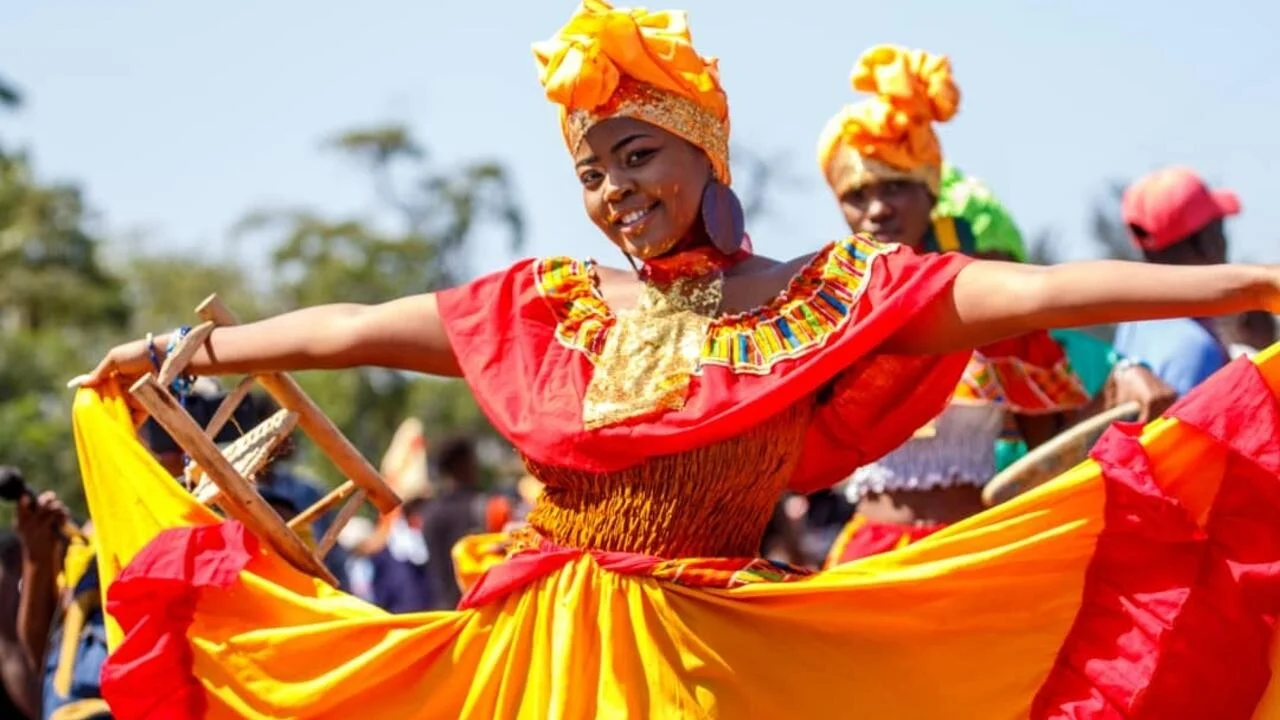
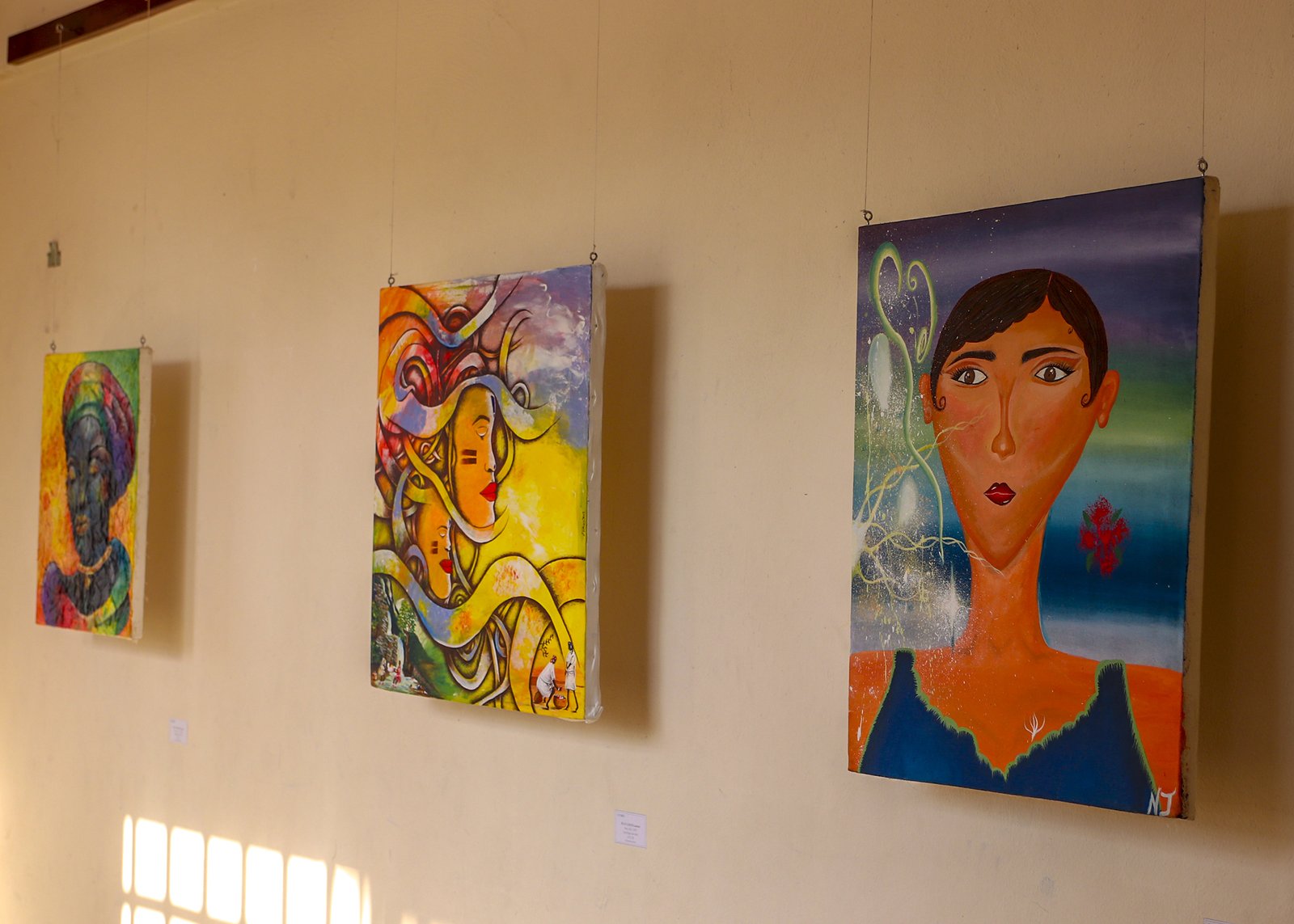
Haïti has a rich and diverse culture, influenced by African, European and indigenous elements. Haitian music, dance, art and cuisine are celebrated around the world.

  • +
    • Post