contact@haitiwonderland.com+509 36184317

Discover

Shopping Cart

Is Haïti on the African Continent? A Geographical Clarification

Is Haïti on the African Continent? A Geographical Clarification

The question of whether Haïti is on the African continent sometimes comes up, but the answer is clear: Haïti is not on the African continent. This island country is located on the island of Hispaniola in the Caribbean and is part of the American continent, specifically Central America and the Antilles. However, the historical and cultural connection between Haïti and Africa is deep and deserves a more detailed exploration.

Haïti
Haïti
Haïti

Haiti: A Caribbean Country on the American Continent

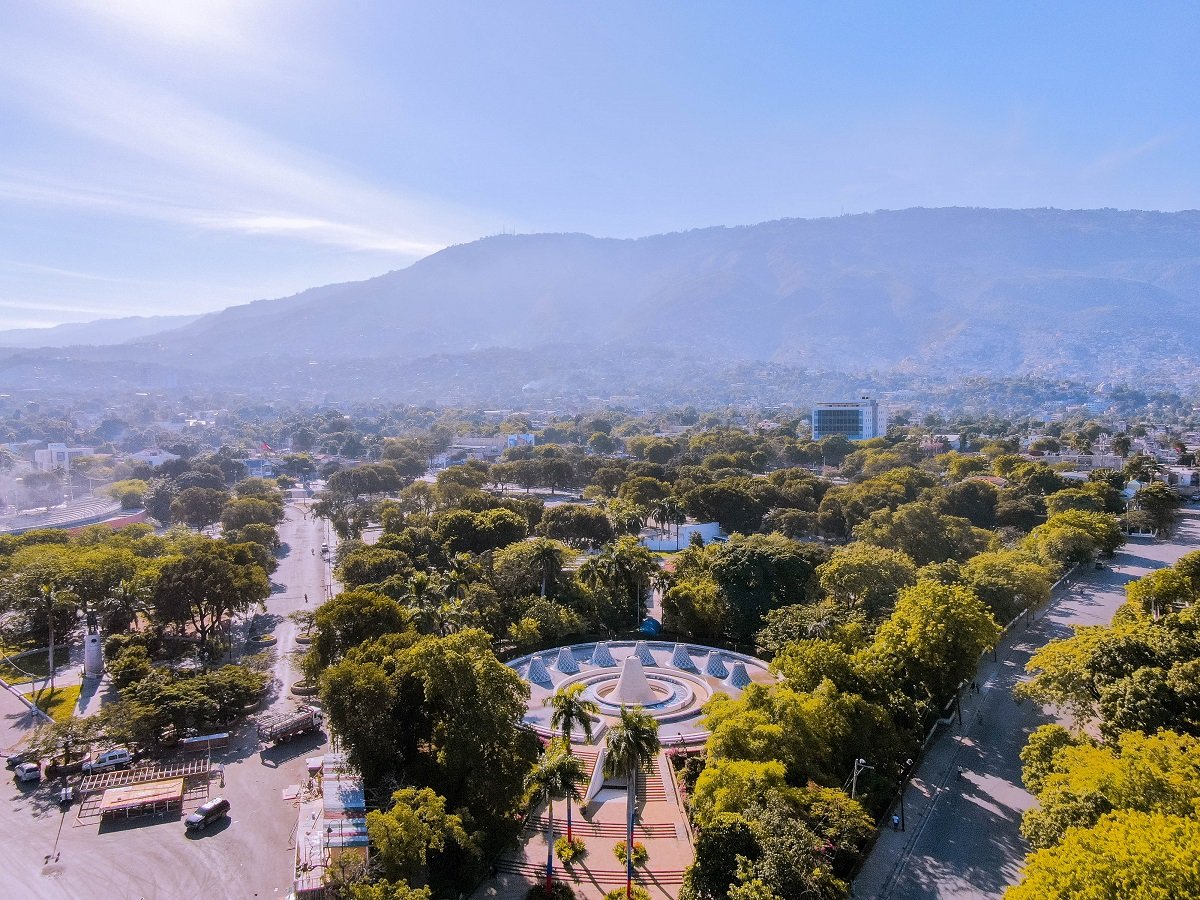
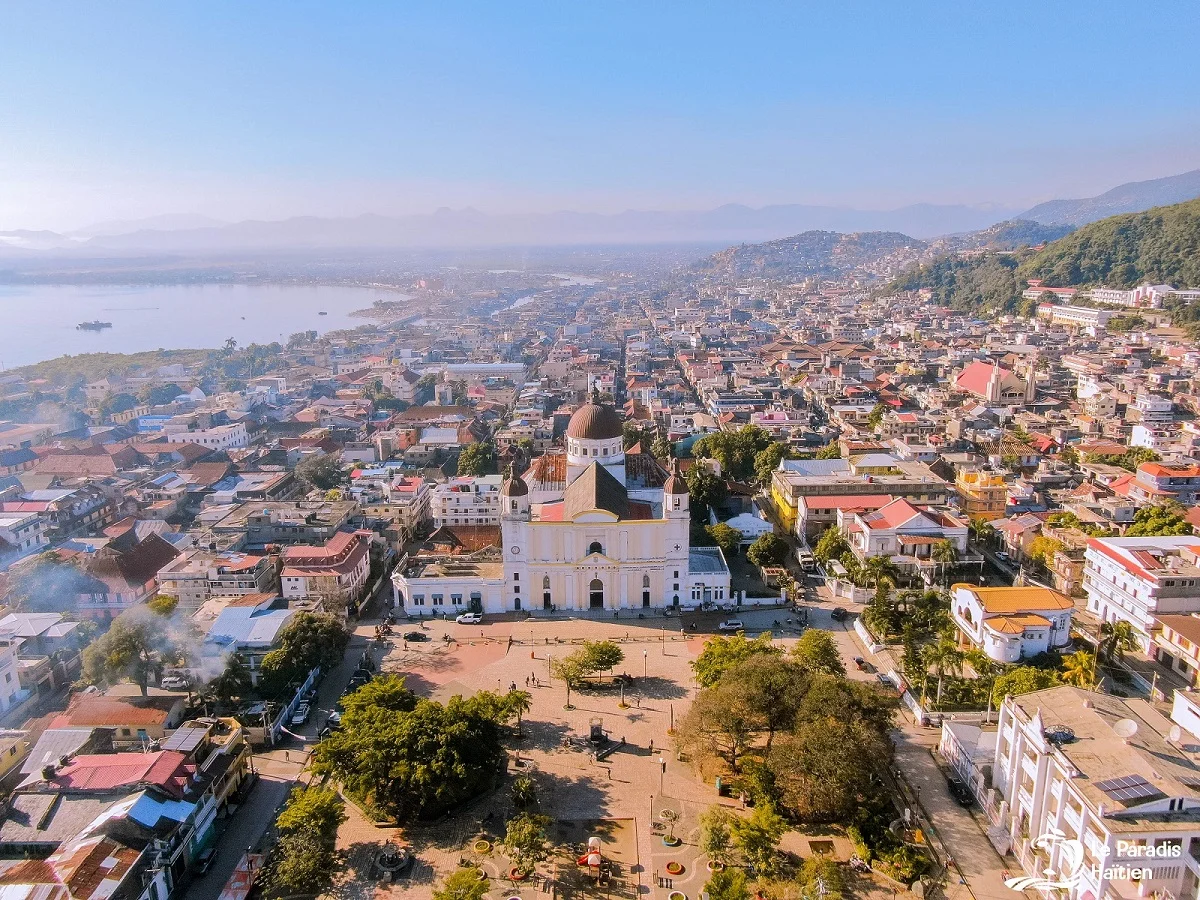
Haïti occupies the western part of the island of Hispaniola, which it shares with the Dominican Republic. Located in the Caribbean, Haïti is part of the geographic region of Central America and the Antilles, which is located in the American continent. It is therefore indisputably a country of the Americas, not Africa.

The island of Hispaniola, in the southeast of the Greater Antilles archipelago, is located a few hundred kilometers off the coast of Florida (United States) and Cuba. This geographical location places Haïti in the Caribbean zone, a region rich in cultural and historical diversity, which is a crossroads between North America, Central America, and South America.

Haïti
Haïti
Haïti

A History Deeply Linked to Africa

Although Haïti is not located on the African continent, the link between Haïti and Africa is strong and essential. This link dates back to the time of slavery, when millions of Africans were deported to the Americas. Haiti, formerly known as Saint-Domingue, was a French colony where African slaves were exploited in sugar plantations.

It was during the Haitian Revolution, which took place between 1791 and 1804, that Haïti became the first country in the world to abolish slavery and establish an independent republic led by former black slaves. This landmark moment had a profound resonance throughout the world, particularly in Africa, and influenced the struggles for independence and civil rights of colonized peoples.

Today, although geographically located in the Caribbean, Haïti maintains a strong cultural, historical and symbolic connection with Africa. The majority of the Haitian population is descended from Africans, and Haiti’s cultural traditions, religious beliefs such as Vodou, and musical practices are imbued with African influences.

Haïti and Africa: A Cultural Brotherhood

The brotherhood between Haïti and Africa is also strengthened by numerous cultural and diplomatic exchanges. Haiti-Africa relations are marked by the solidarity of African countries at the time of Haiti’s independence. Indeed, Haïti has been a symbol of the struggle for freedom and sovereignty, inspiring many African peoples throughout history.

In addition, Haitian Creole and African languages ​​share some common roots. Creole, Haiti’s national language, is a mixture of French and African words from different Bantu and West African languages, reflecting the African origins of Haitian ancestors.

Haïti also continues to support Africa in many international initiatives. Many Haitian diasporas live and work in Africa, contributing to a constant dialogue between the two continents.

Haïti and Africa, a strong historical connection

Although Haïti is not located on the African continent, the country maintains a deep historical and cultural connection with Africa, due to its history of slavery, its independence, and its African heritage. This relationship continues to shape Haiti’s identity and strengthen the country’s ties to the African continent. Haïti remains an inspiring example of the struggle for freedom and equality, and its culture and history are daily reminders of the unbreakable ties that unite Africa and people of African descent throughout the world, particularly in the Americas.

Share
About the Author
Appolon Guy Alain
Appolon Guy Alain
Appolon Guy Alain

Full Stack Developer, Créatif, expérimenté, passionné des nouvelles technologies et de l’art.

See other articles from Appolon Guy Alain
Leave a comment

Recently Posted

Newsletter

Subscribe to our newsletter to stay informed of all our activities and news on Haiti.

Haïti / Ganthier: I Let You In, an Ode to Modern Relationships by Igens VIL

The Meaning of the Essence of Love The commune of President Boniface Alexandre and Martial CELESTIN produces a talented artist. Yes, Ganthier stands out as one of its best representatives on the international scene. "I Let You In" is a title that lays bare the complexity of heterogeneous relationships around the world. This opus, both provocative and touching, awakens the mind, body and soul. I am deeply moved by the way in which the artist Igens VIL, a true emblematic figure of Ganthier, evokes intense emotions and provokes reflection on the issues of contemporary romantic relationships. Each verse of this composition, co-written with Dayvin Kaponda, contains profound messages about tolerance towards others, our aspirations and ambitions, the true foundations of authentic love. It is the very essence of life. Despite the tumults of daily life and the inevitable misunderstandings in human relationships, he reminds us that “in my life, there is always a me; I have tried everything. Even if it means taking a step back, I am ready to do it. And if it means, I will get down on my knees”. The singer, who spent a large part of his adolescence in Galette-Chambon, the first communal section of the commune of Ganthier, is now active in the French music industry. He eloquently and skillfully addresses the complex triangle of sentimental relationships: sacrifice, tolerance and communication. This remarkable work deserves to be heard everywhere; it inspires faith, reflection and action. Gensbe, known as Igens VIL, deserves awards for this song. Guitarist, singer, composer and academic in France, he embodies a rare mix of talents for a young Haitian engaged in these demanding fields that require time, sacrifice and a lot of energy. Today, Gensbe is at his peak and never gives up. More songs are in the works for you, dear listeners. Subscribe to Gensbe on YouTube and other platforms. He is without a doubt one of the best Haitian artists among the big international names. I’ll let you in.

Christmas in Haiti: Between Magic, Discoveries and Delicacies

The joyful ringing of bells echoes through the streets of Haïti as the holiday season approaches. Christmas is a magical time when the streets light up, families gather and a warm atmosphere invades the island. Between traditions, cultural discoveries and gourmet feasts, Christmas in Haïti promises a unique experience. b~The Magic of Lights and Decorations~b From the beginning of December, Haïti is adorned with sparkling lights and festive decorations. The markets come alive with shimmering garlands, twinkling stars and ornate fir trees. The streets of Port-au-Prince in Jacmel shine with a special magic, inviting locals and visitors to immerse themselves in the festive spirit. b~Haitian Traditions at Christmas~b Christmas in Haïti is celebrated with a unique combination of religious traditions and local customs. Midnight Mass is a deeply rooted tradition, drawing worshipers to churches to celebrate the birth of Jesus in a vibrant atmosphere of song and prayer. A popular tradition is the "Dawn Mass" which takes place at dawn on December 25. The faithful gather to welcome Christmas Day with special fervor, testifying to the deep spirituality that permeates the festivities. The festivities are not limited to churches. Street parades, folk dances and concerts are commonplace, creating a joyful atmosphere throughout the country. Traditional Haitian music, such as direct compass and voodoo, adds a special dimension to these celebrations. b~Cultural Discoveries: Haitian Crafts~b Christmas is also an ideal opportunity to discover unique Haitian crafts. Christmas markets offer a variety of handicrafts, such as wooden sculptures, vivid paintings, wrought iron items and traditional jewelry. These works of art reflect the artistic talent of the Haitian people and provide unique and meaningful gifts. Local markets, such as the Ferrier market in Cap-Haitien and the Jacmel market, are essential places to discover the authenticity of Haitian crafts. These purchases also help support local artists and the community economy. b~Gourmet Feasts: Christmas Cuisine~b Christmas in Haïti is also a gastronomic celebration. Families gather around festive tables laden with traditional culinary delights. “Joumou soup”, a pumpkin soup, is an essential specialty of the holiday season. Pork, lamb and chicken dishes are also common, accompanied by rice and local vegetables. Traditional desserts, such as “Pen patat” and “Tablèt Pistach,” add a sweet touch to the celebration. Tropical fruits, such as mangoes and bananas, are also often present on Christmas tables, recalling the richness of Haitian biodiversity. Christmas in Haïti is a vibrant celebration that blends the magic of lights, religious traditions, local crafts and delicious cuisine. It is a time when joy and generosity are in the spotlight, and when Haitians open their hearts to share the magic of the season with the world.

Recently Posted

History

History

First black nation to free itself from slavery and gain independence from France in 1804 and influenced other liberation movements around the world, inspiring struggles for freedom and equality.

Natural beauty

Natural beauty

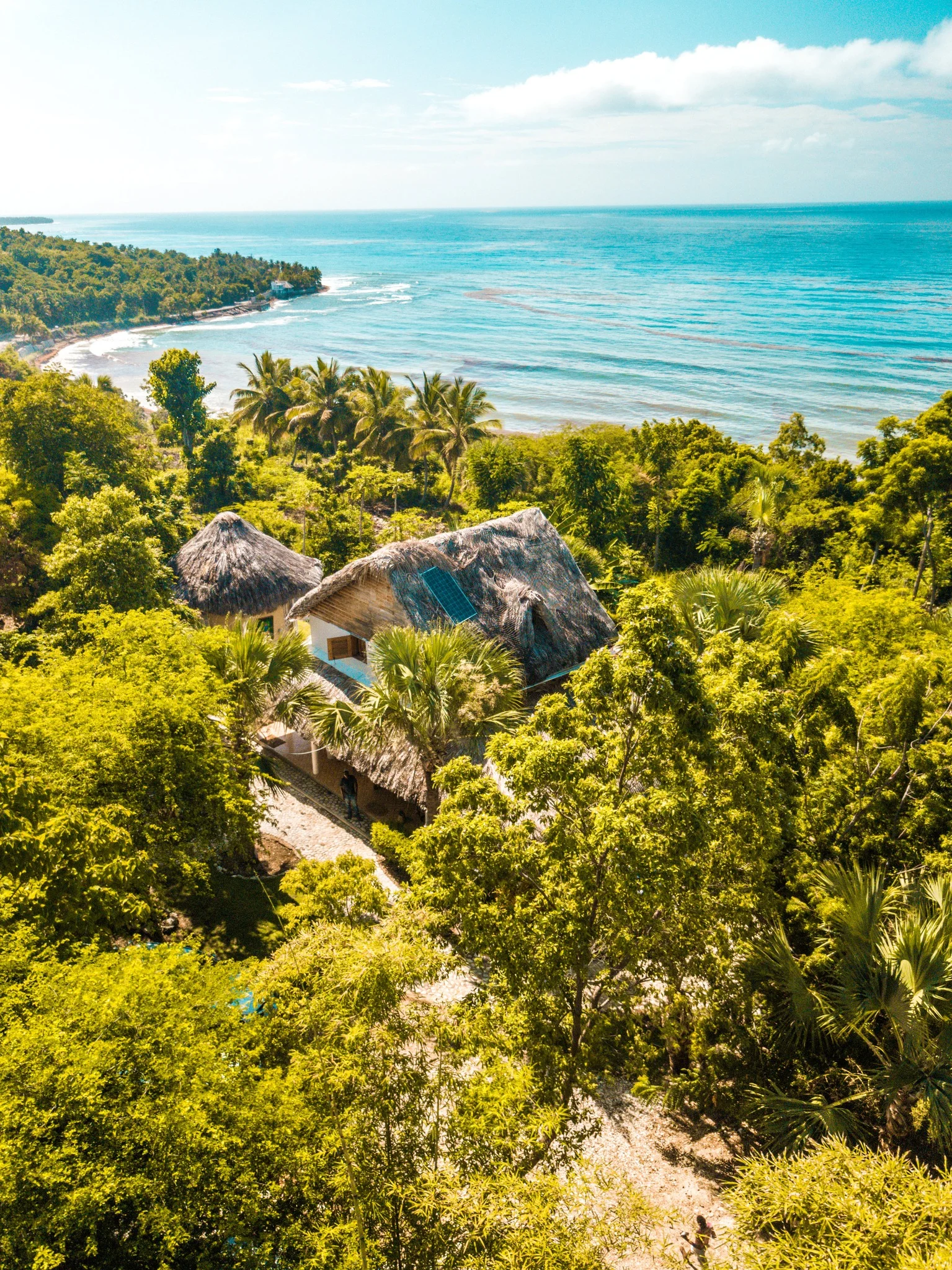
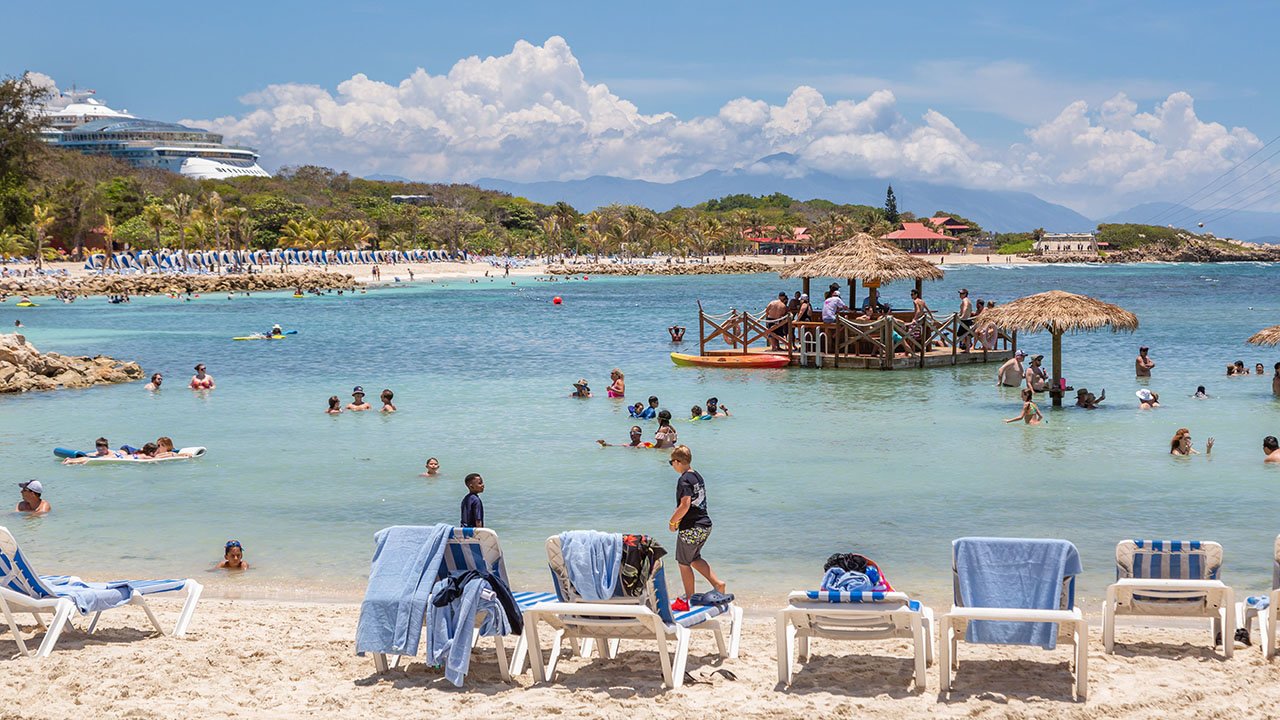
Haïti is blessed with spectacular natural landscapes, including white sand beaches, mountains and rich biodiversity.

Heritage

Heritage

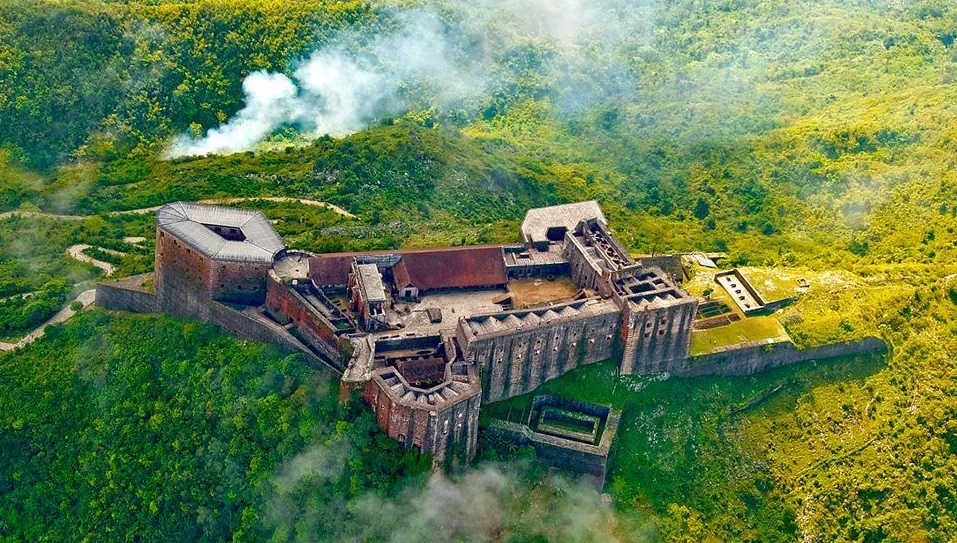
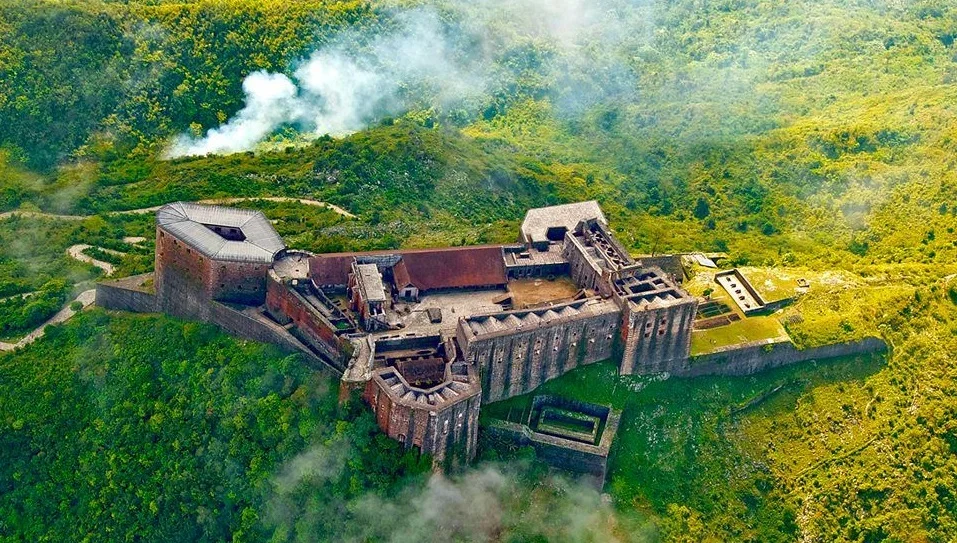
Haïti has a rich historical heritage, including sites like the Citadelle Laferrière and the Sans-Souci Palace, listed as UNESCO World Heritage Sites.

Culture

Culture

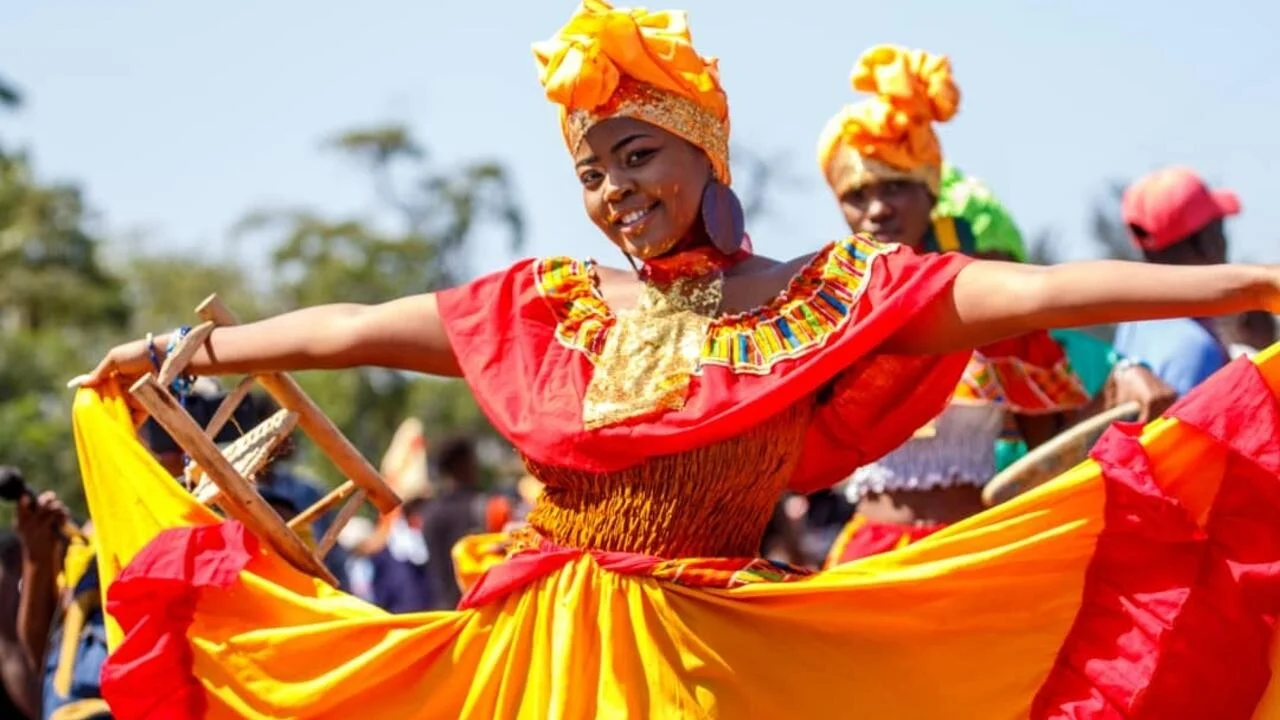
Haïti has a rich and diverse culture, influenced by African, European and indigenous elements. Haitian music, dance, art and cuisine are celebrated around the world.

  • +
    • Post