Haiti, often referred to as the "Pearl of the Antilles", is home to natural treasures just waiting to be explored. Among its jewels, Haiti’s beaches stand out for their breathtaking beauty, crystal clear waters and serene atmosphere. These beaches, far from the hustle and bustle of crowded tourist destinations, offer an ideal refuge for travelers seeking tranquility, adventure and authenticity. Here are 10 of the beaches not to be missed during your next trip to Haiti, each promising a unique and unforgettable experience.
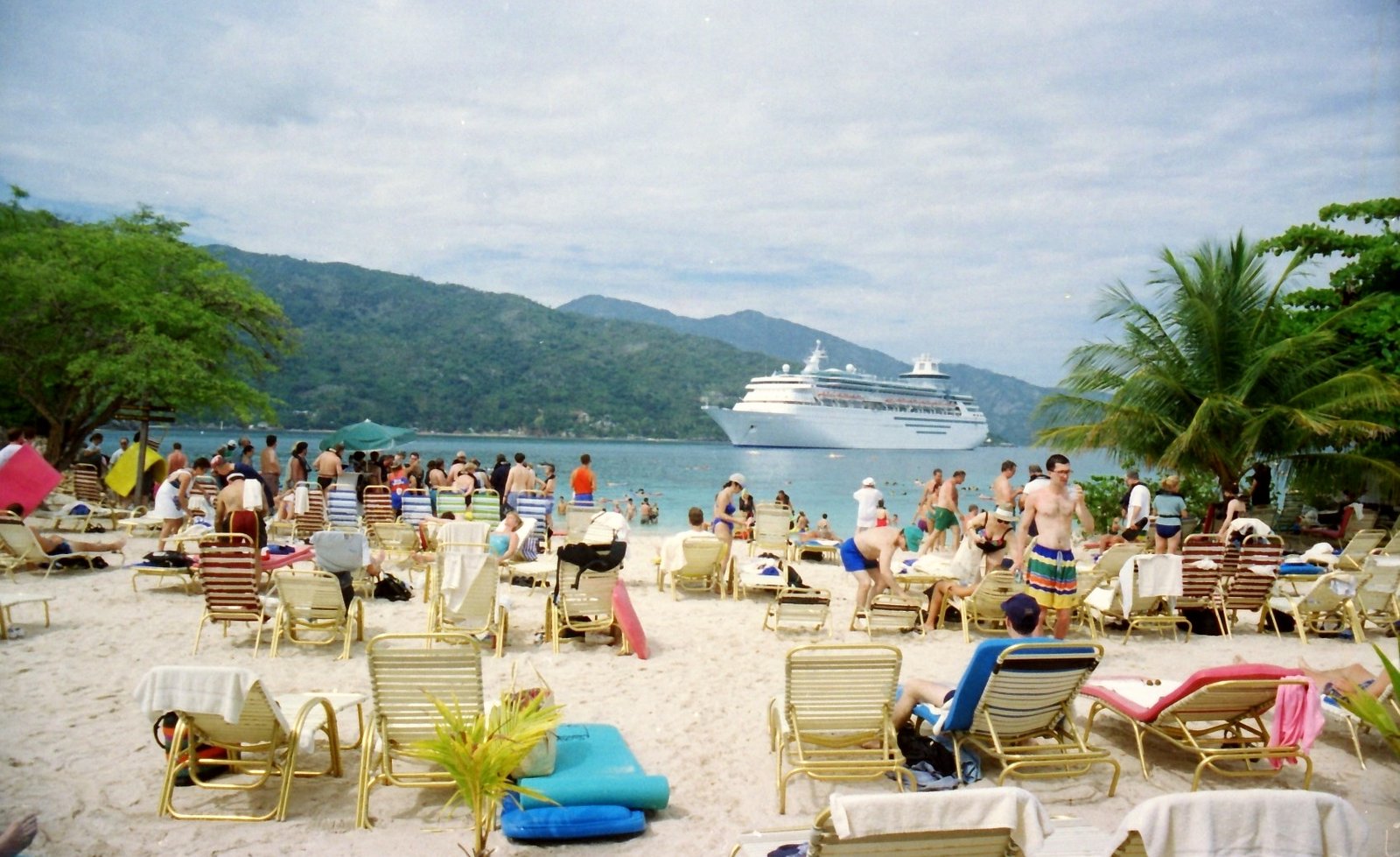
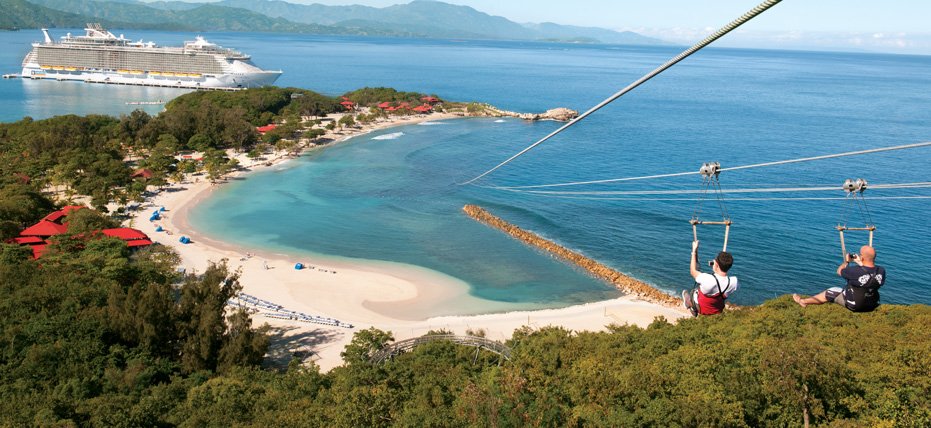
Located on the northern coast of Haiti, Labadie is arguably the most iconic beach in the country. Accessible by boat, this private beach is leased by the Royal Caribbean cruise line, offering an exclusive setting for visitors. With its turquoise waters, pristine white sand and lush green hills in the background, Labadie is the perfect image of a tropical paradise. Thrill seekers can try ziplining over the sea, while others can relax on the sand or explore the waters by kayak. Labadie is the perfect combination of adventure and relaxation in a dream setting.
Not far from Labadie, Cormier is another spectacular beach in northern Haiti. Less crowded and more intimate, Cormier is the perfect place for those looking to escape the crowds while still enjoying Haiti’s natural beauty. The soft sand and crystal clear waters make Cormier a prime destination for snorkeling and scuba diving. The offshore coral reefs are teeming with marine life, providing divers with a mesmerizing underwater spectacle. In the evening, Cormier transforms into a peaceful place where visitors can admire breathtaking sunsets while listening to the murmur of the waves.
On the Côte des Arcadins, Moulin Sur Mer stands out for its unique blend of history and natural beauty. A former sugar plantation, this historic site tells the story of Haiti’s colonial history, giving visitors an enriching perspective before enjoying the beach. The beach itself is a haven of peace, with its golden sand and calm waters, perfect for swimming. Diving and snorkeling enthusiasts will also find their happiness here, with an impressive marine biodiversity to discover. Moulin Sur Mer is the perfect place for those who wish to combine culture, history and relaxation in a heavenly setting.
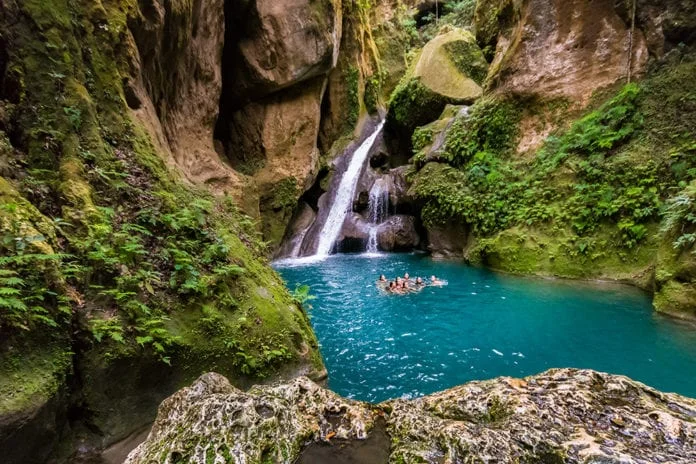
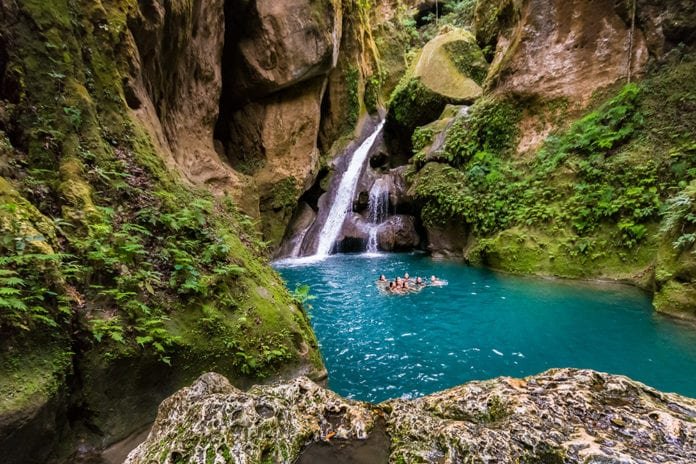
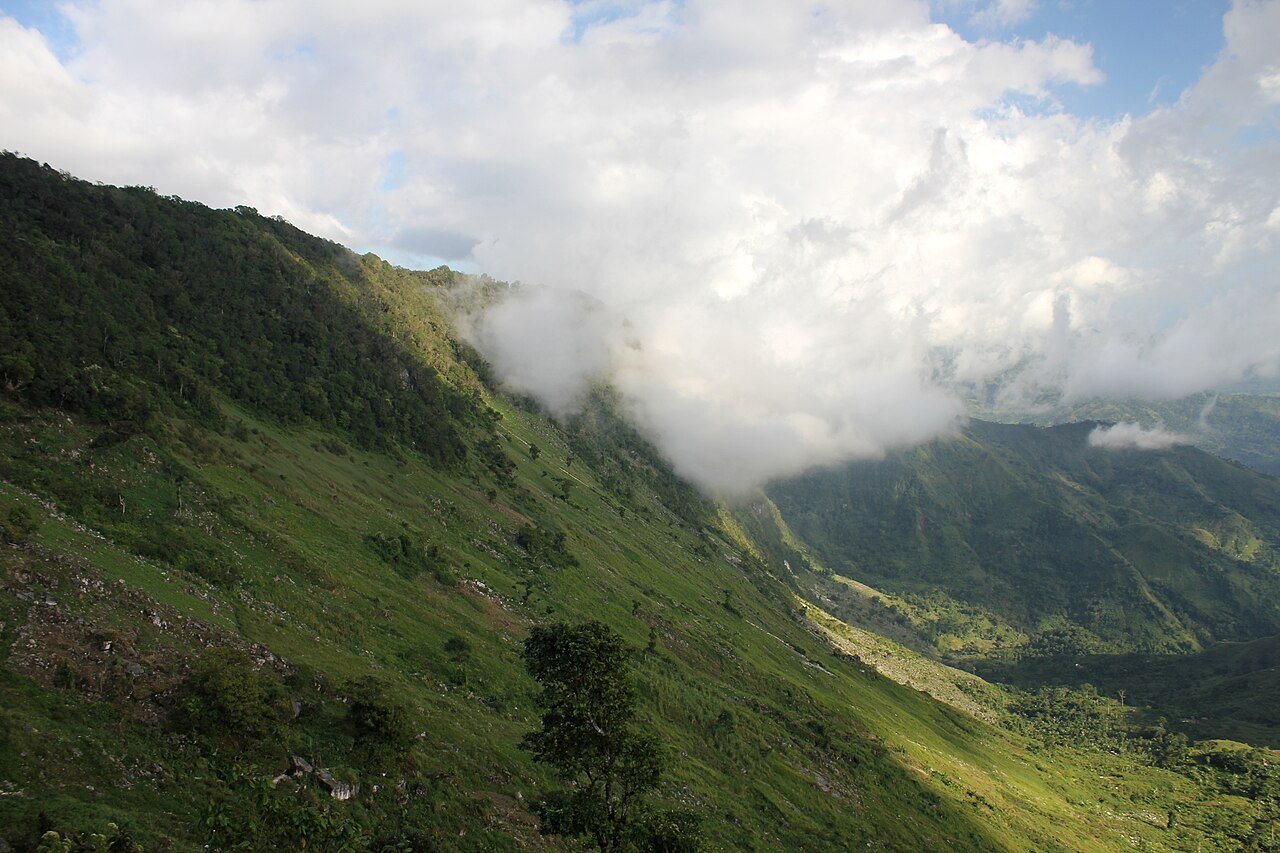
Although Bassin-Bleu is not a beach in the traditional sense, it fully deserves its place on this list. Located in the mountains near Jacmel, Bassin-Bleu is a set of spectacular natural pools, connected by waterfalls. The water, a deep and captivating blue, invites you to swim in an enchanting setting. Surrounded by lush vegetation, Bassin-Bleu is a true natural gem where visitors can cool off and recharge their batteries. It is the ideal place for adventurers looking to discover the hidden beauty of Haitian nature.
Off the coast of Cap-Haïtien, Rat Island is a small paradise island surrounded by a bright blue sea. Accessible by boat, this island offers a perfect escape. The beach, lined with palm trees, is a true sanctuary for those seeking tranquility and direct contact with nature. The calm and clear waters are ideal for snorkeling, allowing you to discover the richness of the Haitian seabed. A day on Rat Island promises an unforgettable Robinson Crusoe experience, where natural beauty and serenity reign supreme.
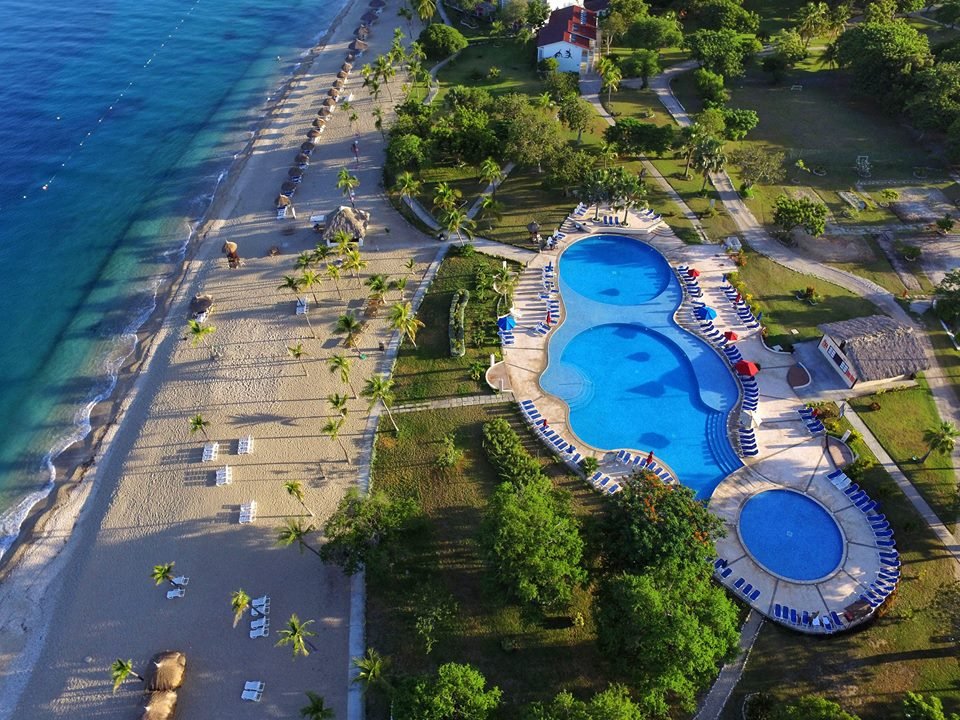
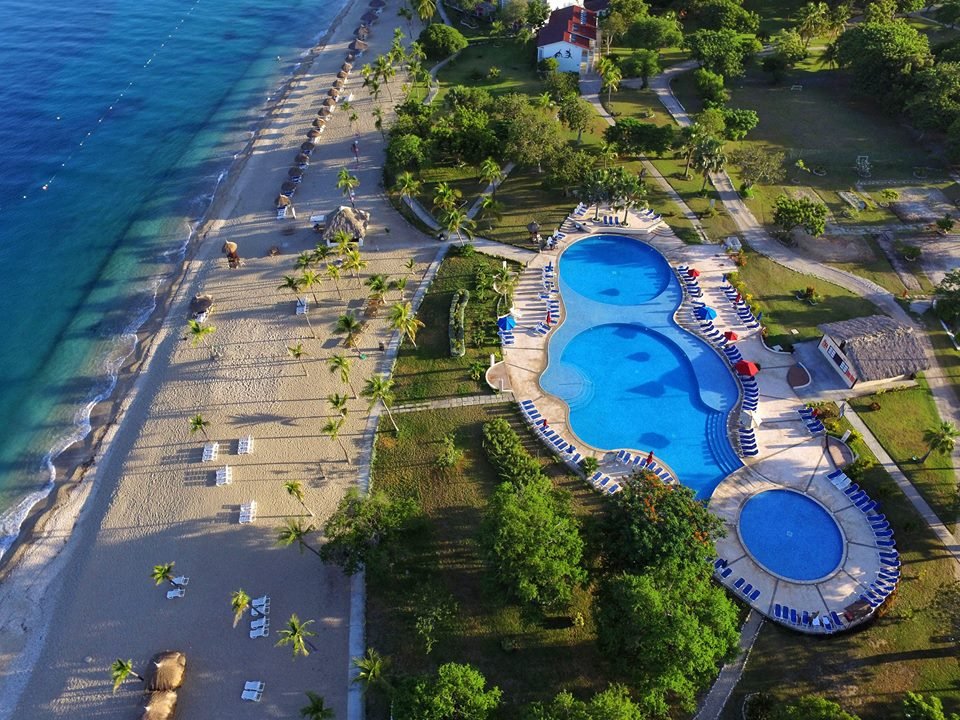
Located in Montrouis, Decameron Indigo Beach is a private beach associated with a renowned hotel complex. This beach offers stunning views of the Caribbean Sea and a range of activities to suit all tastes. Whether you are a fan of water sports, swimming, or simply prefer to relax in the sun with a cocktail in hand, Decameron Indigo Beach has it all. Visitors can also enjoy the hotel’s facilities, including restaurants, bars, and swimming pools, for a luxurious and comfortable beach experience. It is the perfect place for those looking for a relaxing getaway with fun activities.
Saut-Mathurine, although a waterfall rather than a beach, is a must-see for nature lovers. Located near Camp-Perrin in southern Haiti, this impressive waterfall flows into a natural pool surrounded by lush vegetation. The setting is both wild and calming, offering a unique swimming experience in cool, clear water. The sounds of the waterfall and the songs of the surrounding birds create a serene atmosphere, ideal for relaxation and contemplation. Saut-Mathurine is a perfect destination for those looking to escape the heat of the beaches and reconnect with nature.
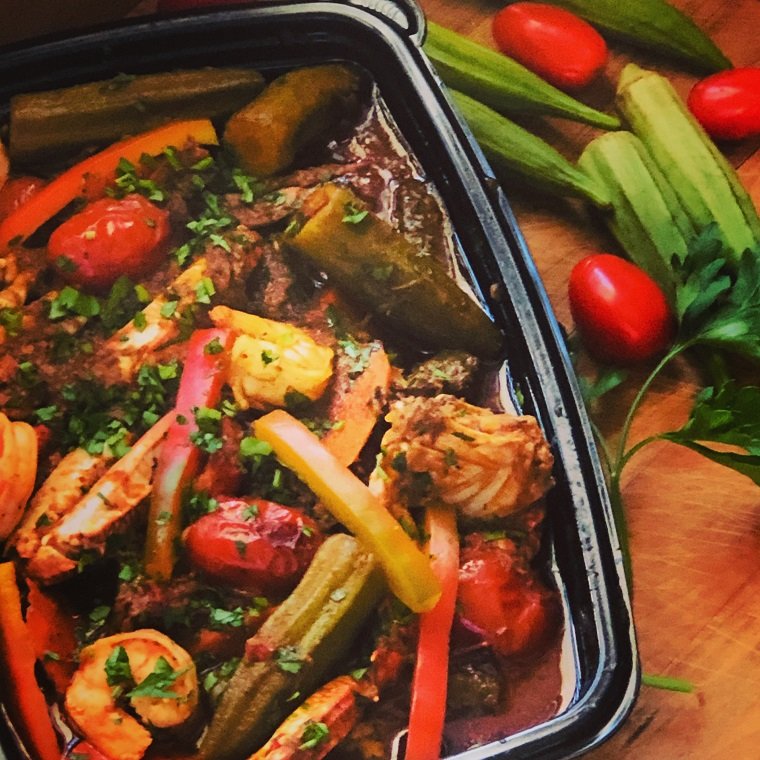
Pointe Sable Beach, in Port-Salut, is one of the most spectacular beaches in southern Haiti. This fine sand beach, lined with coconut trees, stretches for several kilometers, offering an idyllic setting for relaxation and strolling. The calm and shallow waters of Pointe Sable are perfect for swimming, even for children. At the end of the day, the sky turns flamboyant colors during the sunset, a spectacle not to be missed. For gourmands, the small local restaurants along the beach serve fresh seafood dishes, allowing you to savor Haitian cuisine while admiring the breathtaking view of the ocean.
Wahoo Bay, also located in Montrouis on the Côte des Arcadins, is a beach that combines natural beauty and modern comfort. This popular beach is ideal for families and groups of friends with a wide range of activities, including diving, jet skiing, and boat tours. The setting is both vibrant and relaxing, with a friendly atmosphere that invites you to unwind. The clear, shallow waters of Wahoo Bay are perfect for swimming, while sun worshippers can sunbathe on the soft sand. Wahoo Bay is the perfect place to spend a day full of fun, sun, and good cheer.
Gelée, located near Les Cayes, is one of the largest beaches in Haiti. This vast expanse of fine sand is lined with palm and coconut trees, providing a typically tropical and welcoming setting. Gelee is particularly lively during the annual festival held there in August, where music, dancing, and local culinary delights create a unique festive atmosphere. Outside of the festival, Gelee is a great place to relax, where visitors can stroll along the beach, swim in the warm waters, or enjoy freshly caught seafood at the small beachfront restaurants. The combination of tranquility and excitement makes Gelee a must-visit beach to experience the authentic Haitian atmosphere.
Haiti’s beaches are more than just beach destinations; they are gateways to the natural beauty, vibrant culture, and rich history of this fascinating country. Whether you are looking for adventure, tranquility, or cultural discovery, each beach in Haïti has something special to offer. So, let yourself be seduced by the diversity of Haiti’s landscapes and explore these hidden gems that will make your trip an unforgettable experience. Haiti, with its picturesque beaches and warm welcome, promises an adventure that will remain etched in your memory forever.
Share
About the Author
Appolon Guy Alain
Appolon Guy Alain
Full Stack Developer, Créatif, expérimenté, passionné des nouvelles technologies et de l’art.
First black nation to free itself from slavery and gain independence from France in 1804 and influenced other liberation movements around the world, inspiring struggles for freedom and equality.
Natural beauty
Haïti is blessed with spectacular natural landscapes, including white sand beaches, mountains and rich biodiversity.
Heritage
Haïti has a rich historical heritage, including sites like the Citadelle Laferrière and the Sans-Souci Palace, listed as UNESCO World Heritage Sites.
Culture
Haïti has a rich and diverse culture, influenced by African, European and indigenous elements. Haitian music, dance, art and cuisine are celebrated around the world.