contact@haitiwonderland.com+509 36184317

Discover

Shopping Cart

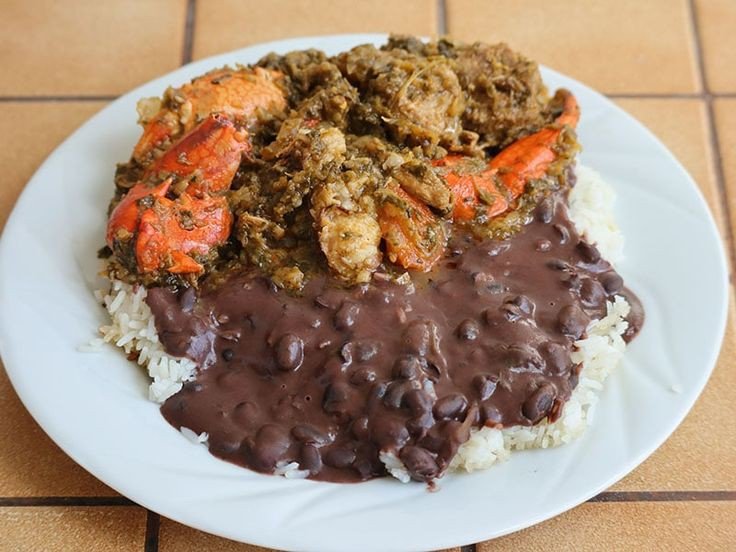
Haitian Lalo Recipe: A Delicious Traditional Dish Made with Lalo Leaves, Pork, and Crab

Haitian Lalo Recipe: A Delicious Traditional Dish Made with Lalo Leaves, Pork, and Crab

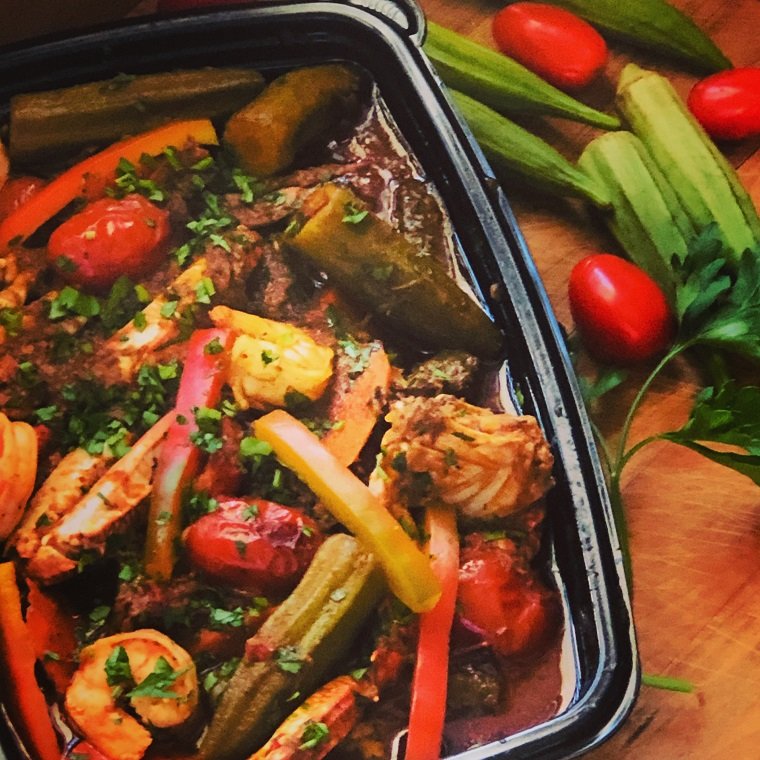
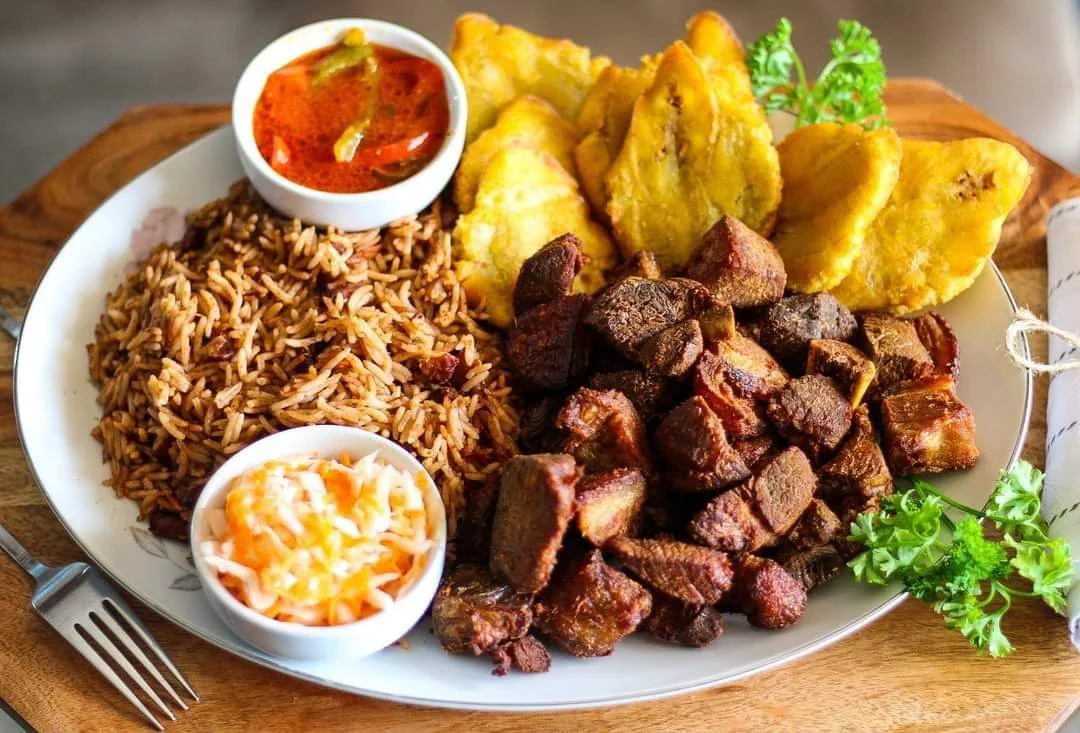
Haitian lalo is an iconic dish of traditional southern Haitian cuisine, particularly popular in the Les Cayes region. Rich in flavor and deeply rooted in the local culinary culture, this dish is prepared with lalo leaves (shrub), pork, and crab, slowly simmered with a blend of Creole spices. Its slightly viscous texture, inherited from the lalo leaves, may be surprising, but it contributes to the dish’s authenticity and creaminess.

In this article, discover the complete recipe for Haitian lalo, with practical tips for successfully preparing this dish like a true Haitian chef. Whether you’re curious to try a traditional dish or want to reconnect with your roots, this recipe offers a true culinary journey to the heart of Haiti.

Ingredients:

- 12 cups dried lalo leaves
- 2.5 lbs sliced ​​pork feet
- 1 kg fresh or frozen crab legs
- 1 lb cubed skin-on pork belly
- 9 cups water
- 1 onion
- 1 bunch fresh parsley
- 4 to 5 sprigs fresh thyme
- 5 garlic cloves
- 2 mild green chilies
- 3 green onions
- 2 chicken bouillon cubes (2 x 67g)
- 90 ml fish sauce (Nuoc-mâm)
- 5 tbsp. 1 tbsp (75 ml) canola or olive oil
- 1 Scotch bonnet pepper
- Salt to taste
- Pepper to taste
- Yield: 6-8 servings

Preparation (2.5 hours)

1. Soak the lalo leaves in 8 cups of water for at least 3 hours or overnight.
2. To prepare the spice blend, grind the onion, green onions, parsley, garlic, chicken bouillon cubes, chili pepper, and 4 tbsp. of oil until smooth.
3. Boil the pork feet for 3 to 5 minutes in boiling water to remove any scum.
4. In a large, covered saucepan, add the remaining 1 tbsp. of oil and brown the pork belly pieces with the thyme for 5 minutes. 5. Add the pig’s feet, then mix with the spice mix, fish sauce, and crab.
6. Remove the crab legs, then pour the lalo and soaking water over the pig’s feet and belly. Mix.
7. Return the crab to the lalo with the whole Scotch bonnet pepper. Cover and simmer over medium heat for 2 hours.

Tips for best results:

- Soak the lalo leaves in water the night before. The liquid will be greenish and viscous; save for cooking.
- After boiling the pig’s feet, remove them and set aside. Do not keep the liquid.
- To brown the pork belly, add the whole thyme sprigs. Remove the thyme sprigs before mixing them with the lalo. - Cover the pan and simmer over medium heat for about two hours to soften the lalo stems and pig’s feet.

Share
About the Author
Jeunes Influenceurs
Jeunes Influenceurs
Leave a comment

Recently Posted

Haiti: The History of the World’s First Free Black Nation

Haiti, the pearl of the Antilles, is a Caribbean island with a rich and complex history. However, its special status as the world’s first free black nation gives it a unique place in the annals of history. This small island was the scene of an extraordinary revolution which resulted in independence, thus marking the beginning of a new era for the black community and the abolition of slavery. Let’s delve into the captivating story of the birth of the first black republic, Haiti. b~The colonial era and slavery~b Haiti’s history dates back to the arrival of Europeans in the 15th century, when Christopher Columbus discovered the island. European settlers, mainly Spanish and French, introduced slavery to exploit the island’s resources, including sugar, coffee and cotton. The indigenous Native American population was decimated, paving the way for the massive importation of African slaves. b~The Haitian Revolution~b On August 14, 1791, Haitian slaves rose up against their oppressors, sparking the Haitian Revolution. Under the leadership of iconic figures such as Toussaint Louverture, Jean-Jacques Dessalines and Henri Christophe, the insurgent slaves inflicted defeats on European armies, demonstrating fierce resistance and a desperate quest for freedom. b~The Declaration of Independence and the creation of the Republic of Haiti~b On January 1, 1804, Haïti proclaimed its independence, becoming the world’s first free black nation. This historic declaration symbolized the end of slavery and the triumph of the will of a people determined to live free. The Republic of Haïti was born in struggle and blood, asserting its autonomy in the face of the colonial powers. b~Post-independence challenges~b However, independence did not mean the end of challenges for Haiti. The country had to face external pressure, reparations imposed by France in exchange for recognition of its independence, as well as internal unrest. Despite these obstacles, Haïti strove to build a free and sovereign nation. The story of Haïti is that of a nation that overcame countless challenges to emerge as a pioneer of freedom for the black population. The Haitian Revolution remains a unique example of resistance, courage and determination, and Haïti continues to carry the torch of independence in the contemporary world. The legacy of this small Caribbean island still resonates today, reminding the world that freedom is a universal right that can be won even in the most difficult circumstances.

Newsletter

Subscribe to our newsletter to stay informed of all our activities and news on Haiti.

Haiti: the Island of Lovers

The ideal place for vacations, honeymoons, excursions, sightseeing tours and much more. This paradise island, located in the south of Haiti, near Île-à-Vache, offers a picturesque setting which makes it a destination of choice. A stone’s throw from Île à Vache, a 128 km² island bathed by the crystal clear waters of the Caribbean Sea, Île des Amoureux is a true gem to explore in Haiti. Just 5.50 nautical miles from the coastal town of Les Cayes, this island is easily accessible. Travelers can reach the town of Les Cayes by car or opt for charter flights arriving at the regional airport. From the port of Les Cayes, a short 20-minute boat trip will take you to this enchanting destination. The fascinating history of Île à Vache adds an extra dimension to your experience. Once a refuge for pirates and buccaneers, this island was nicknamed "Treasure Island". Today, it continues to charm visitors with its authentic ambiance, pristine beaches and crystal clear waters. Whether you’re looking for beach relaxation, underwater adventures, a romantic getaway, an exotic adventure or cultural discoveries, Lovers’ Island has it all. Dive into the clear waters to explore colorful coral reefs, hike through lush vegetation, or soak up the bustling atmosphere of local markets. For couples looking for romance, there’s nothing like a sunset stroll on the beach, followed by a candlelit dinner under the stars. Lovers’ Island is much more than just a vacation destination, it is a true haven of peace where adventure and relaxation meet. Whether you are a lover of relaxation or an adventurer at heart, this island will seduce you with its authentic charm and breathtaking landscapes. Embark on an unforgettable getaway and discover all that Haïti has to offer on this island paradise.

Haïti, a rich and impoverished country

Located in the western part of the island of Hispaniola, Haïti is a land imbued with natural, cultural and historical wealth. Unfortunately, behind the beauty of its landscapes, the richness of its culture and the delicacy of its cuisine lies a complex reality marked by the debt of its independence and the persistent interference of third countries, casting a shadow over its stability. b~The Natural Beauty of Haïti~b Haïti, nicknamed the "Pearl of the Antilles", dazzles with the diversity of its landscapes. From majestic mountains and lush valleys to meandering rivers and sandy beaches, the country offers natural beauty worth celebrating. The famous Citadelle Laferrière mountains and the refreshing waterfalls of Bassin-Bleu are just a few examples of the splendor that characterizes this nation. b~A Rich and Diverse Culture~b Haïti stands out for its vibrant and diverse culture. A heritage of African, French and indigenous influence, Haïtian music, dance and art reflect a unique fusion. Colorful festivals, like Carnival, are celebrations of this cultural richness, attracting visitors from all over the world. b~Delicious Cuisine~b Haïtian cuisine, tasty and spicy, is another aspect worth celebrating. Dishes like griot, sticky rice, and the legendary joumou soup, traditionally prepared to commemorate independence, are all culinary delights that demonstrate the country’s gastronomic ingenuity. b~Heritage Treasures and Paradise Beaches~b Haïti’s heritage treasures, such as the remains of the Sans-Souci Palace and the Citadelle Laferrière, listed as UNESCO World Heritage Sites, are testimonies to the architectural grandeur of Haïti’s past. At the same time, beaches like Labadee and Jacmel offer havens of peace with crystal clear waters, attracting travelers in search of a tropical paradise. b~A Fascinating Story~b The history of Haïti is both fascinating and tragic. It was the first country in the Americas to gain its independence, in 1804, after a courageous slave revolt. However, this independence came with a heavy financial price. France demanded exorbitant compensation, thus laying the foundations for Haïti’s foreign debt. b~The Debt of Independence and Foreign Interference~b Despite these treasures, Haïti struggles with the reality of its independence debt. After gaining its freedom, the country was forced to pay France a considerable sum in compensation for losses associated with the abolition of slavery. This debt has been a major economic burden for Haïti, hindering its development. Additionally, foreign interference continues to create significant challenges. External political and economic interventions have often contributed to the country’s instability, hindering its ability to build a sustainable future for its citizens. b~In conclusion~b Haïti remains a country of multiple riches, but its challenges persist. Despite its natural beauty, rich culture and fascinating history, the nation needs enlightened international support and lasting solutions to overcome the obstacles that stand in its way. Haïti’s wealth lies not only in its enchanting landscapes, but also in the potential of its people to be resilient and prosper despite persistent challenges.

Recently Posted

History

History

First black nation to free itself from slavery and gain independence from France in 1804 and influenced other liberation movements around the world, inspiring struggles for freedom and equality.

Natural beauty

Natural beauty

Haïti is blessed with spectacular natural landscapes, including white sand beaches, mountains and rich biodiversity.

Heritage

Heritage

Haïti has a rich historical heritage, including sites like the Citadelle Laferrière and the Sans-Souci Palace, listed as UNESCO World Heritage Sites.

Culture

Culture

Haïti has a rich and diverse culture, influenced by African, European and indigenous elements. Haitian music, dance, art and cuisine are celebrated around the world.

  • +
    • Post