contact@haitiwonderland.com+509 36184317

Discover

Shopping Cart

Haitian Lalo Recipe: A Delicious Traditional Dish Made with Lalo Leaves, Pork, and Crab

Haitian Lalo Recipe: A Delicious Traditional Dish Made with Lalo Leaves, Pork, and Crab

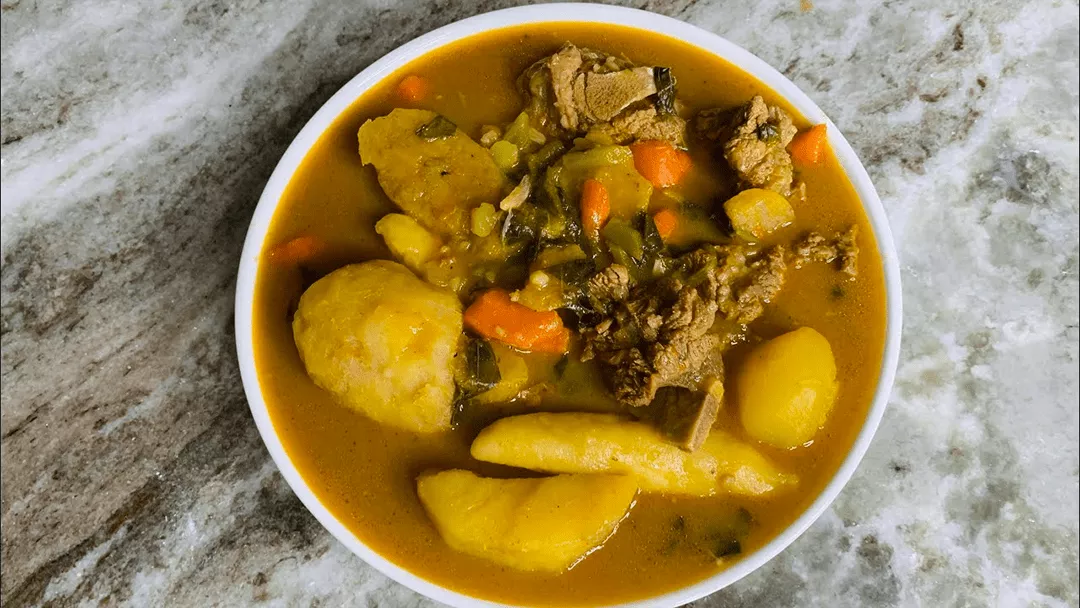
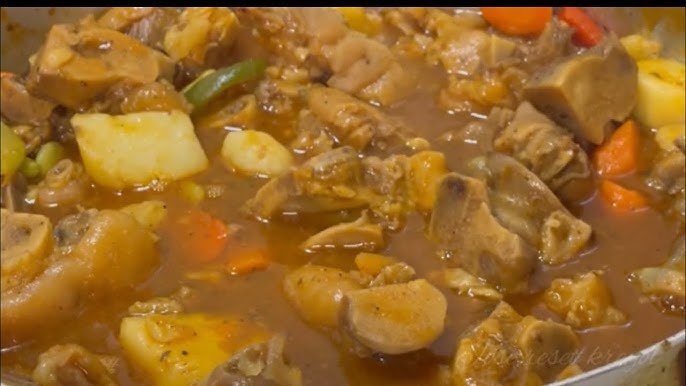
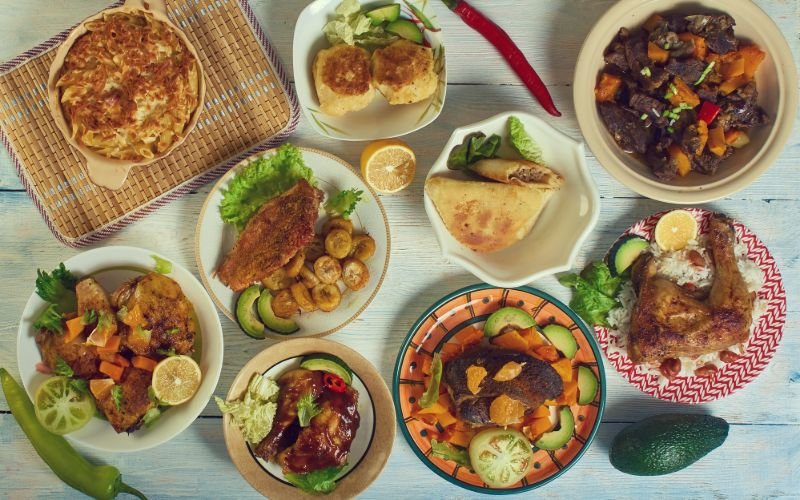
Haitian lalo is an iconic dish of traditional southern Haitian cuisine, particularly popular in the Les Cayes region. Rich in flavor and deeply rooted in the local culinary culture, this dish is prepared with lalo leaves (shrub), pork, and crab, slowly simmered with a blend of Creole spices. Its slightly viscous texture, inherited from the lalo leaves, may be surprising, but it contributes to the dish’s authenticity and creaminess.

In this article, discover the complete recipe for Haitian lalo, with practical tips for successfully preparing this dish like a true Haitian chef. Whether you’re curious to try a traditional dish or want to reconnect with your roots, this recipe offers a true culinary journey to the heart of Haiti.

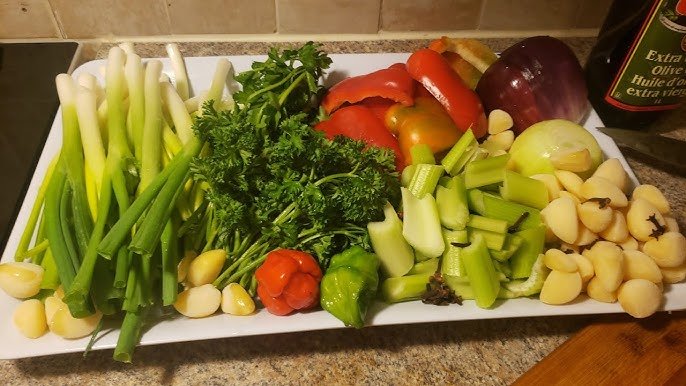
Ingredients:

- 12 cups dried lalo leaves
- 2.5 lbs sliced ​​pork feet
- 1 kg fresh or frozen crab legs
- 1 lb cubed skin-on pork belly
- 9 cups water
- 1 onion
- 1 bunch fresh parsley
- 4 to 5 sprigs fresh thyme
- 5 garlic cloves
- 2 mild green chilies
- 3 green onions
- 2 chicken bouillon cubes (2 x 67g)
- 90 ml fish sauce (Nuoc-mâm)
- 5 tbsp. 1 tbsp (75 ml) canola or olive oil
- 1 Scotch bonnet pepper
- Salt to taste
- Pepper to taste
- Yield: 6-8 servings

Preparation (2.5 hours)

1. Soak the lalo leaves in 8 cups of water for at least 3 hours or overnight.
2. To prepare the spice blend, grind the onion, green onions, parsley, garlic, chicken bouillon cubes, chili pepper, and 4 tbsp. of oil until smooth.
3. Boil the pork feet for 3 to 5 minutes in boiling water to remove any scum.
4. In a large, covered saucepan, add the remaining 1 tbsp. of oil and brown the pork belly pieces with the thyme for 5 minutes. 5. Add the pig’s feet, then mix with the spice mix, fish sauce, and crab.
6. Remove the crab legs, then pour the lalo and soaking water over the pig’s feet and belly. Mix.
7. Return the crab to the lalo with the whole Scotch bonnet pepper. Cover and simmer over medium heat for 2 hours.

Tips for best results:

- Soak the lalo leaves in water the night before. The liquid will be greenish and viscous; save for cooking.
- After boiling the pig’s feet, remove them and set aside. Do not keep the liquid.
- To brown the pork belly, add the whole thyme sprigs. Remove the thyme sprigs before mixing them with the lalo. - Cover the pan and simmer over medium heat for about two hours to soften the lalo stems and pig’s feet.

Share
About the Author
Jeunes Influenceurs
Jeunes Influenceurs
Leave a comment

Recently Posted

Haiti: Ministry of Tourism

In its quest to revitalize its tourism industry and highlight its natural and cultural riches, Haïti relies on a key player: the Ministry of Tourism. As a government entity dedicated to the promotion and development of tourism, this ministry plays a crucial role in transforming Haïti into a leading tourist destination. One of the main objectives of the Ministry of Tourism is to strengthen the attractiveness of Haïti to international travelers. To do this, it develops innovative marketing campaigns, highlighting the country’s pristine beaches, fascinating historical sites, rich culture and exquisite cuisine. These efforts aim to change the perception of Haïti and generate interest among potential tourists around the world. In collaboration with private sector players, the ministry is committed to supporting and promoting local tourism businesses. By encouraging entrepreneurship and innovation in the tourism sector, the ministry helps create jobs and stimulate the local economy. The Ministry of Tourism also attaches great importance to the preservation of the environment and cultural heritage of Haiti. It implements policies and initiatives aimed at protecting the country’s natural sites, national parks and historic monuments. By encouraging sustainable and responsible tourism, the ministry ensures that future generations will also be able to enjoy the beauty and cultural richness of Haiti. Finally, the Ministry of Tourism works closely with other national and international organizations to promote Haiti’s tourism development. Through strategic partnerships and exchanges of best practices, Haïti benefits from the expertise and support necessary to strengthen its tourism sector and increase its competitiveness in the global market. Haiti’s Ministry of Tourism is a key player in transforming the country into an attractive and sustainable tourist destination. Through its continued efforts to promote tourism, support local businesses, and preserve Haiti’s natural and cultural heritage, the ministry is paving the way for a bright future for the country’s tourism industry.
Newsletter

Subscribe to our newsletter to stay informed of all our activities and news on Haiti.

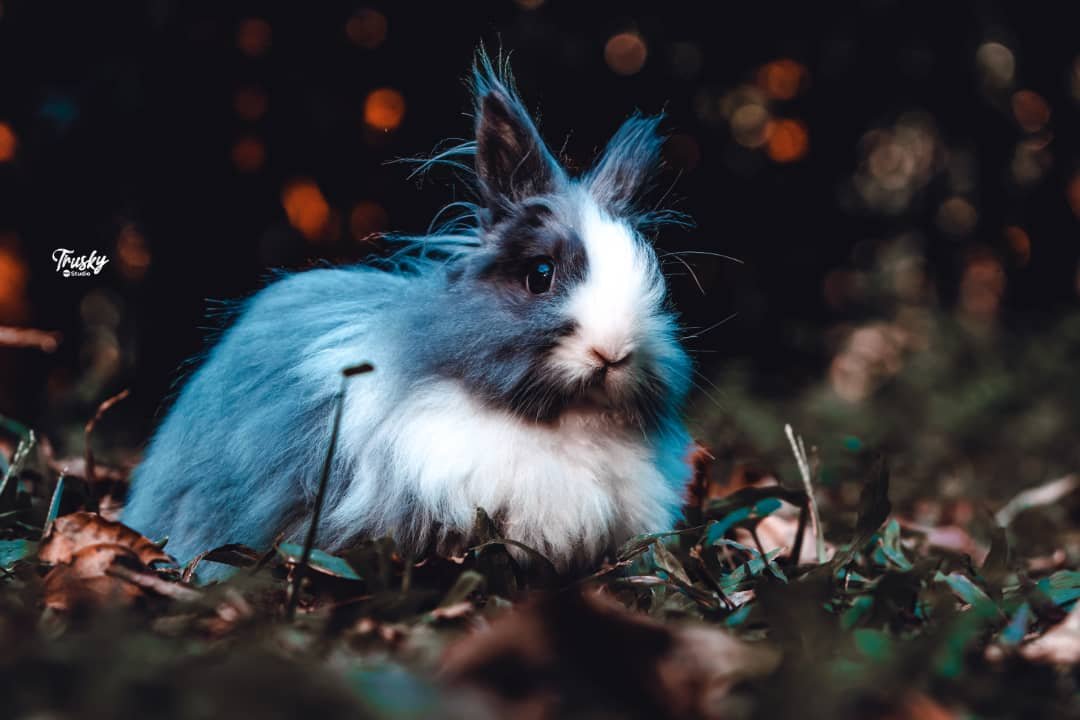
Caractéristique d’un lapin

Les lapins sont des mammifères appartenant à la famille des Leporidae. Voici quelques-unes de leurs caractéristiques principales : 1. **Physique** : Les lapins ont un corps couvert de fourrure douce, des oreilles longues et droites, de grands yeux sur les côtés de leur tête, et une queue courte et duveteuse. Ils possèdent de puissantes pattes arrière adaptées au saut. 2. **Taille et poids** : La taille et le poids peuvent varier considérablement selon la race, allant d’environ 500 grammes pour les plus petits à plus de 5 kilogrammes pour les plus grands. 3. **Comportement** : Les lapins sont connus pour être sociaux et peuvent vivre en groupes dans la nature. Ils communiquent entre eux par différents moyens, y compris par des sons et des mouvements corporels. Les lapins creusent des terriers pour y vivre et se protéger des prédateurs. 4. **Alimentation** : Ils sont herbivores, se nourrissant principalement de foin, d’herbes, de feuilles, de fleurs, et de certains légumes. Leur système digestif est adapté pour traiter une grande quantité de fibres. 5. **Reproduction** : Les lapins sont réputés pour leur capacité à se reproduire rapidement, avec des gestations courtes d’environ 28 à 31 jours. Une portée peut compter de un à douze lapereaux, selon la race. 6. **Sens** : Ils ont une excellente vision périphérique pour détecter les mouvements tout autour d’eux, mais ont une zone aveugle juste devant leur nez. Leur ouïe est également très développée, leur permettant de capter des sons à de grandes distances. 7. **Espérance de vie** : En captivité, les lapins peuvent vivre de 7 à 10 ans, selon la race et les soins prodigués, tandis que dans la nature, leur espérance de vie est généralement plus courte en raison des prédateurs et des maladies. Ces animaux nécessitent des soins appropriés, notamment un régime alimentaire équilibré, de l’exercice, et une attention particulière à leur bien-être émotionnel et physique pour vivre une vie saine et heureuse en captivité.


Recently Posted

History

History

First black nation to free itself from slavery and gain independence from France in 1804 and influenced other liberation movements around the world, inspiring struggles for freedom and equality.

Natural beauty

Natural beauty

Haïti is blessed with spectacular natural landscapes, including white sand beaches, mountains and rich biodiversity.

Heritage

Heritage

Haïti has a rich historical heritage, including sites like the Citadelle Laferrière and the Sans-Souci Palace, listed as UNESCO World Heritage Sites.

Culture

Culture

Haïti has a rich and diverse culture, influenced by African, European and indigenous elements. Haitian music, dance, art and cuisine are celebrated around the world.

  • +
    • Post