

1. Mini Griot or Chicken Sandwiches
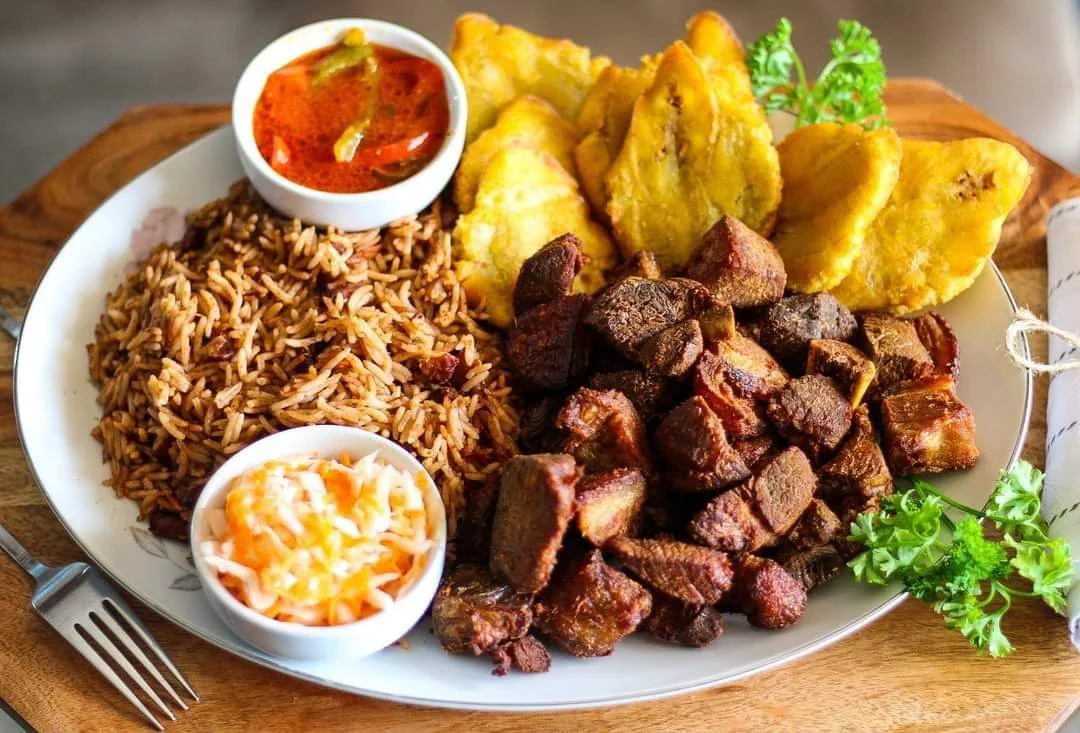
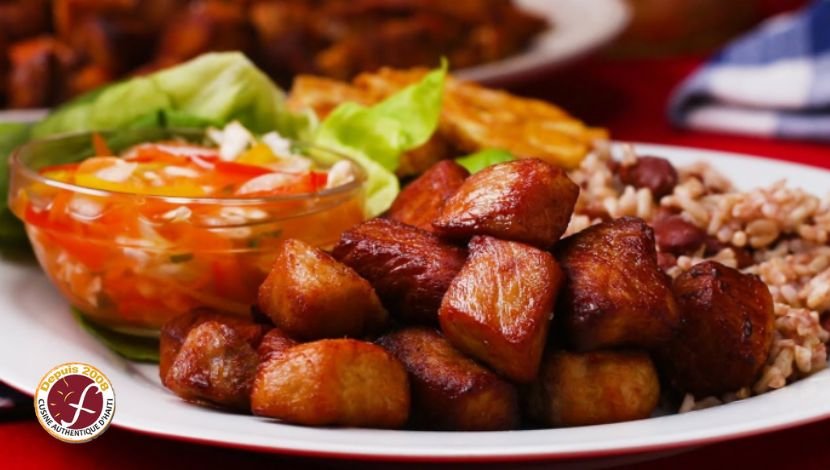
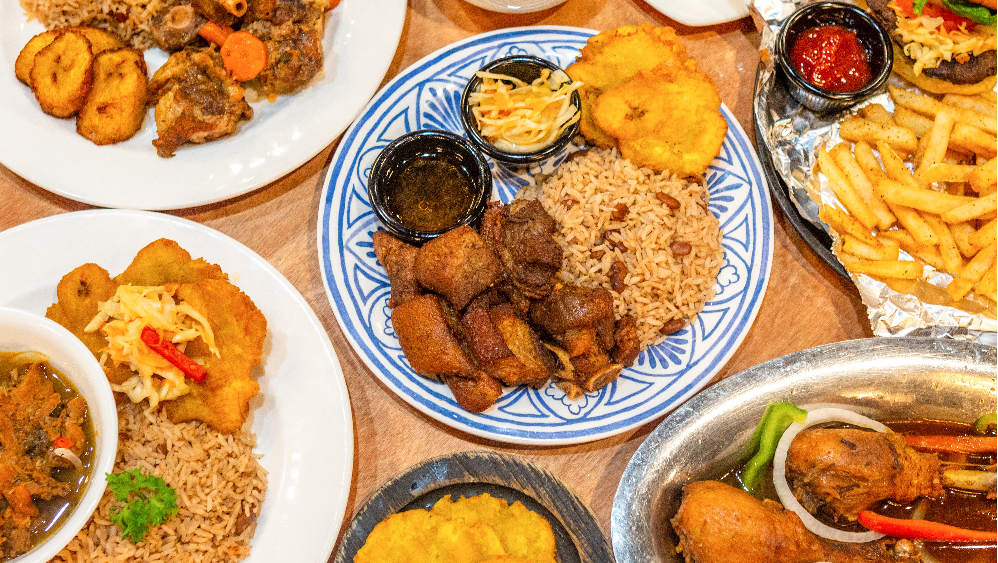
Griot is marinated, crispy porka classic! For an easy-to-eat version, make small sandwiches with bread.
Are you a parent? Are your children already going to school? Don’t say anything, I know! Every morning, it’s the same question: "What’s in their lunch today?" You want it to be tasty, balanced, and, above all, for your child to enjoy what they’re eating.
Here are 5 simple and delicious ideas to treat your child at school.
Read the article in :
Griot is marinated, crispy porka classic! For an easy-to-eat version, make small sandwiches with bread.
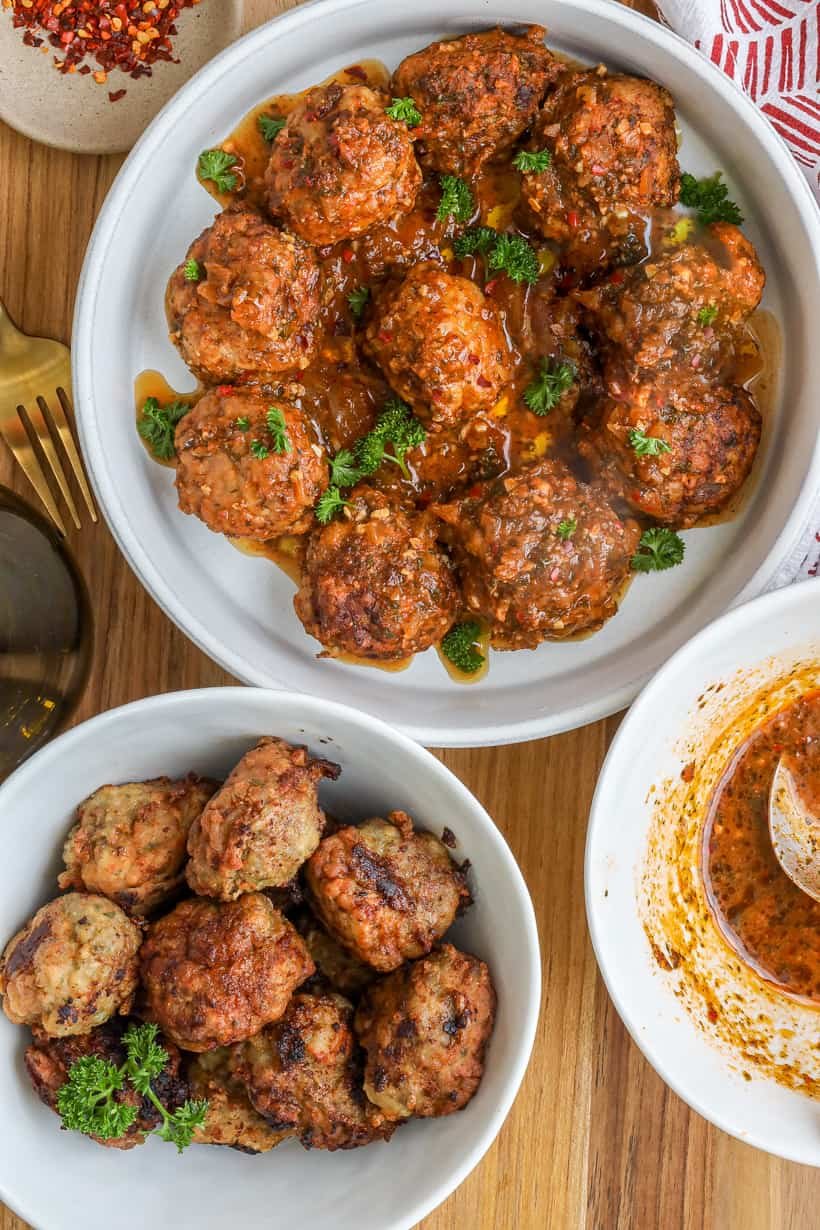
Small, well-seasoned meatballs served with crispy fries and a touch of vegetables (diced peas or carrots) for a complete and balanced meal.
Nothing beats an assortment of local fruits to bring freshness and vitamins! Mango, pineapple, melon, or papaya, cut into chunks for easy eating.
Slices of ripe banana wrapped in thin strips of grilled chicken. A perfect balance of sweet and savory that will delight little gourmands!
If your child enjoys traditional dishes, a small portion of sticky rice with red peas and chunks of fried or grilled fish is a delicious option.

Facebook : https://www.facebook.com/haitiwonderland
Youtube : https://www.youtube.com/@haitiwonderland
Instagram : https://www.instagram.com/haitiwonderland/
Twitter : https://twitter.com/haitiwonderland
Linkedin : https://www.linkedin.com/in/haitiwonderland/
Haïti is much more than a Caribbean island. It is a country rich in history, culture, gastronomy, and nature. Behind the challenges it has faced, Haïti shines with its unique heritage and major historical role. Here are seven fascinating facts that show why Haïti is a land of pride.
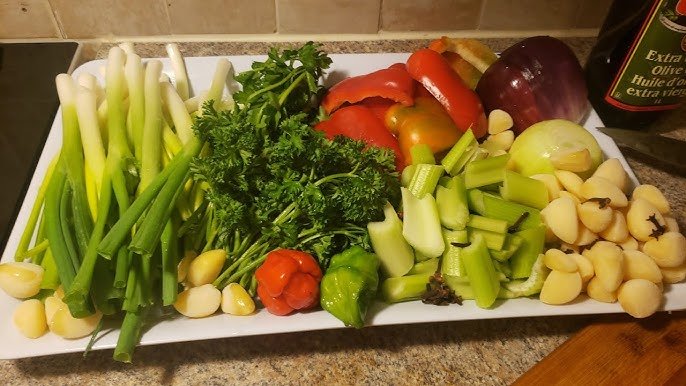
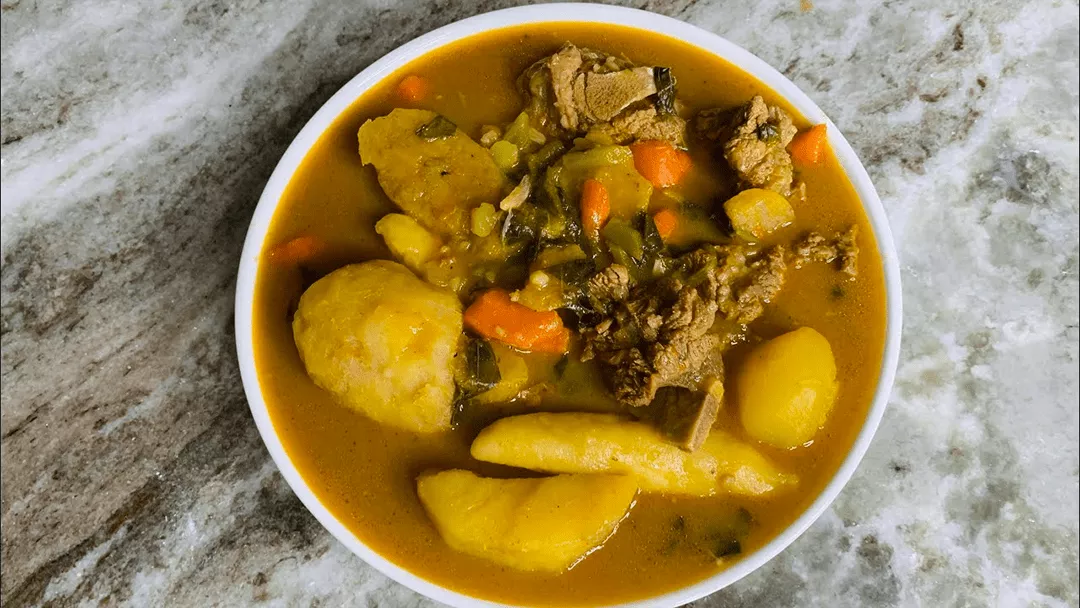
Are you Haitian? You are not Haitian but you have met them closely or from afar? Have you ever visited Haïti or do you have Haitian friends? No doubt! You have already eaten broth! Haitian broth is an emblematic dish of Haitian cuisine. This delicious broth is often prepared with a variety of meats, such as beef, pork or chicken, and is enhanced with fresh vegetables such as carrots, potatoes and celery. This mixture creates a harmony of flavors that reflects the richness of Haitian culture. The preparation of broth (bouyon) is a true culinary art. The ingredients are carefully selected and cooked slowly to allow the flavors to fully develop. Spices, such as thyme, garlic and chili pepper, add a touch of heat and depth to the dish. Traditionally, broth (bouyon) is served with rice or plantains, making it a complete and comforting meal. Broth is not just a dish, it is also a symbol of conviviality and sharing. It is often prepared during special occasions or family gatherings, strengthening the bonds between members of the community. If you feel like preparing broth one of these days, do not hesitate to ask for the recipe in the comments.
Subscribe to our newsletter to stay informed of all our activities and news on Haiti.
La musique joue un rôle crucial dans la formation de l’identité d’une nation, en haïti, elle occupe une place centrale dans la vie de presque tous les haïtiens. Elle est utilisée comme étant l’un des moyens les plus fiables dont se sert le peuple haïtien pour s’évader face aux nombreux événements qui constituent l’essentiel de son quotidien. Le genre musical qui prédomine en haïti est le compas direct. Créer par l’esprit créatif haïtien, le compas à évoluer au fil des années pour aboutir jusqu’à sa position actuelle.
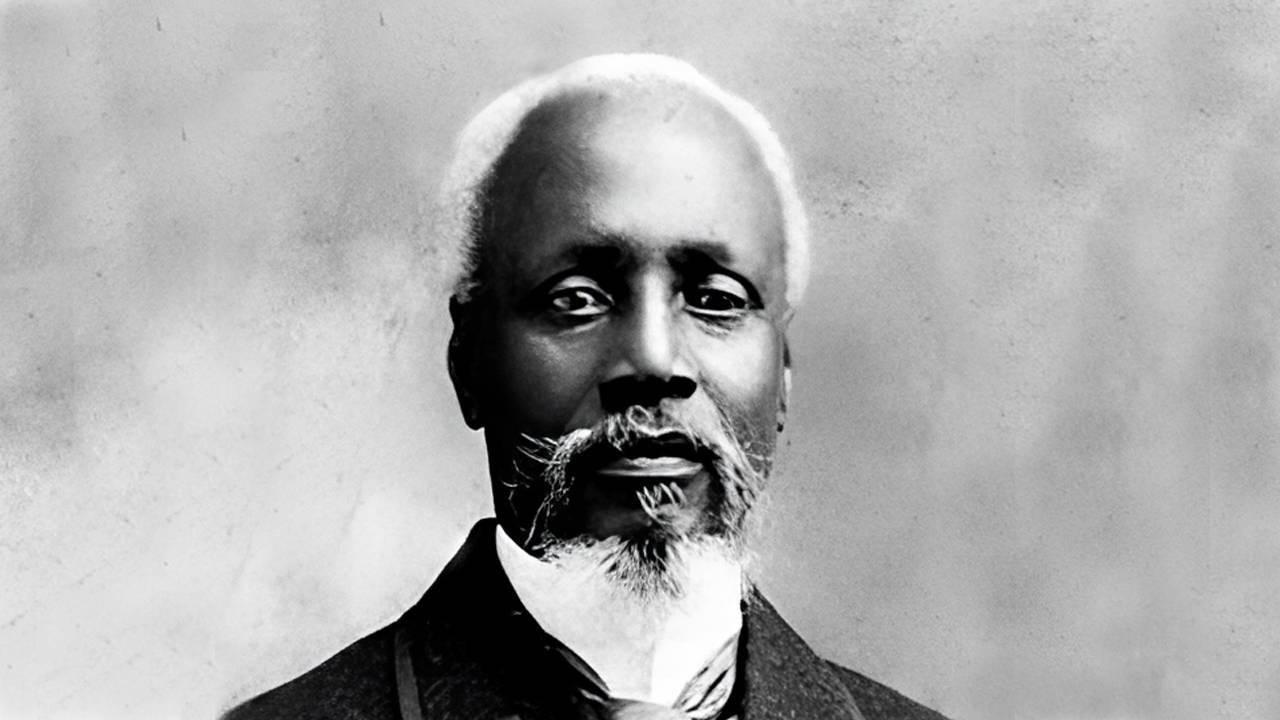
Joseph-Auguste Anténor Firmin was born on October 28, 1850 in Cap-Haïtien, in a Haïti recently emancipated from the colonial yoke, he died on September 19, 1911 at the age of 60 in exile. He is undoubtedly one of the most emblematic intellectual figures of his time. His life, marked by an exceptional career in the political, literary and diplomatic fields, illustrates the genius of a Haitian intellectual whose contributions have left an indelible mark on history.
Stéphanie Sophie Louis is the name of this young Haitian woman who is fully committed to the fight for the development of her country. A political scientist, activist, entrepreneur, and speaker, she was born on September 18, 2001, at the University Hospital of Haiti’s State University in the capital of Haiti. She is one of three daughters of her parents. Stéphanie grew up in central Haiti, specifically in the commune of Lascahobas. The key word in this young woman’s life is "commitment"; indeed, from her adolescence, she joined the scouts movement. This experience would serve as a springboard for her to be useful to her community. In 2017, she was even named Scout of the Year for the Central Department. Thanks to her involvement with the scouts, she had the chance to travel across the country early on, organizing summer camps for a children’s association, in various locations across the national territory: from Gonaïves to Les Cayes, passing through Marchand Dessalines, Arcahaie, and Saint-Marc. The young girl she was at that time, with her parents’ permission, was able to cross the entire land of her birthplace, which naturally led to a genuine love for her country, a way of confirming the idea that those who see this country up close always end up falling in love with it.
In Haiti, December 25th, Christmas Day, is much more than just a religious holiday. It is a date filled with traditions, cultural meanings, and moments of sharing. This article explores what this day means to Haitians and how it is celebrated throughout the country.

First black nation to free itself from slavery and gain independence from France in 1804 and influenced other liberation movements around the world, inspiring struggles for freedom and equality.

Haïti is blessed with spectacular natural landscapes, including white sand beaches, mountains and rich biodiversity.

Haïti has a rich historical heritage, including sites like the Citadelle Laferrière and the Sans-Souci Palace, listed as UNESCO World Heritage Sites.

Haïti has a rich and diverse culture, influenced by African, European and indigenous elements. Haitian music, dance, art and cuisine are celebrated around the world.