contact@haitiwonderland.com+509 36184317

Discover

Shopping Cart

Haiti: Haitian Fritay: An Explosion of Flavors in the Streets

Haiti: Haitian Fritay: An Explosion of Flavors in the Streets

Haiti’s bustling streets often echo with the tantalizing murmur of street vendors selling one of the country’s most prized culinary marvels: Fritay. This street feast, with its mouth-watering fried foods, is a true celebration of Haitian cuisine.

Haïti : Fritay
Haïti : Fritay
Haïti : Fritay

Variety and Tradition

The Haitian Fritay is a culinary experience that transcends the boundaries of a simple street meal. It is a true institution, a cultural heritage that brings together local residents and visitors around a common passion for unique flavors. Some of the most popular delicacies include fried plantains, pate kòde, accra, pickle and many more.
Haïti : Fritay
Haïti : Fritay
Haïti : Fritay

Fried Plantains: A Symphony of Crispy and Sweetness

Plantains, green bananas with firm flesh, are often the star of Haitian Fritay. These plantain slices are dipped in a special batter, then fried until they reach crispy perfection. The contrast between the golden, crisp exterior and the tender, sweet interior of the plantains creates a symphony of flavors that delights the taste buds.

Haïti : Fritay
Haïti : Fritay
Haïti : Fritay

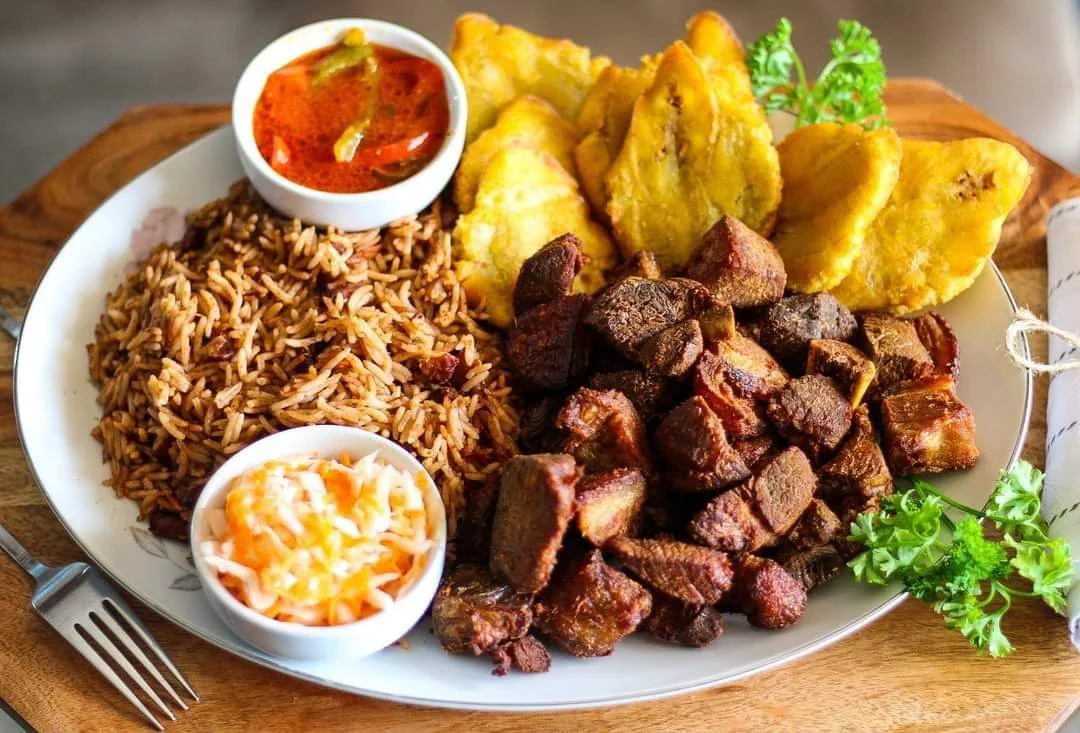
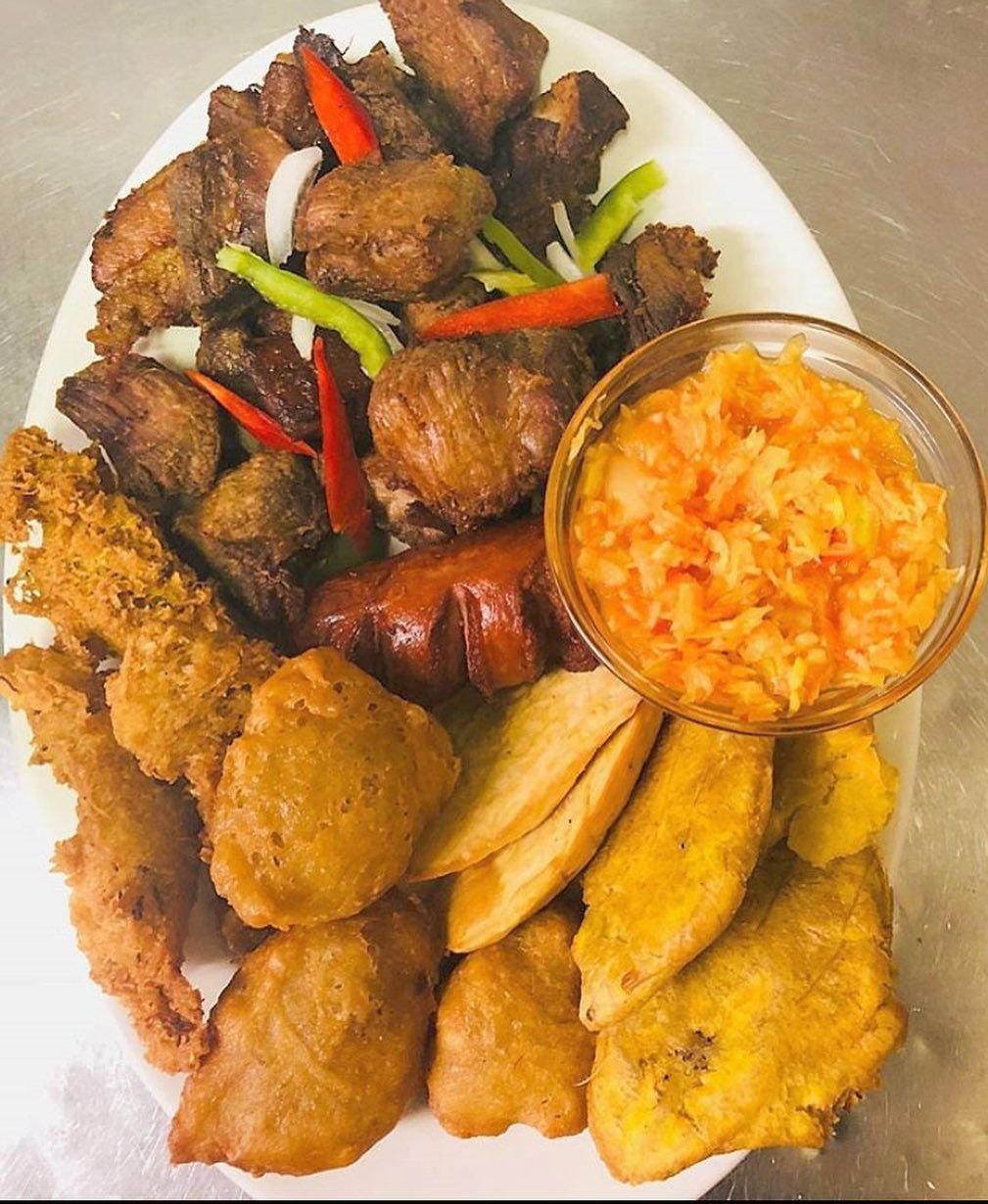
The Haitian Griot

The Haitian griot, culinary jewel of Haitian culture, embodies the very essence of gastronomic creativity and cultural heritage. This dish, often prepared during celebrations and family gatherings, is much more than just a delicious delicacy; it carries within itself the rich and vibrant history of the Haitian people.

At the heart of the griot is pork marinated in a mixture of exotic spices, giving rise to an explosion of flavors on the palate. The careful preparation and patience required to marinate and cook griot reflect the dedication to quality that characterizes Haitian cuisine.

Haïti : Pate kòde
Haïti : Pate kòde
Haïti : Pate kòde

Pate Kòde

Impossible to walk the Haitian streets without encountering a “Pate Kòde” seller. This traditional delicacy, found in alleyways as well as in upscale restaurants, is a tasty blend of dough, spices, and meat, often chicken. Whichever flavor you choose, each bite is an explosion of authentic tastes.

Haïti : Akra
Haïti : Akra
Haïti : Akra

Accra: An Explosion of Spicy Flavors

Accra, another star of Haitian Fritay, is a spicy creation made from Cassava. Seasoned with local spices, the accra is fried until it has a golden crust, offering an explosion of flavors in the mouth. It’s a must-try for those looking to spice up their Haitian dining experience.

Haïti : Marinad
Haïti : Marinad
Haïti : Marinad

Marinade: Fried and Marinated Pleasure

The marinade is a unique and flavorful blend of flour and spices, often enjoyed with pikliz or sauce. This combination of textures and flavors is a treat for Fritay lovers.

Haïti : Fritay
Haïti : Fritay
Haïti : Fritay

A Tradition That Travels

Although Haitian Fritay is rooted in local culture, it has also resonated beyond national borders. Haitian restaurants around the world often incorporate these iconic street foods into their menus, allowing food lovers to enjoy these delights without having to travel thousands of miles.

Haitian Fritay is much more than just a street food. It is a celebration of the richness of Haitian flavors, a culinary experience that captivates the senses and nourishes the soul. So, whether you’re a local or an intrigued traveler, immerse yourself in the deliciously fried world of Haitian Fritay and discover a symphony of flavors that will remain etched in your taste memory.

Share
About the Author
Haïti Wonderland
Haïti Wonderland
Leave a comment

Recently Posted

Newsletter

Subscribe to our newsletter to stay informed of all our activities and news on Haiti.

Guédés: When Haïti celebrates its ancestors with color and fervor

Every November 1st and 2nd, Haïti comes alive with the colors black and purple to celebrate the Guédés, spirits venerated in the voodoo religion, symbols of a powerful bond between the living and the dead. Fascinating, indomitable and provocative, the Guédés form a true family in the pantheon of Haitian voodoo, where they are respected for their role as spiritual guides of the deceased to the afterlife. Led by iconic figures such as the legendary Baron Samedi and his companion Grann Brigitte, the Guédés embody the paradoxes of life and death. Each Baron has a unique personality: Baron Cimetière, Baron Kriminel, and Baron La Croix are the guardians of the souls that wander on the borders of the world of the dead. Together, they form a powerful and somewhat frightening presence, but one that is deeply rooted in Haitian culture. The Guédés are not like other voodoo spirits; they demonstrate their fearlessness in a spectacular way. Accustomed to death, they are fearless and are provocative: they eat glass, raw peppers, and coat their sensitive parts with rum and pepper. These gestures mark their indifference to danger and remind us that they have already known earthly life. They are thus psychopomps – these beings who lead the souls of the dead – and act as bridges between the world of the living and that of the dead. Some Guédés, like Guédé Nibo, wear black, purple, and white clothing, each with unique characteristics. They are many and varied: Guédé Fouillé, Guédé Loraj, Papa Guédé, and many others. These are the spirits who, each year, remind Haitians of the importance of remembering and honoring the deceased. The cult of the Guédés is not only religious; it is also cultural and historical. According to tradition, their spiritual territory, or “Fètomè” – nicknamed the “Country without Hats” – is a place where the souls of ancestors reside. According to stories, the origins of this cult go back to the Abomey plateau, the ancient capital of the kingdom of Dahomey, in Africa, where death and life coexist in a form of symbiosis. This celebration in Haïti even finds echoes in ancient history. The Romans also honored their dead with the “Fête des Lémuria”, which took place in February, to ward off spirits and restore peace between the world of the living and that of the deceased. For Haitians, honoring the Guédés is about accepting death as a part of life and celebrating the invisible bonds that unite us with those who have left us. It is also a way of resisting, because life, despite its challenges, must be celebrated in all its complexity and depth.


Recently Posted

History

History

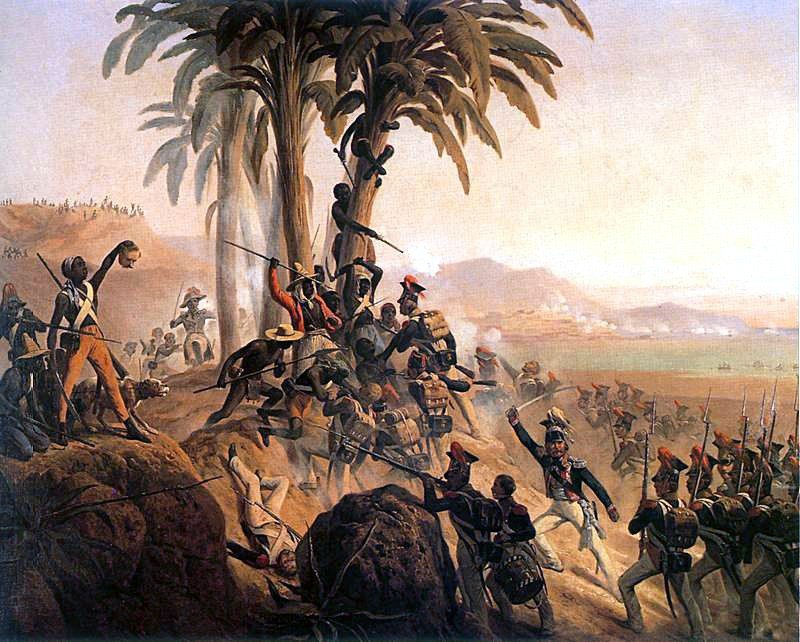
First black nation to free itself from slavery and gain independence from France in 1804 and influenced other liberation movements around the world, inspiring struggles for freedom and equality.

Natural beauty

Natural beauty

Haïti is blessed with spectacular natural landscapes, including white sand beaches, mountains and rich biodiversity.

Heritage

Heritage

Haïti has a rich historical heritage, including sites like the Citadelle Laferrière and the Sans-Souci Palace, listed as UNESCO World Heritage Sites.

Culture

Culture

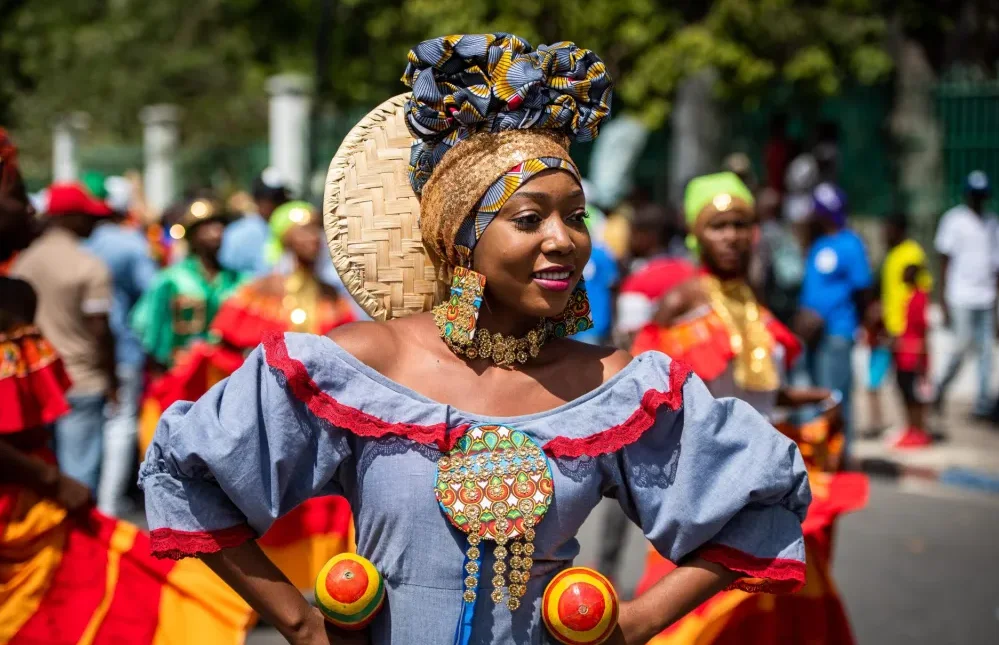
Haïti has a rich and diverse culture, influenced by African, European and indigenous elements. Haitian music, dance, art and cuisine are celebrated around the world.

  • +
    • Post