contact@haitiwonderland.com+509 36184317

Discover

Shopping Cart

Who Founded Haiti? History of the Nation’s Creation

Who Founded Haiti? History of the Nation’s Creation

Haiti, the world’s first independent black republic, is a universal symbol of freedom and resistance. But who founded Haïti and how was this nation born? This journey through history leads us to explore the role of heroic figures, significant events, and the context that gave birth to this unique nation.

Haïti
Haïti
Haïti

A Context of Revolt and Injustice

At the end of the 18th century, Haiti, then called Saint-Domingue, was a French colony renowned for its production of sugar, coffee, and indigo. However, this prosperity was based on the backs of African slaves subjected to inhumane working conditions.

- Colonial Society: The population was divided into three major classes: European settlers, freedmen (former free slaves), and slaves, who represented approximately 90% of the population.
- Injustice and Rebellion: Inspired by the ideals of liberty and equality of the French Revolution, slaves and freedmen began to demand their rights.

It was in this context of revolt that leaders emerged to lead the fight against colonial oppression.

Haïti
Haïti
Haïti

The emblematic figures of the founding of Haiti

The birth of Haïti is the fruit of the combined efforts of several personalities, but three names stand out in particular.

1. Toussaint Louverture:
- Nicknamed the "Precursor of Independence", Toussaint Louverture is a former slave turned general.
- He led the first slave revolts in 1791, organizing a disciplined army that defeated French, Spanish and British troops.
- Although he was captured and exiled to France in 1802, his leadership paved the way for independence.

2. Jean-Jacques Dessalines:
- Toussaint’s successor, Dessalines was the main architect of Haitian independence.
- In 1804, after leading the Haitian army to victory against the French, he proclaimed independence and renamed Saint-Domingue Haiti, paying homage to the island’s Taíno name.
- Dessalines became Haiti’s first emperor under the title of Jacques I.

3. Henri Christophe and Alexandre Pétion:
- Christophe, another key general in the revolution, and Pétion, a republican leader, played vital roles in establishing the young nation after independence.

The Proclamation of Independence: January 1, 1804

The defining moment in the founding of Haïti occurred on January 1, 1804.

- The Gonaïves Ceremony: In Gonaïves, Dessalines officially proclaimed Haiti’s independence.
- A Universal Act of Freedom: Haïti became the first independent nation led by former slaves and the first free black republic.
- A Message to the World: Haiti’s independence inspired other liberation movements, becoming a symbol of the struggle for freedom.

The Legacy of Haiti’s Founding

Haiti’s founding is a unique historical event that continues to influence the world.

- A Symbol of Resilience: Haïti is proof that the quest for freedom and dignity can triumph even against colossal odds.
- A Complex Legacy: The young nation faced internal and external challenges, including debts imposed by France and hostility from colonial powers.
- A Global Inspiration: Haiti’s history is taught as an example of courage and determination in the face of oppression.

Haïti
Haïti
Haïti

A Model for Humanity

Haïti is not just a nation; it is an idea, a revolution that changed the course of history. By celebrating its founders, we honor the values ​​of liberty, equality, and justice that they fought for at the cost of their lives.

Today, the story of Haiti’s founding remains a powerful reminder that even in the darkest of times, humanity can rise up and fight for its dignity.

What do you know about the Haitian struggle for independence? Share your thoughts and let’s honor those who built this heroic nation.

Share
About the Author
Appolon Guy Alain
Appolon Guy Alain
Appolon Guy Alain

Full Stack Developer, Créatif, expérimenté, passionné des nouvelles technologies et de l’art.

See other articles from Appolon Guy Alain
Leave a comment

Recently Posted

Petit-Goave, Haiti: Decryption of the 3rd rara weekend!

It is more and more obvious that in Petit-Goave the media space is absorbed by the rivalry between Ratyèfè, triple champions and lambi gran lambi dlo, a former champion. The past weekend was once again irrefutable proof of the media tension over these two rival bands. With a carnival-like appearance, the fan club of the first dressed in a white shirt, short orange-yellow skirt, purple tie, black boot; the other dressed in a traditional hat, yellow jersey, red pants, red or yellow tennis shoes. This marriage of colors with the taste of carnival is the expression of cultural diversity as La Fontaine said in his book tales and short stories "diversity is my motto." This formula can adapt well to the rara. If it is true in Léogane this marriage of color has existed for ages. It is no less true that this was the case in Petit-Goave because we had to wait for the strong return of Ratyèfè in 2018 to see the rara fan clubs dress differently each new weekend. Last Saturday more than one expected a new face to face between Lambi gran dlo and Ratyèfè because the latter weighed anchor in the direction of the 2nd plain and the latter, in the direction of the city center. Less than in any other circumstance, this duel at the top was obvious. If for some comments it was a favorable opportunity for Lambi to take his revenge on his rival compared to the previous weekend because he had done the profile although he had the advantage because he was two against one. (Lambi,chenn tamarin vs Ratyèfè). This enormous advantage did not work in their favor because the hours that had passed worked against them, as proof they had gone to sleep while ratyèfè remained to play for at least 30 more rounds. Surprisingly but not surprisingly during the meeting long awaited by less than one, at the Acul not far from the Saint Jean-Baptiste church, lambi had decided not to play anymore. However, according to the customs and costumes of the rara when there are two bands, the one who stops playing first, shows weakness and surrender. Consequently, the other who is opposite out of decency and good morals has no other choice to do the same. It follows that for the umpteenth time the great power formation (lambi grand dlo) was unable to take revenge on its rival. For many cultural journalists who were present to witness this event did not have their tongue in their pocket to give their impression of Ratyèfè’s monster performance. This is the case for Brignol, a cultural commentary which wondered if Ratyèfè had the devil in his body so that the most incredulous were in their feeling of joy. On Sunday evening this monster of animation once again made its mark in the art of its know-how. This is what explains the almost unanimity among the cultural journalists of Petit-Goâve in granting first place to this band for its performance and its musical discipline. So, for this weekend according to the circle of cultural journalists of Petit-Goave and with the approval of many other cultural comments. We have the following classification: 1st Ratyèfè 2nd Grap Kenèp 3rd Orgueil de la jeunesse

Newsletter

Subscribe to our newsletter to stay informed of all our activities and news on Haiti.

Haitian traditions

Haiti, the pearl of the Antilles, is a country rich in history and traditions. Its vibrant and diverse culture is reflected through its national holidays, cultural festivities, traditional foods, religious beliefs, folk tales, and traditional games. Let’s immerse ourselves in the social fabric of Haïti to discover the beauty of its traditions. b~National Holidays:~b National holidays in Haïti are moments of pride and national unity as January 1, Independence Day, commemorates the victory of Haitian slaves over French colonial forces in 1804, making Haïti the first independent country in Haiti. Latin America and the Caribbean or the commemoration of the Battle of Vertières on November 18. The Battle of Vertières was one of the last great battles of the revolution. It took place in Vertières, near the town of Cap-Haitien. b~Cultural Festivities:~b Haïti is also famous for its cultural festivities, particularly Carnival, which is an explosion of color, dance, and music. Artistic and craft events, such as the Rara festival, are an opportunity for artists to showcase their talent. The Rara, a musical parade, combines folklore and spirituality, creating a unique experience. b~Traditional Foods:~b Haitian cuisine is a delight for the taste buds. Dishes like griot (fried pork), diri djon djon (rice with black mushrooms), and the legendary joumou (joumou soup) are an integral part of Haitian culinary tradition. Bold flavors, spices and cooking methods inherited from African and French tradition make Haitian cuisine unforgettable. b~Vodou:~b Vodou, often misunderstood, is a synchretic religion that incorporates elements of Catholicism, African animism, and indigenous beliefs. It plays a significant role in the daily lives of Haitians, influencing music, dance, and religious rites. Vodou is a profound expression of Haitian spirituality. The Tales (Krik Krak, Tim Tim, Bwa Sèch): Haitian folk tales, passed down from generation to generation, are rich in morality and wisdom. b~Konbit :~b The concept of Konbit represents community solidarity. Haitians come together to perform community tasks, whether in agricultural fields or for construction projects. It is a living example of the collective spirit that permeates Haitian society. The most recent major project to date concerns the construction of the canal from the Massacre River to Ouanaminthe, which took place between September and December 2023. Thousands of inhabitants of the north of the country mobilized all their forces to erect a canal allowing to collect water intended for irrigation of their plantations, with the aim of obtaining better harvests. Despite their modest means, they were motivated by the slogan "KPK" (Kanal la pap kanpe), a direct response to Dominican President Luis Abinader who warned them and did everything in his power to stop the construction of the canal. This channel represents the deep solidarity of Haitians and reaffirms national pride. Despite economic challenges, the people of northern Haïti have demonstrated exceptional determination to work together for a common goal. The slogan “Kanal la pap kanpe” embodies their resilience in the face of external pressures and demonstrates their unwavering will to continue the construction of the canal. b~Traditional Games:~b Traditional games are an essential part of daily life in Haiti. Games like lido, sote kòd, Yoyo, Ralba, Marèl, TiTaTo, Kay, lago kache, Monte kap, teke mab, woule sèk, twa fwa se manbo, and domino bring people together, promoting camaraderie and fun. Haitian traditions are a harmonious blend of spirituality, community, and cultural diversity. Every aspect, from national holidays to traditional games, helps weave the rich cultural tapestry that makes Haïti proud. These traditions are the beating heart of the nation, a precious heritage that continues to be passed down from generation to generation.

Recently Posted

History

History

First black nation to free itself from slavery and gain independence from France in 1804 and influenced other liberation movements around the world, inspiring struggles for freedom and equality.

Natural beauty

Natural beauty

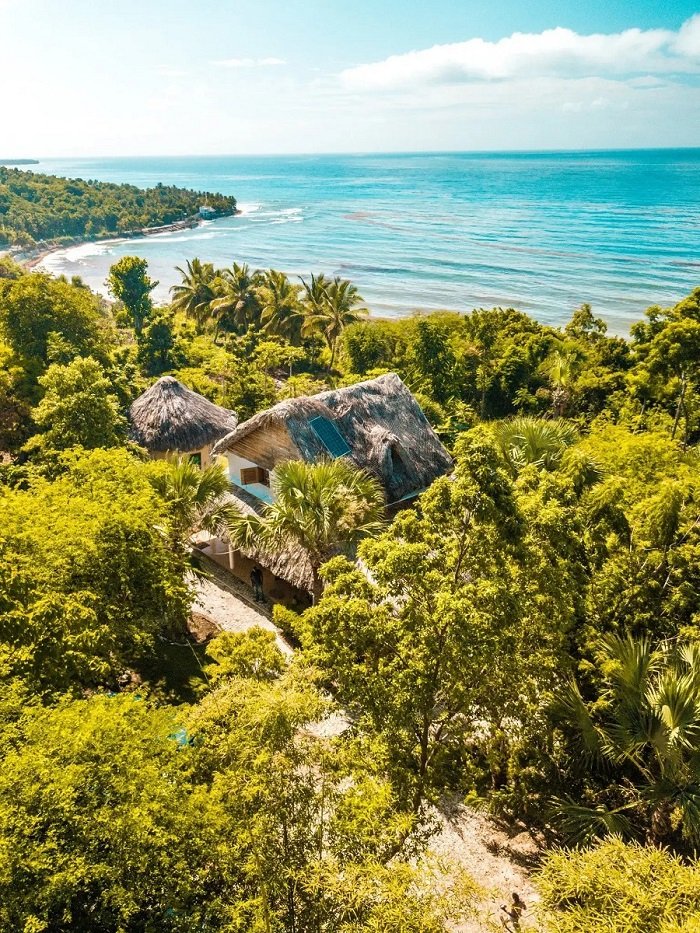
Haïti is blessed with spectacular natural landscapes, including white sand beaches, mountains and rich biodiversity.

Heritage

Heritage

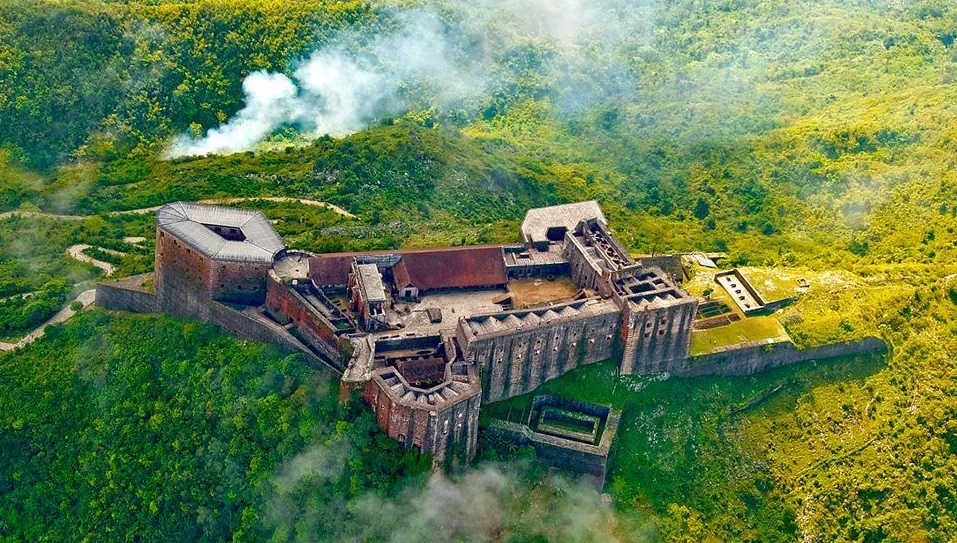
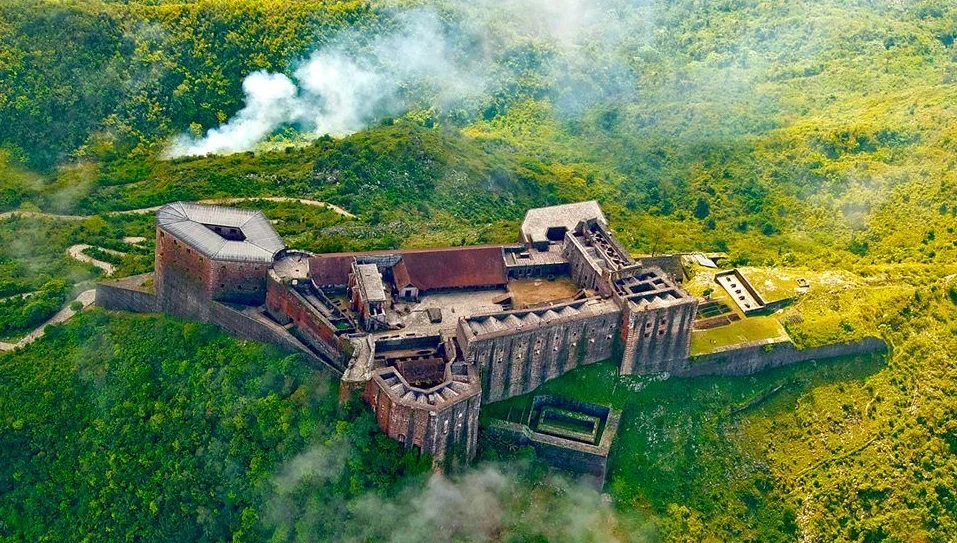
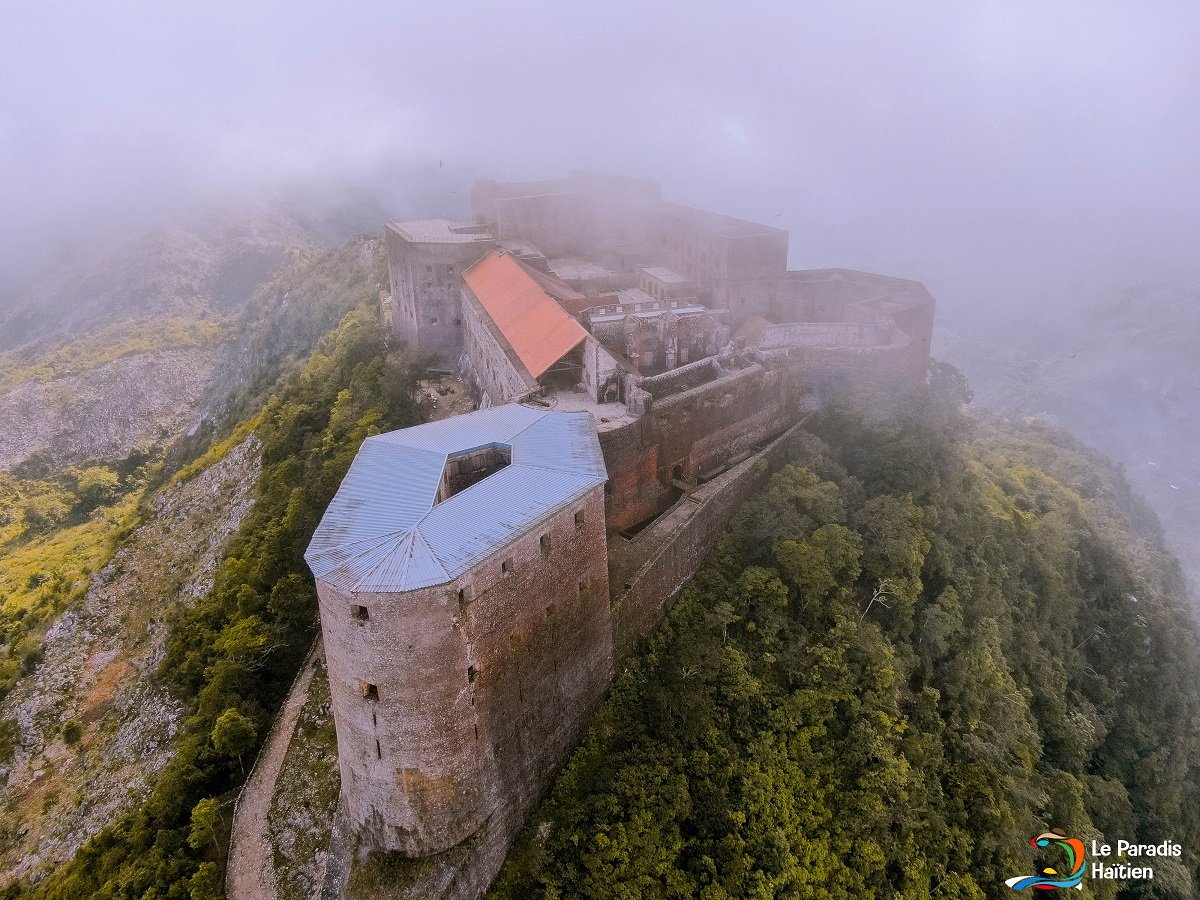
Haïti has a rich historical heritage, including sites like the Citadelle Laferrière and the Sans-Souci Palace, listed as UNESCO World Heritage Sites.

Culture

Culture

Haïti has a rich and diverse culture, influenced by African, European and indigenous elements. Haitian music, dance, art and cuisine are celebrated around the world.

  • +
    • Post