contact@haitiwonderland.com+509 36184317

Discover

Shopping Cart

What does the name Haïti mean? History and context

What does the name Haïti mean? History and context

The name “Haiti” is deeply rooted in the history, culture and identity of the nation. Carrying within it the legacy of the first inhabitants and the weight of the struggles for freedom, this word symbolizes much more than a simple territory. Let’s discover together the history and context surrounding this unique appellation.

Origin and etymology of the word Haiti

The word “Haiti” comes from the language of the Taino, the indigenous people who inhabited the island before the arrival of Europeans.

- Meaning in Taino: In the Taino language, “Ayiti” means “land of high mountains” or “mountainous country”.
- Geographic description: This term reflects the spectacular relief of the island, characterized by imposing mountains that dominate the landscape.

By choosing this name, the Tainos were highlighting the natural beauty of their land, where nature played a central role in their way of life.

A symbolic choice after independence

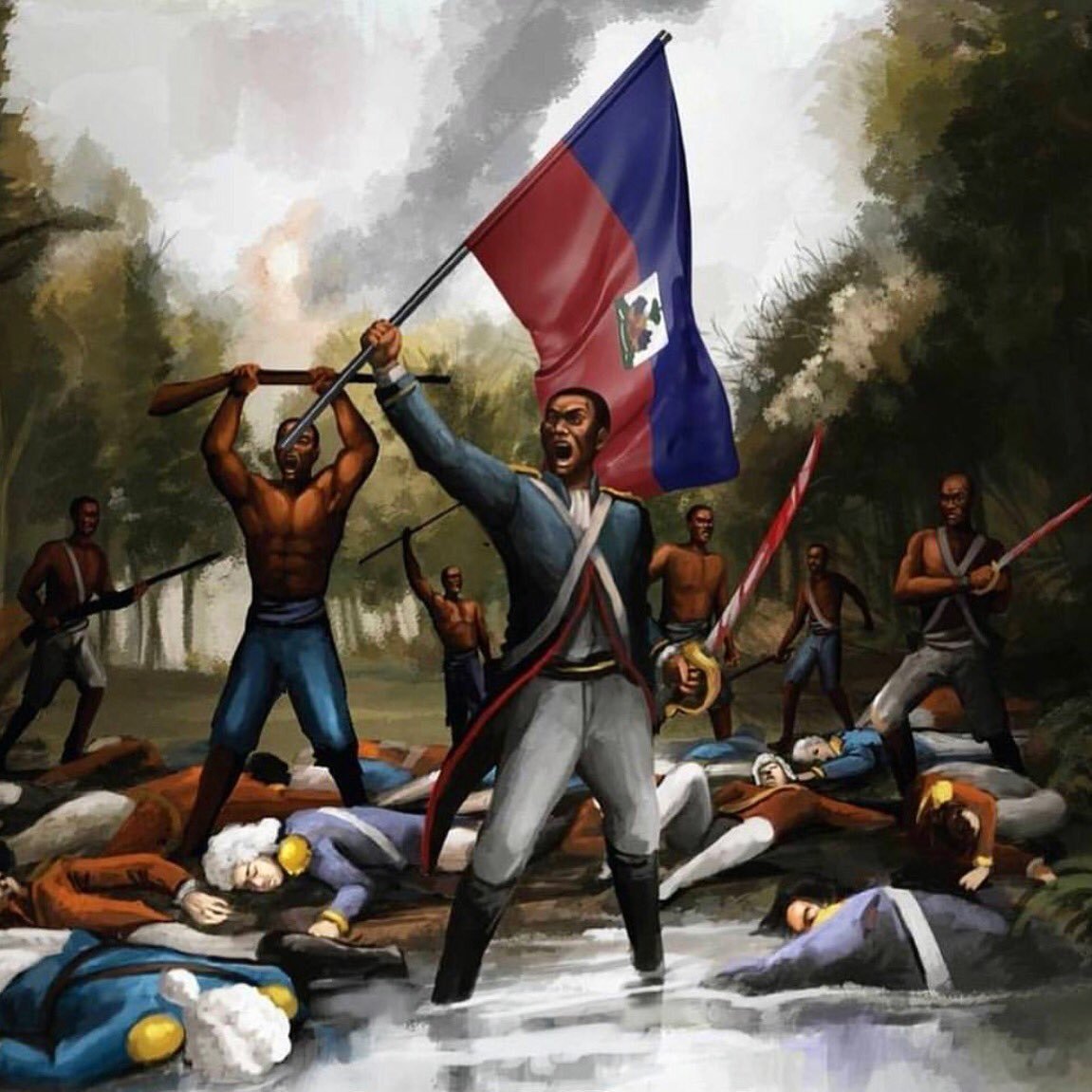
After the Haitian revolution and the proclamation of independence in 1804, the leaders of the new country decided to rename the former French colony of Saint-Domingue to “Haiti”.

- Back to the origins: This choice aimed to honor the Tainos, the first inhabitants of the island, and to break with the colonial past.
- An act of resistance: By adopting this name, Haïti affirmed its unique identity and its desire to free itself from European colonial influences.

Thus, “Haiti” has become a symbol of national pride and resilience in the face of historical oppression.

Haïti and its mountainous landscape

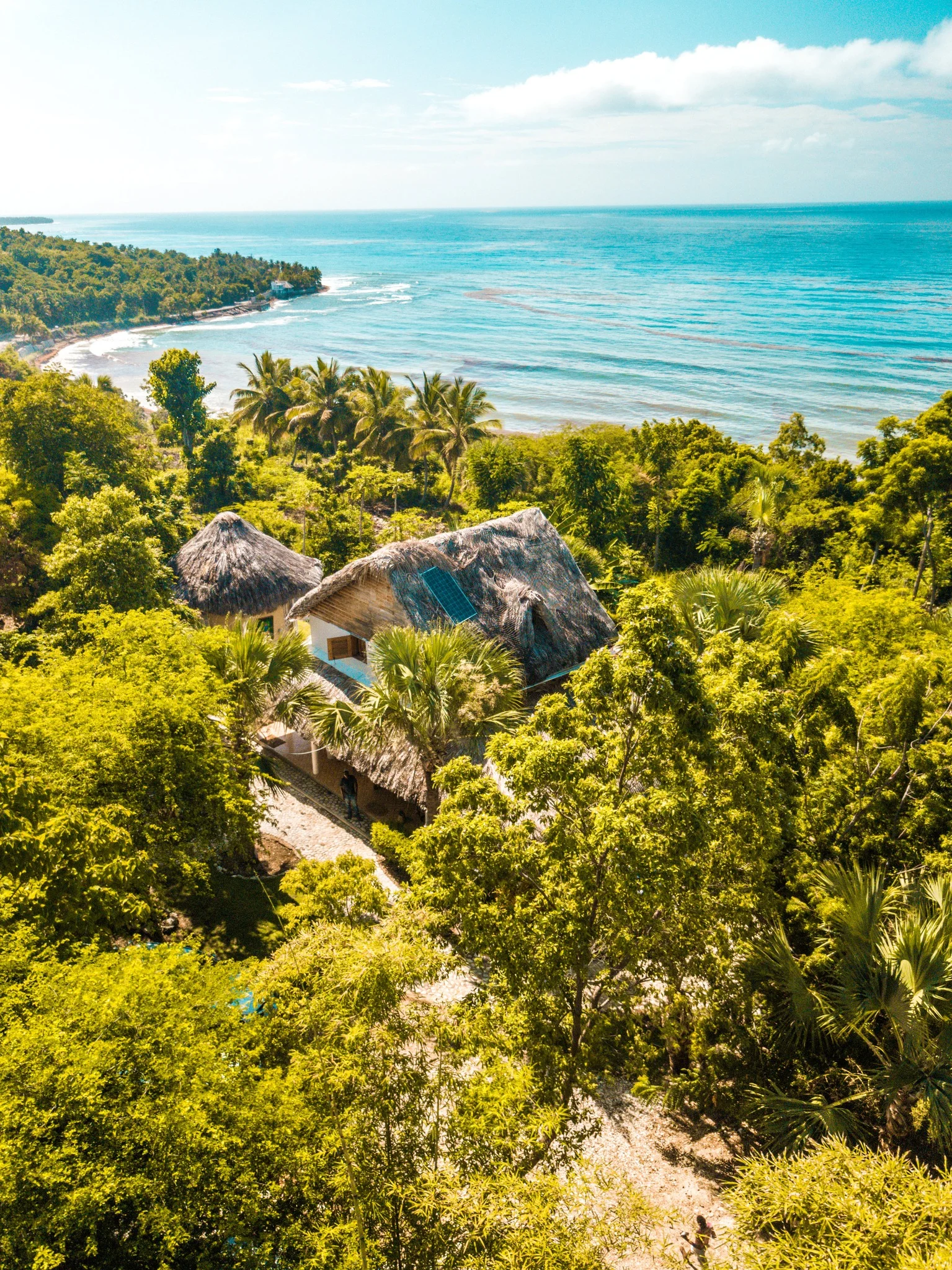
The name “Haiti” also finds its meaning in the country’s exceptional geography.

- A land of mountains: Haïti is made up of more than 60% mountains, including the famous Massifs de la Hotte, du Nord and de la Selle. These mountains are not only natural wonders, but also historical refuges during the Haitian Revolution.
- A natural paradise: This relief contributes to Haiti’s unique biodiversity, offering varied landscapes ranging from lush tropical forests to rugged peaks.

By celebrating the country’s mountainous character, the name “Haiti” reflects a true natural wealth.

A name carrying heritage and pride

“Haiti” is much more than a word: it is a constant reminder of the country’s glorious history and the struggle for independence.

- First independent black republic: In 1804, Haïti marked world history by becoming the first independent black republic, an example of resistance and courage.
- A name that carries memory: It also evokes the cultural richness and diversity of its inhabitants, descendants of the Tainos, Africans and European settlers.

This word has become an emblem of freedom, resilience and identity for Haitians and beyond.

Why is “Haiti” unique?

The choice of the name “Haiti” reflects universal values:

- Respect for origins: By honoring the first inhabitants, it highlights the importance of preserving cultural roots.
- Resilience: It testifies to the ability of the Haitian people to overcome adversity and build a strong and independent nation.
- Natural beauty: It highlights the country’s geographical and ecological assets, making Haïti a destination to discover and respect.

For Haitians, this word is a source of pride. It tells their past, present and future with power and authenticity.

A Meaning That Resonates Around the World

“Haiti” is more than just a geographic name. It is a testament to courage, a symbol of hope, and a reminder of the natural and cultural beauty of a unique country.

Learning the meaning and history behind the word will help you understand why Haïti is such a special place and why its people carry their heritage with pride.

What does the name “Haiti” inspire in you? Share your thoughts and learn more about this fascinating nation!

Share
About the Author
Appolon Guy Alain
Appolon Guy Alain
Appolon Guy Alain

Full Stack Developer, Créatif, expérimenté, passionné des nouvelles technologies et de l’art.

See other articles from Appolon Guy Alain
Leave a comment

Recently Posted

Haiti: A look back at the First Rara Weekend in Petit-Goave

Haitian culture is a true treasure, woven from the creativity of its artists, its rich heritage and the diversity of its cultural expressions. Among these cultural gems, the rara stands as a true national emblem, uniting Haitians through its captivating rhythms and centuries-old traditions. During the first Rara weekend, this very essence of Haitian culture shone brightly, revealing palpable social cohesion. Despite the absence of law enforcement, tranquility reigned in Petit-Goâve, testifying to the ability of citizens to come together in peace and conviviality. However, media attention was mainly focused on the first plain, leaving a certain imbalance in the coverage of the festivities. Ratyèfè, three-time reigning champion, once again captivated minds with his talent and artistic mastery, offering an unparalleled spectacle. But his rival, Lambi gran dlo, was not to be outdone, displaying a determination to compete for first place. The event was also marked by unfortunate incidents, reminding us that despite the beauty of tradition, tensions can arise. Clashes between fans of different groups tarnished the festive atmosphere, highlighting the need for careful management of celebrations to avoid such excesses. At the heart of this musical competition, where each group aspires to recognition and victory, a complex picture of rivalries and alliances emerges. Chenn tamarin, although appearing asleep in the first moments, shows signs of waking up, ready to shake up the established order. On Sunday evening, Lambi gran dlo honored the memory of one of its loyal supporters, while Grap Kenèp was the scene of violence between fans, recalling the fragility of social cohesion when passion runs wild. In this whirlwind of emotion and competition, it is crucial to keep in mind that it is the journalist who must look to the events, and not the other way around. This is how we draw up the first ranking for this first weekend: 1. Ratyèfè 2. Lambi grand dlo 3. Chenn tamarind Beyond the results, it is the preservation of unity and mutual respect that must remain at the heart of these celebrations, making the rara not only a musical festival, but above all a symbol of the wealth and resilience of the people Haitian.

Newsletter

Subscribe to our newsletter to stay informed of all our activities and news on Haiti.

Haiti: Discovering Lake Péligre

At the heart of the majestic Haitian topography, lies a natural gem of breathtaking beauty: Lake Péligre. Nestled in the mountains of Haiti’s central region, this artificial lake is a wonder for local residents and amazed visitors alike. From its historical creation to its contemporary ecological importance, let’s explore together the riches of Lake Péligre. Origin and History: Lac de Péligre is the result of an ambitious engineering project undertaken in the 1950s. At that time, the Haitian government, in collaboration with international partners, undertook the construction of the Péligre Dam on the Artibonite River. The main goal was to provide large-scale electricity to Haïti while regulating river flooding to protect agricultural land downstream. Ecology and Biodiversity: Beyond its usefulness as a source of hydraulic energy, Lake Péligre is home to rich ecological diversity. The calm waters of the lake provide vital habitat for a variety of native fish species, supporting local fishing communities. In addition, the surrounding forests and hills that border the lake are home to diverse flora and fauna, contributing to the preservation of the regional ecosystem. Tourism and Leisure: For outdoor enthusiasts and nature enthusiasts, Lake Péligre offers a multitude of leisure opportunities. Visitors can enjoy peaceful boat rides on the tranquil waters of the lake, offering panoramic views of the surrounding mountains. Additionally, hiking trails winding through lush forests allow hikers to explore the area’s natural beauty. Lake Péligre represents much more than a simple artificial body of water. It is a living testament to human ingenuity and the natural beauty of Haiti. As an emerging tourism destination, it offers visitors an immersive experience in nature, while highlighting the crucial importance of environmental conservation. By preserving this natural treasure, we also preserve the sustainable future of our planet.

Recently Posted

History

History

First black nation to free itself from slavery and gain independence from France in 1804 and influenced other liberation movements around the world, inspiring struggles for freedom and equality.

Natural beauty

Natural beauty

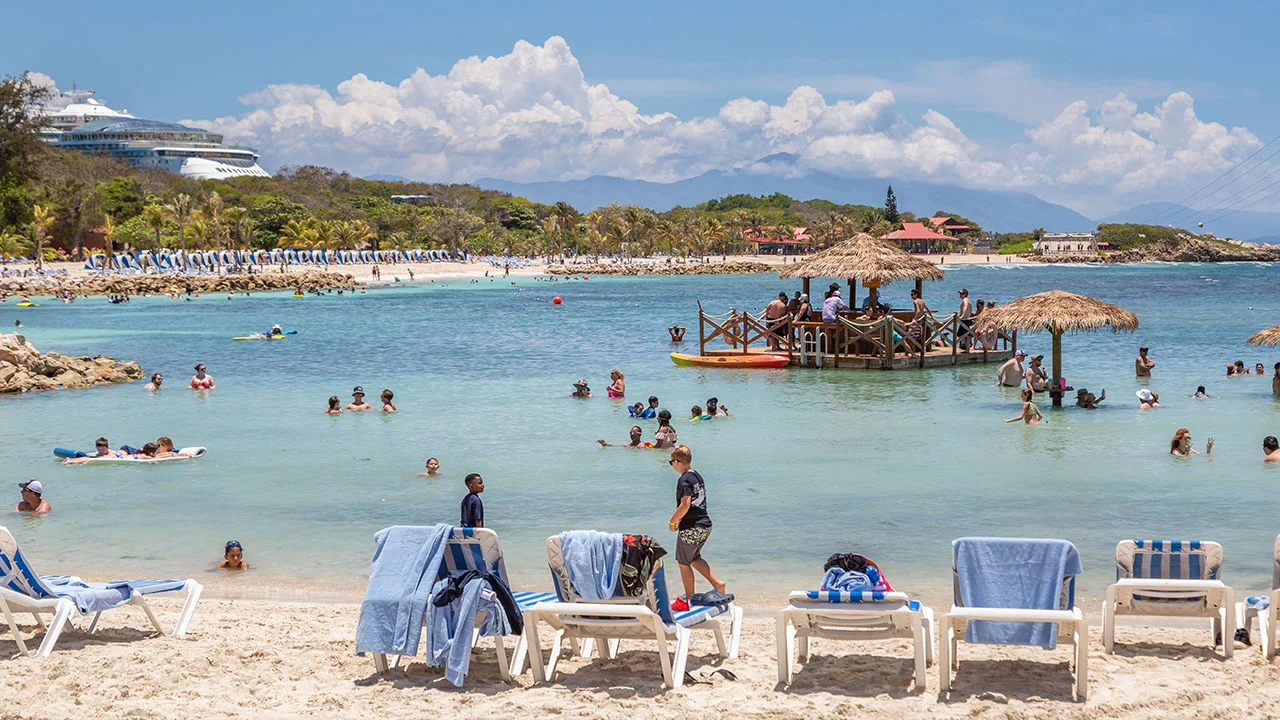
Haïti is blessed with spectacular natural landscapes, including white sand beaches, mountains and rich biodiversity.

Heritage

Heritage

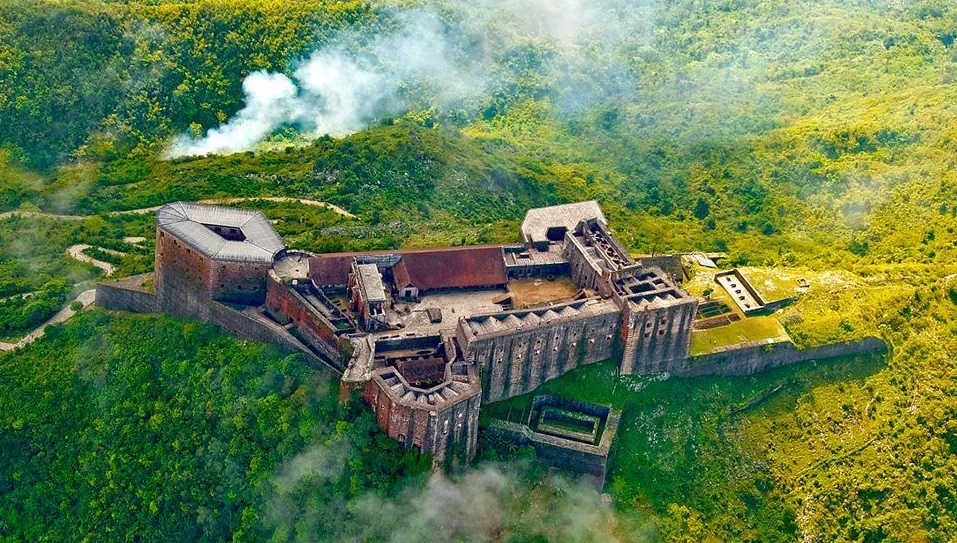
Haïti has a rich historical heritage, including sites like the Citadelle Laferrière and the Sans-Souci Palace, listed as UNESCO World Heritage Sites.

Culture

Culture

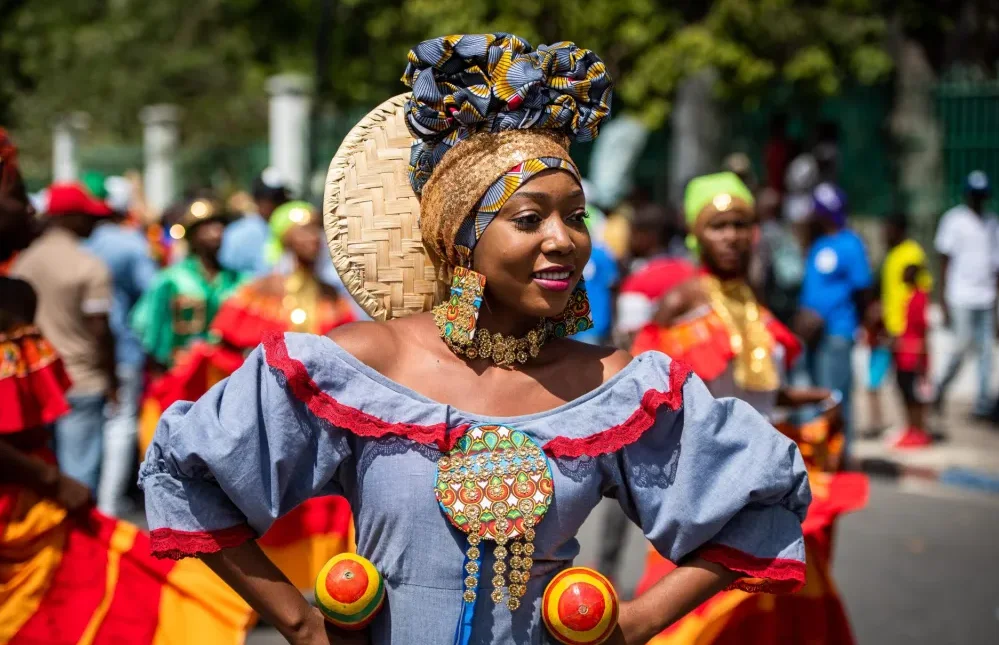
Haïti has a rich and diverse culture, influenced by African, European and indigenous elements. Haitian music, dance, art and cuisine are celebrated around the world.

  • +
    • Post