contact@haitiwonderland.com+509 36184317

Discover

Shopping Cart

What is the most popular religion in Haiti?

What is the most popular religion in Haiti?

Religious diversity in Haïti is a key aspect of its cultural identity, but Christianity, and more specifically Catholicism, is the most popular religion in the country. With its roots deep in colonial history, Haitian spirituality is also enriched by unique cultural practices, such as Vodou, that coexist with Christian beliefs. In this article, we explore the history, practices, and key figures surrounding religion in Haiti.

Haïti
Haïti
Haïti

Catholicism: A Colonial Legacy

Introduced by French colonists in the 17th century, Catholicism became the dominant religion in Haiti, thanks in part to the influence of missionary education and colonial administration. To this day, approximately 55% of Haitians identify as Catholic, according to recent studies.

Catholic celebrations play an important role in the lives of Haitians. Holidays such as Christmas, Easter, and Corpus Christi are celebrated with fervor. Churches, often beautifully decorated, are at the heart of local communities and demonstrate the importance of Catholicism in the daily lives of locals.

See as well

Protestantism on the Rise

Protestantism has grown in popularity in Haïti since the 19th century. Today, approximately 30% of the population identifies as Protestant, with denominations including Baptists, Adventists, Pentecostals, and Methodists.

Protestant churches often attract visitors with their dynamic approach to faith, including impassioned sermons, lively singing, and strong community involvement. Protestantism also plays a growing role in education and social services in Haiti.

Haïti
Haïti
Haïti

Vodou: An Authentically Haitian Spirituality

Although often misunderstood, Vodou is an essential component of Haitian spirituality. Born from the syncretism between African slave beliefs and Catholicism, Vodou is practiced by a significant portion of the population, often in parallel with Christianity.

Vodou is based on a connection with the spirits, called lwa, who intervene in daily life. Ceremonies, dances, and offerings are organized to honor these spirits and ask for their protection or guidance.

Despite stereotypes, Vodou has been recognized as an official religion in Haïti since 2003. It embodies an important part of the country’s cultural identity and illustrates the resilience and creativity of the Haitian people in the face of adversity.

Some key figures on religion in Haiti

- 55% of Haitians are Catholic, making Catholicism the majority religion.
- 30% identify as Protestant, with rapid growth in urban areas.
- Nearly 90% of the population practices Vodou in some form, often combined with Christian beliefs.
- About 5% of Haitians identify with other religions or declare themselves to be without religion.

Religious coexistence in Haiti

One of the particularities of Haïti is the way in which different religious practices coexist harmoniously. Many Haitians, for example, attend Catholic mass on Sundays while participating in Vodou ceremonies. This integration reflects a spiritual vision that values ​​harmony and tolerance.

Religion also plays a central role in the collective resilience of the Haitian people. In the face of challenges, Haitians rely on their faith, whether Christian or Vodou, to find strength and hope.

A Unique Spiritual Richness

The most popular religion in Haïti is undoubtedly Catholicism, but the country’s spiritual richness goes far beyond that. With African, European, and indigenous influences, Haitian spirituality is a fascinating reflection of its history and culture. Whether you are interested in Christianity, Vodou, or simply how these beliefs coexist, Haïti offers a valuable lesson in diversity and resilience.

And you, what have you discovered or learned about Haitian spirituality? Share your thoughts and experiences in the comments!

Share
About the Author
Appolon Guy Alain
Appolon Guy Alain
Appolon Guy Alain

Full Stack Developer, Créatif, expérimenté, passionné des nouvelles technologies et de l’art.

See other articles from Appolon Guy Alain
Leave a comment

Recently Posted

Haïti et son Rôle Pionnier dans l’Abolition de l’Esclavage Mondial

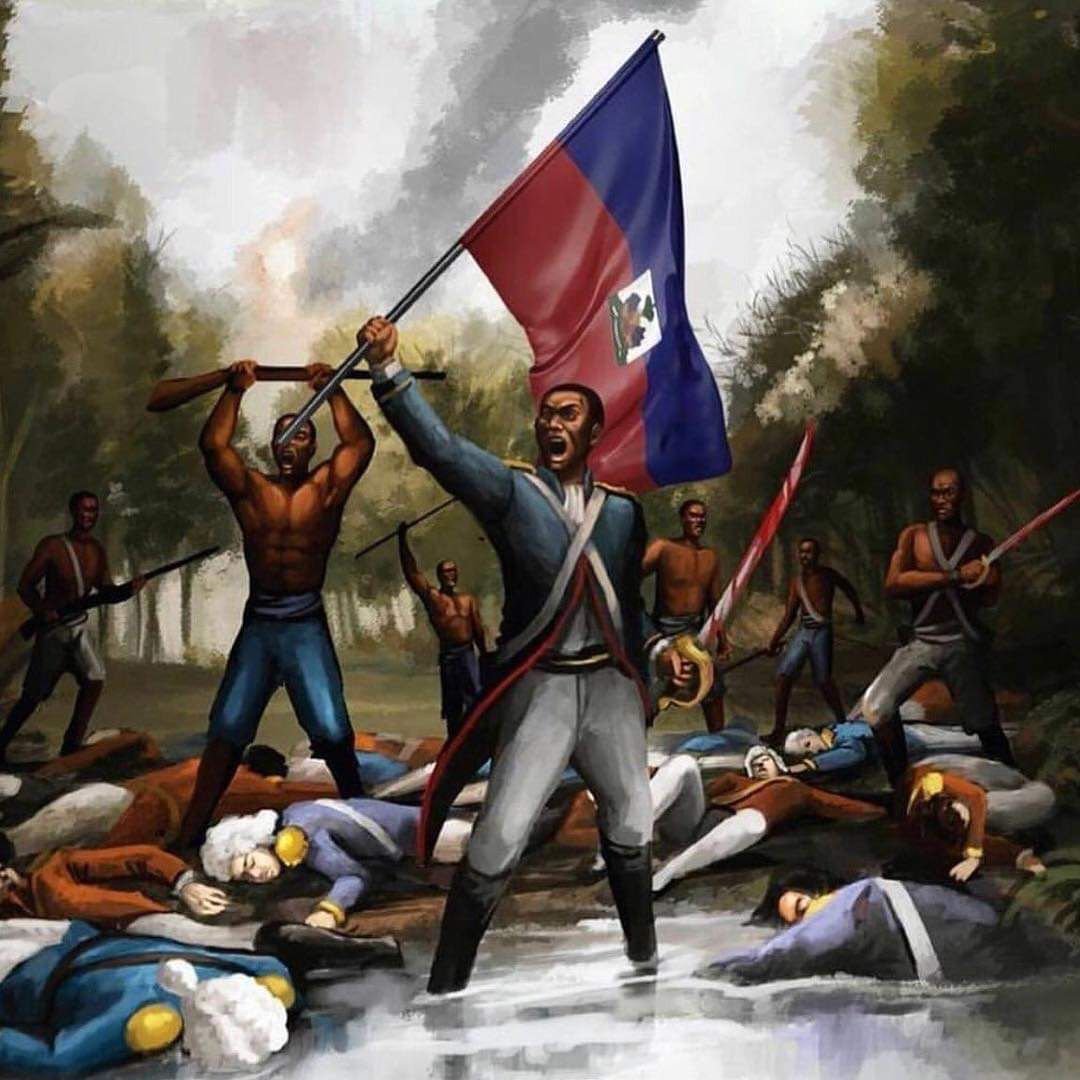
For centuries, the institution of slavery has darkened human history, leaving behind a legacy of pain, oppression and the struggle for freedom. However, in this dark tale, one nation stands out for its courage and determination to break the chains of oppression: Haiti. Located in the Caribbean, Haïti played a pioneering role in the abolition of slavery, laying the foundation for the fight for freedom and equality around the world. The history of slavery in Haïti dates back to the arrival of Europeans on the island, which was then called Santo Domingo, in the 15th century. French colonists quickly established an economy based on sugar and coffee production, cruelly exploiting millions of African slaves deported to work on plantations. However, this brutal system engendered fierce resistance from slaves, whose fight for freedom ultimately led to one of the most significant revolutions in history. In 1791, under the leadership of iconic figures such as Toussaint Louverture, Jean-Jacques Dessalines and Henri Christophe, Haitian slaves rose up against their oppressors in an unprecedented rebellion. This revolt resulted in a war of independence that lasted more than a decade, but ultimately resulted in the proclamation of Haiti’s independence in 1804, making that country the first post-colonial nation ruled by people from slavery. The impact of the Haitian Revolution on the abolition of slavery worldwide cannot be overstated. By breaking the chains of oppression and proclaiming their independence, Haitians have sent a powerful message to all oppressed peoples around the world: freedom is possible, and it is worth the struggle. The example of Haïti inspired other movements for the abolition of slavery in the Americas and beyond, thus helping to shake the very foundations of the institution of slavery. Haiti’s participation in the fight against slavery was not limited to its territory; it also extended to external actions where Haitian men were sent or actively participated in movements for the abolition of slavery in other regions of the world. For example, Haitian President Alexandre Pétion supported Simón Bolívar, the leader of the South American revolution, by providing him with weapons, money and even men, which contributed to the liberation of several countries in America Latin of colonial domination. Haïti also provided support for independence movements in Central America. Haitian fighters, led by General Jean-Pierre Boyer, helped Venezuelan patriots fight against Spanish rule, contributing to the liberation of that region. The Haitian government financially and diplomatically supported movements for the abolition of slavery in countries such as Venezuela, Colombia and Mexico, contributing to the gradual eradication of this institution throughout the region. Although Haïti did not directly participate in the American Civil War, many Haitians and descendants of Haitians played crucial roles in the abolitionist movement in the United States. Figures who were of Haitian origin or of Haitian ancestry, were important voices in the fight against slavery and for equal rights in the United States. The legacy of the Haitian Revolution remains a symbol of resistance and courage for future generations. Today, as the world continues to struggle against injustice and oppression in various forms, Haiti’s history reminds us that the fight for freedom is a universal fight, one that transcends borders and times. Haiti’s participation in the abolition of slavery throughout the world remains a crucial chapter in the history of humanity. Through their courage and determination, Haitians have paved the way for a future where freedom and equality are inalienable rights for all.

Newsletter

Subscribe to our newsletter to stay informed of all our activities and news on Haiti.

Recently Posted

History

History

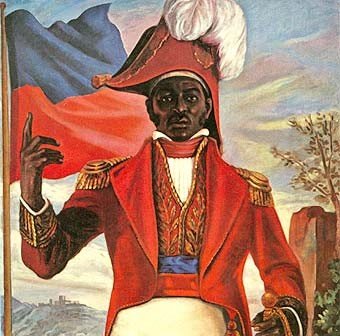
First black nation to free itself from slavery and gain independence from France in 1804 and influenced other liberation movements around the world, inspiring struggles for freedom and equality.

Natural beauty

Natural beauty

Haïti is blessed with spectacular natural landscapes, including white sand beaches, mountains and rich biodiversity.

Heritage

Heritage

Haïti has a rich historical heritage, including sites like the Citadelle Laferrière and the Sans-Souci Palace, listed as UNESCO World Heritage Sites.

Culture

Culture

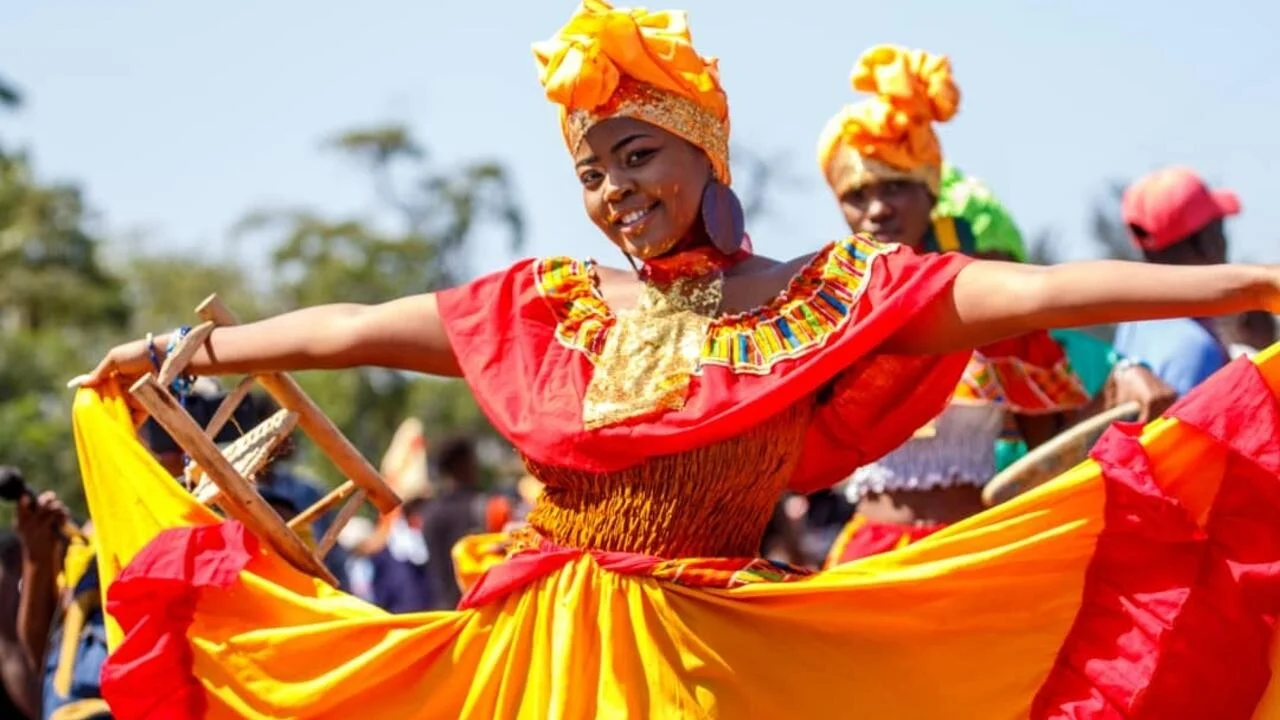
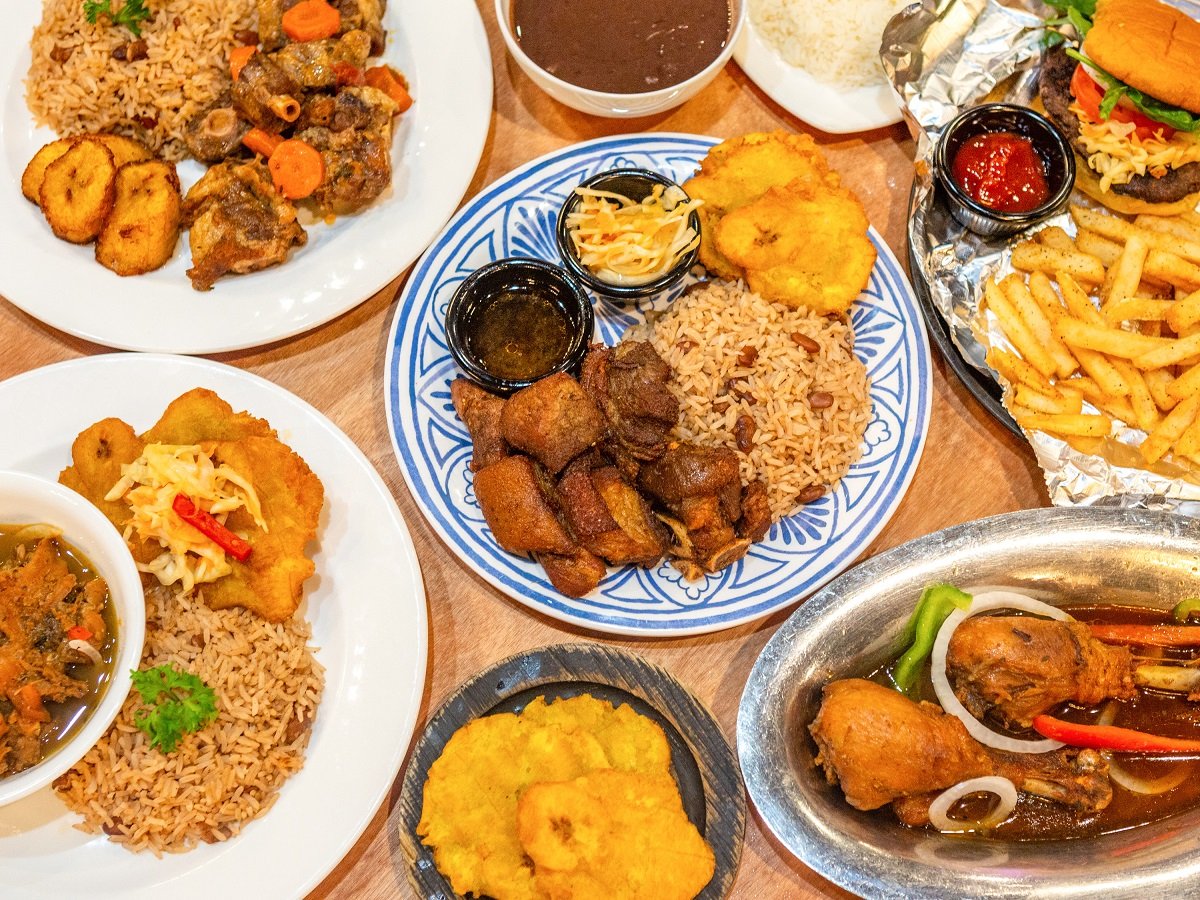
Haïti has a rich and diverse culture, influenced by African, European and indigenous elements. Haitian music, dance, art and cuisine are celebrated around the world.

  • +
    • Post