The Coat of Arms of Haïti is a national symbol rich in history and deep meaning. It is a reflection of the country’s identity, its struggle for freedom, and the values that unite the Haitian people. This article takes you into the details of the Coat of Arms of Haiti, exploring its origin, composition, and the symbolism of each element that composes it.
The Coat of Arms of Haïti was officially adopted in 1807, after the country gained independence in 1804. It is a symbol of the Haitian army’s victory over colonial occupation and the founding of a sovereign state led by free citizens. This coat of arms was designed to represent the struggles and sacrifices of the Haitian people to obtain and preserve their freedom, as well as to celebrate national unity and solidarity.
The Haitian emblem is composed of several symbolic elements, each carrying a strong meaning.
- The Palm Tree: Located in the center of the coat of arms, the palm tree represents the freedom and sovereignty of the Haitian people. It symbolizes the resistance of Haitians against oppression and their struggle for independence. The palm tree is also a symbol of peace and prosperity regained.
- The Cannons and Flags: On each side of the palm tree are cannons, representing the war of liberation, as well as flags, which are symbols of military victory and the honor of the Haitian people. These elements recall the battles fought for independence.
- The Laurel Branches: Surrounding the palm tree, the laurel branches are a symbol of glory and victory. They refer to the nobility of the Haitian people and their triumph in the face of oppression.
- Haitian Flags: The national flag of Haïti flies around the palm tree and other elements, representing national unity and the pride of a free country.
- The Banner with the Motto: At the base of the emblem, a banner bearing the national motto "L’Union fait la force" is inscribed. This motto recalls the importance of unity in preserving Haiti’s freedom and sovereignty. It embodies the collective strength of the Haitian people in the face of challenges.
The Symbolic Meaning of the Coat of Arms
The coat of arms of Haïti is a mix of symbols that tell the story of the Haitian people’s struggle for freedom and independence. The palm tree and cannons refer to the war of independence and resistance against colonial oppression, while the laurel branches symbolize the values of glory, honor and peace found after victory.
The motto "Unity is Strength" is a key message that embodies the fundamental principle of solidarity and unity among Haitians. This principle was at the heart of the Haitian Revolution, where the unity of struggling slaves helped defeat colonial powers and establish an independent state.
The coat of arms thus recalls not only the military history of the country, but also the importance of national unity in ensuring Haiti’s sovereignty and stability.
The coat of arms of Haïti is much more than just an emblem. It is a symbol of pride for the Haitian people, a sign of their victory over oppression and the sovereignty they have acquired through many sacrifices. Each element of the coat of arms reminds each Haitian of the struggles and triumphs of the past, and inspires a deep sense of belonging to the nation.
Whether during national celebrations, demonstrations or official events, the coat of arms is proudly displayed by Haitians, symbolizing their solidarity, unity and love of freedom.
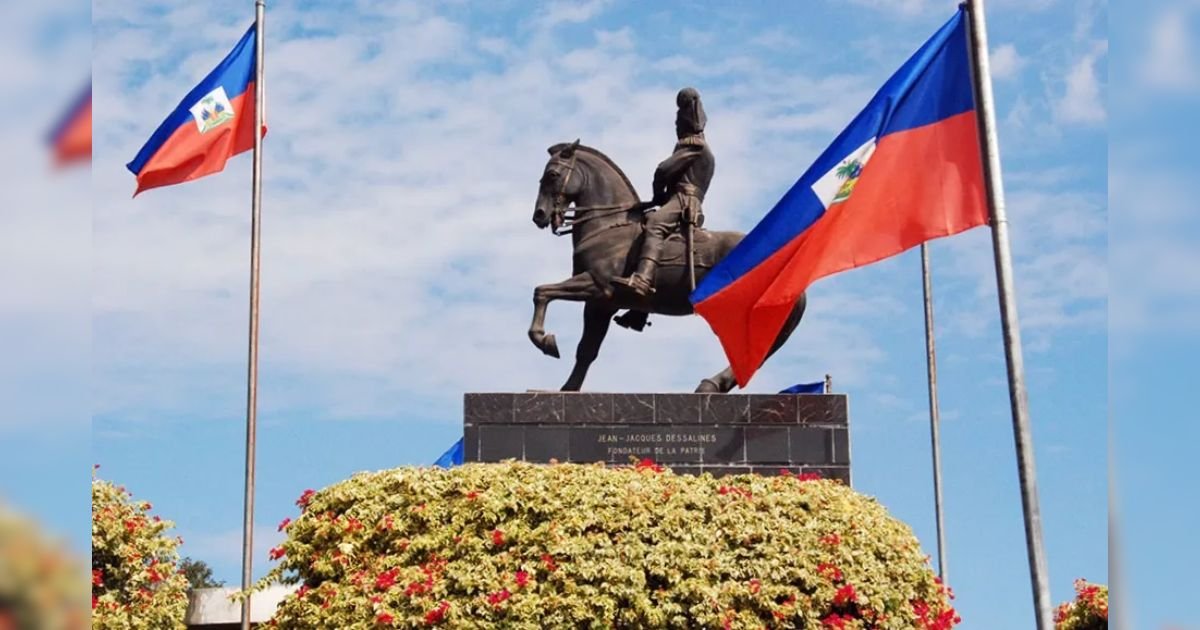
The coat of arms of Haïti is omnipresent in Haitian culture, appearing on the national flag, in official buildings, administrative documents, as well as in many artistic and cultural expressions. It is a key element of the national heritage and a constant reminder of the history of the Haitian republic.
The coat of arms is also a symbol of the unity of the Haitian people, transcending regional, social and economic differences. It reminds all Haitians that, despite the challenges of the past and present, it is in unity that their collective strength lies.
The coat of arms is thus a means of identifying and reinforcing the Haitian national identity, serving as a link between past, present and future generations.
The coat of arms of Haïti is a living symbol of the struggle for freedom, the sovereignty of the Haitian people, and the importance of national unity. Each element of this emblem recalls the resistance of the Haitian people in the face of oppression and celebrates their historic victory. More than just an emblem, the coat of arms of Haïti embodies the soul of the nation, its pride, and its cultural heritage. It is a powerful symbol that unites all Haitians in their commitment to the freedom, dignity, and future of their country.
Share
About the Author
Appolon Guy Alain
Appolon Guy Alain
Full Stack Developer, Créatif, expérimenté, passionné des nouvelles technologies et de l’art.
First black nation to free itself from slavery and gain independence from France in 1804 and influenced other liberation movements around the world, inspiring struggles for freedom and equality.
Natural beauty
Haïti is blessed with spectacular natural landscapes, including white sand beaches, mountains and rich biodiversity.
Heritage
Haïti has a rich historical heritage, including sites like the Citadelle Laferrière and the Sans-Souci Palace, listed as UNESCO World Heritage Sites.
Culture
Haïti has a rich and diverse culture, influenced by African, European and indigenous elements. Haitian music, dance, art and cuisine are celebrated around the world.