contact@haitiwonderland.com+509 36184317

Discover

Shopping Cart

What was the old name of Haiti? A look back at its past

What was the old name of Haiti? A look back at its past

The history of Haïti is closely linked to the different names that this land has had over the centuries. These names reflect the eras and influences that have marked the island, from the time of the indigenous peoples to independence. Let’s explore the old names of Haïti and their historical significance.

Ayiti: the original name of the Taino

Before the arrival of the Europeans, the island was inhabited by the Taino, an indigenous people who called it Ayiti, meaning "land of high mountains" or "mountainous country".

- A tribute to nature: This name highlighted the imposing mountains and green landscapes of the island.
- A cultural symbol: For the Taino, Ayiti embodied their harmonious way of life with nature and their deep attachment to the land.

This name is the historical root of the word “Haiti,” which would later be re-adopted as a tribute to indigenous heritage.

Hispaniola: The Spanish Colonial Period

In 1492, Christopher Columbus landed on the island and renamed it Hispaniola or La Española, meaning “Little Spain.”

- A reflection of Spanish ambitions: The Spanish saw Hispaniola as a symbol of their dominance in the New World.
- A historical turning point: The island became one of the first points of contact between Europe and the Americas, marking the beginning of the colonial era.

This name referred to the entire island, now shared between Haïti and the Dominican Republic.

Saint-Domingue: French Heritage

In the 17th century, the western part of the island came under French control and was renamed Saint-Domingue.

- A center of wealth: Saint-Domingue became one of the most prosperous colonies thanks to the export of sugar, coffee and indigo.
- A place of struggle: It was also under this name that the island was the scene of the Haitian Revolution, which led to independence in 1804.

The name Saint-Domingue remains associated with the economic apogee of the colony, but also with its brutal slave system.

Haiti: Back to the Origins

On January 1, 1804, after the victory of the rebellious slaves against the French army, the island reclaimed its indigenous name, Haiti, to mark a historical turning point.

- A symbolic choice: This return to “Ayiti” was a way to reject colonial names and pay homage to the island’s first inhabitants.
- A sign of independence: The choice of Haïti affirmed the freedom and unique identity of the world’s first independent black republic.

Since then, Haïti has embodied both its tumultuous past and its legacy of resilience.

The importance of names in Haiti’s history

Haiti’s various names Ayiti, Hispaniola, Santo Domingo tell the story of its inhabitants and the transformations the island has undergone.

- Ayiti: A land of mountains and indigenous peoples.
- Hispaniola: A territory at the heart of European expansion.
- Santo Domingo: A prosperous colony marked by struggles for freedom.

Today, the name Haïti symbolizes the continuity of a rich and complex history, while carrying the hope for a better future.

A strong identity through the ages

A look back at Haiti’s ancient names reveals a fascinating tale of courage, survival, and transformation. Each appellation is a window into a different era, but all converge on the pride and unity of a people determined to preserve their identity.

What does the name Haïti mean to you? Share your thoughts and let’s celebrate this nation with an exceptional past.

Share
About the Author
Appolon Guy Alain
Appolon Guy Alain
Appolon Guy Alain

Full Stack Developer, Créatif, expérimenté, passionné des nouvelles technologies et de l’art.

See other articles from Appolon Guy Alain
Quisqueya La Bella

Why would you start an article which speaks about our people’s relentless fight against colonialism with not calling our land by its indigenous name? Quisqueya, Ayti not Hispañola Why would you start an article with the spirit of defeat? Although I do give much love to Ayti for naming our land after our Ancestors did. Thank you for that.

April 24, 2025 - 07:37:50 AM
osesite

8493152186

December 09, 2025 - 03:31:11 PM
Leave a comment

Recently Posted

Haïti, a rich and impoverished country

Located in the western part of the island of Hispaniola, Haïti is a land imbued with natural, cultural and historical wealth. Unfortunately, behind the beauty of its landscapes, the richness of its culture and the delicacy of its cuisine lies a complex reality marked by the debt of its independence and the persistent interference of third countries, casting a shadow over its stability. b~The Natural Beauty of Haïti~b Haïti, nicknamed the "Pearl of the Antilles", dazzles with the diversity of its landscapes. From majestic mountains and lush valleys to meandering rivers and sandy beaches, the country offers natural beauty worth celebrating. The famous Citadelle Laferrière mountains and the refreshing waterfalls of Bassin-Bleu are just a few examples of the splendor that characterizes this nation. b~A Rich and Diverse Culture~b Haïti stands out for its vibrant and diverse culture. A heritage of African, French and indigenous influence, Haïtian music, dance and art reflect a unique fusion. Colorful festivals, like Carnival, are celebrations of this cultural richness, attracting visitors from all over the world. b~Delicious Cuisine~b Haïtian cuisine, tasty and spicy, is another aspect worth celebrating. Dishes like griot, sticky rice, and the legendary joumou soup, traditionally prepared to commemorate independence, are all culinary delights that demonstrate the country’s gastronomic ingenuity. b~Heritage Treasures and Paradise Beaches~b Haïti’s heritage treasures, such as the remains of the Sans-Souci Palace and the Citadelle Laferrière, listed as UNESCO World Heritage Sites, are testimonies to the architectural grandeur of Haïti’s past. At the same time, beaches like Labadee and Jacmel offer havens of peace with crystal clear waters, attracting travelers in search of a tropical paradise. b~A Fascinating Story~b The history of Haïti is both fascinating and tragic. It was the first country in the Americas to gain its independence, in 1804, after a courageous slave revolt. However, this independence came with a heavy financial price. France demanded exorbitant compensation, thus laying the foundations for Haïti’s foreign debt. b~The Debt of Independence and Foreign Interference~b Despite these treasures, Haïti struggles with the reality of its independence debt. After gaining its freedom, the country was forced to pay France a considerable sum in compensation for losses associated with the abolition of slavery. This debt has been a major economic burden for Haïti, hindering its development. Additionally, foreign interference continues to create significant challenges. External political and economic interventions have often contributed to the country’s instability, hindering its ability to build a sustainable future for its citizens. b~In conclusion~b Haïti remains a country of multiple riches, but its challenges persist. Despite its natural beauty, rich culture and fascinating history, the nation needs enlightened international support and lasting solutions to overcome the obstacles that stand in its way. Haïti’s wealth lies not only in its enchanting landscapes, but also in the potential of its people to be resilient and prosper despite persistent challenges.



Newsletter

Subscribe to our newsletter to stay informed of all our activities and news on Haiti.

Recently Posted

History

History

First black nation to free itself from slavery and gain independence from France in 1804 and influenced other liberation movements around the world, inspiring struggles for freedom and equality.

Natural beauty

Natural beauty

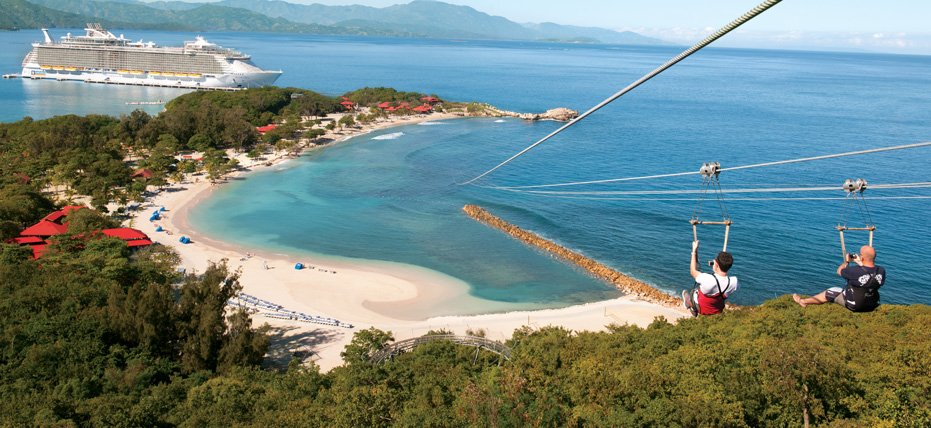
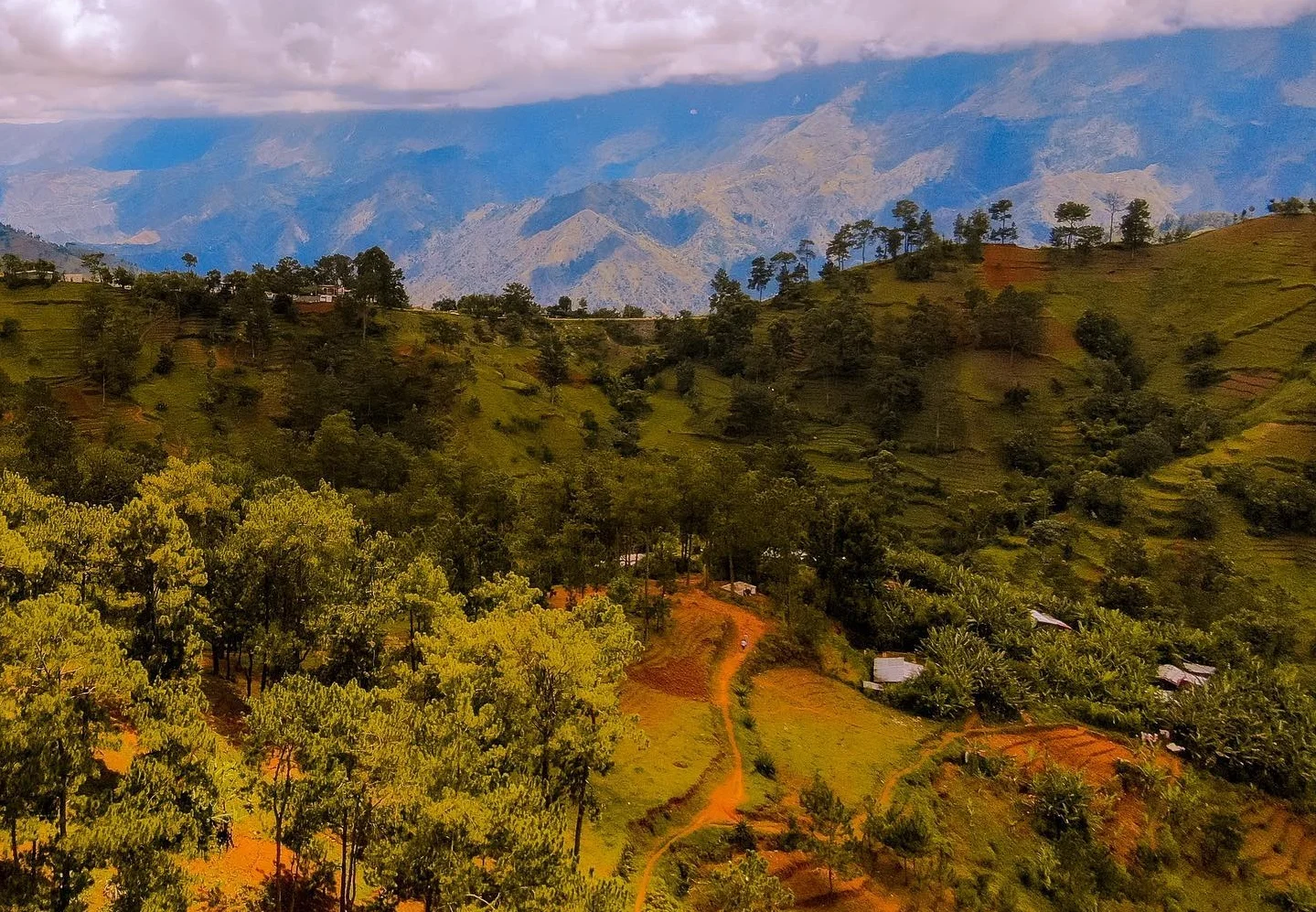
Haïti is blessed with spectacular natural landscapes, including white sand beaches, mountains and rich biodiversity.

Heritage

Heritage

Haïti has a rich historical heritage, including sites like the Citadelle Laferrière and the Sans-Souci Palace, listed as UNESCO World Heritage Sites.

Culture

Culture

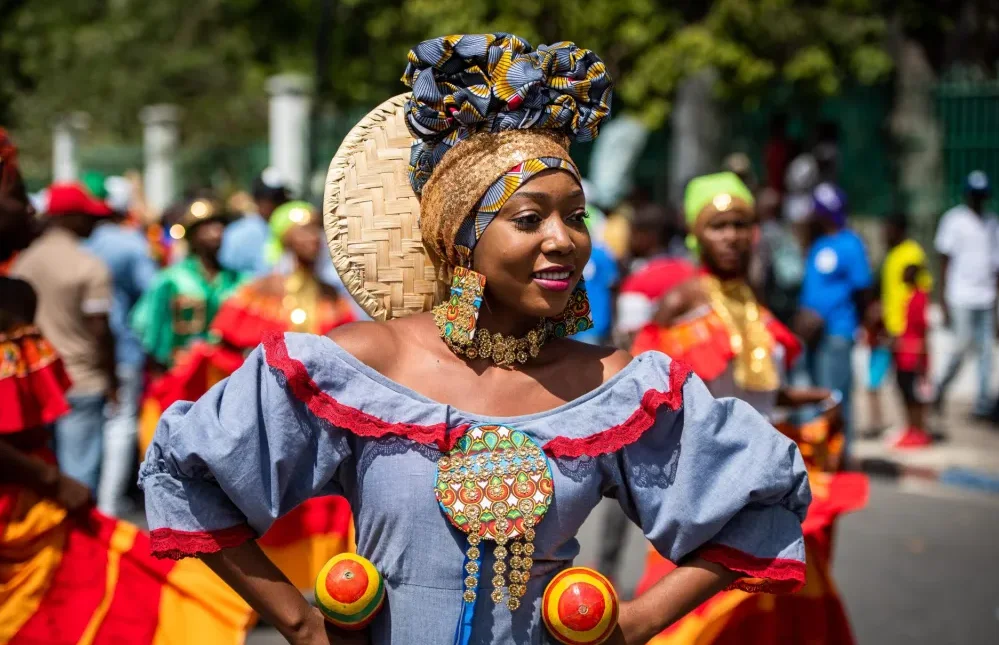
Haïti has a rich and diverse culture, influenced by African, European and indigenous elements. Haitian music, dance, art and cuisine are celebrated around the world.

  • +
    • Post