What is the name of Haiti’s largest plateau?
Haiti’s largest plateau is the Central Plateau. This vast territory, located in the central region of the country, is an emblematic area of Haiti’s environment, rich in natural resources, history, and agricultural potential. In this article, we will explore the characteristics of this plateau that make it an essential region for understanding Haiti.
Impressive Geography
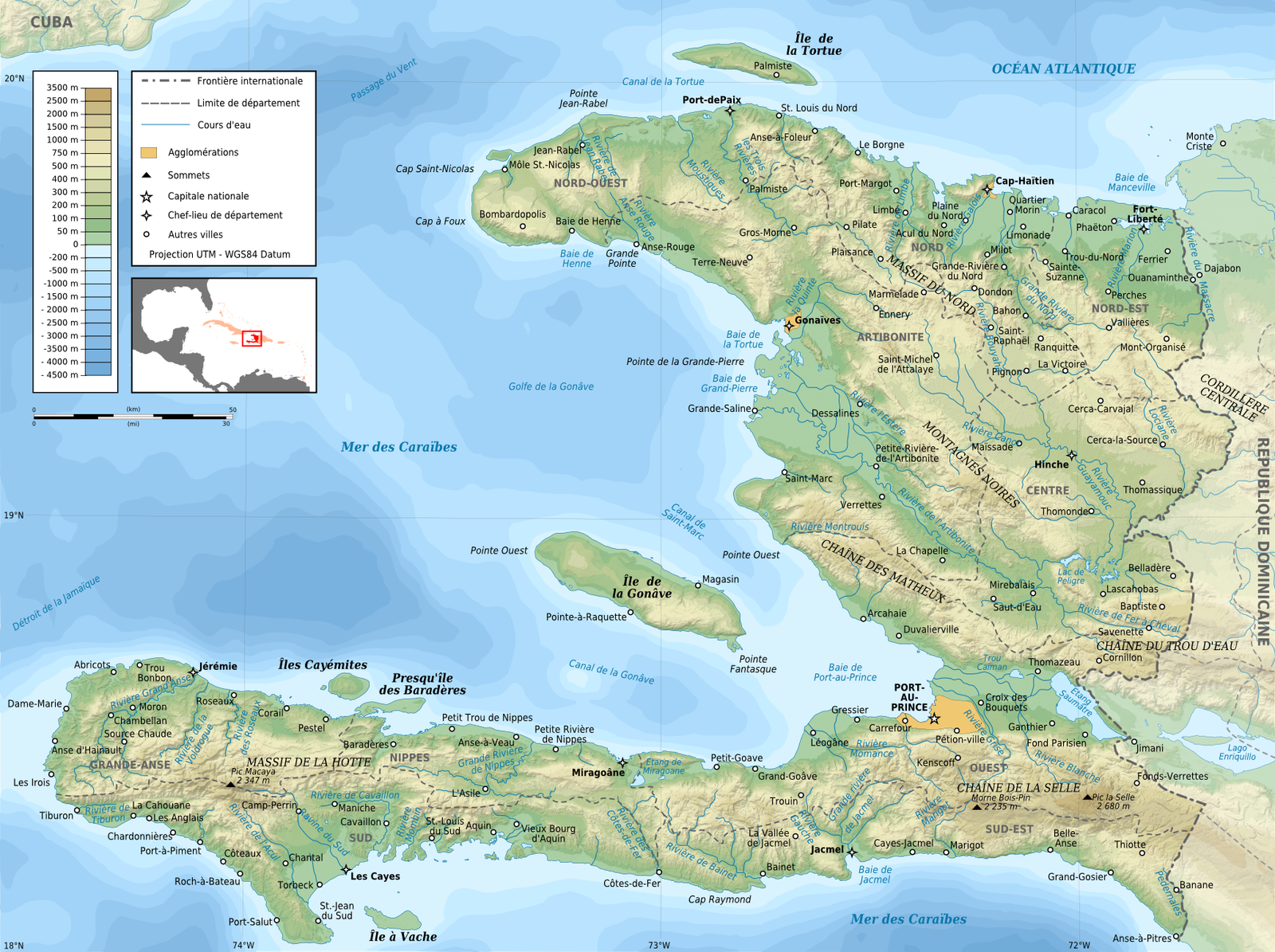
The Central Plateau in Haïti is a vast region located mainly in the Centre department. It is characterized by an interior plain surrounded by mountains, notably the Matheux Range to the west and the Trou d’Eau Range to the east.
Crossed by several rivers, including the Artibonite River, it plays a strategic role in agriculture thanks to its fertile land and water resources. Its geography also makes it an important area for the preservation of local ecosystems.
Immense Agricultural Potential
The Central Plateau is a key area for agriculture in Haiti. Thanks to its fertile land, it is used to grow numerous crops, such as:
- Corn, an essential grain for the local diet.
- Beans, which are an important source of protein for Haitians.
- Tropical fruits, such as mangoes, bananas, and citrus fruits, which thrive in this favorable climate.
Farming practices are still often traditional, but they provide income for thousands of families living in the region. However, soil erosion and deforestation represent major challenges that require sustainable solutions.
A Place Rich in Biodiversity
In addition to its agricultural importance, the Central Plateau is home to unique biodiversity. Its forests, although threatened, are habitats for numerous animal and plant species. The region is also an important freshwater reservoir, thanks to its rivers and its role in feeding the Péligre Dam, which is crucial for irrigation and electricity production in Haiti.
A region steeped in history
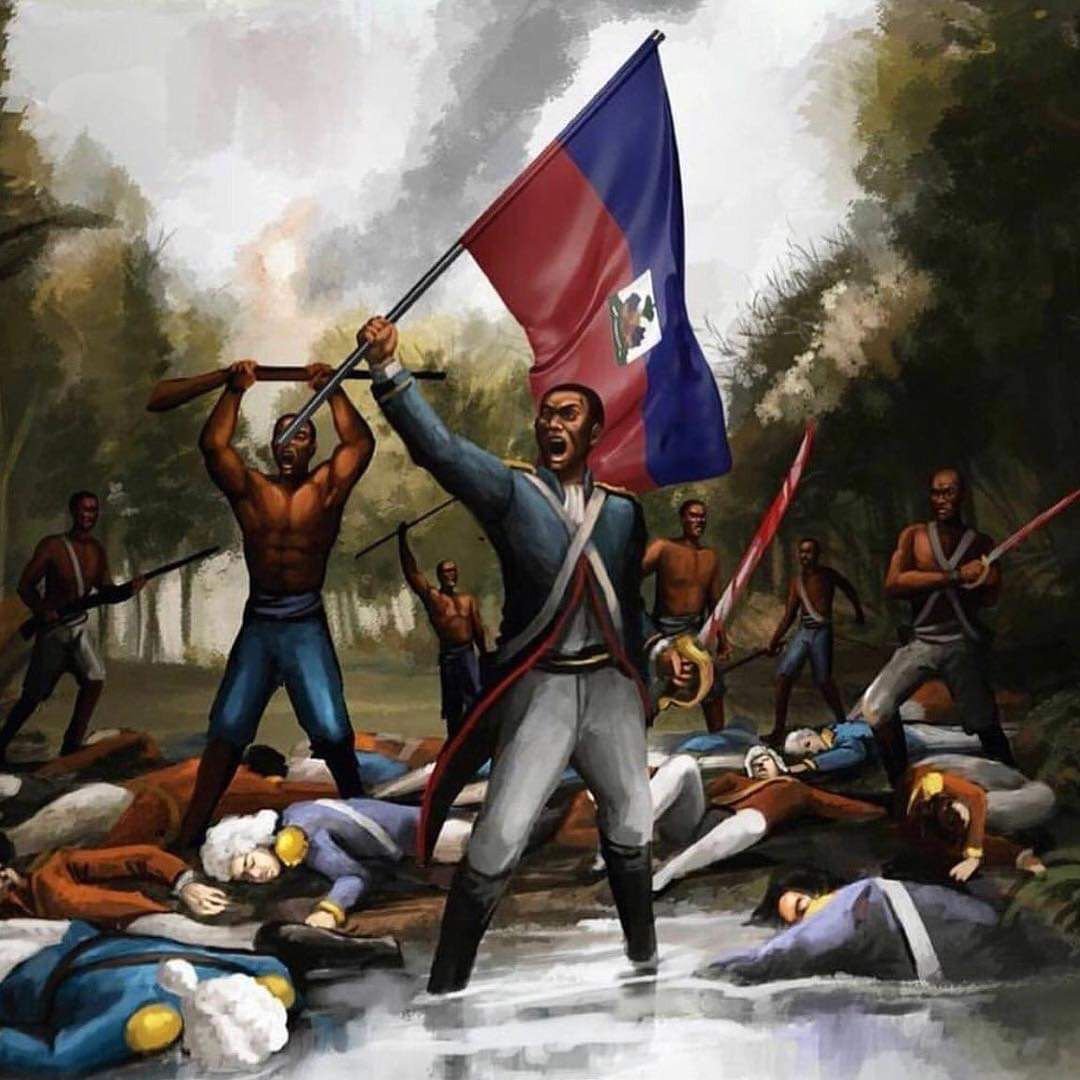
The Central Plateau is also a historic site. During the Haitian Revolution, this region was the scene of several decisive battles. Its proximity to the mountains provided a strategic refuge for the combatants.
Today, the remains of this era and local traditions attest to the historical and cultural importance of the Central Plateau. It is also known for its local festivals, which bring communities together and celebrate their rich heritage.
Some key figures about the Central Plateau
- Area: Approximately 5,000 km², making it one of the largest flat areas in the country. - Average Altitude: The plateau rises to an altitude of 600 to 1,000 meters above sea level.
- Population: More than 1 million people live in this region, spread across urban and rural areas.
- Climate: A tropical climate that favors a wide variety of agricultural crops.
Environmental and Social Challenges
Despite its importance, the Central Plateau faces several challenges. Soil erosion caused by deforestation threatens the fertility of the land, while limited access to modern infrastructure hinders the region’s development.
The inhabitants of the Central Plateau are actively working to preserve their land and improve their living conditions. Reforestation initiatives, rural development programs, and education projects are underway to meet local needs and enhance the value of this territory.
The Central Plateau, a symbol of resilience and natural wealth
The Central Plateau is much more than just a geographical region of Haiti; it is a place where nature, history, and culture come together to shape the country’s identity. It embodies the challenges and opportunities that define Haiti, while offering a glimpse of its immense potential.
If you have any anecdotes or memories related to the Central Plateau, share them in the comments to enrich this collective discovery!