contact@haitiwonderland.com+509 36184317

Discover

Shopping Cart

What does the name Haïti mean? History and context

What does the name Haïti mean? History and context

The name “Haiti” is deeply rooted in the history, culture and identity of the nation. Carrying within it the legacy of the first inhabitants and the weight of the struggles for freedom, this word symbolizes much more than a simple territory. Let’s discover together the history and context surrounding this unique appellation.

Origin and etymology of the word Haiti

The word “Haiti” comes from the language of the Taino, the indigenous people who inhabited the island before the arrival of Europeans.

- Meaning in Taino: In the Taino language, “Ayiti” means “land of high mountains” or “mountainous country”.
- Geographic description: This term reflects the spectacular relief of the island, characterized by imposing mountains that dominate the landscape.

By choosing this name, the Tainos were highlighting the natural beauty of their land, where nature played a central role in their way of life.

A symbolic choice after independence

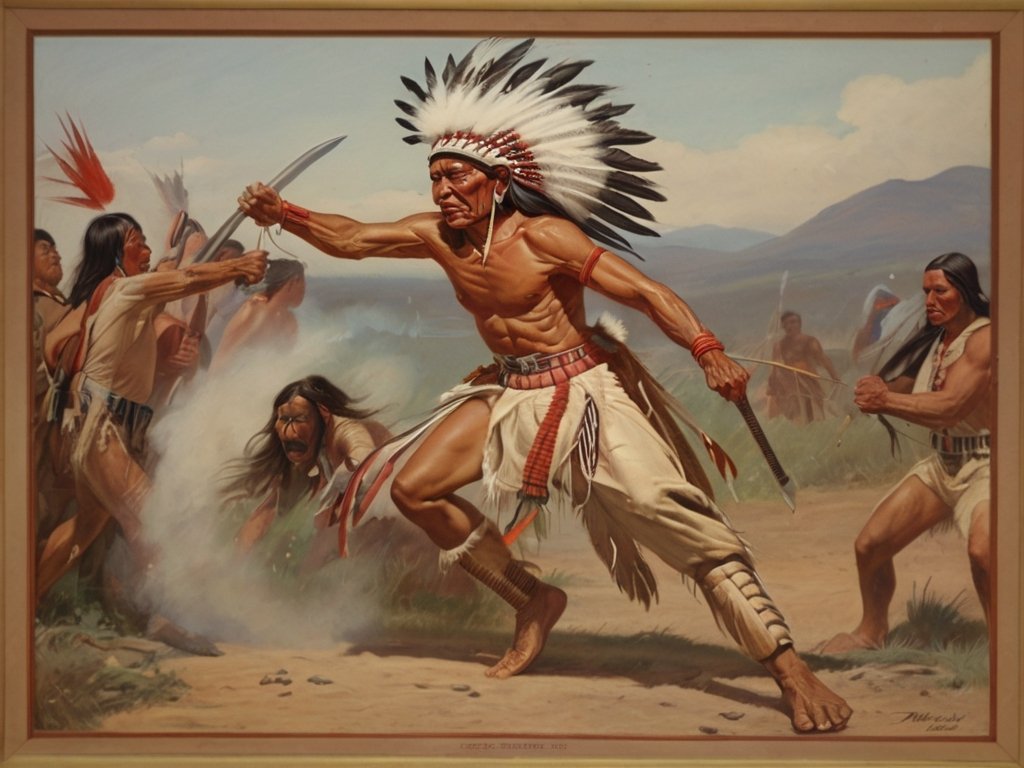
After the Haitian revolution and the proclamation of independence in 1804, the leaders of the new country decided to rename the former French colony of Saint-Domingue to “Haiti”.

- Back to the origins: This choice aimed to honor the Tainos, the first inhabitants of the island, and to break with the colonial past.
- An act of resistance: By adopting this name, Haïti affirmed its unique identity and its desire to free itself from European colonial influences.

Thus, “Haiti” has become a symbol of national pride and resilience in the face of historical oppression.

Haïti and its mountainous landscape

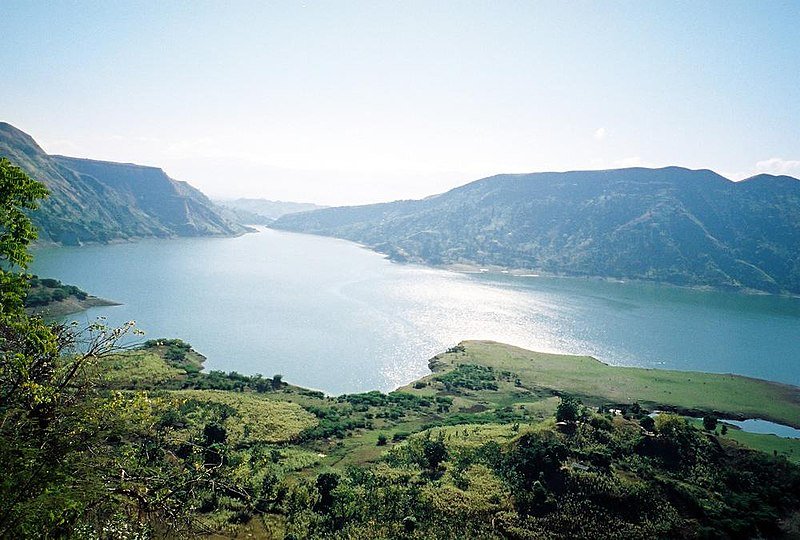
The name “Haiti” also finds its meaning in the country’s exceptional geography.

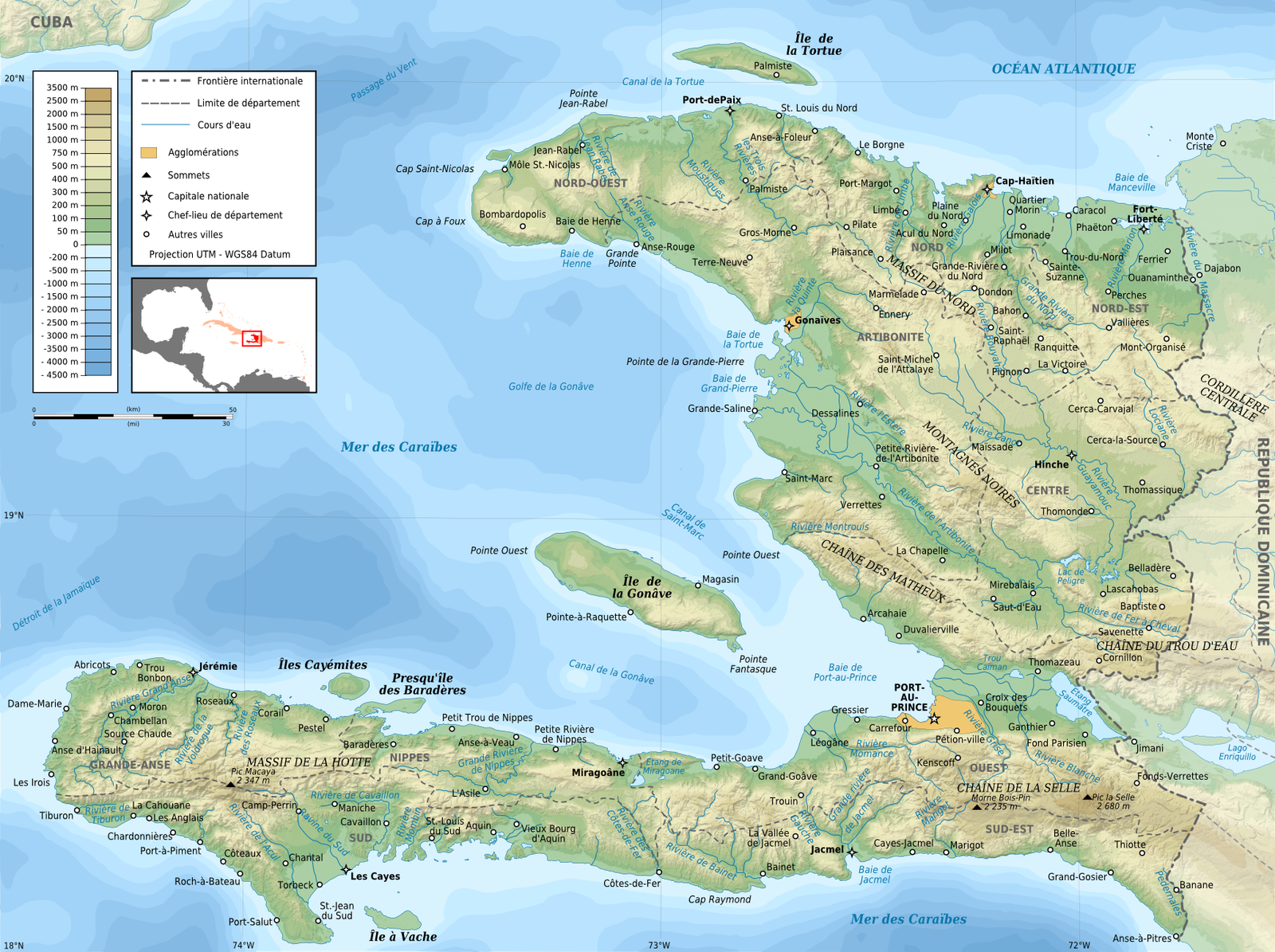
- A land of mountains: Haïti is made up of more than 60% mountains, including the famous Massifs de la Hotte, du Nord and de la Selle. These mountains are not only natural wonders, but also historical refuges during the Haitian Revolution.
- A natural paradise: This relief contributes to Haiti’s unique biodiversity, offering varied landscapes ranging from lush tropical forests to rugged peaks.

By celebrating the country’s mountainous character, the name “Haiti” reflects a true natural wealth.

A name carrying heritage and pride

“Haiti” is much more than a word: it is a constant reminder of the country’s glorious history and the struggle for independence.

- First independent black republic: In 1804, Haïti marked world history by becoming the first independent black republic, an example of resistance and courage.
- A name that carries memory: It also evokes the cultural richness and diversity of its inhabitants, descendants of the Tainos, Africans and European settlers.

This word has become an emblem of freedom, resilience and identity for Haitians and beyond.

Why is “Haiti” unique?

The choice of the name “Haiti” reflects universal values:

- Respect for origins: By honoring the first inhabitants, it highlights the importance of preserving cultural roots.
- Resilience: It testifies to the ability of the Haitian people to overcome adversity and build a strong and independent nation.
- Natural beauty: It highlights the country’s geographical and ecological assets, making Haïti a destination to discover and respect.

For Haitians, this word is a source of pride. It tells their past, present and future with power and authenticity.

A Meaning That Resonates Around the World

“Haiti” is more than just a geographic name. It is a testament to courage, a symbol of hope, and a reminder of the natural and cultural beauty of a unique country.

Learning the meaning and history behind the word will help you understand why Haïti is such a special place and why its people carry their heritage with pride.

What does the name “Haiti” inspire in you? Share your thoughts and learn more about this fascinating nation!

Share
About the Author
Appolon Guy Alain
Appolon Guy Alain
Appolon Guy Alain

Full Stack Developer, Créatif, expérimenté, passionné des nouvelles technologies et de l’art.

See other articles from Appolon Guy Alain
Leave a comment

Recently Posted

Newsletter

Subscribe to our newsletter to stay informed of all our activities and news on Haiti.

Bassin Bleu in Jacmel: The Ultimate Natural Retreat in Southeast Haiti

Nestled in the picturesque coastal town of Jacmel, in southeastern Haiti, Bassin Bleu is a true haven of tranquility in the heart of nature. Its crystal-clear blue waters and imposing rock formations make it a breathtakingly beautiful site, attracting travelers from around the world in search of escape and discovery. The sparkling turquoise waters of Bassin Bleu offer a feast for the eyes, inviting visitors to relax and rejuvenate in this idyllic setting. Whether swimming in its refreshing waters or lounging on its lush green banks, this natural oasis provides a welcome escape from the hustle and bustle of daily life. Surrounded by lush tropical vegetation, Bassin Bleu is home to exceptional biodiversity, with a multitude of unique plants and animals to discover. Hiking enthusiasts can venture along winding trails that meander through the surrounding forest, offering spectacular views of this pristine landscape. As a tourist destination, Bassin Bleu also offers economic development opportunities for local communities. By promoting sustainable tourism, it contributes to job creation, infrastructure development, and the promotion of local culture. Moreover, by raising awareness among visitors about the importance of preserving this fragile natural environment, tourism plays an essential role in its long-term conservation. Bassin Bleu in Jacmel is much more than just a tourist attraction: it is a true natural treasure to be preserved and appreciated. With its stunning natural beauty, remarkable biodiversity, and sustainable development opportunities, this magical place offers an authentic experience for travelers seeking moments of tranquility in the heart of nature.

Jean-Jacques Dessalines, leader of the Haitian Revolution

In the annals of the history of Haiti, an island located in the Caribbean at the entrance to the Gulf of Mexico and shared with the Dominican Republic, Jean-Jacques Dessalines emerges like a phoenix from the ashes of oppression. Born a slave on September 20, 1758 in the home of Henri Duclos, in Cormier (Grande-Rivière-du-Nord), in the French colony of Saint-Domingue, Dessalines was a Creole of African (Afro-Caribbean) origin. Freed during the 1794 abolition achieved through slave revolts, actually served as an officer in the French army during the French Revolution. At that time, the ideas of freedom and equality were at the heart of the concerns of the inhabitants of the colonies. Dessalines actively participated in the fighting against the Spanish and British forces, alongside the French, in Santo Domingo. Having risen to the rank of Lieutenant General, Jean-Jacques Dessalines turned against the French during the Leclerc expedition, sent to Saint-Domingue by Bonaparte to reestablish colonial authority and slavery during the Haitian Revolution. After the capture and deportation of Toussaint Louverture to France on June 7, 1802, Dessalines assumed a leading role in continuing the struggle for independence. He led numerous battles, including the battle of Crête-à-Pierrot in March 1802, where he galvanized his soldiers with his famous declaration: “Let those who want to remain slaves of the French leave the fort, let those, on the contrary, who want to die as free men, line up around me.” On January 1, 1804, Jean-Jacques Dessalines achieved the long-awaited goal of independence by proclaiming Haïti as a sovereign nation, becoming the second country in the Americas to gain independence from a colonial power. He became the first leader of the newly formed nation and was named Emperor under the name James I. However, his imperial reign was marked by authoritarian and brutal policies, including the massacre of many white settlers and the redistribution of land to peasants that was in the hands of the generals of the independence army. In addition, he organized the hunt for delinquents in the city while implementing rigorous agrarian policies, considering that they represented a threat to the stability of the nation, these controversial actions caused divisions within Haitian society. Dessalines was assassinated on October 17, 1806 following a plot organized by some of his generals in the Haitian army. His death marked the end of his brief but influential period in power. Despite the controversies surrounding his methods, he is recognized as the main architect of Haiti’s independence and his name was honored in 1903 by being attributed to the Haitian national anthem, La Dessalinienne, composed by Justin Lhérisson.Finally, the great visionary man Jean Jacques Dessalines remains an emblematic figure in the history of Haiti, recognized for his role in the fight for independence and the end of slavery in the region.

Recently Posted

History

History

First black nation to free itself from slavery and gain independence from France in 1804 and influenced other liberation movements around the world, inspiring struggles for freedom and equality.

Natural beauty

Natural beauty

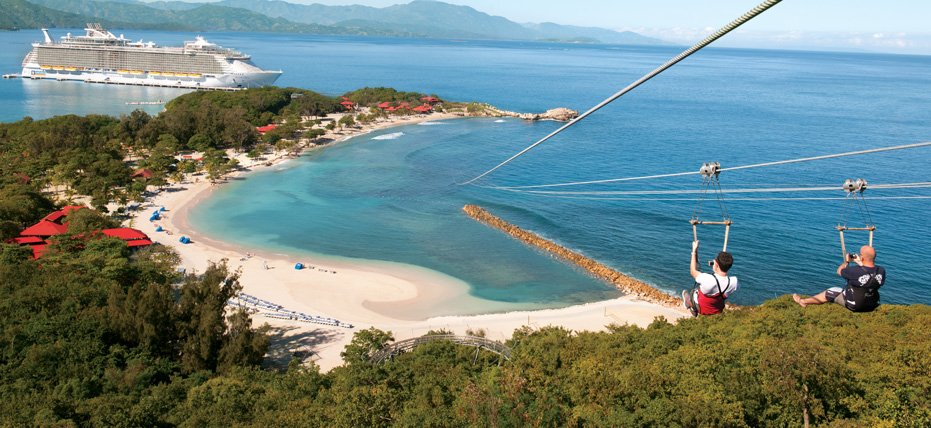
Haïti is blessed with spectacular natural landscapes, including white sand beaches, mountains and rich biodiversity.

Heritage

Heritage

Haïti has a rich historical heritage, including sites like the Citadelle Laferrière and the Sans-Souci Palace, listed as UNESCO World Heritage Sites.

Culture

Culture

Haïti has a rich and diverse culture, influenced by African, European and indigenous elements. Haitian music, dance, art and cuisine are celebrated around the world.

  • +
    • Post