contact@haitiwonderland.com+509 36184317

Discover

Shopping Cart

How long is Haiti?
How long is Haiti?
How long is Haiti?

How long is Haiti?

The length of Haiti, measured from west to east, is approximately 650 kilometers. This figure illustrates the extent of this country that shares the island of Hispaniola with the Dominican Republic. In this article, we explore in detail the geographical dimensions of Haiti, as well as their influence on the diversity and organization of the country.

Read the article in :

French : Quelle est la longueur d'Haïti ?

Spanish : ¿Cuánto mide Haití?

Creole : Konbyen tan Ayiti?

Reference page : How long is Haiti?

Other version : How long is Haiti?

A unique and diverse geography

With a length of approximately 650 kilometers, Haïti is distinguished by a complex geography that mixes mountains, valleys and plains. Located in the Caribbean, this country has a varied topography, and its elongated shape contributes to its contrasting landscapes.

The main geographical axes include:
- The Selle range, which extends from the southeast to the west and is home to the Pic la Selle, the highest point in Haïti at 2,680 meters.
- Coastal plains, such as the Artibonite, which are essential for agriculture.
- The northwestern and southern peninsulas, which give the country its characteristic shape.

These geographical features influence both the climate and the distribution of economic and social activities.

A modest but significant width

While the length of the country is impressive, its average width is much more modest, varying between 190 and 230 kilometers. This configuration gives Haïti a narrow strip of territory bordered by the Atlantic Ocean to the north and the Caribbean Sea to the south.

The limited width of the territory has major implications:
- It favors rapid access to the coasts for most populations, contributing to the development of maritime activities.
- It creates proximity between regions, although the mountains sometimes make travel difficult.

The influence of dimensions on economic development

Haiti’s length plays an important role in the distribution of resources and infrastructure. Roads, such as Route Nationale 1 and Route Nationale 2, cross the country from one side to the other, connecting major cities such as:
- Port-au-Prince, the capital located in the center of the country.
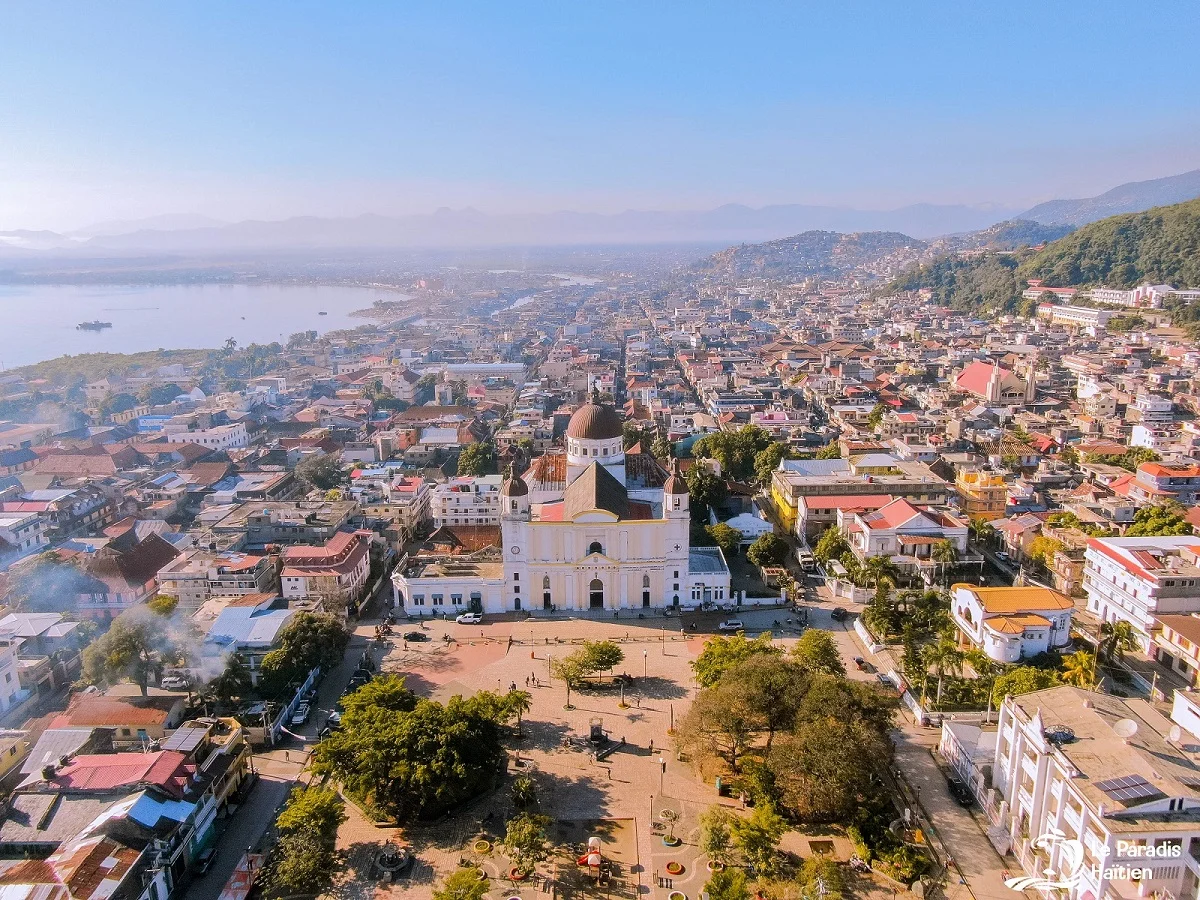
- Cap-Haïtien, in the north, an important economic and cultural hub.
- Les Cayes, in the south, a key agricultural region.

However, transportation infrastructure remains a major challenge for Haïti due to the difficulty of crossing mountainous areas.

Haiti’s key figures

Here are some key geographic data to better understand the size and characteristics of the country:
- Total area: 27,750 km².
- Coastal length: Approximately 1,771 kilometers, offering an abundance of beaches and seascapes.
- Land border with the Dominican Republic: 376 kilometers.

These figures reflect not only the size of the territory, but also its tourism and economic potential.

A territory full of history and culture

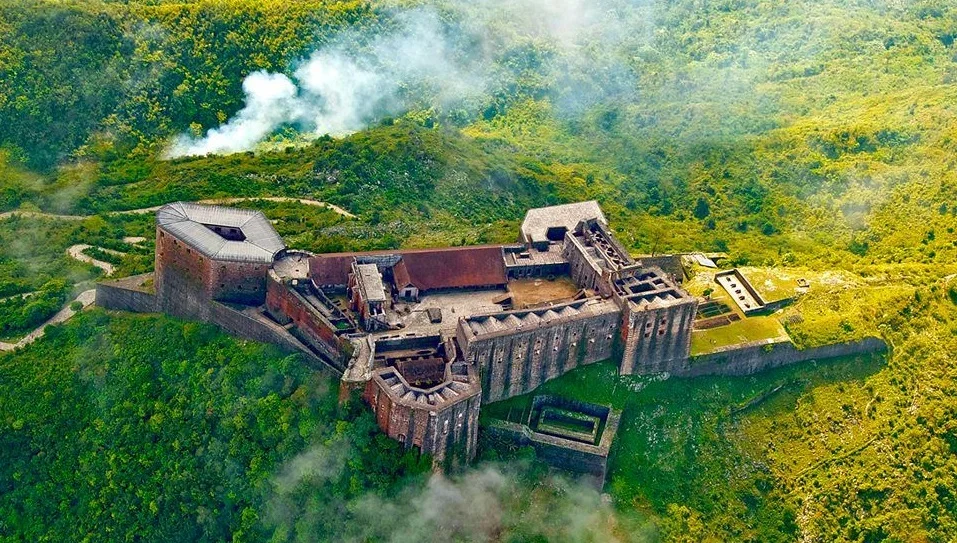
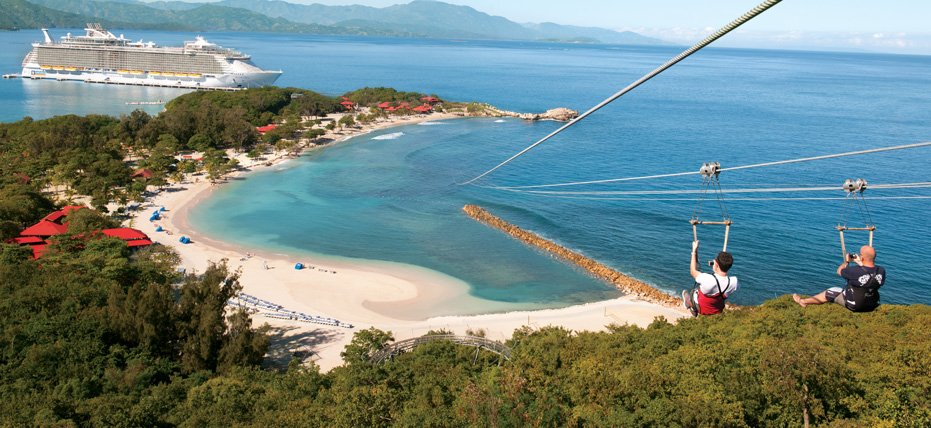
Haiti’s length also reflects the richness of its cultural and historical heritage. From east to west, the country is full of emblematic sites such as the Citadelle Laferrière, the Sans Souci Palace and the beaches of Labadie.

Each region contributes to Haiti’s cultural diversity, whether through music, cuisine or local traditions.

Although the length of the country offers it exceptional diversity, it also poses challenges. Long distances, combined with an often inadequate road network, complicate the transport of goods and people.

In addition, managing natural resources, such as the rivers that cross the country, requires coordinated efforts to prevent flooding and erosion.

Conclusion: A length full of promise

With its 650 kilometers in length, Haïti is a multifaceted country, where each region offers unique landscapes, cultures and opportunities. This geographical characteristic, far from being a simple fact, is a key to understanding the diversity and potential of Haiti.

Do you know other interesting facts about the geography of Haiti? Share them in the comments to enrich this discussion!

Share
About the Author
Haïti Wonderland
Haïti Wonderland
Leave a comment

Recently Posted

Haïti et son Rôle Pionnier dans l’Abolition de l’Esclavage Mondial

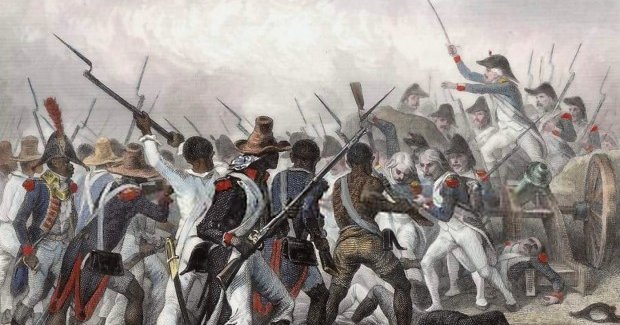
For centuries, the institution of slavery has darkened human history, leaving behind a legacy of pain, oppression and the struggle for freedom. However, in this dark tale, one nation stands out for its courage and determination to break the chains of oppression: Haiti. Located in the Caribbean, Haïti played a pioneering role in the abolition of slavery, laying the foundation for the fight for freedom and equality around the world. The history of slavery in Haïti dates back to the arrival of Europeans on the island, which was then called Santo Domingo, in the 15th century. French colonists quickly established an economy based on sugar and coffee production, cruelly exploiting millions of African slaves deported to work on plantations. However, this brutal system engendered fierce resistance from slaves, whose fight for freedom ultimately led to one of the most significant revolutions in history. In 1791, under the leadership of iconic figures such as Toussaint Louverture, Jean-Jacques Dessalines and Henri Christophe, Haitian slaves rose up against their oppressors in an unprecedented rebellion. This revolt resulted in a war of independence that lasted more than a decade, but ultimately resulted in the proclamation of Haiti’s independence in 1804, making that country the first post-colonial nation ruled by people from slavery. The impact of the Haitian Revolution on the abolition of slavery worldwide cannot be overstated. By breaking the chains of oppression and proclaiming their independence, Haitians have sent a powerful message to all oppressed peoples around the world: freedom is possible, and it is worth the struggle. The example of Haïti inspired other movements for the abolition of slavery in the Americas and beyond, thus helping to shake the very foundations of the institution of slavery. Haiti’s participation in the fight against slavery was not limited to its territory; it also extended to external actions where Haitian men were sent or actively participated in movements for the abolition of slavery in other regions of the world. For example, Haitian President Alexandre Pétion supported Simón Bolívar, the leader of the South American revolution, by providing him with weapons, money and even men, which contributed to the liberation of several countries in America Latin of colonial domination. Haïti also provided support for independence movements in Central America. Haitian fighters, led by General Jean-Pierre Boyer, helped Venezuelan patriots fight against Spanish rule, contributing to the liberation of that region. The Haitian government financially and diplomatically supported movements for the abolition of slavery in countries such as Venezuela, Colombia and Mexico, contributing to the gradual eradication of this institution throughout the region. Although Haïti did not directly participate in the American Civil War, many Haitians and descendants of Haitians played crucial roles in the abolitionist movement in the United States. Figures who were of Haitian origin or of Haitian ancestry, were important voices in the fight against slavery and for equal rights in the United States. The legacy of the Haitian Revolution remains a symbol of resistance and courage for future generations. Today, as the world continues to struggle against injustice and oppression in various forms, Haiti’s history reminds us that the fight for freedom is a universal fight, one that transcends borders and times. Haiti’s participation in the abolition of slavery throughout the world remains a crucial chapter in the history of humanity. Through their courage and determination, Haitians have paved the way for a future where freedom and equality are inalienable rights for all.

Newsletter

Subscribe to our newsletter to stay informed of all our activities and news on Haiti.

Here are five compelling reasons why you should definitely visit Haiti’s beaches

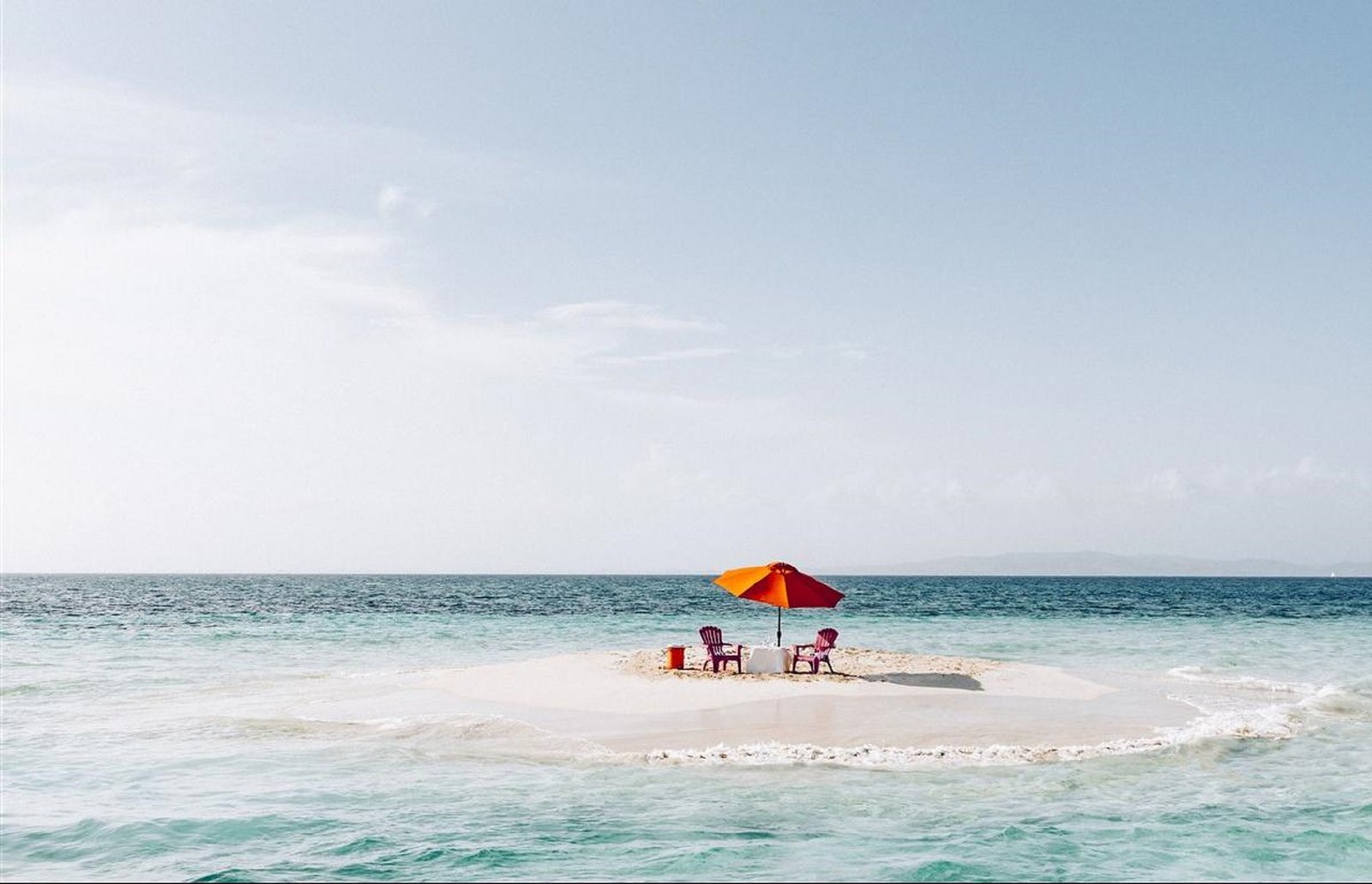
1- Abaka Bay (Île-à-Vache): Start your Haitian adventure with the magnificent Abaka Bay, recently named one of the most beautiful beaches in the world by CNN. Located on the enchanting island of Île à Vache, this bay offers a pristine white sand beach and calm Caribbean waters, framed by lush green hills. Abaka Bay Resort offers a truly exclusive and secluded experience, with bungalows located directly on the beach, offering panoramic views and direct access to the fine sand and crystal clear sea. The dining options are equally impressive, with one restaurant offering breathtaking ocean views and epic sunsets. To get to Île à Vache, simply take a 15-20 minute boat ride from Les Cayes, located off the southern coast of Haiti. 2- Île à Rat (Amiga Island): As soon as you set foot on Île à Rat (also known as Amiga Island), this little slice of paradise will steal your heart. Its smooth white sand beach immediately catches the eye, while gentle waves create a dreamy oasis against the pearly shore. Located in the turquoise waters off the coast of Plaine du Nord in northern Haiti, Île à Rat is a 1.8 hectare piece of white coral covered in a small wild forest. The island is a peaceful retreat, especially for couples looking for a serene getaway. To get to Île à Rat, you can take one of the many water taxis waiting in Labadee, a 30-minute drive from Cap-Haïtien. Keep in mind that the island is uninhabited, so it is important to bring everything you need for a comfortable stay, including drinking water. 3- Côtes des Arcadins: Nestled north of the bay of Port-au-Prince, Côtes des Arcadins stretches over 19 kilometers of white sand beaches lined with palm trees, making it one of the most popular seaside destinations from Haiti. The combination of the deep blue sea, mountains, mangrove forests and the coral reef formed by the Arcadins islets creates a breathtaking spectacle. It is also a great place for divers. To get there, follow the road north of the bay of Port-au-Prince. You will be amazed by the natural beauty of this region. 4- Plage de Gelée: This beach is one of the most popular thanks to its crystal clear waters and soft sand, all with a pastoral landscape in the background. If you are looking for a place to relax and soak up the sun, Gelée Beach is a great choice. 5- Jacmel Beach: Although swimming is not recommended here, Jacmel Beach is famous for its picturesque charm and artistic atmosphere. It is located in the historic town of Jacmel, known for its lively carnival and colorful houses. Explore the beach, admire the architecture and soak up Haitian culture. Don’t forget your swimsuit and sunscreen, and enjoy these hidden treasures of Haiti! 🏖️☀️

Appolon Guy Alain: Reference Web Designer in Haiti

In the ever-changing world of web development, some names stand out for their expertise, creativity and commitment to knowledge sharing. Among them, Appolon Guy Alain shines like a beacon in the web design industry in Haiti. With more than 70 websites to his credit, intranet systems and many other projects, he is recognized as an indisputable reference in his field. What sets Apolon’s work apart are the attractive interfaces it creates. Sites such as https://haitiwonderland.com/, https://leadersdedemain.org/, https://shippex.net/, https://telehaiti.ht/, https://www.kelphotographystudio.com/, https ://leparadishaitien.ht/, https://beltike.com/ and many others, demonstrate his exceptional talent for combining aesthetics and functionality in a harmonious way. The key to Apolon’s success lies in its ability to merge art and technology. Before becoming an accomplished computer scientist, he was already a painter, a professional musician and a computer graphic designer. This diversity of talents gives him extraordinary creativity, allowing him to imagine unique and memorable interfaces. But Apolon not only creates remarkable websites, he also generously shares his knowledge and experience. In December 2022, he launched Coding Club Haiti, an initiative aimed at providing younger generations with the opportunities offered by the digital world. This initiative has gone beyond the borders of Haïti thanks to a collaboration with the Scientific Club of Students of the Virtual University of Burkina Faso, thus allowing Appolon to share its knowledge with young people from Burkina Faso, and soon, other countries from Africa. Read also: https://haitiwonderland.com/haiti/personnalite/expert-en-seo-et-uiux-design--decouvrez-le-developpeur-haitien-appolon-guy-alain/65 For Appolon, digital represents an essential pillar for the economic development of his country, Appolon is fully committed to this change. However, Apollo does not rest on his laurels. Always eager to learn, he is currently venturing into fields such as robotics and artificial intelligence, looking forward to the challenges the future holds. If you are looking for someone to create your website, Apolon is undoubtedly the best choice. Do not hesitate to contact him on his Facebook or Instagram page, or visit his personal website at https://www.appographic.com. With Appolon Guy Alain, your web project is in expert and creative hands, ready to bring your most daring ideas to life. Follow Appolon on Facebook : https://www.facebook.com/appolon.guyalain Linkedin : https://www.linkedin.com/in/appolon-guy-alain-298424113 Instagram : https://www.instagram.com/appolonguyalain65 Twitter : https://twitter.com/GuyAppolon Github : https://github.com/Appogithub

Recently Posted

History

History

First black nation to free itself from slavery and gain independence from France in 1804 and influenced other liberation movements around the world, inspiring struggles for freedom and equality.

Natural beauty

Natural beauty

Haïti is blessed with spectacular natural landscapes, including white sand beaches, mountains and rich biodiversity.

Heritage

Heritage

Haïti has a rich historical heritage, including sites like the Citadelle Laferrière and the Sans-Souci Palace, listed as UNESCO World Heritage Sites.

Culture

Culture

Haïti has a rich and diverse culture, influenced by African, European and indigenous elements. Haitian music, dance, art and cuisine are celebrated around the world.

  • +
    • Post