contact@haitiwonderland.com+509 36184317

Discover

Shopping Cart

How many people live in Haiti?

How many people live in Haiti?

Haiti, with its spectacular landscapes and rich culture, is home to a vibrant and diverse population. Haiti’s demographics are a key aspect in understanding the economic, social, and cultural development of this unique country. Discover the current numbers and trends shaping Haiti’s population.

A Snapshot of Haiti’s Population

According to the most recent estimates, Haïti has a population of approximately 12 million (2024). This figure makes it one of the most populous countries in the Caribbean region.

- Population Density: With an area of ​​27,750 km², Haïti has a density of approximately 430 inhabitants per km², which is relatively high for the region.
- Urban and rural distribution: Approximately 60% of the population lives in rural areas, although cities such as Port-au-Prince, Cap-Haïtien and Jacmel are attracting more and more people.

These figures reflect a constantly growing population despite economic and environmental challenges.

A young and dynamic population

Haïti is characterized by a young population, with a median age of only 23 years.

- Birth rate: Approximately 2.8 births per woman, although this figure has decreased in recent decades.
- Life expectancy: It is estimated at 64 years for men and 68 years for women, improving thanks to progress in public health.

This youth represents an opportunity for development, but also a challenge in terms of education, employment and social services.

Haiti’s major cities: booming centers

Haiti’s major cities concentrate a large part of the population:

- Port-au-Prince: The capital, with more than 3.5 million inhabitants in its metropolitan area, is the economic and cultural heart of the country.
- Cap-Haïtien: With approximately 300,000 inhabitants, this northern city is a historical and tourist hub.
- Les Cayes: With nearly 125,000 inhabitants, it is an important center in the south of the country.

These agglomerations, although dynamic, must meet challenges in terms of urbanization, housing and infrastructure.

Key figures on Haitian demographics

- Annual population growth: Approximately 1.5%.
- Literacy rate: Approximately 61%, although it varies between urban and rural areas.
- Diaspora: More than 2 million Haitians live abroad, mainly in the United States, Canada, and the Dominican Republic.

The diaspora plays a vital role, particularly through remittances, which represent a significant portion of the national economy.

Demographic challenges and opportunities

With a constantly growing population, Haïti faces several challenges:

- Education: Ensuring access to quality education for a young and expanding population.
- Employment: Creating opportunities for a rapidly growing workforce.
- Urbanization: Managing the expansion of cities while preserving the environment and natural resources.

Despite these challenges, the Haitian population is recognized for its resilience, creativity, and ability to adapt.

A promising future

Haiti’s population is a major asset for the country’s development. Its youth, diversity, and diaspora contribute to the nation’s cultural and economic wealth.

Do you have any questions or comments about Haiti’s demographics? Share your thoughts in the comments and discover why each resident is a cornerstone of this unique nation.

Share
About the Author
Appolon Guy Alain
Appolon Guy Alain
Appolon Guy Alain

Full Stack Developer, Créatif, expérimenté, passionné des nouvelles technologies et de l’art.

See other articles from Appolon Guy Alain
Leave a comment

Recently Posted

Jean-Jacques Dessalines, leader of the Haitian Revolution

In the annals of the history of Haiti, an island located in the Caribbean at the entrance to the Gulf of Mexico and shared with the Dominican Republic, Jean-Jacques Dessalines emerges like a phoenix from the ashes of oppression. Born a slave on September 20, 1758 in the home of Henri Duclos, in Cormier (Grande-Rivière-du-Nord), in the French colony of Saint-Domingue, Dessalines was a Creole of African (Afro-Caribbean) origin. Freed during the 1794 abolition achieved through slave revolts, actually served as an officer in the French army during the French Revolution. At that time, the ideas of freedom and equality were at the heart of the concerns of the inhabitants of the colonies. Dessalines actively participated in the fighting against the Spanish and British forces, alongside the French, in Santo Domingo. Having risen to the rank of Lieutenant General, Jean-Jacques Dessalines turned against the French during the Leclerc expedition, sent to Saint-Domingue by Bonaparte to reestablish colonial authority and slavery during the Haitian Revolution. After the capture and deportation of Toussaint Louverture to France on June 7, 1802, Dessalines assumed a leading role in continuing the struggle for independence. He led numerous battles, including the battle of Crête-à-Pierrot in March 1802, where he galvanized his soldiers with his famous declaration: “Let those who want to remain slaves of the French leave the fort, let those, on the contrary, who want to die as free men, line up around me.” On January 1, 1804, Jean-Jacques Dessalines achieved the long-awaited goal of independence by proclaiming Haïti as a sovereign nation, becoming the second country in the Americas to gain independence from a colonial power. He became the first leader of the newly formed nation and was named Emperor under the name James I. However, his imperial reign was marked by authoritarian and brutal policies, including the massacre of many white settlers and the redistribution of land to peasants that was in the hands of the generals of the independence army. In addition, he organized the hunt for delinquents in the city while implementing rigorous agrarian policies, considering that they represented a threat to the stability of the nation, these controversial actions caused divisions within Haitian society. Dessalines was assassinated on October 17, 1806 following a plot organized by some of his generals in the Haitian army. His death marked the end of his brief but influential period in power. Despite the controversies surrounding his methods, he is recognized as the main architect of Haiti’s independence and his name was honored in 1903 by being attributed to the Haitian national anthem, La Dessalinienne, composed by Justin Lhérisson.Finally, the great visionary man Jean Jacques Dessalines remains an emblematic figure in the history of Haiti, recognized for his role in the fight for independence and the end of slavery in the region.



Newsletter

Subscribe to our newsletter to stay informed of all our activities and news on Haiti.

Recently Posted

History

History

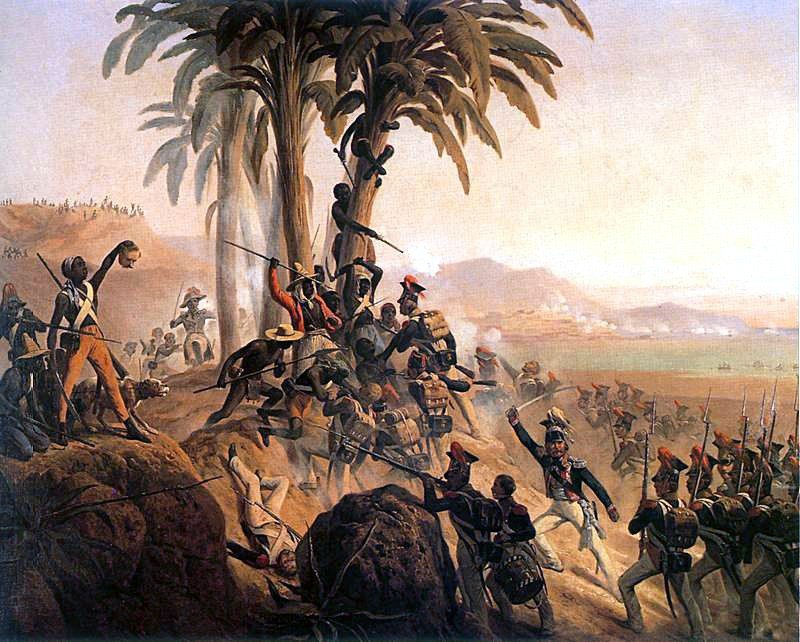
First black nation to free itself from slavery and gain independence from France in 1804 and influenced other liberation movements around the world, inspiring struggles for freedom and equality.

Natural beauty

Natural beauty

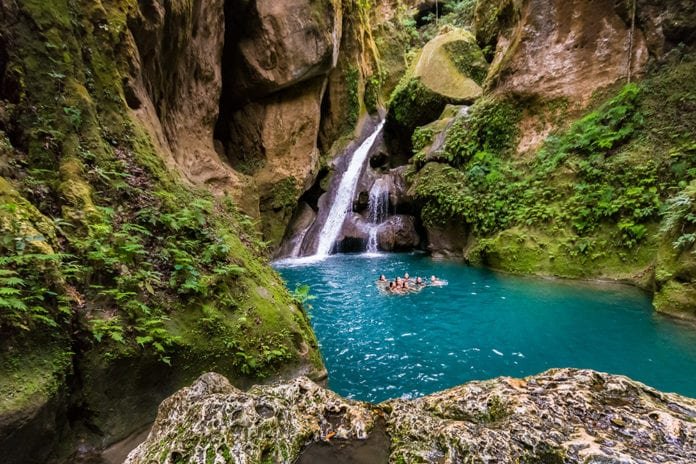
Haïti is blessed with spectacular natural landscapes, including white sand beaches, mountains and rich biodiversity.

Heritage

Heritage

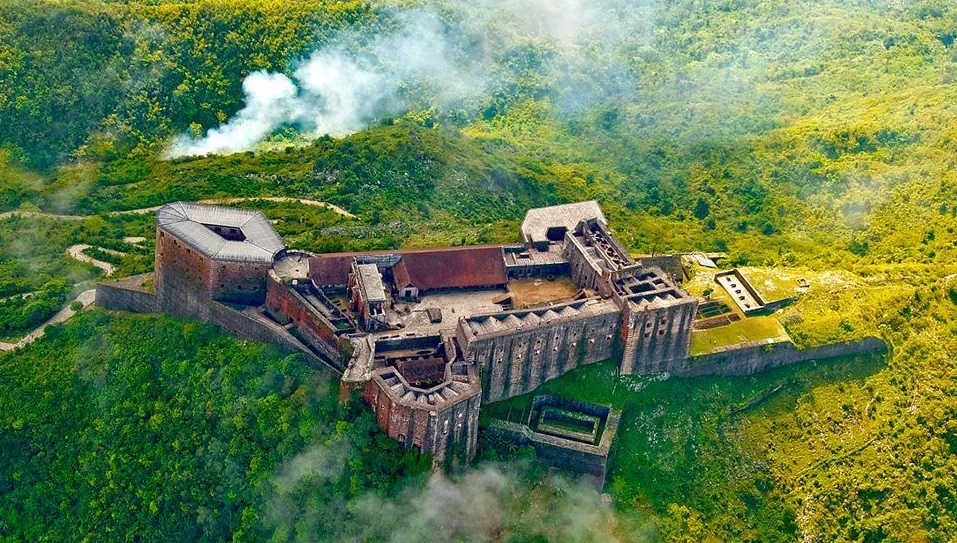
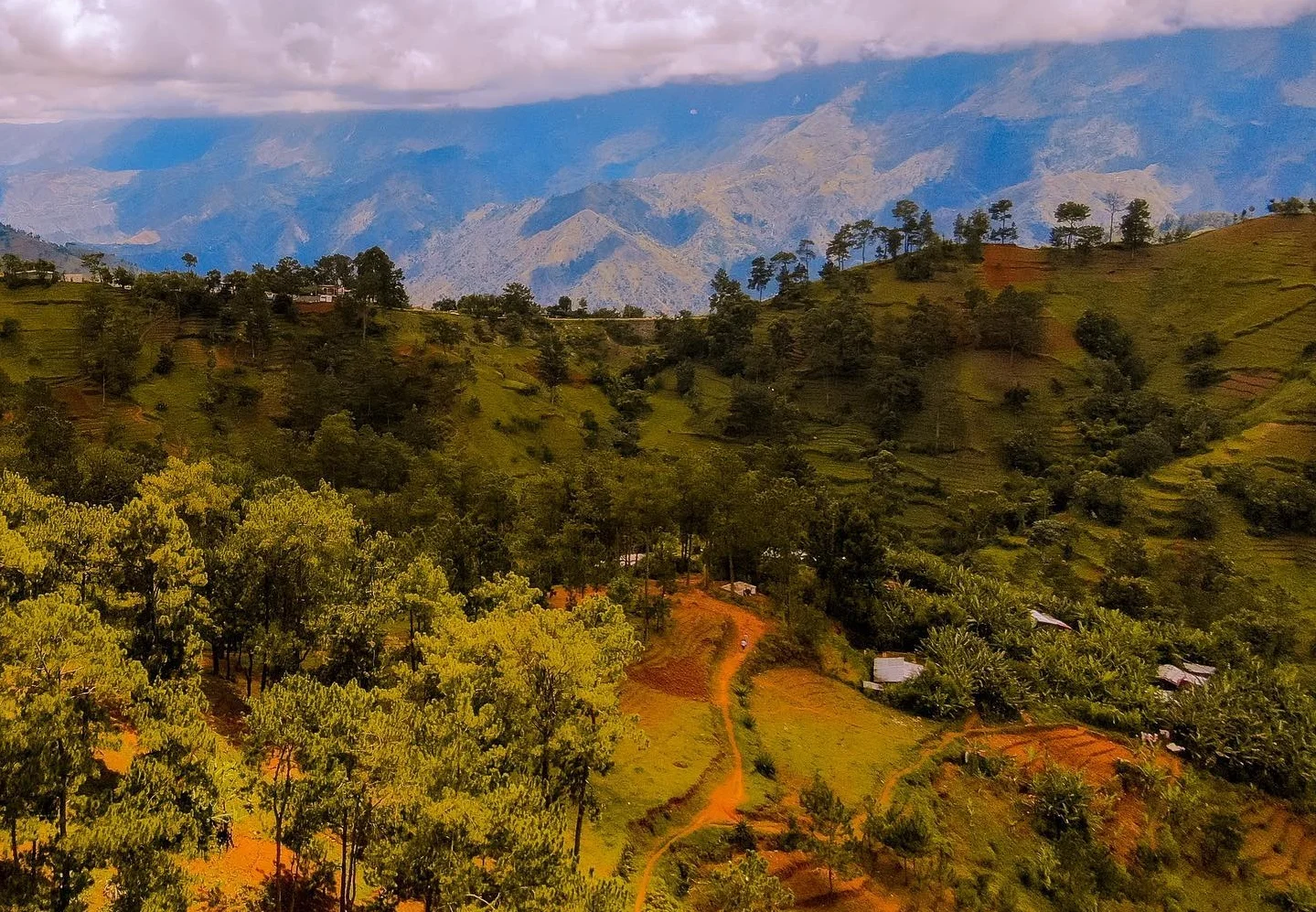
Haïti has a rich historical heritage, including sites like the Citadelle Laferrière and the Sans-Souci Palace, listed as UNESCO World Heritage Sites.

Culture

Culture

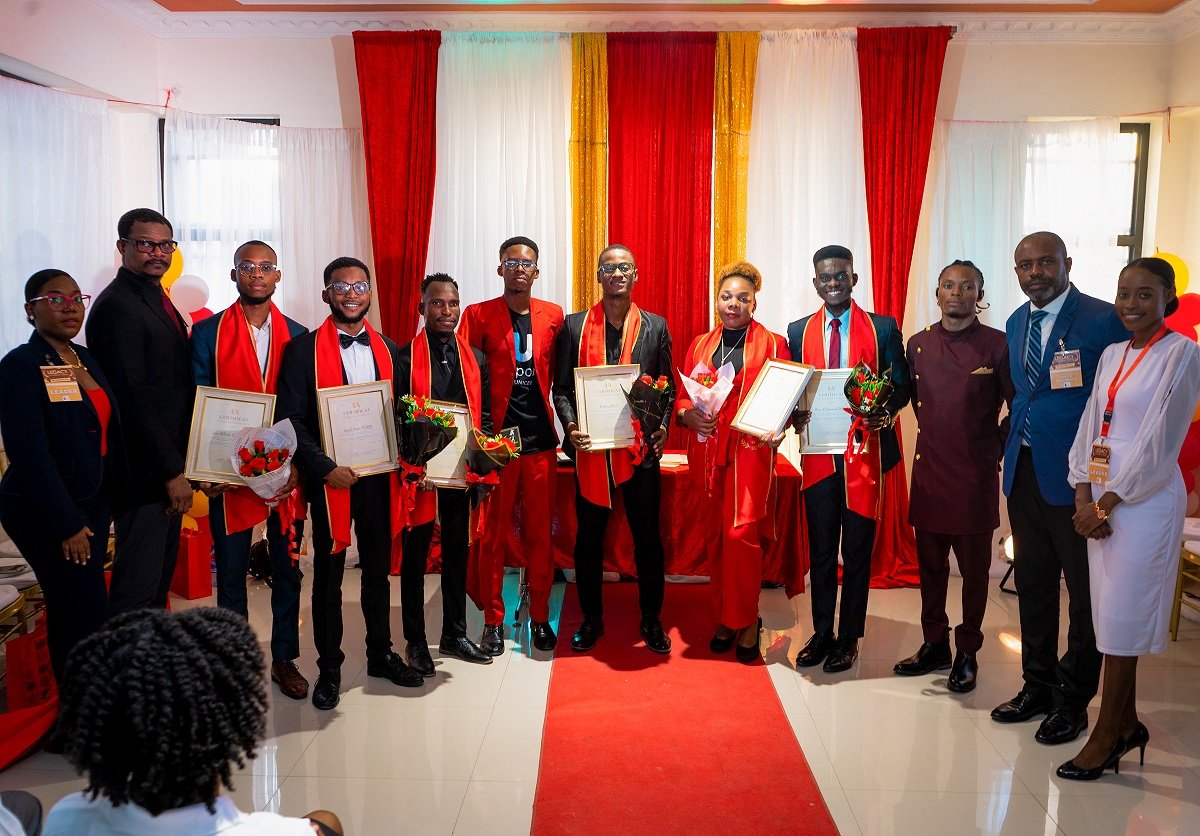
Haïti has a rich and diverse culture, influenced by African, European and indigenous elements. Haitian music, dance, art and cuisine are celebrated around the world.

  • +
    • Post