What is the most popular dish in Haiti?
Haitian cuisine is full of flavors, colors, and aromas that reflect the country’s history and cultural diversity. Among the most iconic dishes, "Diri sòs pwa ak legim" (rice, pea sauce, and vegetables) stands out as a true culinary treasure. This dish is much more than just a meal: it symbolizes the sharing, tradition, and creativity of Haitians. In this article, let’s discover why this dish is so popular and what makes it an icon of Haitian gastronomy.
A pillar of Haitian cuisine
"Diri sòs pwa ak legim" is omnipresent in Haitian homes, on all occasions, whether it is a regular meal or a festive feast. Each component of the dish plays an essential role:
- Diri (rice): Often prepared with spices, butter or oil, rice is a staple food in Haiti.
- Sòs pwa (pea sauce): This sauce is made with peas (red, black or white), simmered with spices like garlic, thyme and cloves. It is rich in flavors and nutrients.
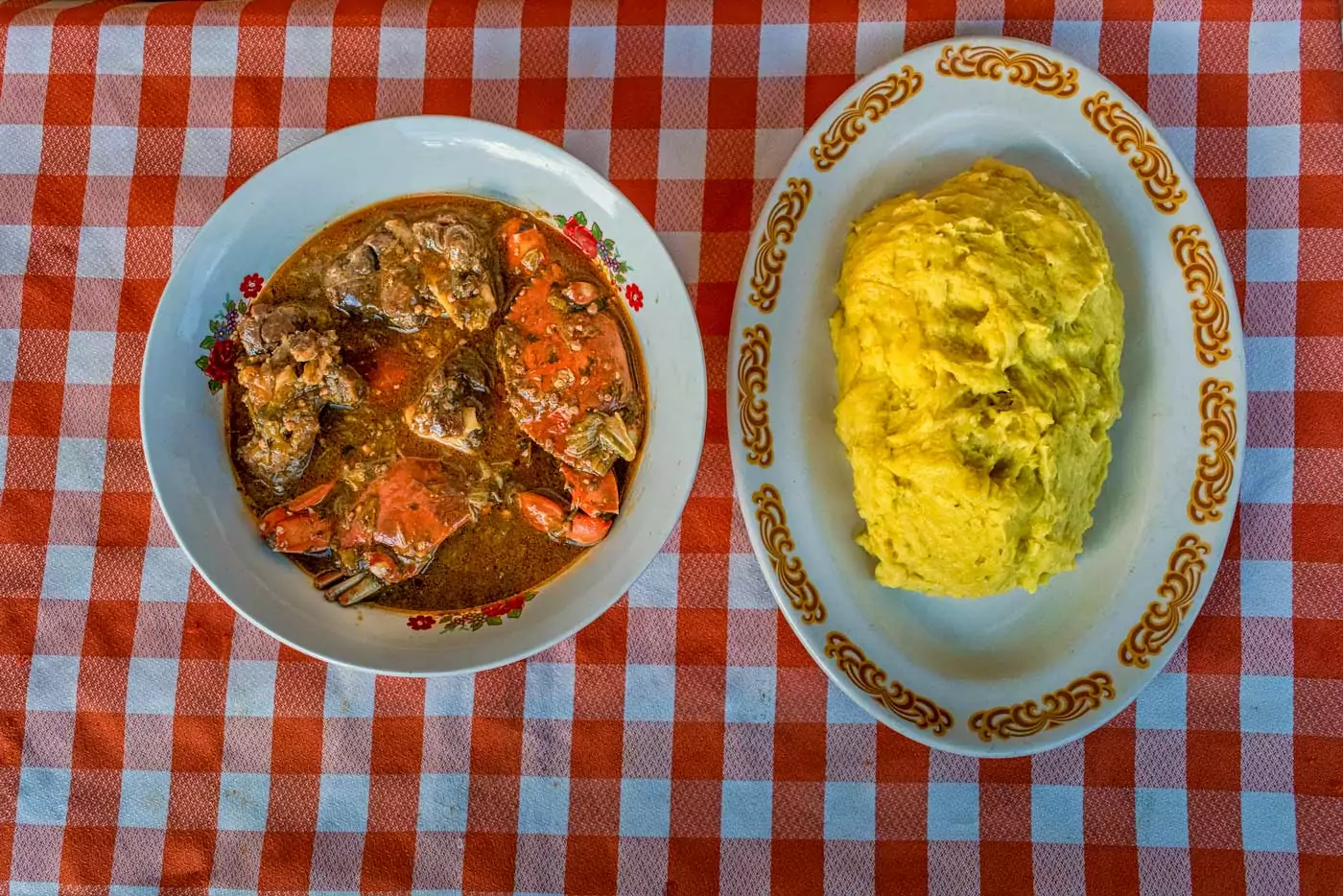
- Legim (vegetables): A mixture of vegetables like cabbage, carrots, spinach and eggplant, cooked with meat (often beef or crab) for a melting texture and a savory taste.
This harmonious marriage offers a perfect balance of protein, fiber and carbohydrates, while delighting the taste buds.
A dish with historical roots
The origins of "Diri sòs pwa ak legim" date back to the colonial era, when basic ingredients such as rice and peas were introduced to the plantations. Over time, Haitians have enriched these simple products with their culinary know-how and the use of local spices.
This dish also reflects the influence of African, European and Amerindian cultures that have shaped Haitian gastronomy.
A symbol of conviviality
In Haiti, sharing a dish of "Diri sòs pwa ak legim" is a mark of hospitality and generosity. Whether during Sunday family meals or special festivities such as Independence Day (January 1), this dish brings together young and old around the table.
In rural communities, preparing the vegetable is often a collective effort, with each member of the family or neighborhood contributing, thus strengthening social ties.
Key figures on the consumption of "Diri sòs pwa ak legim" in Haiti
- Rice: Haïti consumes approximately 450,000 tons of rice per year, much of which is used for this dish.
- Peas: Red and black peas are among the most widely grown legumes in the country, representing approximately 30% of local production.
- Prevalence: Nearly 80% of Haitian households prepare this dish at least once a week.
Regional variations
Each region of Haïti brings a unique touch to this dish:
- In the North, the pea sauce can be enriched with winged peas (Congo peas).
- In the West, the vegetable is often prepared with crab or shrimp, adding a maritime flavor.
- In the South, the rice can be cooked with coconut for a sweet and fragrant note.
These variations show how adaptable this dish is while staying true to its roots.
Did you know?
- "Diri sòs pwa ak legim" is often accompanied by pikliz, a spicy condiment made from marinated vegetables, which adds spice to the meal.
- This dish is sometimes nicknamed "complete meal" because of its high nutritional value.
- The rice used is often imported, which leads some to promote the consumption of local rice to support the Haitian economy.
A dish to discover and celebrate
"Diri sòs pwa ak legim" is much more than just a meal. It is a true celebration of Haiti’s culinary and cultural richness. By tasting this dish, we discover not only unique flavors, but also the history and soul of a proud and creative people.
Have you ever tasted this iconic dish? Share your impressions or recipes in the comments!