contact@haitiwonderland.com+509 36184317

Discover

Shopping Cart

What to eat at lunchtime in Haiti? The essential meals to savor

What to eat at lunchtime in Haiti? The essential meals to savor

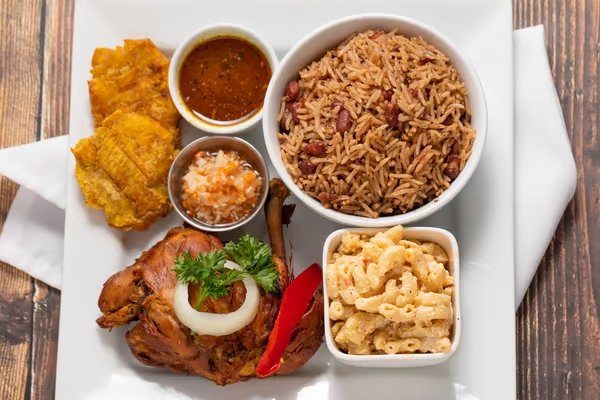
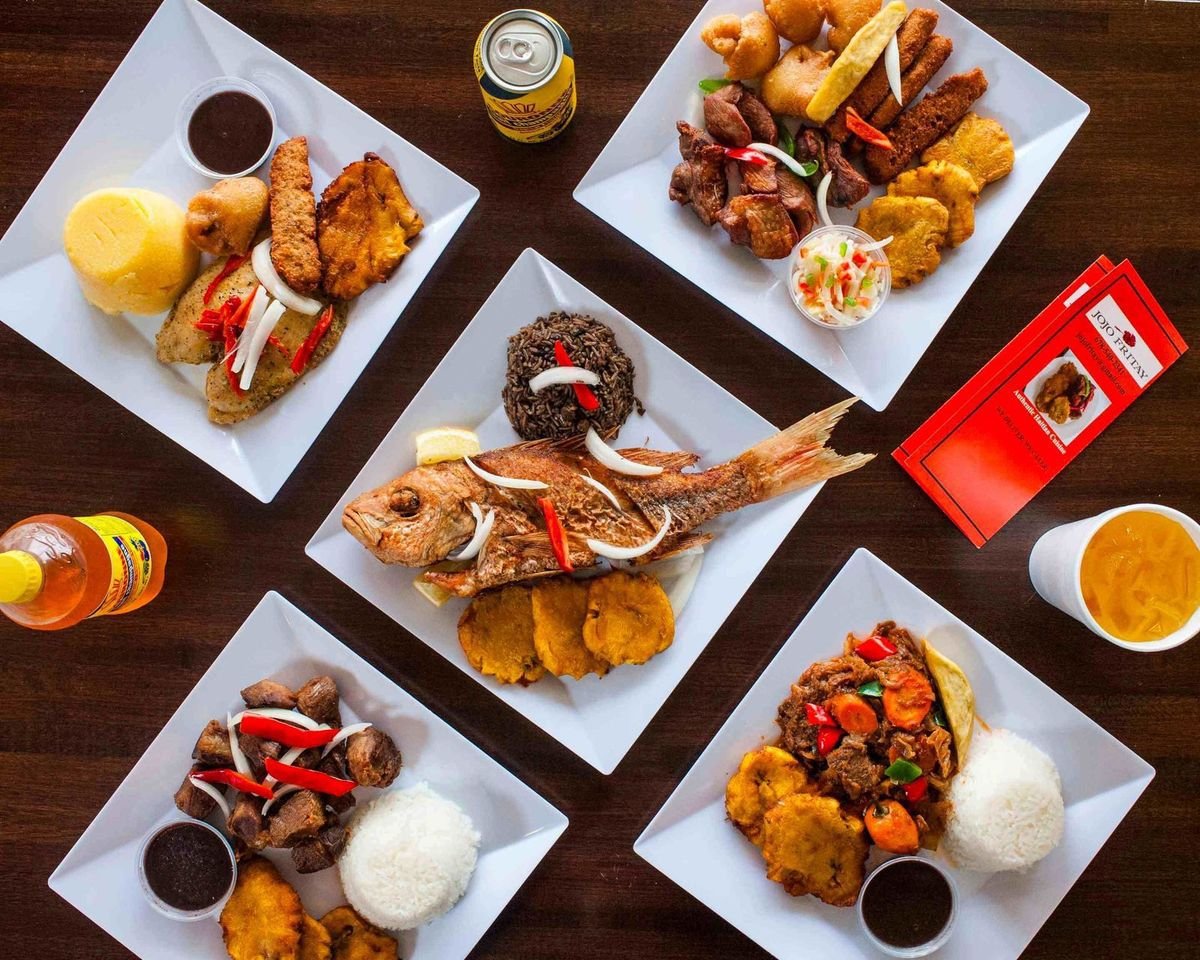
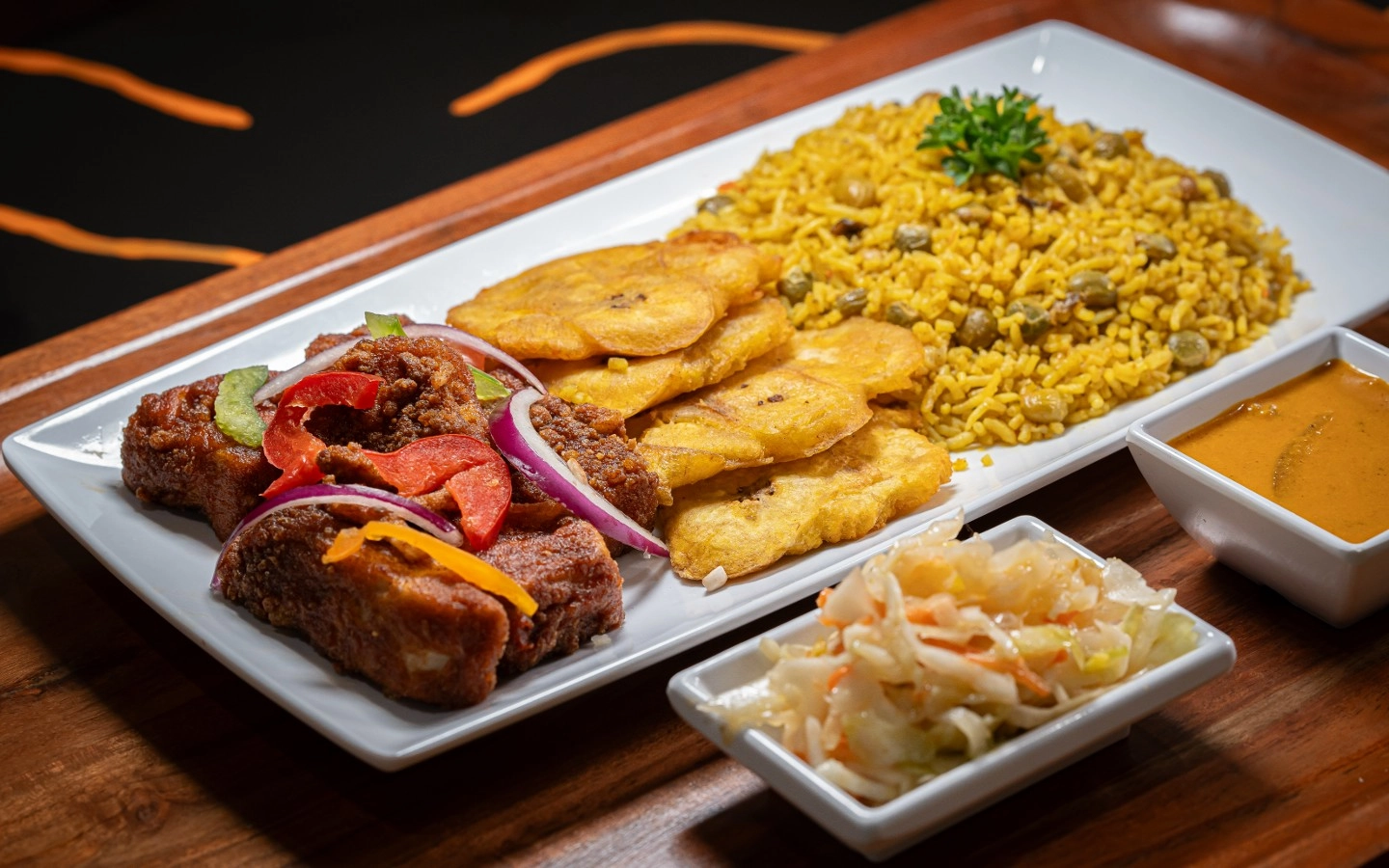
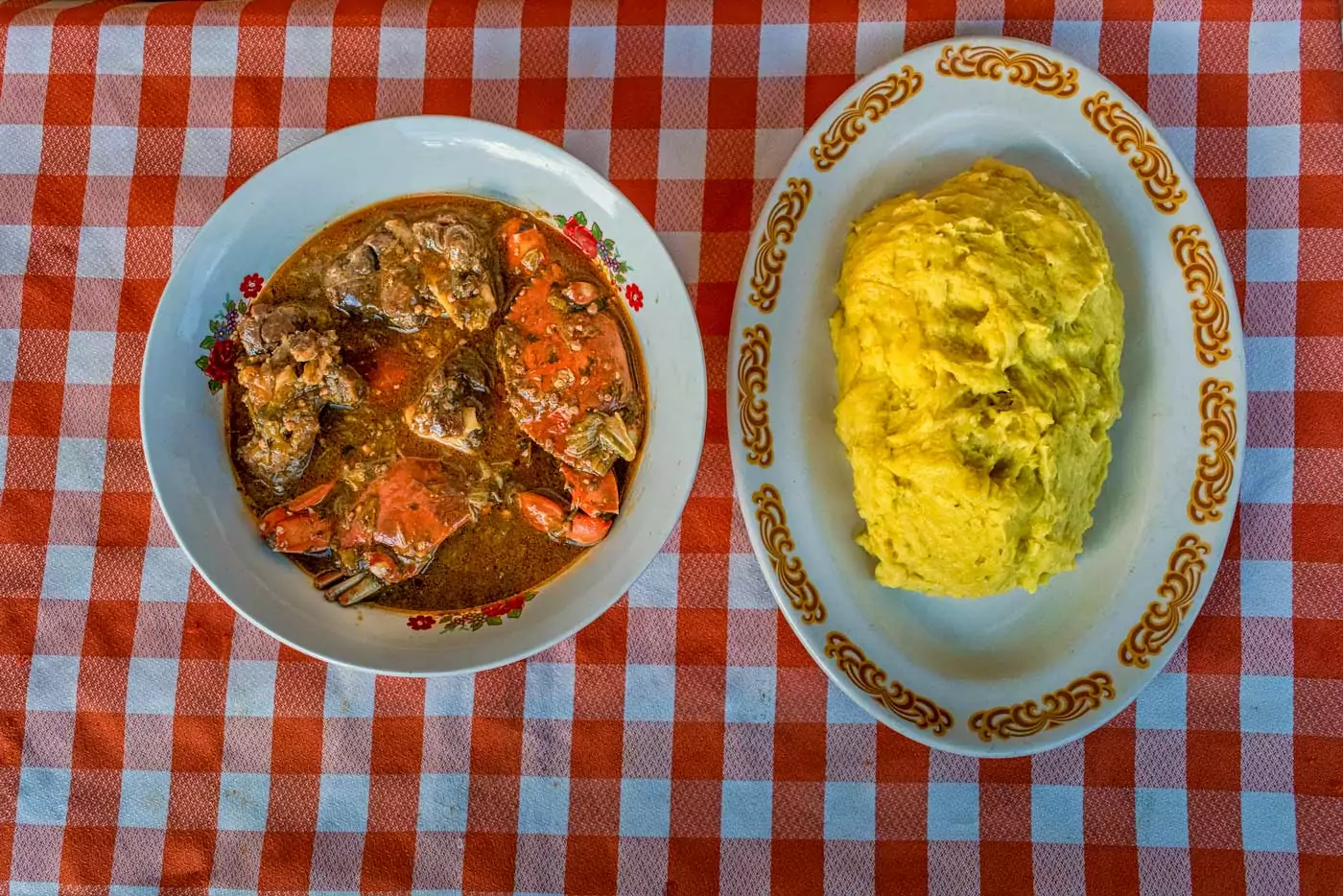
In Haiti, manje midi (lunchtime) is much more than just lunch. It’s a key moment of the day, a sacred break where we enjoy hearty, tasty, and nutritious dishes. Whether at home, at the office, or in the small, popular restaurants "kantin" or "manje anba dra," lunch is a true feast.
Lunchtime in Haïti often consists of several essential elements:

1. Rice and vegetables

Rice is the basis of the Haitian meal. It can be prepared in different ways:

Stick rice (mixed with red peas, black peas, or Congo peas)

White rice with a well-seasoned bean sauce

Diri ak djon djon, a fragrant black rice with highly prized local mushrooms

2. Meat or Fish

The main course is usually accompanied by meat or fish, simmered with local spices:

Chicken in sauce (poul an sòs)

Smoked beef or tassot (marinated and fried meat)

Griot (fried pieces of pork, very popular)

Fried or sauced fish

3. Vegetables and Side Dishes

Vegetables also play an important role in "manje midi":

Sautéed vegetables (cabbage, carrots, spinach, lalo)

Avocado, salad, or Grated beets for a touch of freshness

4. A good natural juice

It’s impossible to talk about Haitian meals without mentioning the delicious natural juices that accompany them. Fragrant and refreshing, they are often prepared with:

Soursop

Papaya

Tamarind

Lemon or orange juice

What was your "manje midi" dish today? What is your favorite lunch dish?

Share
About the Author
Jeunes Influenceurs
Jeunes Influenceurs
Leave a comment

Recently Posted

The Haitian Carnival: A Festival of Colors, Music and Traditions

The Haitian carnival, an emblematic and essential celebration of the country’s festive calendar, is much more than a simple party. It embodies the very essence of Haitian culture, joyfully blending ancestral traditions, intoxicating music and a deep sense of community. Each year, this vibrant celebration transforms the streets into a vibrant and colorful spectacle, attracting thousands of participants and spectators eager to take part in this one-of-a-kind celebration. Haitian carnival has deep roots in the country’s history, dating back to colonial times. It has evolved over the centuries, incorporating elements of African, French and Creole culture to create a distinct and captivating celebration. The carnival period in Haïti traditionally begins in January and culminates with extravagant festivities that take place over several days. One of the most striking features of the Haitian carnival is the profusion of colors. Traditional costumes, called "masks", are elaborate and beautifully designed. They feature vivid patterns and vibrant decorations, creating a vivid picture of Haitian cultural identity. Participants, dressed in these elaborate costumes, parade through the streets to the sound of lively music, creating an electric atmosphere. Music is at the heart of the Haitian carnival. The captivating rhythms of compass, rasin, rara and other local musical genres resonate throughout the city, inviting people to dance to the rhythm of the party. Orchestras parade through the streets, accompanying the dancers and creating a unique symbiosis between the music and the graceful movements of the participants. The Haitian carnival parade is not just about the music and costumes; it also celebrates the richness of street arts. Talented artists create giant sculptures, art installations and theatrical performances that tell deep stories of Haitian history and culture. These artistic expressions contribute to the transmission of values ​​and stories that shape the identity of the Haitian people.

Newsletter

Subscribe to our newsletter to stay informed of all our activities and news on Haiti.

Recently Posted

History

History

First black nation to free itself from slavery and gain independence from France in 1804 and influenced other liberation movements around the world, inspiring struggles for freedom and equality.

Natural beauty

Natural beauty

Haïti is blessed with spectacular natural landscapes, including white sand beaches, mountains and rich biodiversity.

Heritage

Heritage

Haïti has a rich historical heritage, including sites like the Citadelle Laferrière and the Sans-Souci Palace, listed as UNESCO World Heritage Sites.

Culture

Culture

Haïti has a rich and diverse culture, influenced by African, European and indigenous elements. Haitian music, dance, art and cuisine are celebrated around the world.

  • +
    • Post