contact@haitiwonderland.com+509 36184317

Discover

Shopping Cart

Did you know? Haïti has the largest cave system in the Caribbean.

Did you know? Haïti has the largest cave system in the Caribbean.

Few people know that Haiti, often celebrated for its beaches and rich history, is also home to the largest cave system in the Caribbean. These underground formations, scattered across the country, are natural and cultural treasures that bear witness to millions of years of geological evolution and human interactions. Let’s dive into this fascinating universe together.

A spectacular underground network

Haiti’s caves are a veritable natural labyrinth. Among the best known are the Marie-Jeanne cave in Port-à-Piment, the Saint-François cave in the North, and the Dondon caves. These cavities, sculpted by centuries of erosion, reveal stalactites, stalagmites and impressive limestone formations.

The Marie-Jeanne Cave, for example, is considered the longest explored cave in the Caribbean, with nearly 4 kilometers of mapped galleries. It offers a unique immersion in an underground world rich in biodiversity and mysteries.
A natural and cultural wealth

Haitian caves are not limited to their natural beauty; they also have an inestimable cultural value. The Taínos, the first inhabitants of the island, used these caves as refuges and sacred places. To this day, petroglyphs and other artifacts testify to their spiritual practices and their connection with nature.

These caves also served as refuges during the colonial period and revolutions, offering protection and discretion to resistance fighters.

A paradise for explorers

With its countless caves, Haïti is a destination of choice for speleology enthusiasts. The diversity of its caves, ranging from simple accessible cavities to complex and unexplored systems, attracts adventurers and researchers from all over the world.

The unique biodiversity of these caves is also remarkable: some are home to endemic species, such as bats and insects adapted to permanent darkness.

A sustainable tourism opportunity

Haiti’s cave system represents immense potential for the development of sustainable ecotourism. In 2021, local initiatives began to highlight these sites while raising awareness among visitors about their preservation. The Marie-Jeanne cave, for example, hosts guided tours that combine exploration and environmental education.

This type of tourism not only helps protect these natural treasures, but also generates income for local communities.

A heritage to protect

However, this natural heritage faces increasing threats, including deforestation, which disrupts the ecological balance of the caves, and unregulated human activities. Preserving these sites is crucial to ensure their survival and allow future generations to discover them.

As a nation proud of its riches, Haïti is increasing its efforts to protect these underground wonders through partnerships between scientists, local communities and international organizations.

An invitation to explore

Whether you are passionate about nature, history or adventure, Haiti’s cave system is an unforgettable experience. These cavities hidden beneath the surface offer a unique insight into the country’s geological and cultural diversity.

Have you ever explored Haiti’s caves? If so, share your thoughts in the comments. And if you haven’t yet, get ready to live an extraordinary adventure in the bowels of this fascinating country. Haïti and its underground wonders await you!

Share
About the Author
Appolon Guy Alain
Appolon Guy Alain
Appolon Guy Alain

Full Stack Developer, Créatif, expérimenté, passionné des nouvelles technologies et de l’art.

See other articles from Appolon Guy Alain
Leave a comment

Recently Posted

Newsletter

Subscribe to our newsletter to stay informed of all our activities and news on Haiti.

Conference / Festival Quatre Chemins / 21st edition

The impact of collective and individual trauma on the personal development of young people in Port-au-Prince While writers, actors, dancers, poets, among others, have gratified us with their performances, the master’s degree student in psychology at the Faculty of Human Sciences (FASCH), Lourdya Blaise, spoke with the audience about trauma. Structured around the theme "Youth and Trauma, analysis of the impact of collective and individual trauma on the personal development of young people living in Port-au-Prince between 2010-2024", this conference gave rise to enriching discussions. During this meeting, moderated by Michaël Formilus, Ms. Blaise showed how the events that have taken place in the country have caused cases of trauma among Haitians. According to the student, citing the American Psychological Association, we speak of trauma as a consequence of trauma. The latter is explained by the fact that we feel threatened, whether it is the person in question or their loved ones. However, she specifies that a collective trauma remains depending on the impact that the event has on the individual. To illustrate her remarks, she mentioned the earthquake of January 12, 2010, considered a collective trauma, insofar as it still occupies our minds. This tragedy reminds us of the disappearance of our loved ones and enormous losses. This is the case of a trauma that becomes a collective trauma. For the student, it should be emphasized that when an event occurs, some people are traumatized and others are not. According to him, the violence of armed gangs is not perceived in the same way, says Ms. Blaise. There are people who have fled their homes but are not traumatized. In fact, some people see traumatic situations as a passing event, she says. The speaker also spoke about collective trauma, which, according to him, preoccupies the mind, even if we no longer experience it. It manifests itself in several forms: lack of sleep, fear psychosis, intrusive thoughts, intense heartbeat, etc. Generally, symptoms related to trauma are hard to die. When it persists, it becomes acute stress. To deal with it, we must talk to other people. If the situation persists, acute stress turns into a phase of post-traumatic stress; in this case, we must confide in a trusted person or go see a mental health specialist, she advises. In her presentation, Lourdya Bazile also drew attention to the psychological state of children in these times. According to the presenter, children are also facing this crisis situation, even if they do not talk about it to their parents. As much as adults, children also plan their future. Faced with flouted school years, they become pensive and worried, she stressed. They withdraw. The child who used to be brilliant can become violent and perform less well at school. Parents are called upon to listen to them and understand them. A good moment of exchange, rich in practical advice. The audience participated fully. In turn, the presenter invites them to breathe better and meditate. "We live in a country where worries mix, we must take time for ourselves, do sports, eat well, make sure that the sleeping space is clean and take time for ourselves. There is more than one way to find calm," recalls the psychologist. Gertrude Jean-Louis

Haiti: Immerse yourself in the Serenity of Étang Bossier in Cayes-Jacmel

Located about an hour’s drive northeast of the bustling town of Jacmel, Étang Bossier emerges like a verdant gem from the heart of the hills, captivating the senses and offering an idyllic getaway for nature and adventure lovers. This natural sanctuary, anchored in the picturesque community of Bossier, is a premier destination for travelers seeking authentic discoveries and enchanting landscapes. With a generous surface area extending over 4 to 5 hectares, Étang Bossier stands majestically at an altitude of 600 meters in the 2nd section of the commune of Cayes-Jacmel, in Gaillard, surrounded by the magnificent sections of Ravine Normande , Cap Rouge and Michinot. This geographical diversity gives the place an incomparable ecological and landscape richness, inviting visitors to immerse themselves in the heart of lush nature. Beyond its natural charm, Étang Bossier is the cradle of community life rich in agricultural and pastoral traditions. The green fields resonate with local agricultural activities, with varied crops such as pistachio, congo pea, millet, and corn which bear witness to the ancestral know-how of the region’s inhabitants. Every Thursday, the local market comes alive with colors and flavors, offering a tempting range of fresh produce, robust livestock and of course, “pèpè” fish, a delight for fishing enthusiasts. However, behind this bucolic facade there are also challenges and needs. Despite the abundance of natural resources, many residents live in precarious conditions, highlighting the importance of sustainable support and development for the Bossier community and surrounding areas. For travelers looking for authentic and enriching experiences, Étang Bossier is an invitation to escape. By exploring its winding paths, being lulled by the song of birds and discovering the daily life of its welcoming inhabitants, visitors will have the unique opportunity to delve into the heart of Haitian culture and create unforgettable memories. During your next getaway to Cayes-Jacmel, let yourself be seduced by the magic of Étang Bossier. Whether for a day of adventure, a cultural immersion or simply a moment of relaxation in the middle of unspoiled nature, this hidden oasis promises you an extraordinary experience, imbued with authenticity and natural beauty. Come explore Étang Bossier and let yourself be enchanted by the simplicity and splendor of Haitian rural life.

Recently Posted

History

History

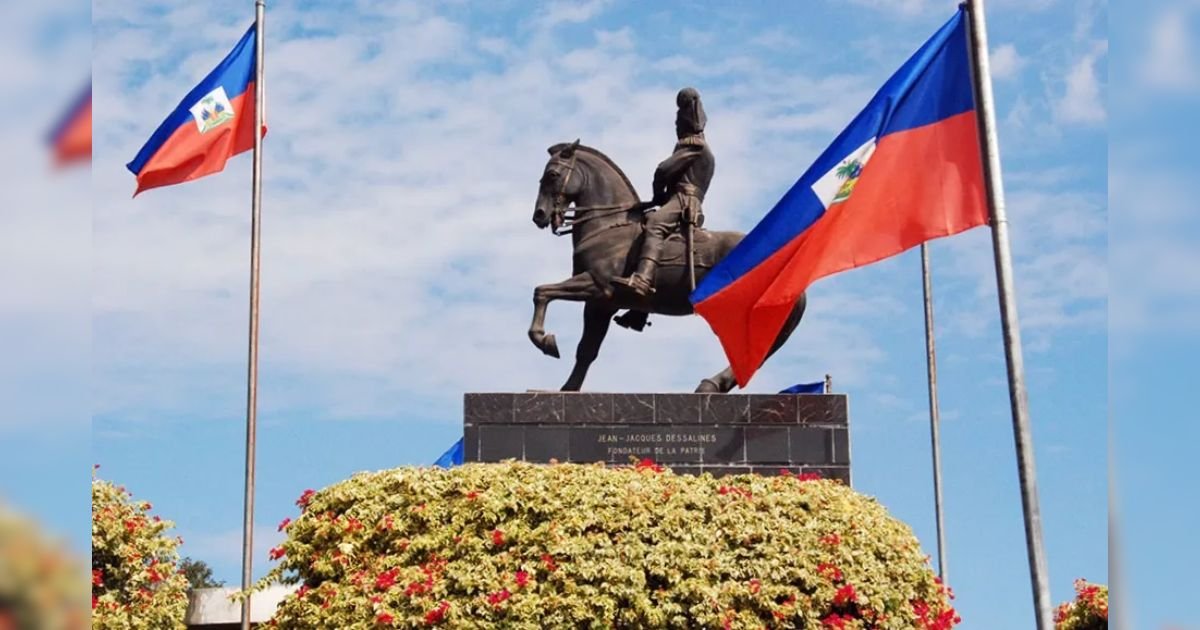
First black nation to free itself from slavery and gain independence from France in 1804 and influenced other liberation movements around the world, inspiring struggles for freedom and equality.

Natural beauty

Natural beauty

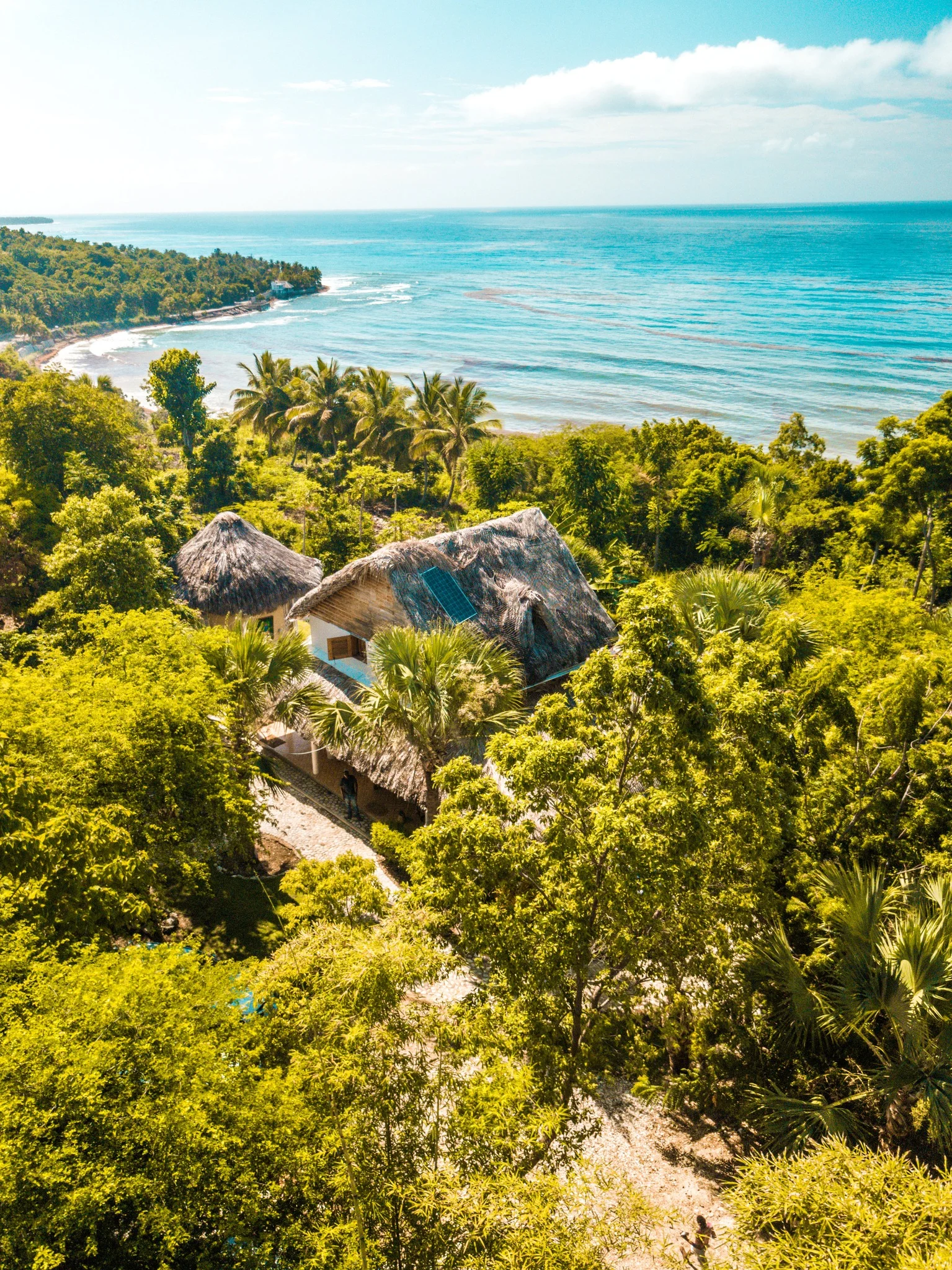
Haïti is blessed with spectacular natural landscapes, including white sand beaches, mountains and rich biodiversity.

Heritage

Heritage

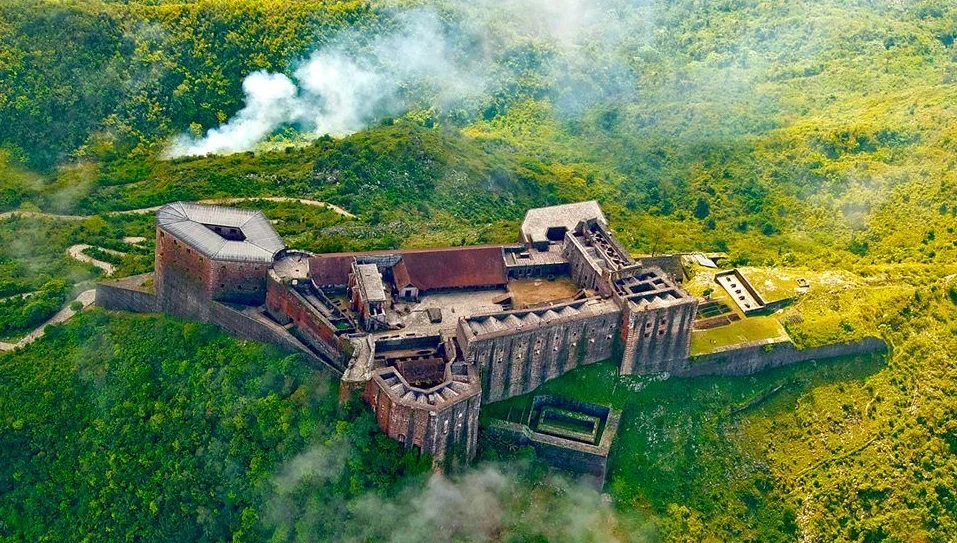
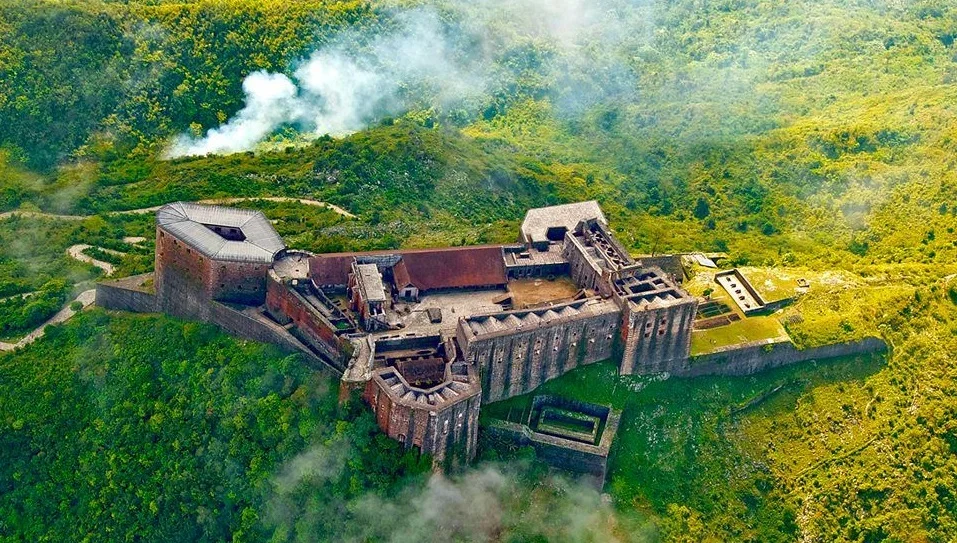
Haïti has a rich historical heritage, including sites like the Citadelle Laferrière and the Sans-Souci Palace, listed as UNESCO World Heritage Sites.

Culture

Culture

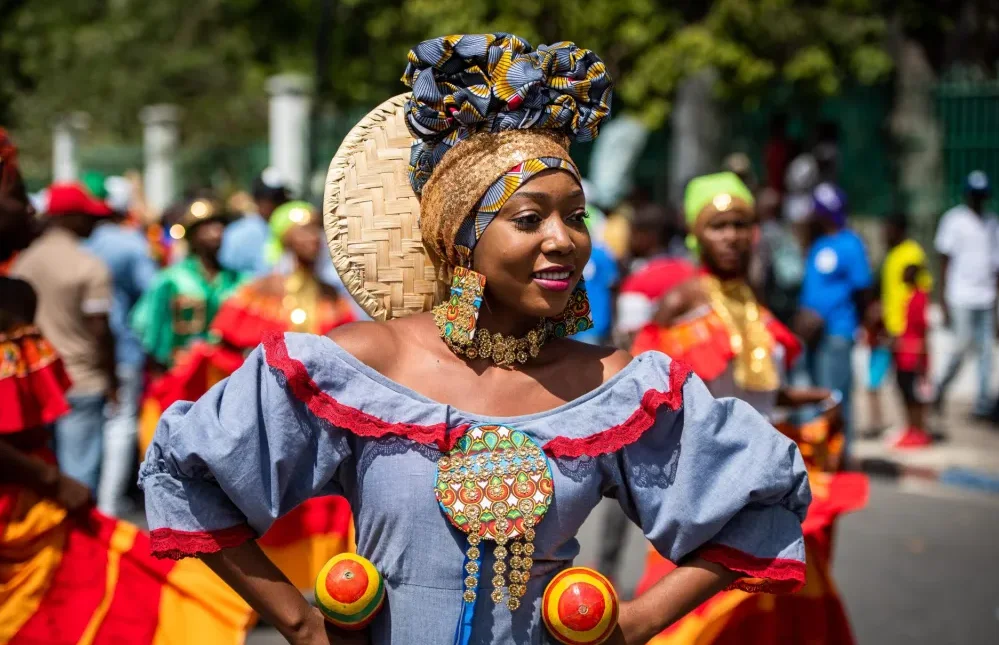
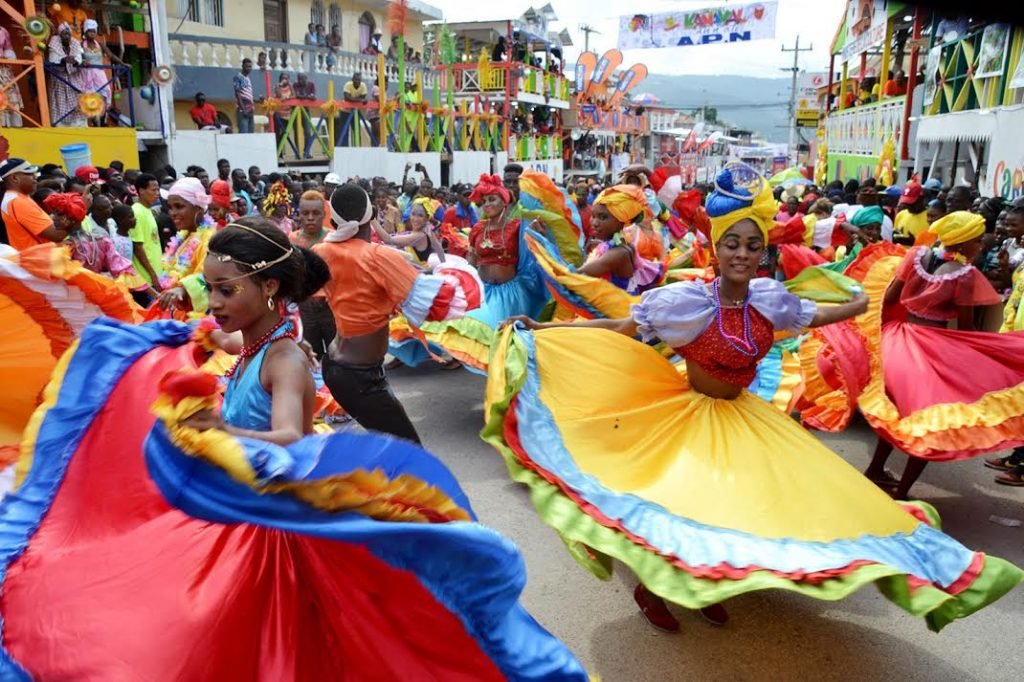
Haïti has a rich and diverse culture, influenced by African, European and indigenous elements. Haitian music, dance, art and cuisine are celebrated around the world.

  • +
    • Post