contact@haitiwonderland.com+509 36184317

Discover

Shopping Cart

Ayiti Liv: A Digital Initiative for the Preservation of Haitian Literary Heritage

Ayiti Liv: A Digital Initiative for the Preservation of Haitian Literary Heritage

"Ayiti Liv" is an online platform dedicated strictly to promoting Haitian literature. It will be operational starting May 1, 2025, and will feature about 300 major works of Haitian literature, written by over 70 authors. Full public access will be granted for its launch phase.
Jean Venel Casseus, one of the platform’s initiators, explains that this initiative was created to fill a significant gap, and this vast project is being carried out by him and a passionate team of Haitian literature lovers.

A Necessity

In Haiti, the lack of libraries remains a major challenge within the educational system. The culture of young people is often severely affected by this glaring lack. The current security crisis in Port-au-Prince, the capital of Haiti, plays a significant role in the degradation of the Haitian educational system, further exacerbating this shortage. Faced with this gap, a group of well-informed individuals decided to act to provide a serious alternative for those eager to learn more about Haitian literature. In this sense, this digital library dedicated exclusively to Haitian writers is a welcome addition.

See as well

Why Was This Project Created?

The idea for Ayiti Liv emerged from the harsh reality of the absence of accessible libraries in Haiti. Jean Venel Casseus explains: "The Haitian state has not truly taken charge of the intellectual training of the youth. In countries that believe in the fundamental role of books in individual development, every neighborhood has a library. In Haiti, some departments don’t even have a space where people can sit down to read and reflect. Yet, entertainment clubs are plentiful." In response to this situation, the Ayiti Liv team chose to use digital tools to provide a tangible and accessible solution for everyone. The platform www.ayitiliv.com was thus born, with the aim of providing unlimited access to Haitian writers’ works while making Haitian culture more accessible and visible to the world.

The Driving Forces Behind the Project

Ayiti Liv is supported by a team of four people: Jean Venel Casseus, Kerbson Louis (engineer), France Medeley Guillou, and Sophia Mésius. They have joined their efforts to bring this ambitious project to life. Their goal is simple: to give every young person with a smartphone the opportunity to access the richness of Haitian literary works, no matter where they are. The team works tirelessly, "day and night," as Jean Venel Casseus emphasizes, to ensure the platform’s sustainability and accessibility.

The Crucial Role of Literature in the Haitian Context

According to the initiators of Ayiti Liv, literature plays a fundamental role in the development of both individuals and society. It has two essential facets: creative and critical. Literature allows for dreaming through novels and poetry, as well as reflecting on one’s own reality through essays and academic works. In a country like Haiti, where social and economic challenges are numerous, Ayiti Liv aims to provide a space for reflection and a tool for shaping citizens who can think critically and constructively. "The more citizens we have who can think rigorously, both in science and in art, the more we will be shaping individuals with a soul and deep convictions," adds Jean Venel Casseus.

Ambitions for the Future

The Ayiti Liv team has high hopes for the future of this digital library. Their greatest wish is for this project to go beyond their own efforts and become a true cultural heritage, accessible to all future generations. They hope that the platform will not only be a reading tool but also become a true driver of intellectual and social transformation in Haiti.

Ayiti Liv, far more than just a digital library, represents hope for Haitian culture. Through this initiative, the team aims to reinvent access to literature and critical thinking, offering Haitian youth a gateway to better understanding their identity and future.

In a country where access to books is becoming increasingly limited, where even the National Library of Haïti is no longer truly under the control of Haitian authorities, and where more and more young people have access to smartphones, the importance of this digital library can no longer be questioned.

The literary and philosophical club of Galette-Chambon reveals its second edition: a journey to the heart of books

The literary and philosophical club of Galette-Chambon reveals its second edition: a journey to the heart of books

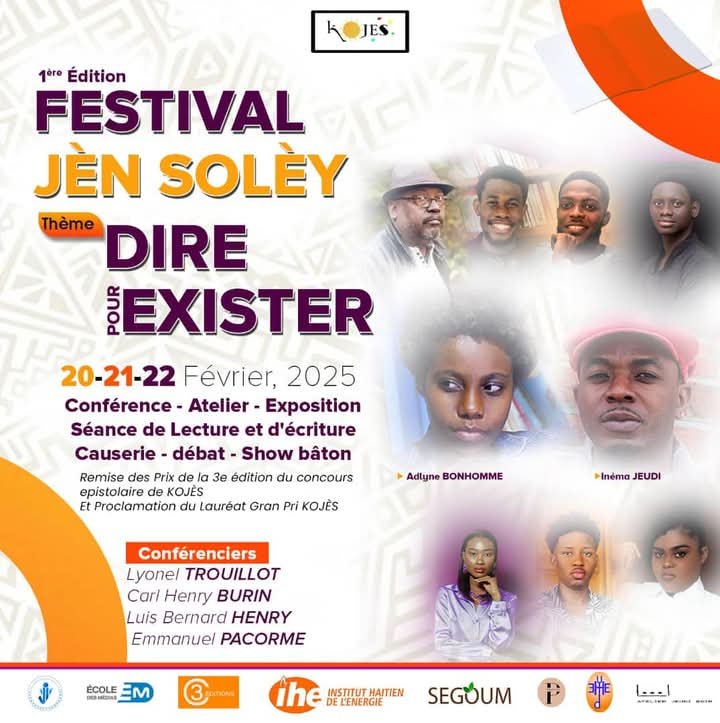
In an atmosphere of madness, at the Auditorium Saint Jean Marie Vianney de Galette-Chambon, where the laughs broke out, the music resounded, and the talents were dismented, started the second edition of the reading competition, around the theme "Ann Li pou n chanje peyi n ». This initiative, organized by the literary and philosophical club of Galette Chambon (CLPGACH) on Friday 06 October 2024, was marked by an overflowing passion within the public. The spectators came for several reasons: to support the applicants and live their presentations. The works, as "thus spoke of the uncle", "the vocation of the elite" of Jean Price Mars, "the ten black men" of Etzer vilary and "the courage to live in Haïti in the 21st century" of Hérold Toussaint, present innovative arguments linked to the societal context. They intertwine with folklore, Haitian culture, sociology and anthropology. These books are given to the applicants for a period of 15 days. Back, they come with their summaries and, after each presentation, in turn, reveal new perspectives on burning questions and delicate themes from works, while taking into account the concepts learned in public speaking. In this arena where the verve and the verb clash as well as logic, conviction, precision and clarity, it is a question of "saying all in a few words". The judgments are based on three criteria: the methodology concerning the substance and the form of the work; The eloquence which concerns verbal and non -verbal discourse (micro management, good pronunciation, etc.); And finally, an essential criterion: understanding. This is to assess whether the applicant has controlled the work. Questions can be asked without ignoring the context in which he lives. In addition, assistants have the opportunity to vote for the applicant who charmed them the most. This vote is precious at a higher level. Note that this vote can be made not only face -to -face but also online on our Facebook page CLPGACH. In addition, the public has always changed well through this trip to the universe of regional authors. The latter weave the frame and make vital the very repertoire of the competition vital, made up of impactful works such as "the price of irresponsibility" of Montuma Murat, "the return to citizen responsibility" written by Jean Jacquesson Thelucier and "Courage to live in Haïti in the 21st century "Professor Hérold Toussaint, to name a few. Although they died, some writers still live at the heart of our situation through their inheritance. Among them, it is necessary to quote: "the vocation of the elite" of Doctor Jean Price Mars, "the ten black men" of Etzer Villaire and "the Governor of the dew" by Jacques Roumain, as well as so many others . For this literary event to be moving and meets expectations for this second edition, many sacrifices are necessary on the part of the staff as well as the public which never leaves us alone. In this sense, we would like to thank them and call all those wishing to support this event. Indeed, if this competition is a solution found to advance together towards a common goal, its success depends on everyone’s commitment. About two years ago, the security climate in the area was not conducive to the completion of the competition. Although it is not yet ideal today, it is time to triumph over obscurantism and fight the dictatorship of ambient ignorance.

Share
About the Author
Moise Francois
Moise Francois
Moise Francois

Journalist editor, poet and apprentice lawyer.

See other articles from Moise Francois
Leave a comment

Recently Posted

Newsletter

Subscribe to our newsletter to stay informed of all our activities and news on Haiti.

Guédés: When Haïti celebrates its ancestors with color and fervor

Every November 1st and 2nd, Haïti comes alive with the colors black and purple to celebrate the Guédés, spirits venerated in the voodoo religion, symbols of a powerful bond between the living and the dead. Fascinating, indomitable and provocative, the Guédés form a true family in the pantheon of Haitian voodoo, where they are respected for their role as spiritual guides of the deceased to the afterlife. Led by iconic figures such as the legendary Baron Samedi and his companion Grann Brigitte, the Guédés embody the paradoxes of life and death. Each Baron has a unique personality: Baron Cimetière, Baron Kriminel, and Baron La Croix are the guardians of the souls that wander on the borders of the world of the dead. Together, they form a powerful and somewhat frightening presence, but one that is deeply rooted in Haitian culture. The Guédés are not like other voodoo spirits; they demonstrate their fearlessness in a spectacular way. Accustomed to death, they are fearless and are provocative: they eat glass, raw peppers, and coat their sensitive parts with rum and pepper. These gestures mark their indifference to danger and remind us that they have already known earthly life. They are thus psychopomps – these beings who lead the souls of the dead – and act as bridges between the world of the living and that of the dead. Some Guédés, like Guédé Nibo, wear black, purple, and white clothing, each with unique characteristics. They are many and varied: Guédé Fouillé, Guédé Loraj, Papa Guédé, and many others. These are the spirits who, each year, remind Haitians of the importance of remembering and honoring the deceased. The cult of the Guédés is not only religious; it is also cultural and historical. According to tradition, their spiritual territory, or “Fètomè” – nicknamed the “Country without Hats” – is a place where the souls of ancestors reside. According to stories, the origins of this cult go back to the Abomey plateau, the ancient capital of the kingdom of Dahomey, in Africa, where death and life coexist in a form of symbiosis. This celebration in Haïti even finds echoes in ancient history. The Romans also honored their dead with the “Fête des Lémuria”, which took place in February, to ward off spirits and restore peace between the world of the living and that of the deceased. For Haitians, honoring the Guédés is about accepting death as a part of life and celebrating the invisible bonds that unite us with those who have left us. It is also a way of resisting, because life, despite its challenges, must be celebrated in all its complexity and depth.


Launch of the Engagement Award: An Initiative to Honor and Encourage Young Leaders in Haiti

August 29, 2025, will mark two exceptional events: the eighth anniversary of Pierre Marc BAPTISTE’s commitment as a young leader and social and political activist, and the official launch of the Engagement Award. This unique initiative aims to honor and encourage young leaders, professionals, and academics for their dedication and active involvement in community life. The Engagement Award’s mission is to recognize youth leadership, promote civic engagement, and highlight inspiring role models capable of positively influencing an entire generation. Through this award, Pierre Marc BAPTISTE hopes to encourage young people to get involved in concrete actions aimed at solving community problems, reducing social inequalities, and strengthening civic participation. The first edition will be particularly symbolic. Eight young leaders from the Cité Soleil plain will be honored for the social and community impact of their initiatives. In a concrete gesture of solidarity and knowledge sharing, 200 books will also be donated to the Duvivier High School library in Cité Soleil, contributing to the education and training of future generations. With this award, Pierre Marc BAPTISTE reaffirms his belief that youth engagement is an essential lever for social and political change in Haiti. This is a unique opportunity to celebrate those who are taking action to transform their community, while inspiring other young people to follow the path of action and leadership. On August 29, 2025, Haitian youth will be honored, and a new tradition of recognition and inspiration will be established to promote civic engagement and responsibility throughout the country.

Recently Posted

History

History

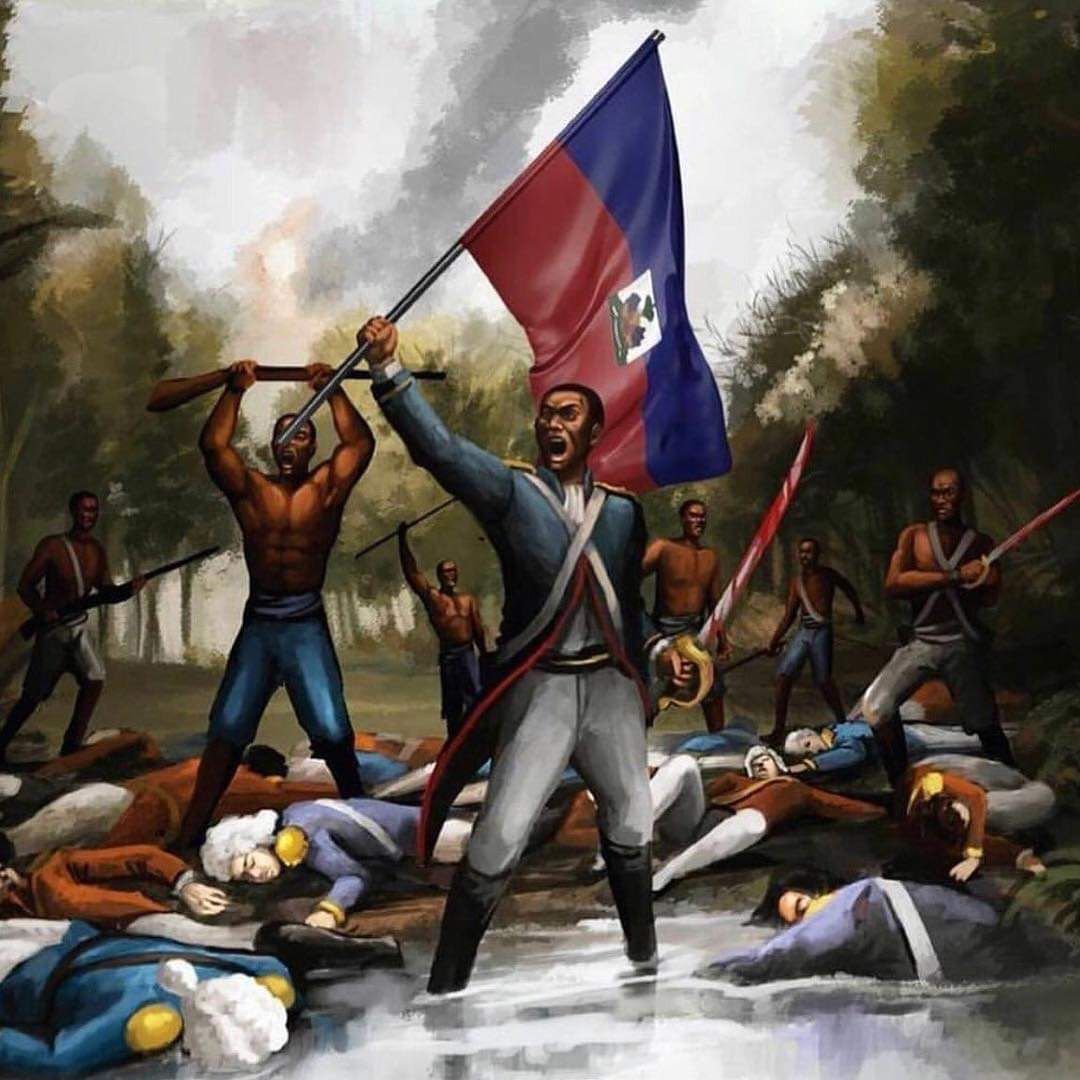
First black nation to free itself from slavery and gain independence from France in 1804 and influenced other liberation movements around the world, inspiring struggles for freedom and equality.

Natural beauty

Natural beauty

Haïti is blessed with spectacular natural landscapes, including white sand beaches, mountains and rich biodiversity.

Heritage

Heritage

Haïti has a rich historical heritage, including sites like the Citadelle Laferrière and the Sans-Souci Palace, listed as UNESCO World Heritage Sites.

Culture

Culture

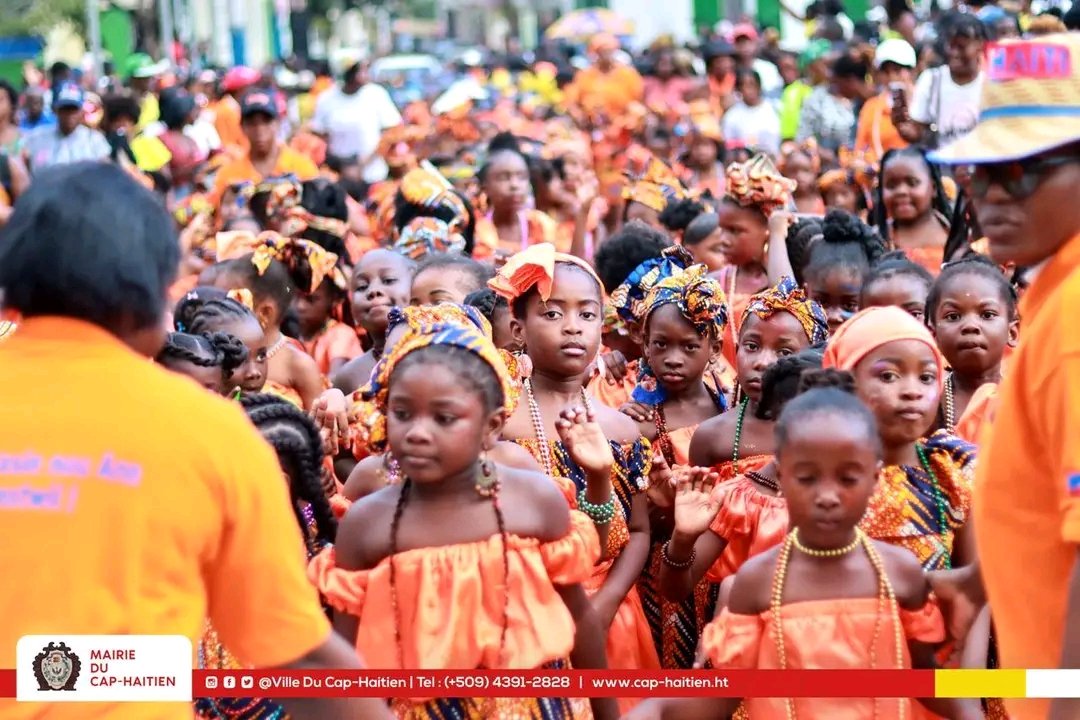
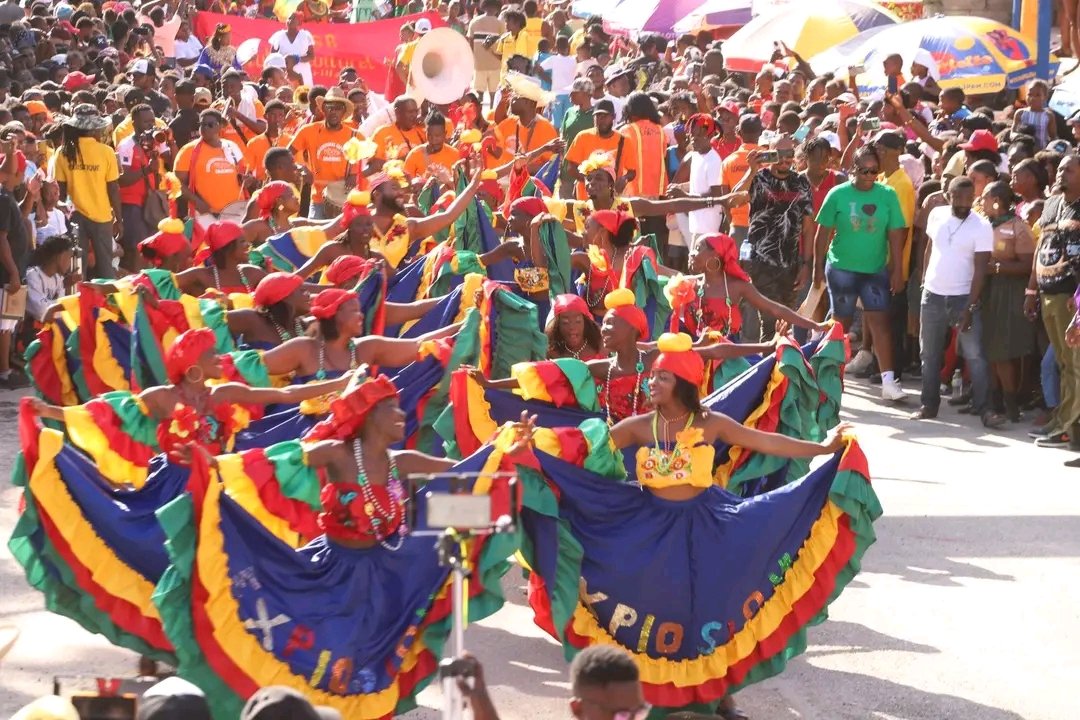
Haïti has a rich and diverse culture, influenced by African, European and indigenous elements. Haitian music, dance, art and cuisine are celebrated around the world.

  • +
    • Post