contact@haitiwonderland.com+509 36184317

Discover

Shopping Cart

The 50s parade in Cap-Haïtien for a historic anniversary

The 50s parade in Cap-Haïtien for a historic anniversary

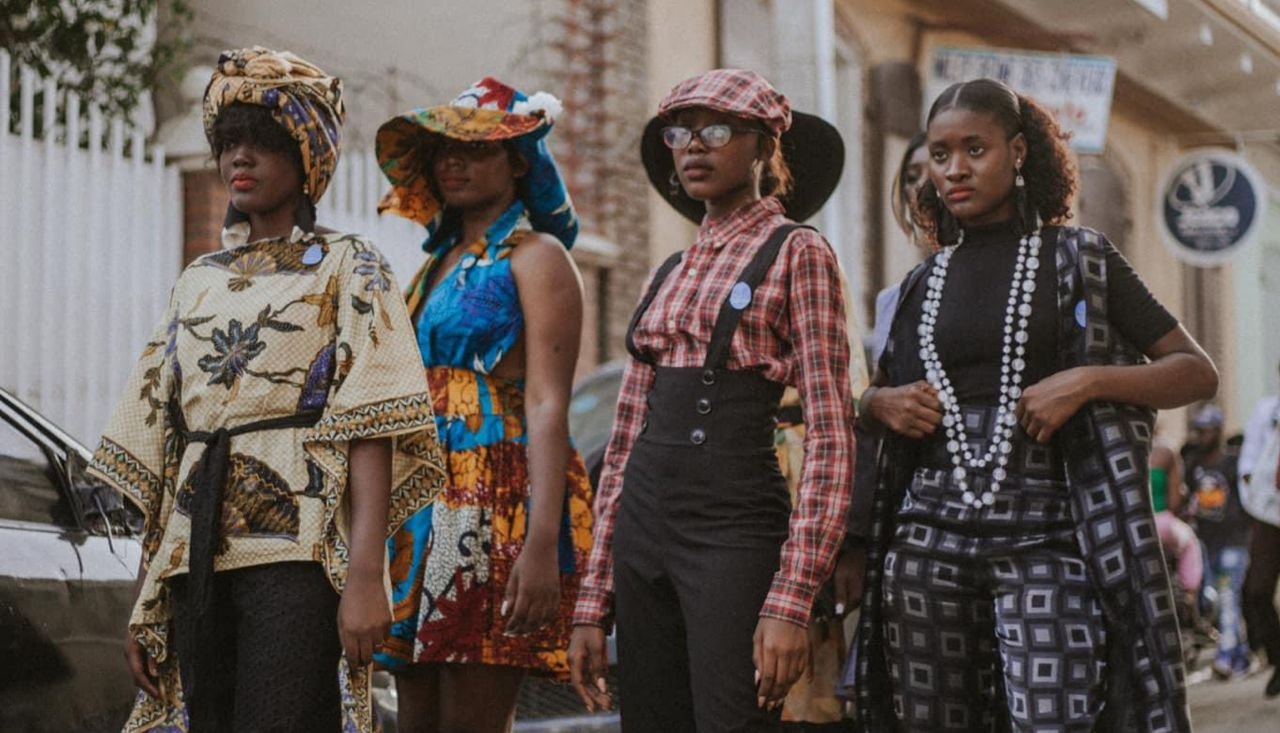
To mark the 345th anniversary of Cap-Haïtien, Okap Fashion Men is organizing an exceptional event: a fashion day dedicated to the 50s. This unique event immerses participants in the elegance of a bygone era, where sophistication and refinement were at the heart of fashion.

Haïti : Cap-Haïtien
Haïti : Cap-Haïtien
Haïti : Cap-Haïtien

A city full of history

Founded in 1679, Cap-Haïtien is one of the most emblematic cities in Haiti, often nicknamed the "Christopher City" in homage to Henri Christophe, a key figure in Haitian history. Its colonial architecture and cobblestone streets bear witness to a rich historical heritage, making this city a true open-air museum. It is in this context that the city is preparing to relive the atmosphere of the 1950s, a period when each item of clothing bore a symbol of class and distinction.

See as well

Haïti : Cap-Haïtien
Haïti : Cap-Haïtien
Haïti : Cap-Haïtien

An Immersion in 1950s Fashion

The event offers a total immersion in the fashion of the 1950s, a decade marked by impeccably cut clothing and luxurious fabrics. Participants are invited to wear outfits inspired by this era: for men, elegant suits and fedora hats; for women, fitted dresses and retro hairstyles. Every detail, from accessories to shoes, is carefully chosen to recreate the timeless elegance of this period.

Haïti : Cap-Haïtien
Haïti : Cap-Haïtien
Haïti : Cap-Haïtien

Fashion shows and retro atmosphere

The festivities include fashion shows highlighting vintage creations, accompanied by iconic music from the 50s.

Haïti : Cap-Haïtien
Haïti : Cap-Haïtien
Haïti : Cap-Haïtien

Celebrating history through fashion

This fashion day is not limited to sartorial nostalgia; it is also a celebration of the history and cultural heritage of Cap-Haïtien. By revisiting the styles of the 50s, the event recalls the importance of preserving and promoting the traditions that make this city so rich. For residents and visitors, it is an opportunity to reconnect with Cap-Haïtien’s glorious past, while celebrating its 345th anniversary with elegance and style.

This event will mark a highlight in Cap-Haïtien’s celebrations, combining fashion, history, and culture in a memorable experience that will remain etched in memories.

Share
About the Author
Faïly Anderson Trazil

    Medical student, software developer, UX/UI designer, and web writer.
    Driven by a deep passion for writing and digital innovation.

    Email: failyandersontrazil@gmail.com

    See other articles from Faïly Anderson Trazil
    Leave a comment

    Recently Posted

    Jean-Jacques Dessalines, leader of the Haitian Revolution

    In the annals of the history of Haiti, an island located in the Caribbean at the entrance to the Gulf of Mexico and shared with the Dominican Republic, Jean-Jacques Dessalines emerges like a phoenix from the ashes of oppression. Born a slave on September 20, 1758 in the home of Henri Duclos, in Cormier (Grande-Rivière-du-Nord), in the French colony of Saint-Domingue, Dessalines was a Creole of African (Afro-Caribbean) origin. Freed during the 1794 abolition achieved through slave revolts, actually served as an officer in the French army during the French Revolution. At that time, the ideas of freedom and equality were at the heart of the concerns of the inhabitants of the colonies. Dessalines actively participated in the fighting against the Spanish and British forces, alongside the French, in Santo Domingo. Having risen to the rank of Lieutenant General, Jean-Jacques Dessalines turned against the French during the Leclerc expedition, sent to Saint-Domingue by Bonaparte to reestablish colonial authority and slavery during the Haitian Revolution. After the capture and deportation of Toussaint Louverture to France on June 7, 1802, Dessalines assumed a leading role in continuing the struggle for independence. He led numerous battles, including the battle of Crête-à-Pierrot in March 1802, where he galvanized his soldiers with his famous declaration: “Let those who want to remain slaves of the French leave the fort, let those, on the contrary, who want to die as free men, line up around me.” On January 1, 1804, Jean-Jacques Dessalines achieved the long-awaited goal of independence by proclaiming Haïti as a sovereign nation, becoming the second country in the Americas to gain independence from a colonial power. He became the first leader of the newly formed nation and was named Emperor under the name James I. However, his imperial reign was marked by authoritarian and brutal policies, including the massacre of many white settlers and the redistribution of land to peasants that was in the hands of the generals of the independence army. In addition, he organized the hunt for delinquents in the city while implementing rigorous agrarian policies, considering that they represented a threat to the stability of the nation, these controversial actions caused divisions within Haitian society. Dessalines was assassinated on October 17, 1806 following a plot organized by some of his generals in the Haitian army. His death marked the end of his brief but influential period in power. Despite the controversies surrounding his methods, he is recognized as the main architect of Haiti’s independence and his name was honored in 1903 by being attributed to the Haitian national anthem, La Dessalinienne, composed by Justin Lhérisson.Finally, the great visionary man Jean Jacques Dessalines remains an emblematic figure in the history of Haiti, recognized for his role in the fight for independence and the end of slavery in the region.

    Newsletter

    Subscribe to our newsletter to stay informed of all our activities and news on Haiti.

    Recently Posted

    History

    History

    First black nation to free itself from slavery and gain independence from France in 1804 and influenced other liberation movements around the world, inspiring struggles for freedom and equality.

    Natural beauty

    Natural beauty

    Haïti is blessed with spectacular natural landscapes, including white sand beaches, mountains and rich biodiversity.

    Heritage

    Heritage

    Haïti has a rich historical heritage, including sites like the Citadelle Laferrière and the Sans-Souci Palace, listed as UNESCO World Heritage Sites.

    Culture

    Culture

    Haïti has a rich and diverse culture, influenced by African, European and indigenous elements. Haitian music, dance, art and cuisine are celebrated around the world.

    • +
      • Post