Montreal celebrates the 100th anniversary of the birth of King Coupé Cloué and Queen Celia CruzMontreal celebrates the 100th anniversary of the birth of King Coupé Cloué and Queen Celia Cruz
Montreal celebrates the 100th anniversary of the birth of King Coupé Cloué and Queen Celia Cruz
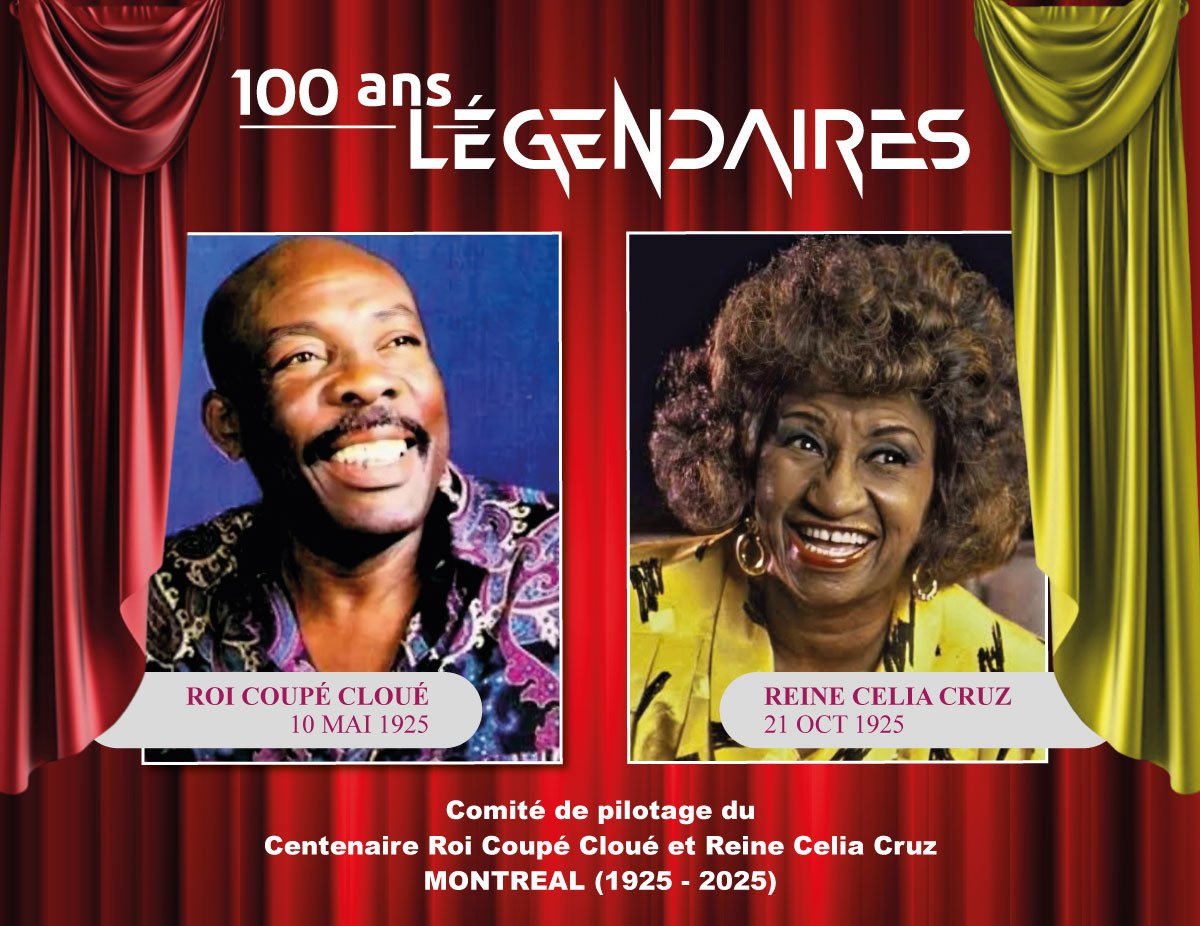
The Légendaires collective, based in Montreal, announces the celebration and commemoration of the 100th anniversary of the births of Coupé Cloué and Celia Cruz, born on May 16th for Coupé Cloué and October 21st for Celia Cruz. This highly deserved gesture of appreciation for these two major figures of Caribbean music is a demonstration of the bright legacy they left behind after their time on this earth. When referring to their contributions to the musical world and the magnificent symbolism their voices represent for their respective countries, this commemoration is indeed an opportunity to celebrate their identity alongside their music.
The main events scheduled for this commemoration will take place on February 28th, May 10th, and October 18th. The event on February 28th at the Maison d’Haïti located at #3245, Émile-Journault Avenue will mark the launch of the celebrations honoring both artists. There will also be a Gala on May 10th in honor of King Coupé and October 18th in honor of the Cuban Queen.
The organizational committee for the 100th Legendary Anniversary is composed of well-known personalities in Montreal’s Haitian community. The general coordination is handled by Ronald Osias, Myriame Brès, and Yanick Joseph. The treasurers are Cynthia Gabriel and Willaine Juliassaint, while the artistic coordination includes Philippe Fils-Aimé, Ronald Osias, and Jean Pierre Moutou. The communications and public relations department is managed by Raymond Laurent, Murielle Baron, Ludwy René, and Fritzner Pierre, with secretariat and logistics handled by Yanick Pierre-Louis and Marcelin Désir. Me François Moïse is the press officer in Haiti. Volunteer members include Fedrick Pierre, Barbara Jean, Guerdie Monfiston, Caleb Desrameaux, and Jeff Wainwright. Additionally, the volunteer artists are Barbara Ruiz, Ernst Mildort, Mixsy Lova, Mireille Philosca, Yanick Joseph, Tactic Polo, and Jean Pierre Moutou. The initiative is led by the Agency for the Promotion of Culture and Arts S.E.N.C., headed by Ronald Osias, with the support of immediate partners such as: The Arts and Memory Collective, Maison D’Haïti, ADMCN Agency, Rigaud Benoit Foundation, the 911 organization, Samedi Midi Inter Program, Imaj-La Média, Kulturmania Productions, PBS Haïti Radio, Haitian Television of Montreal, Cosmeme, Caspag Club, and haitiwonderland. All these people and businesses, along with numerous volunteers, have united behind this noble idea to ensure the success of the events taking place as part of this commemoration.
Simply linking these two great names of Caribbean music is a significant achievement. Queen Celia, a Cuban who lived much of her life in the United States, never abandoned her attachment to her native Cuba. On the other hand, King Coupé Cloué is one of the most qualified voices to represent Haïti in the musical field. The salsa of the queen, less danced in Haiti, and the compas of King Coupé, not particularly popular in Cuba either, are both connected through the warmth of the Caribbean found at the heart of their creations. And Caribbean unity is made possible thanks to King Coupé and Queen Celia, with this encounter taking place in Montreal on February 28. The fact that both of these figures were born in the same year (1925) offers a unique opportunity to celebrate them, and the Légendaire collective has certainly seized that opportunity.
The fact that this commemoration takes place in Montreal, Canada, is a serious symbol of the influence both artists have on their respective diasporas. It is also a declaration that Caribbean music (as with all other music in the world) creates encounters, and has the power to form universal bridges that can connect Caribbean cultures with the rest of the world.
Compared to other cities around the world, Montreal is a major crossroads where cultures meet. It is a city that represents the world as a whole. While there is a large Haitian and Cuban community in this great city, it is certain that this event will also be an opportunity for compas music to open up to other communities in order to win their hearts.
An Opportunity to Discover the Rich Legacies of the Two Legends
On the occasion of this commemoration, it is fitting to recall the immense legacy these two great musical personalities left behind. Queen Celia’s hits, such as "Bemba Colorá", "Quien Será", "La Vida es un Carnaval", "Yo Viviré", and on his side, Coupé Cloué’s classics such as "Coupé Cloué", "Yeye", "Map di", "Myan Myanm", "Fanm kolokent"... continue to bring joy today and inscribe the happiness that music brings to our minds.
This celebration, which will take place on the dates mentioned above, also has an extraordinary significance in the sense that it gives the past its rightful place. It is a way of affirming that by drawing inspiration from the past, we can best build the future. The Cuban queen and Haitian king are clear examples of Caribbean excellence. To elevate them is to honor their countries (as they marked the history of their countries with their music) and their cultures of origin, while opening the field to inspire today’s youth to follow in their footsteps, for the well-being of millions of music lovers around the world.
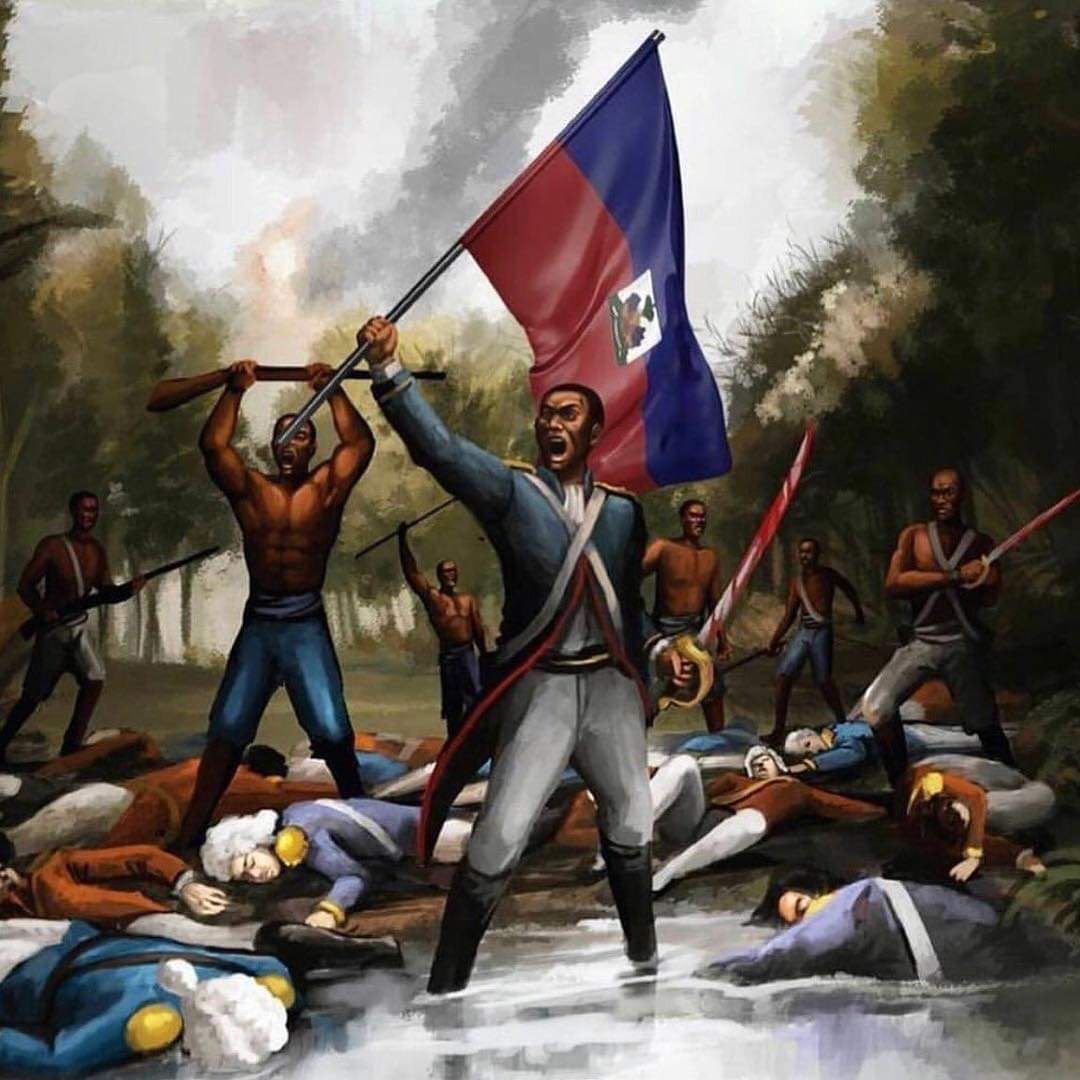
First black nation to free itself from slavery and gain independence from France in 1804 and influenced other liberation movements around the world, inspiring struggles for freedom and equality.
Natural beauty
Haïti is blessed with spectacular natural landscapes, including white sand beaches, mountains and rich biodiversity.
Heritage
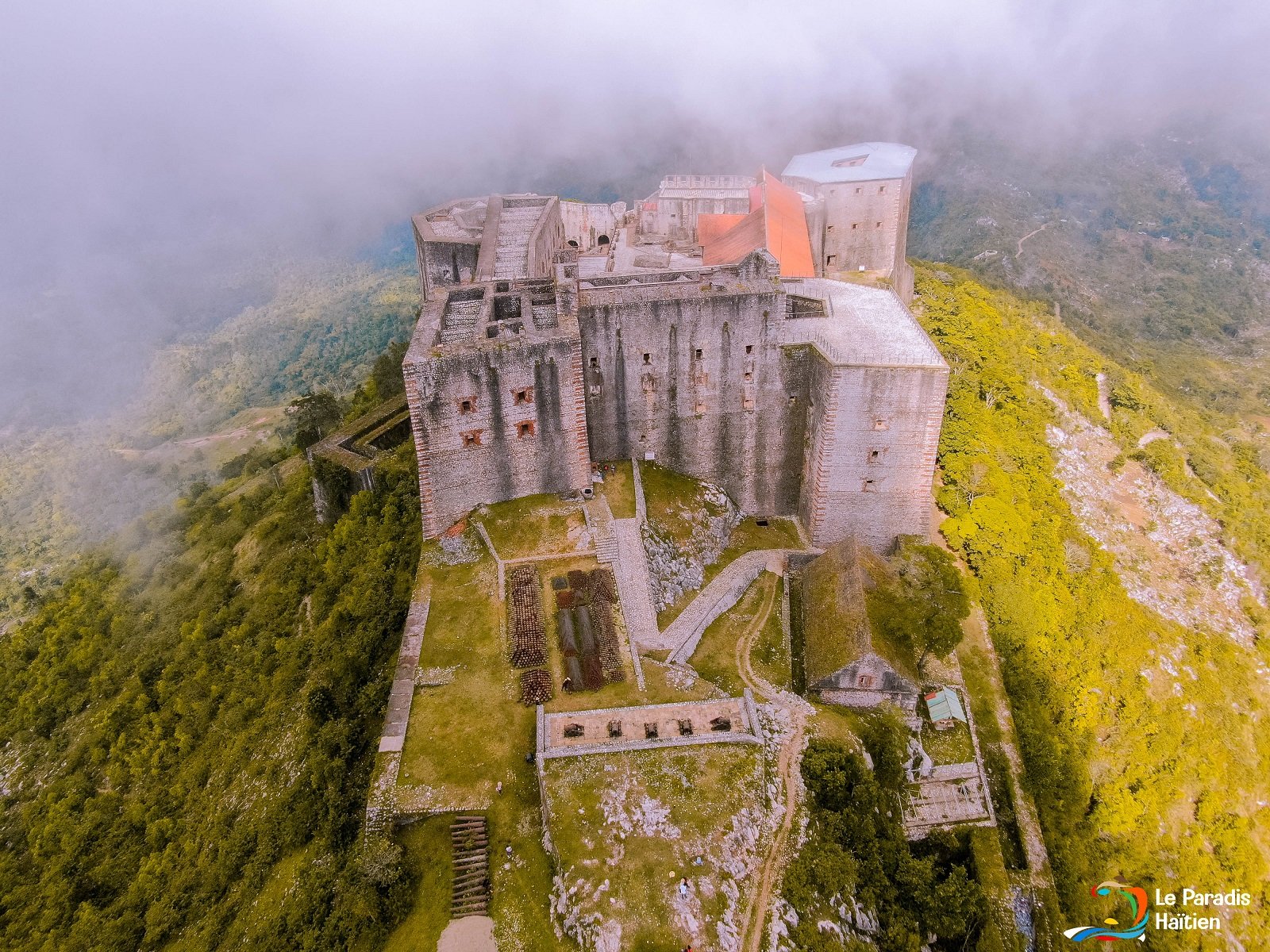
Haïti has a rich historical heritage, including sites like the Citadelle Laferrière and the Sans-Souci Palace, listed as UNESCO World Heritage Sites.
Culture
Haïti has a rich and diverse culture, influenced by African, European and indigenous elements. Haitian music, dance, art and cuisine are celebrated around the world.