contact@haitiwonderland.com+509 36184317

Discover

Shopping Cart

What was the old name of Haiti? A look back at its past

What was the old name of Haiti? A look back at its past

The history of Haïti is closely linked to the different names that this land has had over the centuries. These names reflect the eras and influences that have marked the island, from the time of the indigenous peoples to independence. Let’s explore the old names of Haïti and their historical significance.

Ayiti: the original name of the Taino

Before the arrival of the Europeans, the island was inhabited by the Taino, an indigenous people who called it Ayiti, meaning "land of high mountains" or "mountainous country".

- A tribute to nature: This name highlighted the imposing mountains and green landscapes of the island.
- A cultural symbol: For the Taino, Ayiti embodied their harmonious way of life with nature and their deep attachment to the land.

This name is the historical root of the word “Haiti,” which would later be re-adopted as a tribute to indigenous heritage.

Hispaniola: The Spanish Colonial Period

In 1492, Christopher Columbus landed on the island and renamed it Hispaniola or La Española, meaning “Little Spain.”

- A reflection of Spanish ambitions: The Spanish saw Hispaniola as a symbol of their dominance in the New World.
- A historical turning point: The island became one of the first points of contact between Europe and the Americas, marking the beginning of the colonial era.

This name referred to the entire island, now shared between Haïti and the Dominican Republic.

Saint-Domingue: French Heritage

In the 17th century, the western part of the island came under French control and was renamed Saint-Domingue.

- A center of wealth: Saint-Domingue became one of the most prosperous colonies thanks to the export of sugar, coffee and indigo.
- A place of struggle: It was also under this name that the island was the scene of the Haitian Revolution, which led to independence in 1804.

The name Saint-Domingue remains associated with the economic apogee of the colony, but also with its brutal slave system.

Haiti: Back to the Origins

On January 1, 1804, after the victory of the rebellious slaves against the French army, the island reclaimed its indigenous name, Haiti, to mark a historical turning point.

- A symbolic choice: This return to “Ayiti” was a way to reject colonial names and pay homage to the island’s first inhabitants.
- A sign of independence: The choice of Haïti affirmed the freedom and unique identity of the world’s first independent black republic.

Since then, Haïti has embodied both its tumultuous past and its legacy of resilience.

The importance of names in Haiti’s history

Haiti’s various names Ayiti, Hispaniola, Santo Domingo tell the story of its inhabitants and the transformations the island has undergone.

- Ayiti: A land of mountains and indigenous peoples.
- Hispaniola: A territory at the heart of European expansion.
- Santo Domingo: A prosperous colony marked by struggles for freedom.

Today, the name Haïti symbolizes the continuity of a rich and complex history, while carrying the hope for a better future.

A strong identity through the ages

A look back at Haiti’s ancient names reveals a fascinating tale of courage, survival, and transformation. Each appellation is a window into a different era, but all converge on the pride and unity of a people determined to preserve their identity.

What does the name Haïti mean to you? Share your thoughts and let’s celebrate this nation with an exceptional past.

Share
About the Author
Appolon Guy Alain
Appolon Guy Alain
Appolon Guy Alain

Full Stack Developer, Créatif, expérimenté, passionné des nouvelles technologies et de l’art.

See other articles from Appolon Guy Alain
Quisqueya La Bella

Why would you start an article which speaks about our people’s relentless fight against colonialism with not calling our land by its indigenous name? Quisqueya, Ayti not Hispañola Why would you start an article with the spirit of defeat? Although I do give much love to Ayti for naming our land after our Ancestors did. Thank you for that.

April 24, 2025 - 07:37:50 AM
osesite

8493152186

December 09, 2025 - 03:31:11 PM
Leave a comment

Recently Posted

Pap Jazz 2025, a Celebration of Haiti’s Great Musical Richness

On Sunday, April 6, 2025, the Karibe Convention Center in Juvenat transformed into a true cultural temple to close the 18th edition of the Port-au-Prince International Jazz Festival (PAPJAZZ). This year, the festival took place under the evocative theme "PAP JAZZ it UP", and it was held in three sites primarily located in the Pétion-Ville commune. The festival took place entirely at these wonderful musical venues: a reference was made to the Latin Quarter, the Haiti-Brazil Cultural Center, and the Karibe Hotel. Due to the deteriorating situation in downtown Port-au-Prince in recent times, the French Institute site had to be abandoned by the festival organizers. Nevertheless, we can absolutely call this 18th edition of Pap Jazz a success. Indeed, this festival, now a major event of the Haitian year, was especially marked this year by the great resilience and determination of the organizers who were able to adapt to the country’s rhythm in order to satisfy their loyal festival-goers. Despite the difficult context, these festival-goers did not miss the opportunity to escape their harsh daily lives through music. It’s also important to note that this 18th edition of Pap Jazz took place after two postponements, at the very beginning of this year, with the last one occurring in March due to insecurity. In this regard, it is appropriate to call the monumental achievement of the Haïti Jazz Foundation and their partners an exceptional feat, as they were not discouraged and showed remarkable tenacity, while adapting to offer Port-au-Prince and its surroundings this moment of growth, beyond the city’s great sorrow, through music.

Newsletter

Subscribe to our newsletter to stay informed of all our activities and news on Haiti.

Haiti, dream space.

Between dream and Haitian reality: A call for unity and action Many men have dreamed big for Haiti. Toussaint Louverture and Jean Jacques Dessalines are examples. Although torn apart by invisible hands, the social fabric of the country had always been considered the greatest project to be set in motion by men of letters. Until then, the history of Haïti remains and remains for Haitians the most appropriate space to dream and propose full and complete freedom. Indeed, Toussaint Louverture had the dream of improving the lot of slaves. Dessalines, for his part, sacrificed himself for the independence of our island (Haiti-Saint-Domingue). After our liberation from the French, men of letters had to take other paths to safeguard the dignity of the country. This situation showed another form of revolution like poets of the patriotism school with supporters such as: Louis Joseph Janvier, Anténor Firmin, Demesvar Délorme and the Generation of the Round with Fernand Hibbert, Georges Sylvain also the indigenous school with Jean Price Mars, Jacques Stephen Alexis, Roussan Camille etc... who express their discontent by pouring ink. By describing or painting the situation of the country. Several years which were first conceived and then born the idea of ​​giving the country its sovereignty, its own bicolor, its army, etc. it was not easy and did not continue like this. Haïti needs for the moment men of dreams, men who love their countries, but not the wealth of this country, men who love the happiness of their country, but not its misfortunes, men who have viable projects , but are not specialists in carnage who are only interested in their pockets, rather for the happiness of our two-tone, men who must fight against corruption, against waste, against the invisible hands of foreigners, against this form of public administration which targets only a small group of people in the country to the detriment of the population, this form of insecurity planned by the state, the so-called bourgeoisies, economic powers from abroad such as: France, USA, Canada, Brazil. q~Haïti in 1979 with full power. Maître Fevry is said to have declared: The dream of Haïti cannot support, nor accept improvised solutions ~q. The Haitian’s dream must always be a team effort. A team of men of skill, vision, good will, reflection and meditation. q~ Men who can place their personal and private interests over public interests. Men who want to make a new start to achieve the dream of Jean Jacques Dessalines and that of Henri Christophe who aimed that Haitians will not envy any other country in the world so that all Haitians can be happy in their own country, chanted Professor Lesly Saint Roc Manigat.~q Our dear Haiti, which was once the pearl of the Antilles, is no longer present today. For this we ask all Haitians: children, young people, adults and old people, let us unite our arms, our strength, our voices and all that we could do to liberate our dear homeland Haïti Chérie. Let’s change our reality together! Long live Haiti, long live freedom for the whole world.

Recently Posted

History

History

First black nation to free itself from slavery and gain independence from France in 1804 and influenced other liberation movements around the world, inspiring struggles for freedom and equality.

Natural beauty

Natural beauty

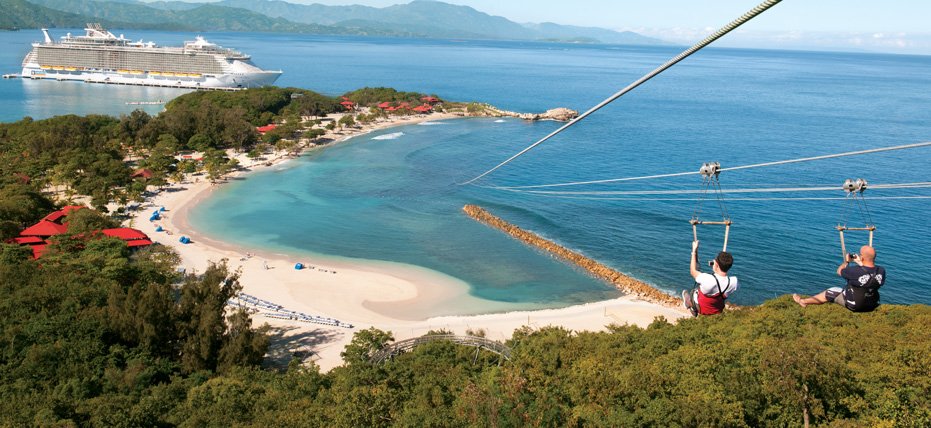
Haïti is blessed with spectacular natural landscapes, including white sand beaches, mountains and rich biodiversity.

Heritage

Heritage

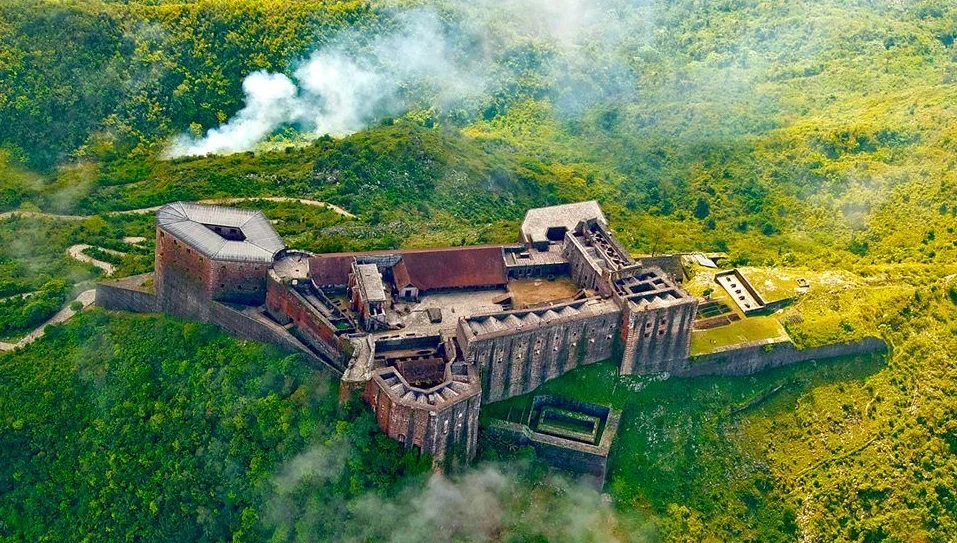
Haïti has a rich historical heritage, including sites like the Citadelle Laferrière and the Sans-Souci Palace, listed as UNESCO World Heritage Sites.

Culture

Culture

Haïti has a rich and diverse culture, influenced by African, European and indigenous elements. Haitian music, dance, art and cuisine are celebrated around the world.

  • +
    • Post