Article 1 of the Haitian Constitution: The 6 Terms that Define the Republic of HaitiArticle 1 of the Haitian Constitution: The 6 Terms that Define the Republic of Haiti
Article 1 of the Haitian Constitution: The 6 Terms that Define the Republic of Haiti
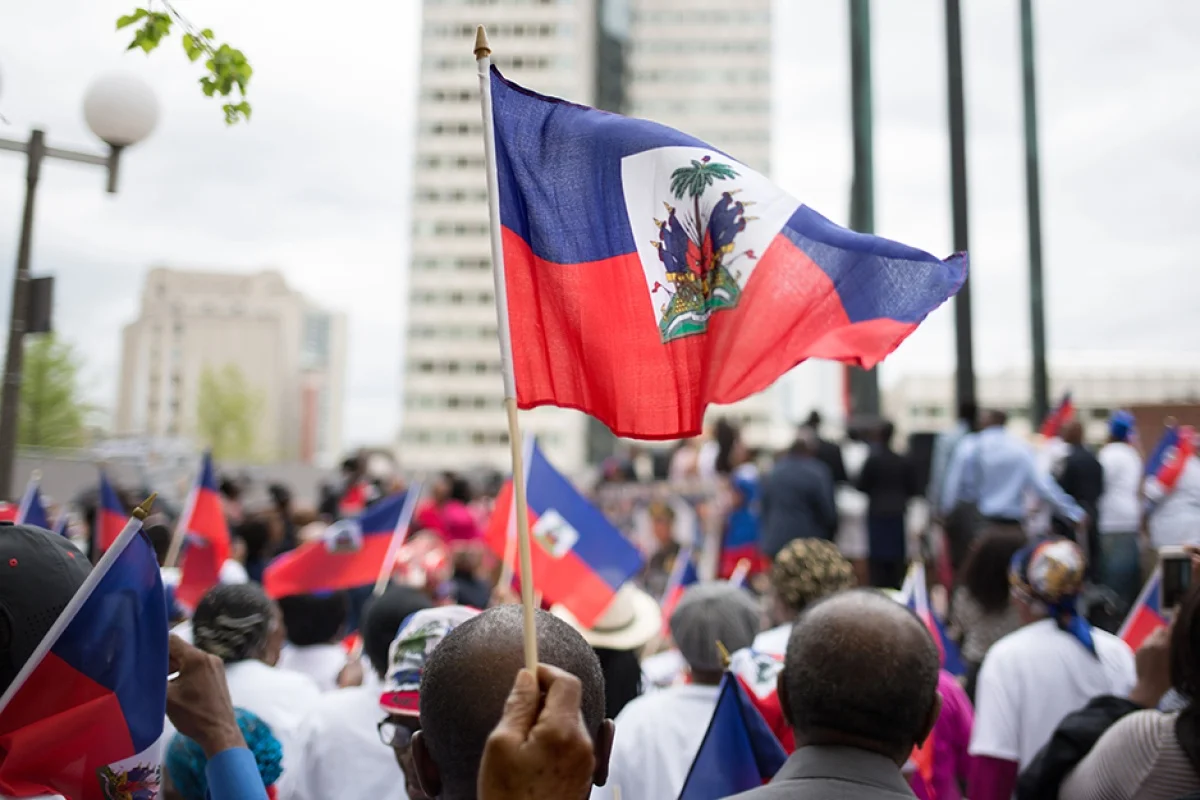
Article 1 of the Haitian Constitution of 1987, amended in 2011, establishes the foundations of national identity. In one concise but powerful sentence, it states that Haïti is an indivisible, sovereign, independent, free, democratic and social Republic. These six terms reflect the fundamental values and collective aspirations of the Haitian nation, forged through a rich and tumultuous history.
ARTICLE 1: Haïti is a Republic, indivisible, sovereign, independent, cooperative, free, democratic and social.
Let’s discover the meaning and importance of each of these principles in the context of the Republic of Haiti.
Indivisibility ensures that Haïti forms a whole, unified and inseparable. This means that its territory, its people and its government cannot be divided, neither by internal conflicts nor by external influences.
- Key figure: Haïti has 10 administrative departments, but they all operate under a single national entity.
- Concrete example: The national motto, "Unity is Strength," illustrates this commitment to unity.
Sovereignty symbolizes political independence and Haiti’s ability to govern without foreign interference. Since its declaration of independence in 1804, Haïti has remained a model of resistance and self-determination.
- Key figure: Haïti is the first sovereign black republic in the world.
- Historical fact: The Battle of Vertières in 1803 marked the defeat of the Napoleonic army and affirmed Haitian sovereignty.
Being independent means that Haïti is free from any foreign domination. This independence was won through the Haitian Revolution, a movement that overturned the colonial and slave systems of the time.
- Notable fact: Haïti inspired other nations fighting for independence, particularly in Latin America.
- Key figure: January 1, 1804 official date of the declaration of independence.
Freedom is at the heart of Haitian values. This principle guarantees that every citizen enjoys fundamental rights and freedoms, including freedom of expression, worship and association.
- Concrete example: Haïti is a country where different religions coexist harmoniously, including Catholicism, Protestantism and Voodoo.
- Key figure: More than 500,000 slaves were freed thanks to the Haitian Revolution.
As a democratic republic, Haïti values citizen participation in political decisions. Although the country has experienced periods of turbulence, the democratic ideal remains an essential objective.
- Notable fact: The first universal democratic elections were held in 1990.
- Key figure: Haïti has approximately 7 million registered voters.
The social character of the Republic emphasizes the reduction of inequalities and the promotion of collective well-being. This includes initiatives to improve education, health, and living conditions for citizens.
- Concrete example: Community programs aim to strengthen infrastructure and reduce poverty.
- Notable fact: Approximately 60% of the Haitian population depends on agriculture for their livelihood, highlighting the importance of social policies.
An article that embodies the essence of Haiti
Article 1 of the Haitian Constitution is much more than a legal text. It is a declaration of the values and aspirations of a nation proud of its history and identity. These six terms indivisible, sovereign, independent, free, democratic, and social encapsulate the vision of a unified, strong, and resilient Haiti.
By celebrating these principles, every Haitian is called to contribute to a Republic that honors its past while building a promising future.
Share
About the Author
Appolon Guy Alain
Appolon Guy Alain
Full Stack Developer, Créatif, expérimenté, passionné des nouvelles technologies et de l’art.
First black nation to free itself from slavery and gain independence from France in 1804 and influenced other liberation movements around the world, inspiring struggles for freedom and equality.
Natural beauty
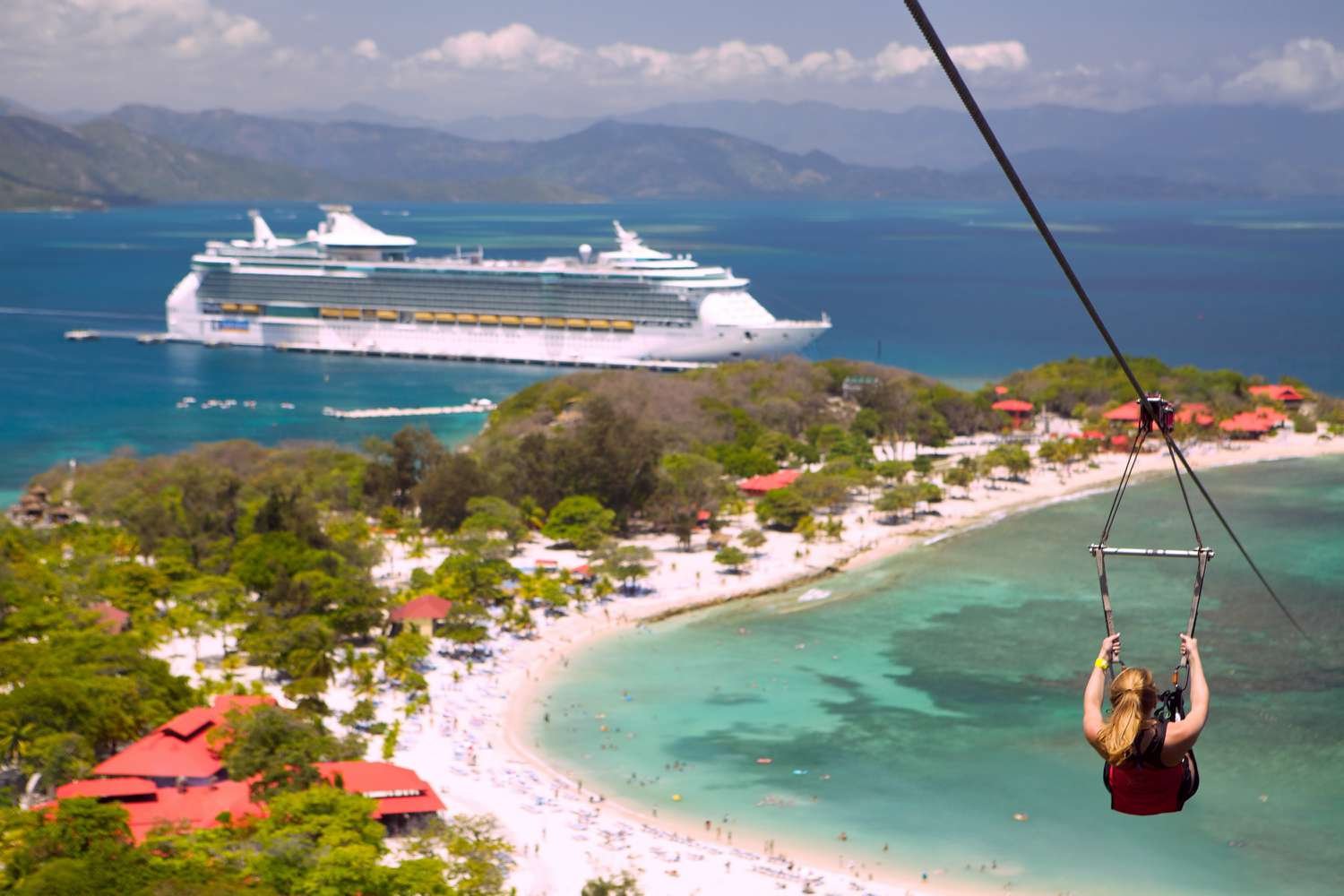
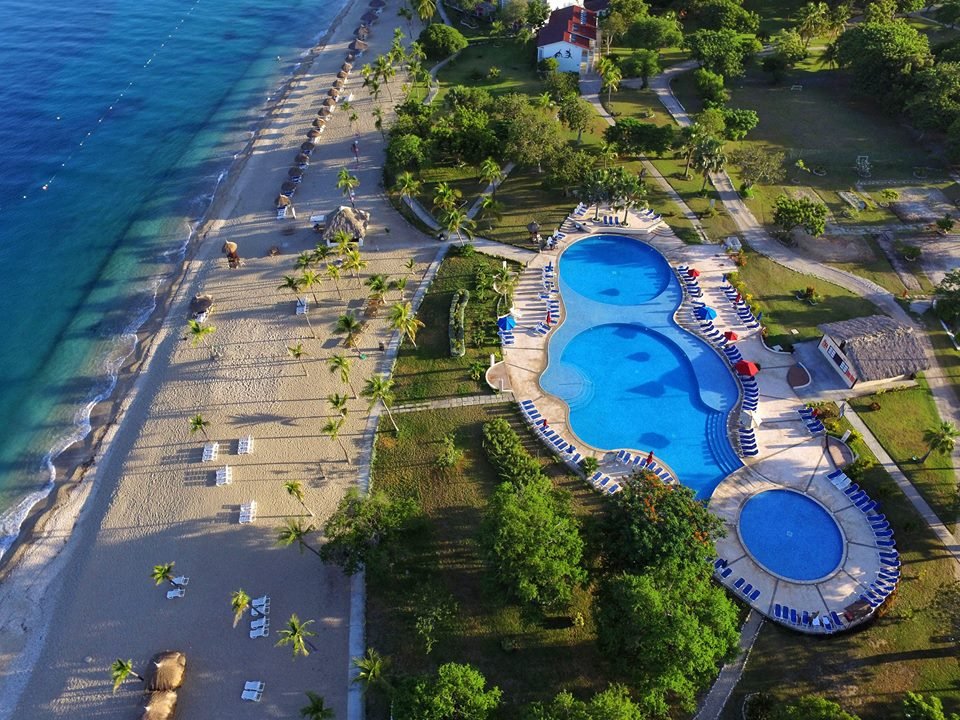
Haïti is blessed with spectacular natural landscapes, including white sand beaches, mountains and rich biodiversity.
Heritage
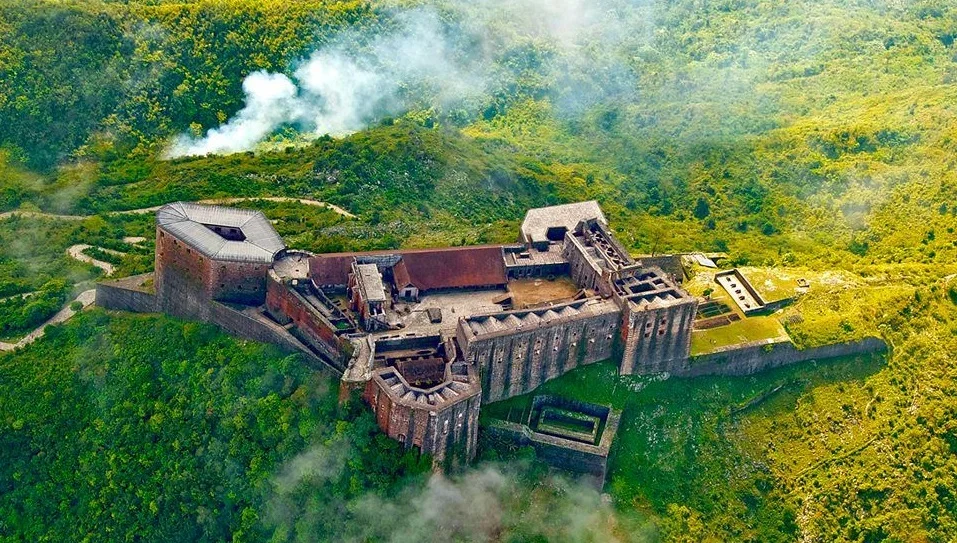
Haïti has a rich historical heritage, including sites like the Citadelle Laferrière and the Sans-Souci Palace, listed as UNESCO World Heritage Sites.
Culture
Haïti has a rich and diverse culture, influenced by African, European and indigenous elements. Haitian music, dance, art and cuisine are celebrated around the world.