


NexoCash Haiti: The Virtual Card Revolution for Everyone
In a world where digital transactions are becoming essential, NexoCash Haïti is establishing itself as an essential solution for anyone looking to send or receive money with ease.

On Thursday, October 24, 2024, the Center for Political and Diplomatic Studies, CEPOD, launched its Diplomatic Fortnight via a summit that took place at the Montana Hotel in Pétionville. The event took place under the theme of Haiti’s place in globalization, and in the presence of an audience of distinguished guests. consisting of public authorities such as the current Haitian Prime Minister, Dr. Garry Conille (Honorary President of the summit); his Minister Delegate for Humanitarian Affairs, Mr. Herwil Gaspard; Foreign diplomats, among whom we can cite the Canadian Ambassador, Mr. André François Giroux (Guest of Honor of the summit); Dr. Christian Mouala, Country Director of UNAIDS Haiti, and a group of other public figures (such as sociologist Daniel Supplice), members of the press, such as senior journalist, Rotchild François Junior and students of all kinds.
The publishing house Csimon Publishing, led by Dr. Cherlin Simon, is excited to announce the creation of a subsidiary of Csimon Publishing in Haiti. Indeed, a management team, aimed at strengthening its approach to young Haitian authors, has been set up by the parent company, located in Virginia, United States. The goal of this initiative is to better support its authors, particularly the younger ones, offering them reliable assistance to foster their creativity and help them thrive. The committee is also in place to better coordinate the publishing house’s actions in their favor. This aligns perfectly with Csimon Publishing’s vision to actively contribute to the elevation of Haitian literary culture on a global scale, while highlighting Haitian talents and creating a bridge between Haïti and the rest of the world, which constitutes global culture. It is worth noting that among the more than 150 works already published by Csimon, most are works by Haitian authors living in Haiti.
René Depestre had his very first encounter with the Haitian sun on August 29, 1926 in Jacmel, a large coastal city in the southeast of Haïti that welcomed his birth. He completed his primary studies with the Brothers of Christian Instruction in Jacmel. After his father’s death in 1936, he left his mother and brothers and sisters to live with his maternal grandmother. He completed his secondary studies at the Alexandre Pétion high school in Port-au-Prince in 1944. Today, he resides in France, his country of naturalization for several decades, and remains an immense creative, intellectual spirit and great witness to a very important era in the history of men.
Traditional Haitian dance is rich in history and meaning. It constitutes an essential part of Haitian culture. Practiced during various celebrations such as festivals and religious ceremonies, it is in its essence, a vibrant testimony to the resilience and creativity of a people whose roots are deeply immersed in a fascinating past. Through its rhythms, movements and costumes, this dance tells stories, celebrates traditions and unites entire generations of Haitians.
Haïti is a true powerhouse in today’s literary world. For centuries, the country has been endowed with remarkable intellectual wealth that has led to exceptional achievements. Today, with more than 20 major active writers, whose works resonate far beyond Haitian borders, Haïti is one of the countries with the highest number of writers per capita. Among these writers, we can mention Edwige Danticat, Pulitzer Prize winner; Louis-Philippe d’Alambert, Goncourt Prize for Poetry in 2024; René Depestre, Goncourt Prize for Novels in 1982; Dany Laferrière, Renaudot Prize winner and member of the French Academy; Lyonel Trouillot and Frankétienne, globally known for their works; not to forget the current star of Haitian literature, finalist of the 2022 Goncourt Prize with his masterpiece Une somme humaine, referring to Makenzy Orcel. These names stand alongside legendary figures such as Jacques Roumain, Anténor Firmin, Jacques Stéphen Alexis, and Oswald Durant, forming significant marks on world culture through their writings. Today, this literary tradition continues to nourish new talents, but one problem persists: the absence of serious and well-structured Haitian publishing houses in sufficient quantity to support these young authors.
On Saturday, July 27, the Pyepoudre cultural center, located at number 312 on the road to Bourdon, was transformed into a real creative hive thanks to the initiative of the Cultural Association Salon du Livre de Port-au-Prince entitled ’’Living in prose and poetry’’. This event, placed under the theme "from Haiti, a country that lives in us", fully kept its promises. Bringing together young talents from all walks of life to express their genius through song, rap, slam, dance and poetry. This artistic event was a great success with a young audience who came in large numbers to follow the activity. It also highlighted the growing commitment of Haitian youth to culture.
The second edition of the Port-au-Prince Book Fair is scheduled for Friday, December 13, 2024, at the premises of the French Institute in Haiti, from 9 a.m. to 3 p.m. "Politics, dictatorship and literature in Haiti" is the theme chosen for this second edition. "We chose this theme because of the senior authors who should be with us for this edition. These themes are very present through their works," Emmanuel Pacorme, general coordinator of the organization behind the fair, told us. Indeed, this great literary celebration, which is mainly for the benefit of young authors, will be delighted with the presence of three of the greatest contemporary Haitian writers, a reference to the immortals Marc Exavier, Évelyne Trouillot and Dédé Dorcely.
In 2025, the name Jephte Estiverne echoes ever louder in the Haitian literary world. A poet, linguist, and trained sports journalist, this young author with a meteoric rise, originally from Carrefour-Feuilles, is establishing himself as one of the most promising voices of his generation. Through personal insights and reflections, he shares his journey, his relationship with writing, his vision of the country, literature, and poetic commitment.
Haiti, with its unique history and vibrant culture, is a country where language plays a central role in national identity. Haiti’s primary language is Haitian Creole, a rich and expressive language that reflects the country’s cultural mix. Although French is also an official language, Creole is spoken by almost the entire population and is a fundamental part of daily life. In this article, we will explore the origins, uses, and importance of Creole in Haiti.
Haïti is a small country located in the Caribbean, but what continent is it actually on? Although Haïti is often associated with tropical islands and paradise vacation destinations, its geographical location makes it a key part of the American continent. Let’s explore Haiti’s geographical location and its relationships with other nations in the Americas.
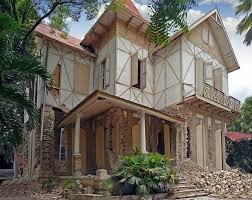
Jacmel is a city located on the southern coast of Haiti, specifically in the southeastern department. To this day, the city is known for its well-preserved colonial architecture and rich historical heritage, as well as its carnival, one of the most famous in the Caribbean. Jacmel is one of the oldest cities in Haiti. Its origins, according to some historians, trace back to the time of the Taíno people, the island’s first inhabitants, who lived here long before the arrival of Christopher Columbus and his settlers in 1492. Long before it became Jacmel, this city in southeastern Haïti was called Yakimel. The renaming of Jacmel was carried out by the French during their colonization of the western part of the island of Hispaniola. Over the years, Jacmel has transformed into a city where living well blends with the beauty of the sea, in the hearts of its visitors. Nature is fully embraced here, and the sea remains a source of joy throughout the day. Jacmel offers all of this, in addition to its glorious past, which anchors it as a major location in Haiti’s grand history. With its unique charm, Jacmel is among the Haitian cities that can leave a lasting impression. In the 1950s and 60s, until the early 1980s, Jacmel was one of the most popular tourist destinations in the Caribbean due to its reputation as a city with unmatched natural beauty and grace. During this time, the Jacmel coastline warmly welcomed cruise ships filled with tourists from all corners of the world. It was also during this period that Jacmel was one of the most commercially active cities in Haiti, among the country’s most economically flourishing, thanks to the significant influx of tourists.
Haiti, a jewel of the Caribbean where history, culture and nature meet to create an unforgettable experience. Whether you are passionate about adventure, relaxation or cultural discovery, Haïti offers a variety of activities that will captivate your heart. Here are 10 essential things to do in this paradise country.

First black nation to free itself from slavery and gain independence from France in 1804 and influenced other liberation movements around the world, inspiring struggles for freedom and equality.

Haïti is blessed with spectacular natural landscapes, including white sand beaches, mountains and rich biodiversity.

Haïti has a rich historical heritage, including sites like the Citadelle Laferrière and the Sans-Souci Palace, listed as UNESCO World Heritage Sites.

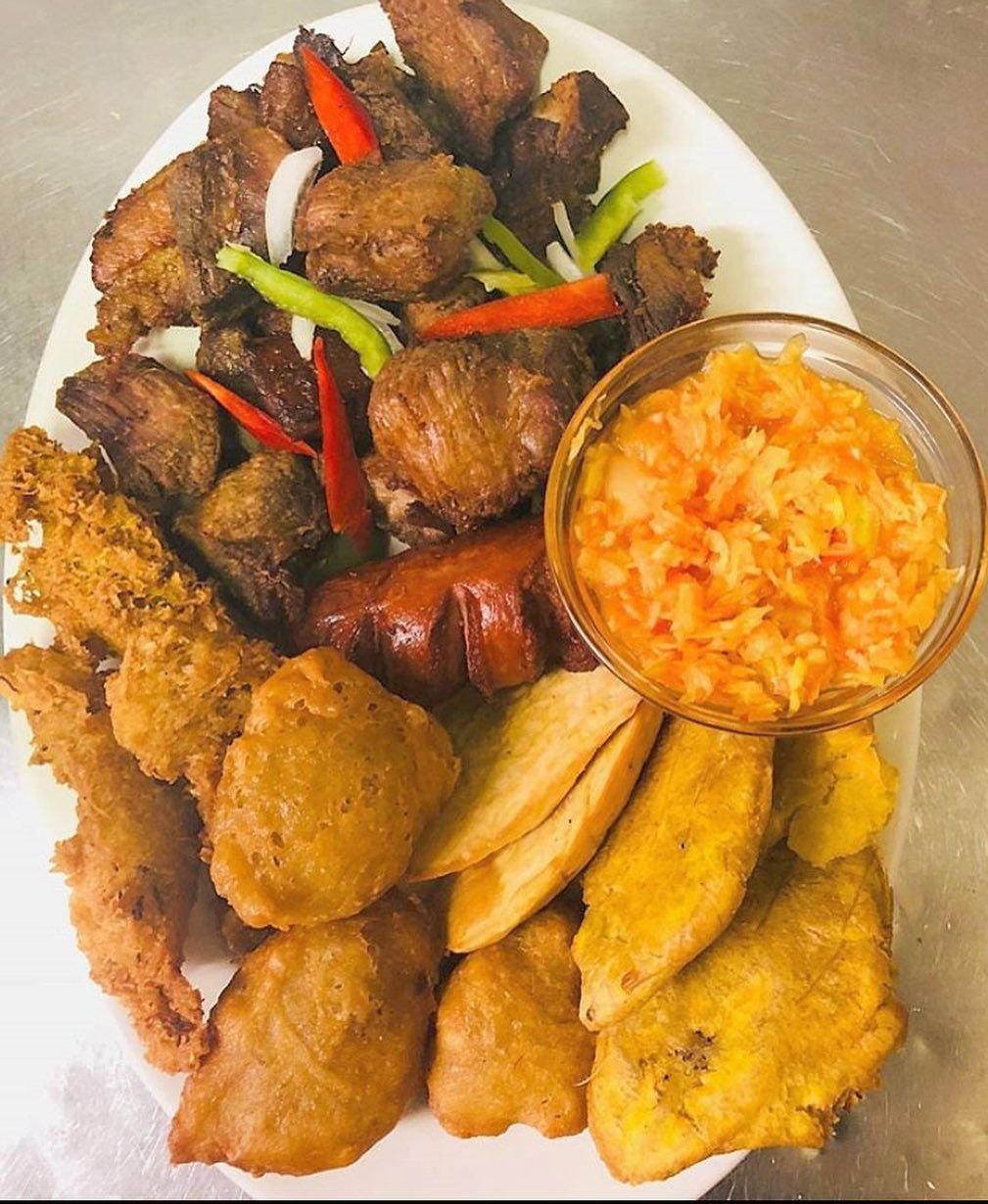
Haïti has a rich and diverse culture, influenced by African, European and indigenous elements. Haitian music, dance, art and cuisine are celebrated around the world.