Haiti: The Rendez-Vous Christ Church inspires youth at a major conference
Discover how the Rendez-Vous Christ Church inspires Haitian youth at an unforgettable conference. Join us! #Haiti #Youth #Insp

In Haiti, rice is often preferred to wheat, corn, or other grains. However, today, we’re going to make an exception and enjoy a delicious red bean and wheat dish. To begin, boil the red peas. Meanwhile, heat the oil in a large saucepan over medium heat. Add the onion and garlic, sautéing until golden. Then, stir in the tomato paste and cook for a few minutes, stirring constantly. Next, add the drained red peas, chicken or vegetable broth, salt, and pepper. Mix everything well. Pour the water into the saucepan and bring to a boil. Once the water boils, add the wheat and simmer until tender and the water is absorbed. Finally, reduce the heat and stir occasionally to prevent the mixture from sticking to the bottom of the pan. Once cooked, adjust the seasoning to your taste and serve hot.
Black History Month is the perfect opportunity to celebrate the culture and heritage of Afro-descendant communities through cuisine. Haitian gastronomy, rich in history and flavors, is a reflection of the resilience and identity of the Haitian people. Here are two iconic dishes to discover to honor this celebration.
Haitian pain patate is a staple of traditional Haitian cuisine, often prepared for special occasions, holidays, or simply for the pleasure of enjoying a homemade dessert rich in flavor. This soft cake made with sweet potato, coconut milk, banana, and a savory blend of spices delights with its melt-in-the-mouth texture and irresistible aroma. Easy to make and full of character, pain patate is a true Proust madeleine for many Haitians. Whether you’re looking for comfort food or eager to discover a classic Caribbean pastry, this recipe will guide you step by step to successfully make this iconic Haitian dessert.
Cheffe Leen! A name that’s been making the rounds on social media in recent weeks! And for good reason: the Haitian chef represented Haïti in the Guinness World Records in an extraordinary culinary competition. This challenge consisted of cooking for eight days non-stop, a bold way to showcase the richness of Haitian cuisine. It was in France, more precisely at the Anba Le Pont restaurant, located in Saint-Denis, that Leen Excellent embarked on this exceptional adventure. Starting on Monday, April 7, 2025, she cooked non-stop for nine consecutive days, totaling 187 hours of actual cooking time (after deducting statutory breaks). A historic achievement, combining endurance, passion, and cultural pride. So, if you were Chef Leen, what would be the first dish you would cook to represent Haitian cuisine to the world? The Haïti Wonderland editorial team asked a few readers this question: some readily answered white rice with pea and vegetable sauce, which they call GOAT. Others opted for a good lalo, a tasty pye kochon stew, a good tchaka, or even the famous morning rice. Given this diversity, I’ve chosen to present each dish mentioned in the survey over the weeks.
Once a staple in Haitian homes, pea broth was a true culinary tradition, served almost every Saturday. This nourishing and comforting dish brought families together around the table, offering an explosion of flavors and essential nutritional intake. However, with changing eating habits and the growing influence of fast food, it is prepared less and less by the new generation, at the risk of falling into oblivion. Haitian pea broth is a thick soup prepared with red or black peas, simmered for a long time until they obtain a velvety texture. This broth is then seasoned with local spices such as garlic, thyme, parsley and cloves, then garnished with vegetables such as carrots and spinach. Some variations add pieces of meat, often beef or pork, and small dumplings called "dombrés" "bòy", which give it even more consistency. So why not revive this tradition and prepare a good pea broth this Saturday, like our grandparents did?
Port-au-Prince, Haiti’s vibrant capital, is much more than just a city. It’s a melting pot of flavors, a place where street food reigns supreme, offering a unique and authentic culinary experience. In the heart of this bustling metropolis, every corner transforms into a gourmet market, an ode to Haitian gastronomy. The tantalizing smells of grilled meats, spicy sauces, and simmering dishes invite you on a sensory exploration. Improvised stalls, often set up on rickety wooden tables, line the streets, offering a variety of culinary delights. From "griots" to "tassot," including "bannann peze" and "pikliz," each dish tells a story, a tradition passed down from generation to generation. For culinary adventurers, Haitian street food is an unforgettable experience. Every bite is a testament to the creativity and passion of the impromptu chefs, who transform simple ingredients into delicious and authentic dishes. Tell us in the comments which dish you ate until you lost your breath on the streets of Port-au-Prince, or share a great experience you’ve had!
Are you Haitian? You are not Haitian but you have met them closely or from afar? Have you ever visited Haïti or do you have Haitian friends? No doubt! You have already eaten broth! Haitian broth is an emblematic dish of Haitian cuisine. This delicious broth is often prepared with a variety of meats, such as beef, pork or chicken, and is enhanced with fresh vegetables such as carrots, potatoes and celery. This mixture creates a harmony of flavors that reflects the richness of Haitian culture. The preparation of broth (bouyon) is a true culinary art. The ingredients are carefully selected and cooked slowly to allow the flavors to fully develop. Spices, such as thyme, garlic and chili pepper, add a touch of heat and depth to the dish. Traditionally, broth (bouyon) is served with rice or plantains, making it a complete and comforting meal. Broth is not just a dish, it is also a symbol of conviviality and sharing. It is often prepared during special occasions or family gatherings, strengthening the bonds between members of the community. If you feel like preparing broth one of these days, do not hesitate to ask for the recipe in the comments.
Sweet potatoes, often considered a superfood, are not only delicious but also rich in nutrients. In addition to their versatility, sweet potatoes can be prepared in a multitude of ways, making them a popular ingredient in many cuisines.
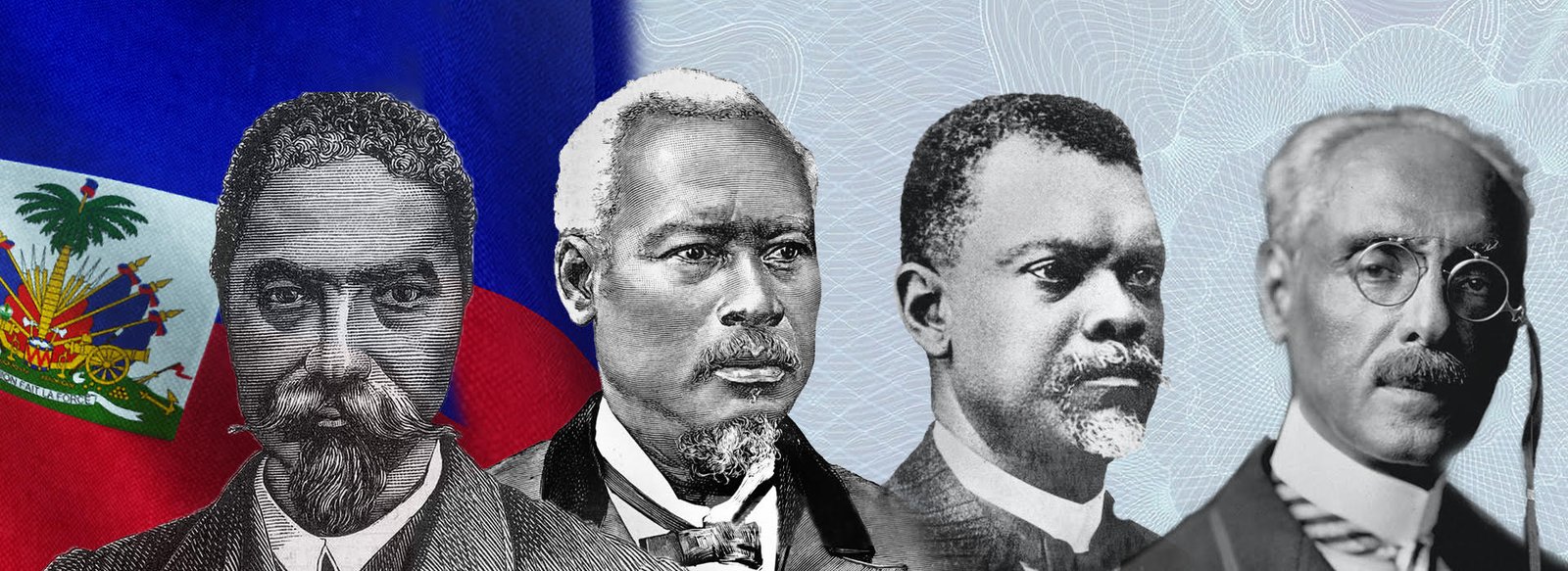
Haiti, the world’s first independent black republic, is a universal symbol of freedom and resistance. But who founded Haïti and how was this nation born? This journey through history leads us to explore the role of heroic figures, significant events, and the context that gave birth to this unique nation.
Each year, May 1 is celebrated around the world as Labor Day, a day dedicated to honoring the contributions of workers and reflecting on work-related issues. In Haiti, this day takes on special significance, where agriculture is emerging as a crucial economic pillar. With its fertile lands and nature conducive to cultivation, Haïti has enormous agricultural potential that could transform its economy and improve the lives of its inhabitants.
In the heart of the azure waters of the Caribbean Sea, stands majestically the Colombier, an imposing rock mass that defies time and the elements. Located off the picturesque coast of Belle-Anse in southeastern Haiti, the Colombier is more than just a geological formation; it is a symbol of the natural beauty and cultural heritage of the region. Dominating the marine horizon with its imposing silhouette, the Colombier is shrouded in mystery and legends passed down from generation to generation. According to local stories, this rock was formed by the sea gods themselves, testifying to their passage through these crystal clear waters. A legend which adds an aura of fascination to this already enchanting place. But beyond its mythical appearance, the Colombier also offers a breathtaking visual experience. Visitors who venture to this natural wonder are rewarded with breathtaking panoramas: steep cliffs plunging into turquoise waters, isolated coves hemmed with golden sand, and abundant marine flora that enlivens the seabed. Le Colombier is also a refuge for remarkable biodiversity. Its waters are home to a multitude of marine species, from colorful fish to spectacular corals and majestic sea turtles. Scuba diving and snorkeling enthusiasts will find a preserved paradise there, where nature reigns supreme and each immersion is a fascinating exploration. As a tourist spot, Le Colombier offers an unforgettable getaway for travelers looking for adventure and authentic discoveries. Boat excursions from Belle-Anse allow visitors to get up close and personal with this natural wonder, contemplate its spectacular shapes and let themselves be captivated by its captivating beauty. In short, the Colombier embodies the quintessence of Haiti’s natural beauty, a hidden treasure in the heart of the Caribbean Sea. Between its breathtaking landscapes, its cultural heritage rich in legends and its exceptional biodiversity, this maritime jewel fully deserves its reputation as an essential tourist destination. Come discover the Colombier and let yourself be carried away by the magic of this exceptional place.
Haiti’s independence, proclaimed on January 1, 1804, marked a major turning point in world history. As the first independent black republic, Haïti laid the foundation for an exceptional legacy, forged through the struggle for freedom, dignity, and equality. This legacy extends far beyond the borders of this island nation, influencing generations and inspiring movements around the world.
Religious diversity in Haïti is a key aspect of its cultural identity, but Christianity, and more specifically Catholicism, is the most popular religion in the country. With its roots deep in colonial history, Haitian spirituality is also enriched by unique cultural practices, such as Vodou, that coexist with Christian beliefs. In this article, we explore the history, practices, and key figures surrounding religion in Haiti.

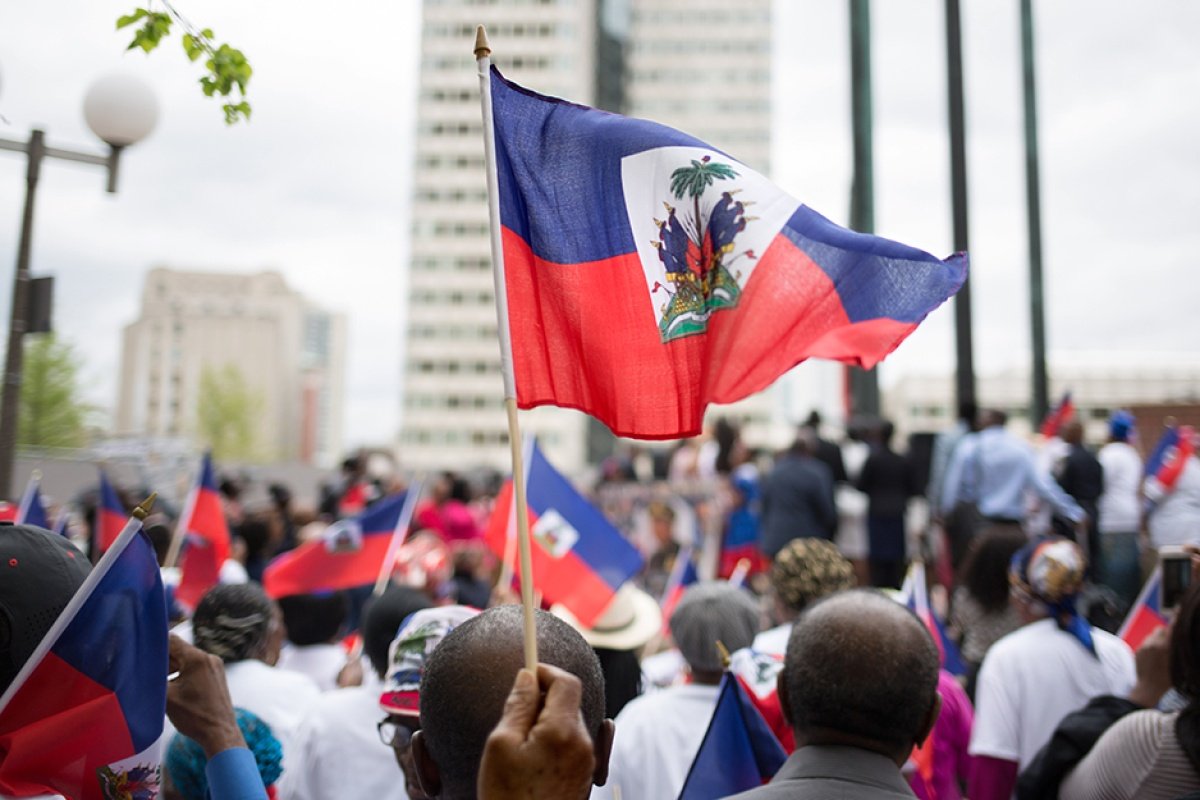
First black nation to free itself from slavery and gain independence from France in 1804 and influenced other liberation movements around the world, inspiring struggles for freedom and equality.

Haïti is blessed with spectacular natural landscapes, including white sand beaches, mountains and rich biodiversity.

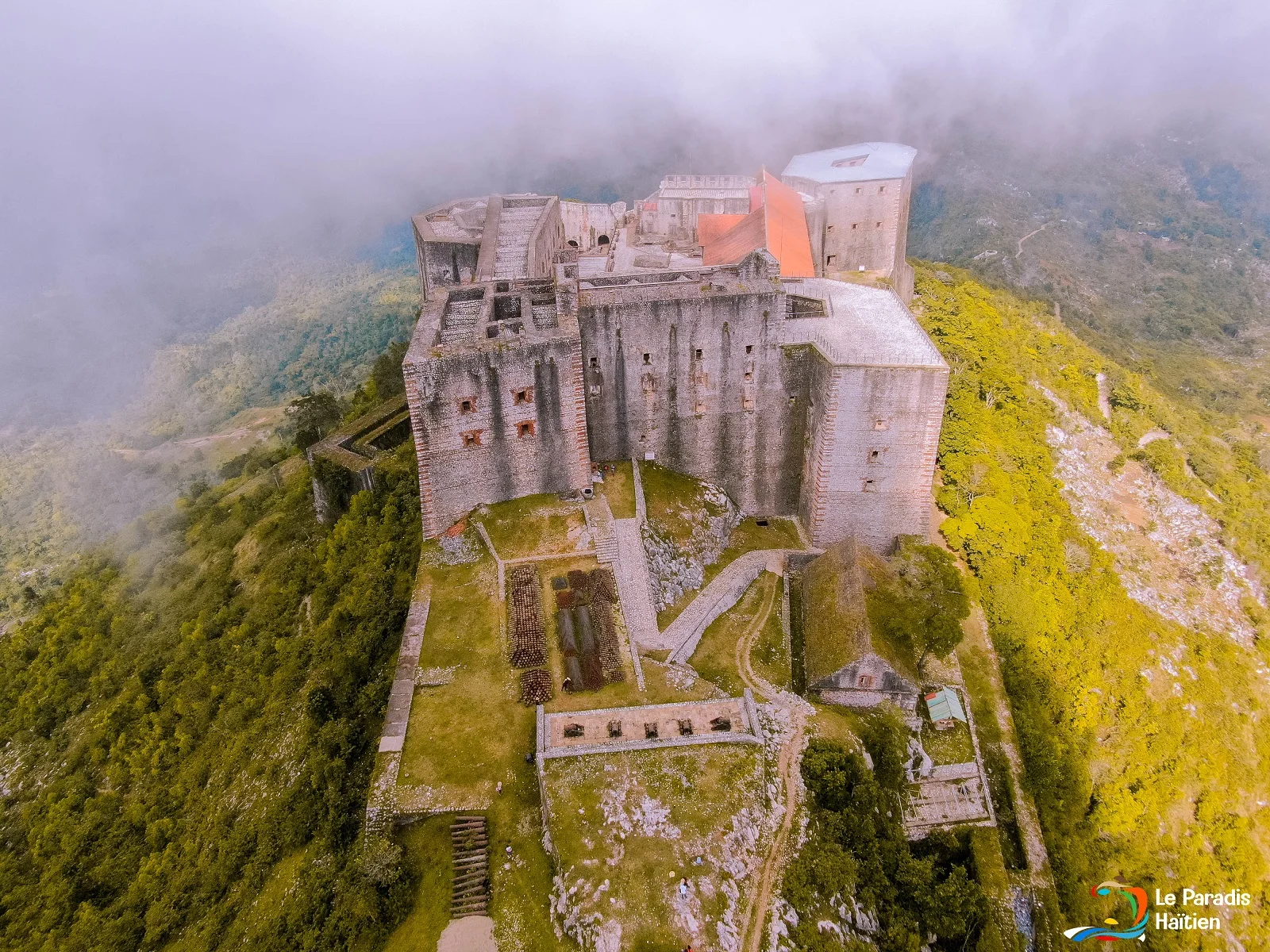
Haïti has a rich historical heritage, including sites like the Citadelle Laferrière and the Sans-Souci Palace, listed as UNESCO World Heritage Sites.

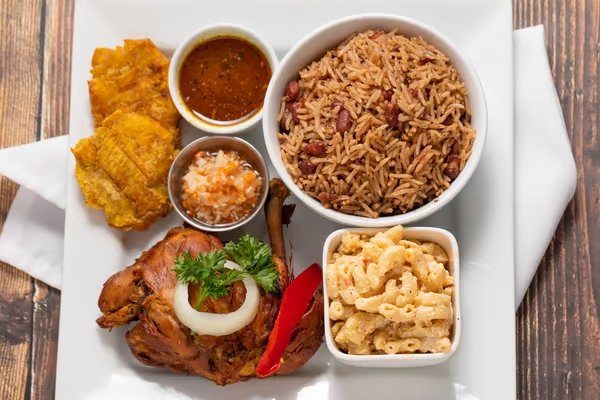
Haïti has a rich and diverse culture, influenced by African, European and indigenous elements. Haitian music, dance, art and cuisine are celebrated around the world.