contact@haitiwonderland.com+509 36184317

Discover

Shopping Cart

List of presidents of Haïti until 2024

List of presidents of Haïti until 2024

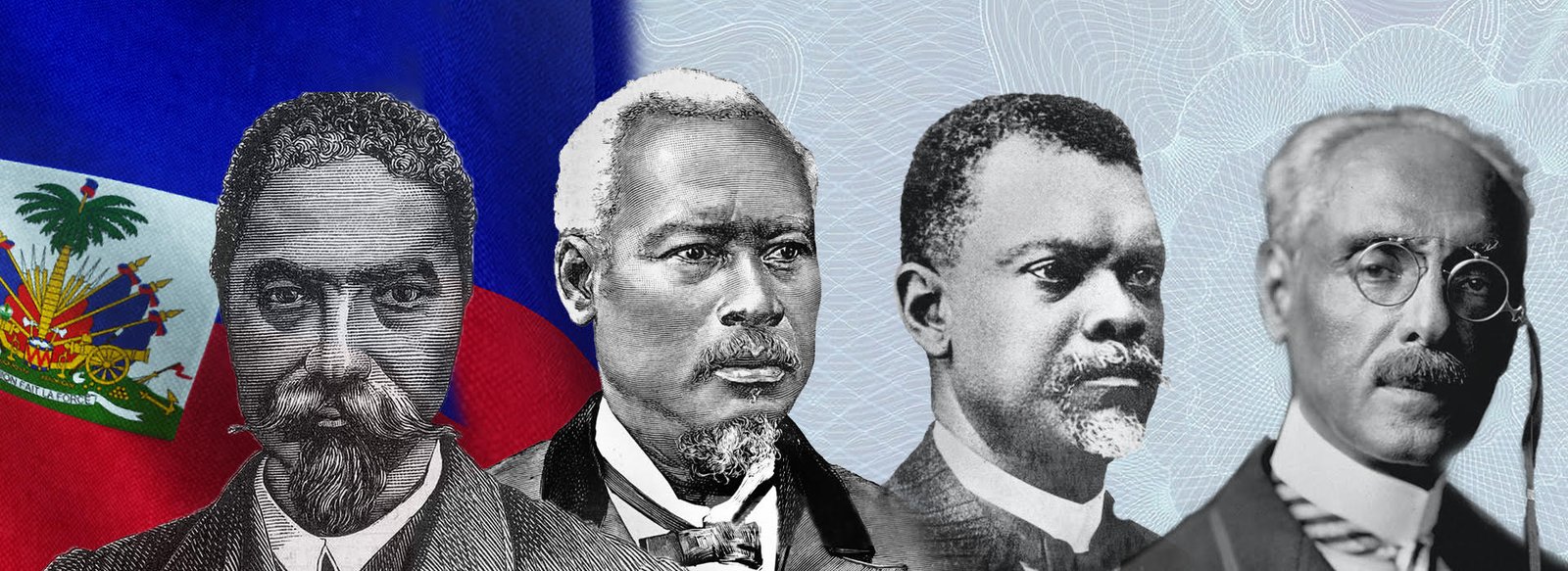
Since its independence in 1804, Haïti has experienced a series of presidents who have each marked the country’s history in different ways. This article presents a list of Haiti’s presidents, highlighting their background and impact on the nation. This retrospective offers an overview of the political, economic and social challenges that Haïti has faced throughout the decades.

Haïti
Haïti
Haïti

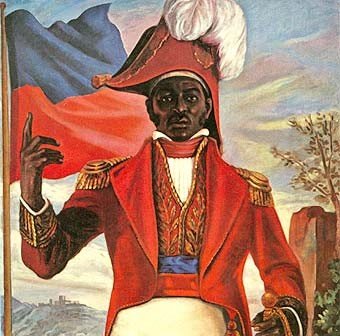
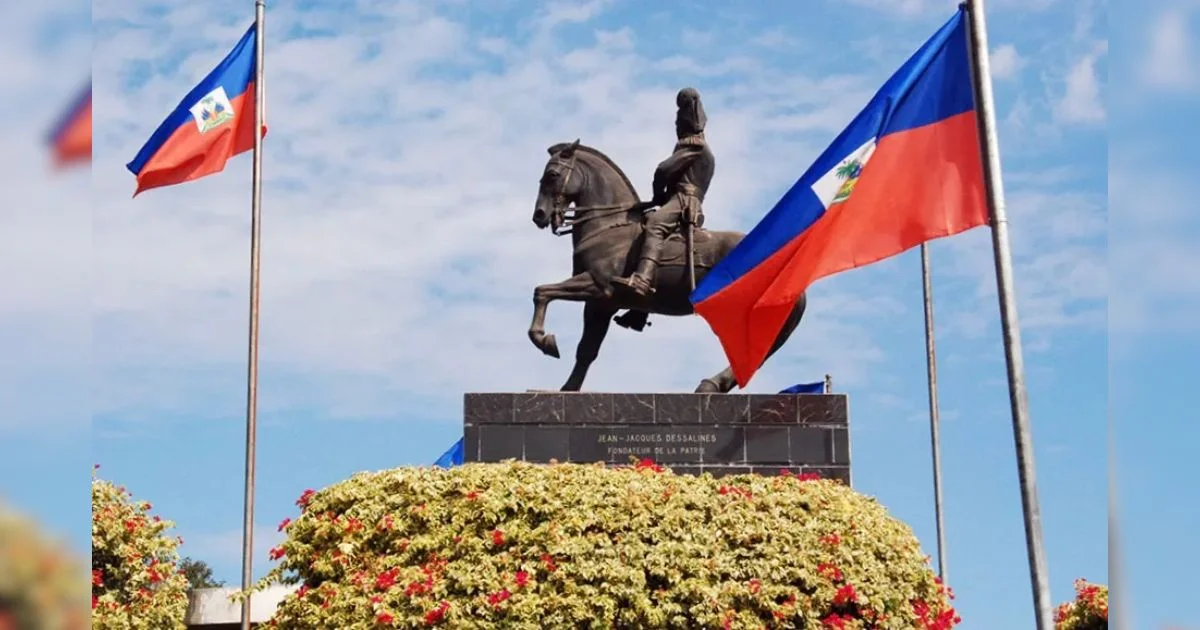
Jean-Jacques Dessalines (1804-1806)

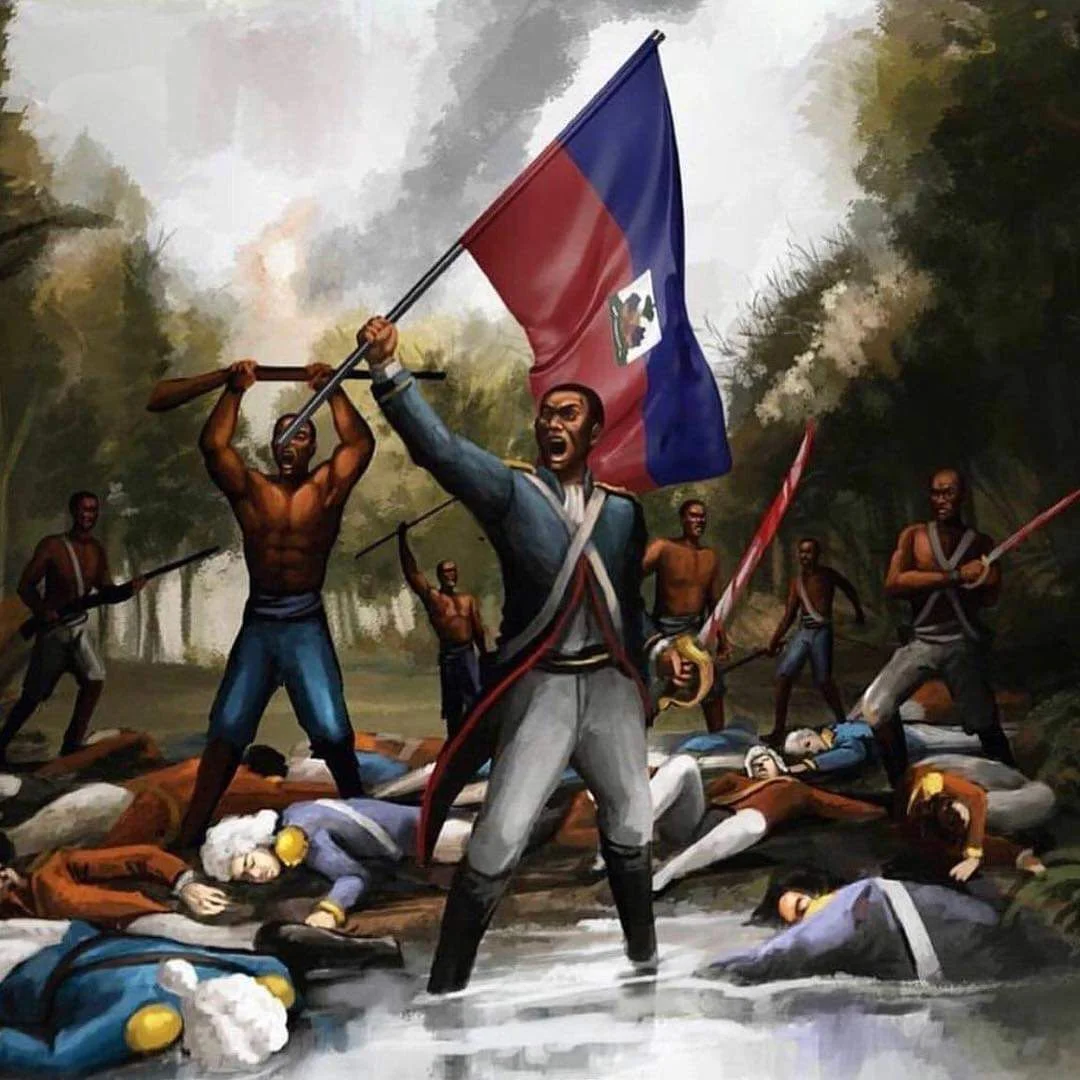
Jean-Jacques Dessalines, one of the leaders of the Haitian revolution, proclaimed the independence of Haïti on January 1, 1804. He crowned himself emperor under the name of Jacques I and attempted to consolidate central authority. His reign was characterized by rigorous policies aimed at eliminating the remnants of French colonial influence, but he was assassinated in 1806 during a revolt led by his former allies.

Haïti
Haïti
Haïti

Henri Christophe (1806-1820)

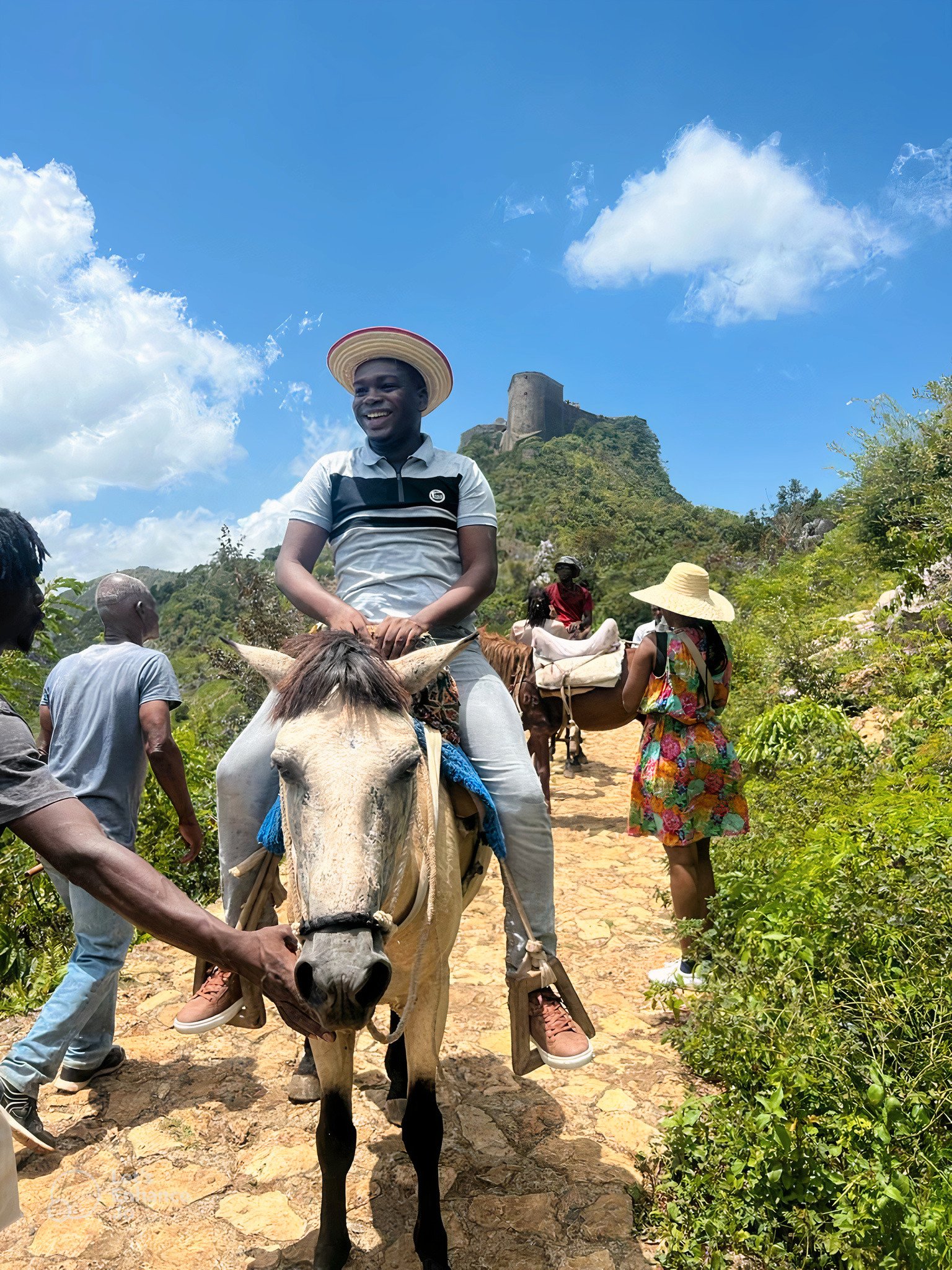
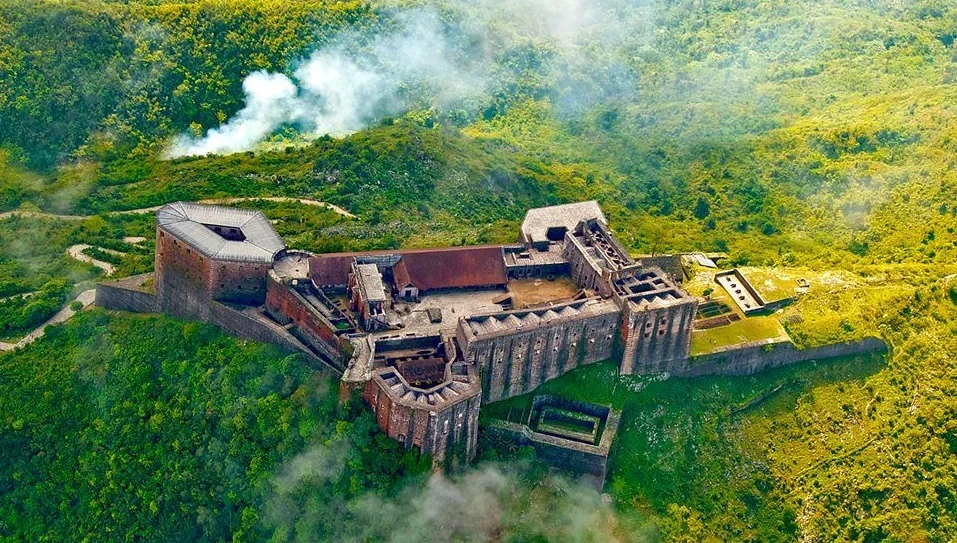
After the death of Dessalines, the country was divided. Henri Christophe, a former revolutionary general, reigned over the north of the country as president and then king under the name of Henri I in 1811. He established an authoritarian regime and ambitious construction projects, such as the Citadelle Laferrière and the Palais Sans-Souci. His reign was marked by efforts to modernize the administration and strengthen the army. He committed suicide in 1820 in the face of a revolt.

Haïti
Haïti
Haïti

Alexandre Sabès Pétion (1807-1818)

Pétion, another hero of independence, becomes president of the republic in the south. He is known for his support for the liberation of slaves and for Simon Bolívar in his fight for independence in South America. Pétion established a more liberal republic compared to the monarchical north and implemented land reforms favoring former slaves.

Haïti
Haïti
Haïti

Jean-Pierre Boyer (1818-1843)

Jean-Pierre Boyer succeeds Pétion and manages to unify the country after the death of Christophe. His reign was marked by relative stability and reforms aimed at modernizing the economy, including encouraging the immigration of free blacks from the United States. However, his tenure was also clouded by social tensions and economic problems, leading to his deposition in 1843.

Haïti
Haïti
Haïti

Charles Rivière Hérard (1843-1844)

Rivière Hérard rose to the presidency after overthrowing Boyer, but his mandate was marked by instability and he was quickly ousted in 1844.

Haïti
Haïti
Haïti

Philippe Guerrier (1844-1845)

Guerrier, a former senator, was elected president after Hérard. His short tenure faced economic and political challenges, and he died in office in 1845.

Haïti
Haïti
Haïti

Jean-Baptiste Riché (1845-1846)

Riché became president in 1845, but he died after only one year in office, having failed to stabilize the country.

Haïti
Haïti
Haïti

Jean-Louis Pierrot (1846-1847)

Pierrot, another soldier, took the presidency in 1846 but was quickly overthrown by a rebellion led by opposing political factions.

Haïti
Haïti
Haïti

Faustin Soulouque (1847-1859)

Soulouque, elected president, crowned himself Emperor Faustin I in 1849. His reign was marked by severe repression and attempts to centralize power. He was finally overthrown by a revolt in 1859.

Haïti
Haïti
Haïti

Fabre Nicolas Geffrard (1859-1867)

Geffrard leads the coup against Soulouque and becomes president. He introduced important reforms but faced growing opposition, leading to his resignation in 1867.

Haïti
Haïti
Haïti

Sylvain Salnave (1867-1869)

Salnave takes power after Geffrard, but his government is marked by violent conflicts. He was overthrown and executed in 1869.

Haïti
Haïti
Haïti

Nissage Saget (1870-1874)

Saget becomes president after Salnave. He managed to maintain relative stability and hold peaceful elections, marking a rare and peaceful transition of power in 1874.

Haïti
Haïti
Haïti

Michel Domingue (1874-1876)

Domingue, elected after Saget, faced economic and political crises, and resigned after only two years.

Haïti
Haïti
Haïti

Théomas Boisrond-Canal (1876-1879)

Boisrond-Canal took power after Domingue but had to resign in 1879 after political unrest.

Haïti
Haïti
Haïti

Felicite Lysius Salomon (1879-1888)

Salomon tried to stabilize and modernize the country, but his mandate was marked by revolts and he was overthrown in 1888.

Haïti
Haïti
Haïti

François Denis Légitime (1888-1889)

Legitimate succeeded Salomon but his reign was brief, marked by internal conflicts which led to his ouster in 1889.

Haïti
Haïti
Haïti

Florvil Hyppolite (1889-1896)

Hyppolite maintained a certain stability and continued modernization efforts until his death in 1896.

Haïti
Haïti
Haïti

Teiresias Simon Sam (1896-1902)

Simon Sam is elected after Hyppolite. His tenure was relatively quiet, but he resigned in 1902 in the face of political pressure.

Haïti
Haïti
Haïti

North Alexis (1902-1908)

Alexis attempted reforms but faced revolts and was overthrown in 1908.

Haïti
Haïti
Haïti

Antoine Simon (1908-1911)

Simon, after Alexis, implemented economic reforms but was deposed by a coup d’état in 1911.

Haïti
Haïti
Haïti

Cincinnatus Leconte (1911-1912)

Leconte, elected president, dies in an explosion at the national palace after only one year in power.

Haïti
Haïti
Haïti

Tancrede Auguste (1912-1913)

Auguste succeeds Leconte but dies after a year in office, leaving the country prey to instability.

Haïti
Haïti
Haïti

Michel Oreste (1913-1914)

Orestes, elected president, is overthrown after a short mandate marked by political unrest.

Haïti
Haïti
Haïti

Orestes Zamor (1914)

Zamor takes the presidency after Orestes but is also overthrown after a few months.

Haïti
Haïti
Haïti

Davilmar Théodore (1914-1915)

Theodore succeeds Zamor but fails to stabilize the country and is deposed after a few months.

Haïti
Haïti
Haïti

Vilbrun Guillaume Sam (1915)

Guillaume Sam, last president before the American occupation, is lynched after a revolt against his regime.

Haïti
Haïti
Haïti

Sudre Dartiguenave (1915-1922)

Dartiguenave was elected under American occupation and his mandate was marked by cooperation with the United States.

Haïti
Haïti
Haïti

Louis Borno (1922-1930)

Borno continues under American occupation, focusing on infrastructure and institutional development.

Haïti
Haïti
Haïti

Louis Eugène Roy (1930)

Roy is appointed provisional president to hold elections, serving only a few months.

Haïti
Haïti
Haïti

Sténio Vincent (1930-1941)

Vincent, elected after Roy, governed during a period of transition after the American occupation and managed to obtain the withdrawal of American troops in 1934.

Haïti
Haïti
Haïti

Elie Lescot (1941-1946)

Lescot rose to the presidency during World War II, but was overthrown in a coup in 1946.

Haïti
Haïti
Haïti

Dumarsais Estimé (1946-1950)

Estimé was elected after Lescot and tried to modernize the country and improve social conditions, but was overthrown by the military in 1950.

Haïti
Haïti
Haïti

Paul Magloire (1950-1956)

Magloire, a soldier, governed with firmness and relative economic prosperity before resigning due to social unrest.

Haïti
Haïti
Haïti

Nemours Pierre-Louis (1956-1957)

Pierre-Louis transitions as interim president, marking a short period of stability.

Haïti
Haïti
Haïti

Franck Sylvain (1957)

Sylvain is elected president but his mandate is short-lived, being quickly replaced by a military council.

Haïti
Haïti
Haïti

Daniel Fignolé (1957)

Fignolé, a charismatic populist, was briefly president before being deposed in a coup.

Haïti
Haïti
Haïti

François Duvalier (1957-1971)

François Duvalier, known as "Papa Doc", established a rigid dictatorship marked by repression, the cult of personality and the use of the Tontons Macoutes militia to maintain his power.

Haïti
Haïti
Haïti

Jean-Claude Duvalier (1971-1986)

Jean-Claude Duvalier, nicknamed "Baby Doc", succeeded his father and continued the authoritarian regime until his flight into exile in 1986 after popular uprisings.

Haïti
Haïti
Haïti

Jean-Bertrand Aristide (1991, 1994-1996, 2001-2004)

Aristide, a priest and populist figure, was elected in 1990 but overthrown in 1991. He returned to power in 1994-1996 and again in 2001-2004, but his last term ended in forced exile.

Haïti
Haïti
Haïti

René Préval (1996-2001, 2006-2011)

René Préval, former prime minister under Aristide, was elected president twice. His first term (1996-2001) was marked by efforts at economic reform and political stabilization. Re-elected in 2006, he must face the devastating consequences of the 2010 earthquake.

Haïti
Haïti
Haïti

Michel Martelly (2011-2016)

Michel Martelly, a former popular singer, became president in 2011. His mandate was characterized by attempts at reconstruction after the 2010 earthquake and political controversies. He left power in 2016 after disputed elections.

Haïti
Haïti
Haïti

Jovenel Moïse (2017-2021)

Jovenel Moïse, a businessman, was elected president in 2017. His mandate was marked by allegations of corruption, popular protests and a persistent political crisis. He was assassinated in July 2021, plunging the country into increased instability.

Haïti
Haïti
Haïti

Edgard Leblanc Son (2024)

On April 30, 2024, in the midst of a security and political crisis, Edgard Leblanc Fils was chosen by the Transitional Council to lead the Presidential Transitional Council in Haiti. This choice is part of efforts to find a national consensus to get the country out of the current impasse.

The history of Haiti’s presidents is one of constant challenges, struggles for stability and repeated attempts at reform. Each leader left a unique mark on the country, helping to shape its destiny. Understanding this history is essential to understanding current political dynamics and the challenges that Haïti continues to face.

Share
About the Author
Haïti Wonderland
Haïti Wonderland
Anonymous

Maybe add a caption on what they did right?

November 18, 2024 - 11:17:17 PM
Micka

CPT has been imposed on the Haitian people by the international community. There has been no elected president since the assassination of President Jovenel Moise.

March 01, 2025 - 11:59:49 AM
Leave a comment

Recently Posted

Holidays in Haiti

Haiti, the pearl of the Antilles, is a country rich in history and culture. Its public holidays are moments of celebration, commemoration and reflection on its glorious past. Each date has a special meaning, plunging Haitians into a festive and memorable atmosphere. b~January 1: National Independence Day and New Year~b January 1st is a doubly special day in Haiti. On the one hand, it is National Independence Day, commemorating the victory of Haitian slaves over French colonial forces in 1804. On the other hand, it is New Year’s Eve, marking the start of a new year full of promises and hopes. b~January 2: Feast of the Forefathers~b January 2 is dedicated to the memory of ancestors. It is an opportunity for Haitians to remember their roots, to celebrate the cultural heritage passed down from generation to generation. b~February: Carnival, Shrove Monday, Fat Tuesday, Ash Wednesday~b The month of February is marked by Carnival, one of the most colorful and dynamic festivities in Haiti. The streets fill with parades, lively music and wild dancing. Mardi Gras is the culmination of Carnival, followed by Ash Wednesday, marking the start of Lent. b~April: Easter, Maundy Thursday, Good Friday~b Easter celebrations in Haïti include the religious traditions of Maundy Thursday and Good Friday. It is a time of prayer and reflection for many Haitians. b~May 1: Agriculture and Labor Day~b May 1 is dedicated to celebrating the work and importance of agriculture in the life of the country. It is an opportunity to recognize the efforts of workers and to highlight the agricultural sector. b~May 18: Flag Festival~b Flag Day celebrates the Haitian flag, a symbol of independence and national pride. Haitians honor their colors and remember the courage of their ancestors in the fight for freedom. b~May 23: National Sovereignty Day~b This day commemorates the recognition of Haitian sovereignty by France in 1805. It is a moment of national pride and reaffirmation of independence. b~May - August: Ascension~b The Ascension is celebrated between May and August, a religious festival marking the ascension of Jesus Christ into heaven. b~June: Fête-Dieu~b Fête-Dieu, also known as the Feast of the Body and Blood of Christ, is an important religious celebration in June. b~August 15: Assumption of Mary~b The Assumption of Mary is a Christian holiday marking the ascension of the Virgin Mary into heaven. It is celebrated with fervor in Haiti. b~September 20: Birth Anniversary of Jean-Jacques Dessalines~b This date commemorates the birth of Jean-Jacques Dessalines, one of the founding fathers of Haïti and a key leader in the struggle for independence. b~October 17: Death of Dessalines~b October 17 is a day of commemoration of the death of Jean-Jacques Dessalines, recalling his impact on Haitian history. b~November 1: All Saints’ Day~b All Saints’ Day is a religious holiday honoring all saints, celebrated with prayers and visits to cemeteries. b~November 2: Day of the Dead~b All Souls’ Day is an opportunity to pay homage to the deceased by decorating graves and participating in religious ceremonies. b~November 18: Commemoration of the Battle of Vertières~b This day honors the decisive Haitian victory at the Battle of Vertières in 1803, marking the end of the French occupation. b~December 5: Discovery Day~b December 5 celebrates the discovery of the island by Christopher Columbus in 1492. b~December 25: Christmas~b Christmas celebrations in Haïti are marked by family reunions, festive meals and religious traditions. Public holidays in Haïti are much more than breaks from everyday life; these are moments that embody the soul and resilience of a people. Each celebration provides an opportunity to come together, remember the past and look to the future with hope and determination.

Newsletter

Subscribe to our newsletter to stay informed of all our activities and news on Haiti.

Jean-Jacques Dessalines, leader of the Haitian Revolution

In the annals of the history of Haiti, an island located in the Caribbean at the entrance to the Gulf of Mexico and shared with the Dominican Republic, Jean-Jacques Dessalines emerges like a phoenix from the ashes of oppression. Born a slave on September 20, 1758 in the home of Henri Duclos, in Cormier (Grande-Rivière-du-Nord), in the French colony of Saint-Domingue, Dessalines was a Creole of African (Afro-Caribbean) origin. Freed during the 1794 abolition achieved through slave revolts, actually served as an officer in the French army during the French Revolution. At that time, the ideas of freedom and equality were at the heart of the concerns of the inhabitants of the colonies. Dessalines actively participated in the fighting against the Spanish and British forces, alongside the French, in Santo Domingo. Having risen to the rank of Lieutenant General, Jean-Jacques Dessalines turned against the French during the Leclerc expedition, sent to Saint-Domingue by Bonaparte to reestablish colonial authority and slavery during the Haitian Revolution. After the capture and deportation of Toussaint Louverture to France on June 7, 1802, Dessalines assumed a leading role in continuing the struggle for independence. He led numerous battles, including the battle of Crête-à-Pierrot in March 1802, where he galvanized his soldiers with his famous declaration: “Let those who want to remain slaves of the French leave the fort, let those, on the contrary, who want to die as free men, line up around me.” On January 1, 1804, Jean-Jacques Dessalines achieved the long-awaited goal of independence by proclaiming Haïti as a sovereign nation, becoming the second country in the Americas to gain independence from a colonial power. He became the first leader of the newly formed nation and was named Emperor under the name James I. However, his imperial reign was marked by authoritarian and brutal policies, including the massacre of many white settlers and the redistribution of land to peasants that was in the hands of the generals of the independence army. In addition, he organized the hunt for delinquents in the city while implementing rigorous agrarian policies, considering that they represented a threat to the stability of the nation, these controversial actions caused divisions within Haitian society. Dessalines was assassinated on October 17, 1806 following a plot organized by some of his generals in the Haitian army. His death marked the end of his brief but influential period in power. Despite the controversies surrounding his methods, he is recognized as the main architect of Haiti’s independence and his name was honored in 1903 by being attributed to the Haitian national anthem, La Dessalinienne, composed by Justin Lhérisson.Finally, the great visionary man Jean Jacques Dessalines remains an emblematic figure in the history of Haiti, recognized for his role in the fight for independence and the end of slavery in the region.

Haiti: Appolon Guy Alain, among the best Haitian developers

In the vast world of IT development in Haiti, there are figures who stand out for their talent, dedication and vision. Among them, Appolon Guy Alain emerges as one of the best developers in the country, recognized for his ingenuity and creativity. With a strong background in the field of software development, Apolon has managed to rise to the top of its field. Its reputation extends well beyond Haitian borders, attracting the attention and respect of many companies abroad. It is not only his technical expertise that sets him apart, but also his ability to combine art and technology in a unique way. Discover some of Guy Alain Appolon’s achievements by clicking on the following link: https://haitiwonderland.com/haiti/personnalite/le-webmaster-haitien--guy-alain-appolon-une-reference-incontestee/79 What makes Apolon unique is its versatility. As a full-stack developer, he excels in all phases of a project, from design to implementation to user interface development. His ability to merge his talents as a painter, professional musician and computer graphic designer allows him to create attractive interfaces that captivate users at first glance. The Haïti Wonderland website (www.haitiwonderland.com) is a shining example, captivating visitors with its attractive and intuitive design. Read also: https://haitiwonderland.com/haiti/personnalite/expert-en-seo-et-uiux-design--decouvrez-le-developpeur-haitien-appolon-guy-alain/65

Recently Posted

History

History

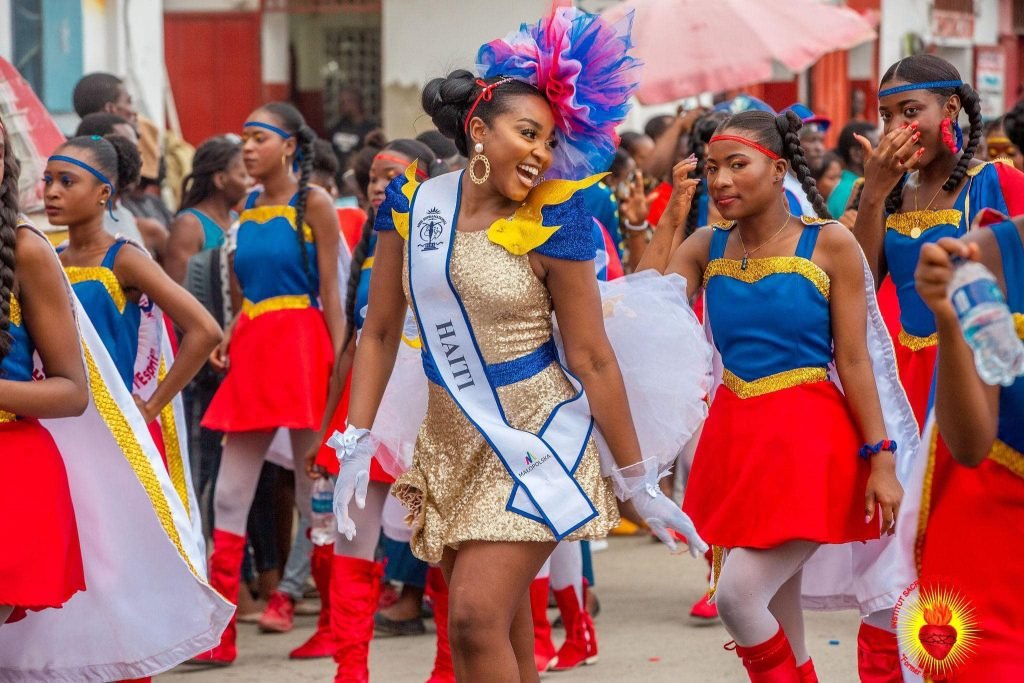
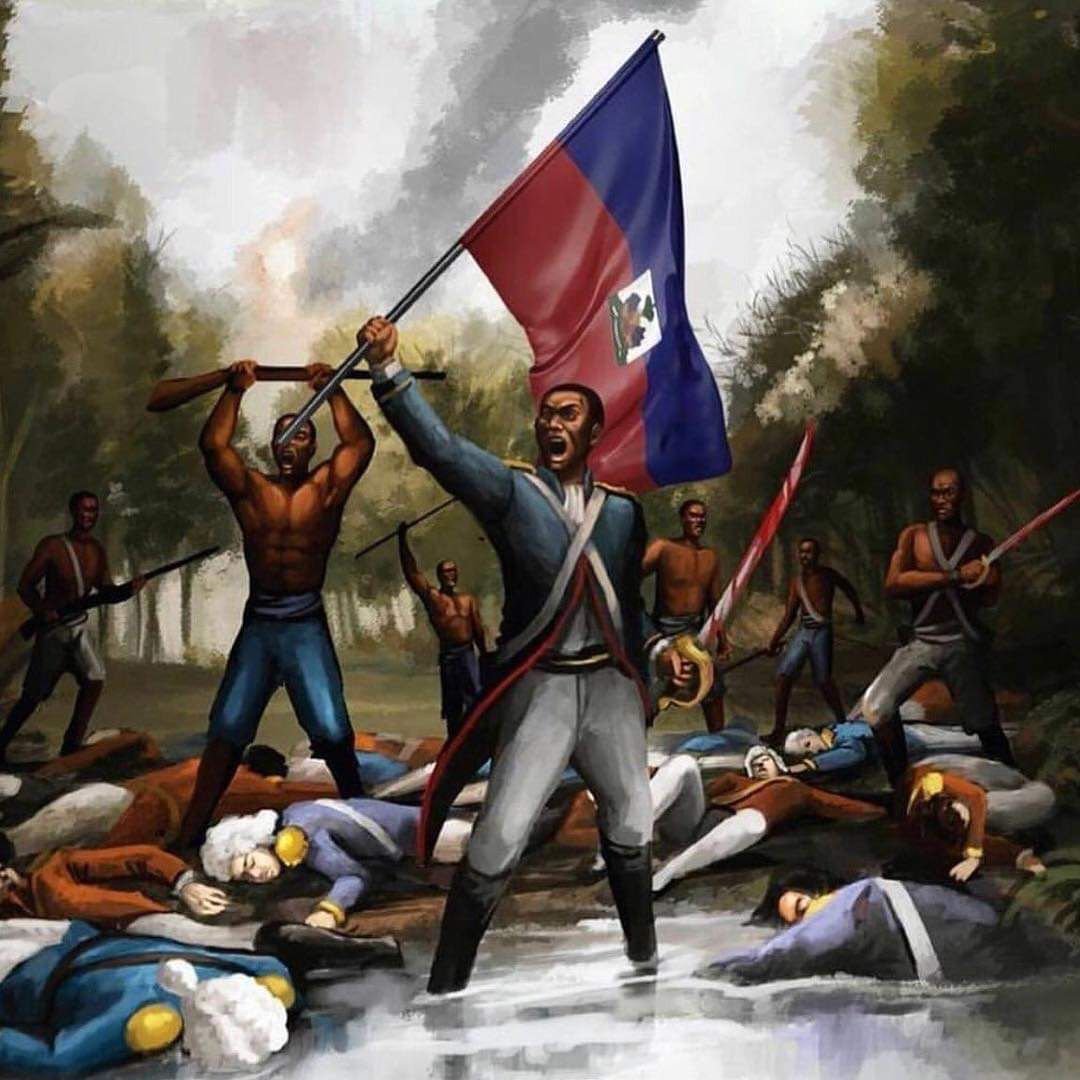
First black nation to free itself from slavery and gain independence from France in 1804 and influenced other liberation movements around the world, inspiring struggles for freedom and equality.

Natural beauty

Natural beauty

Haïti is blessed with spectacular natural landscapes, including white sand beaches, mountains and rich biodiversity.

Heritage

Heritage

Haïti has a rich historical heritage, including sites like the Citadelle Laferrière and the Sans-Souci Palace, listed as UNESCO World Heritage Sites.

Culture

Culture

Haïti has a rich and diverse culture, influenced by African, European and indigenous elements. Haitian music, dance, art and cuisine are celebrated around the world.

  • +
    • Post