NexoCash Haiti: The Virtual Card Revolution for Everyone
In a world where digital transactions are becoming essential, NexoCash Haïti is establishing itself as an essential solution for anyone looking to send or receive money with ease.

Time management in Haïti follows a practice shared by several countries: daylight saving time. Adopted for several decades, daylight saving time consists of moving the clocks forward by one hour for part of the year in order to maximize the use of daylight. This article explores how and why this measure is applied in Haiti, as well as its impact on the daily lives of Haitians.

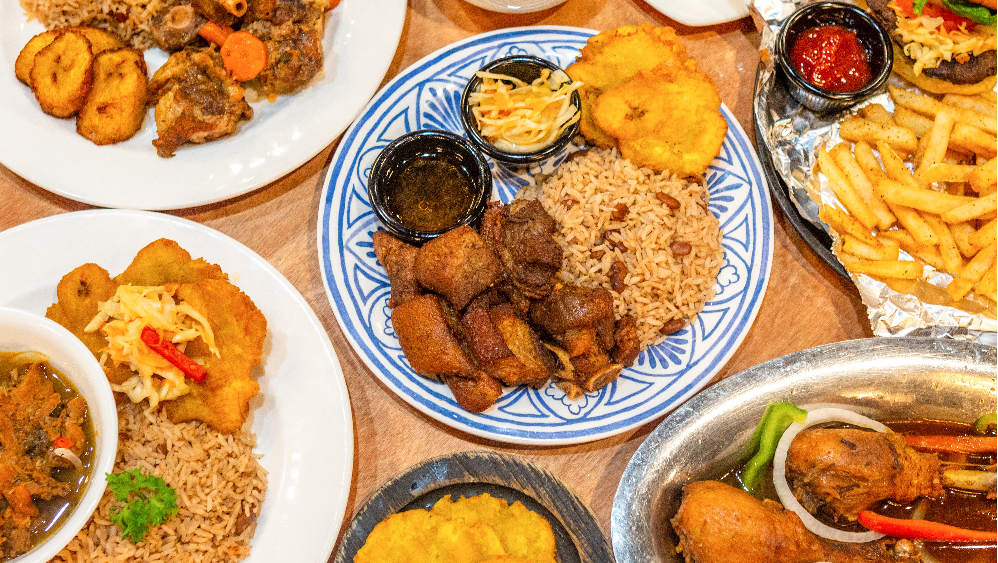
In Haiti, manje midi (lunchtime) is much more than just lunch. It’s a key moment of the day, a sacred break where we enjoy hearty, tasty, and nutritious dishes. Whether at home, at the office, or in the small, popular restaurants "kantin" or "manje anba dra," lunch is a true feast. Lunchtime in Haïti often consists of several essential elements:
January 1 is an emblematic date for Haiti, marking not only the start of the new year but above all the commemoration of the country’s independence. In 1804, after a fierce struggle against French colonial rule, Haïti became the world’s first independent black republic. This day is celebrated with pride and fervor across the country, combining tradition, history and culture.
In Haiti, Christmas is a time of joy, festivities, and community gatherings. Between cultural traditions, religious celebrations, and festive entertainment, there is so much to experience and discover. This article presents the five must-see events that make Christmas so special in Haiti, and that are definitely worth your attention.
On March 14, 2025, Cap-Haïtien hosted an exceptional event: the official launch of NUMECO (Digital for Schoolchildren), an innovative program by Coding Club Haiti. More than 50 schoolchildren from 10 schools participated in this initiative aimed at introducing them to the basics of computer programming.
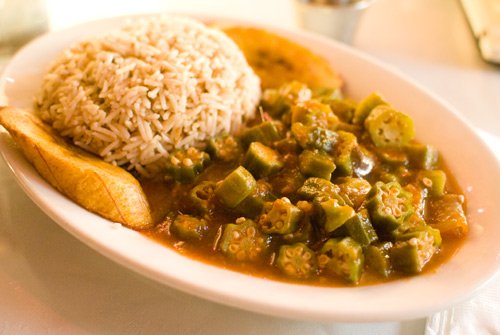
Diri kole ak pwa, a signature dish of Haitian cuisine, was recently recognized by the prestigious culinary magazine Taste Atlas as one of the best bean dishes in the world. This distinction highlights one of Haiti’s most beloved dishes, where rice and beans come together to create a rich and comforting culinary experience.
In the vast universe of software development in Haiti, one figure emerges as an undisputed reference: Appolon Guy Alain. Originally from Carrefour, passionate about new technologies, Appolon has carved out a place of choice in the sector thanks to its versatile expertise.
Religious diversity in Haïti is a key aspect of its cultural identity, but Christianity, and more specifically Catholicism, is the most popular religion in the country. With its roots deep in colonial history, Haitian spirituality is also enriched by unique cultural practices, such as Vodou, that coexist with Christian beliefs. In this article, we explore the history, practices, and key figures surrounding religion in Haiti.
Since its launch in 2018, Appo-Graphic has established itself as the indisputable leader in the field of creating websites and mobile applications in Haiti. Specializing in a wide range of services, the agency stands out for its unrivaled expertise and commitment to providing tailor-made solutions for its clients. Whether you are a company looking to develop an e-commerce site, a government institution wishing to modernize its intranet system, or even an individual wishing to create a personal blog, Appo-Graphic is here to make your vision a reality. With extensive experience and in-depth mastery of cutting-edge technologies, the Appo-Graphic team guides its clients through every step of the process, from initial design to final implementation. What sets Appo-Graphic apart from its competitors is its commitment to user experience. The agency’s developers are experts in UI/UX design, creating sites and apps that captivate visitors and inspire them to take action. With over a hundred successful projects under their belt, including intranet sites for hotels, schools and restaurants, the Appo-Graphic team has valuable experience to meet the most demanding needs of its diverse clientele. . In addition to its design expertise, Appo-Graphic also excels in the field of natural referencing (SEO). Using advanced SEO techniques, the agency ensures that its clients receive maximum visibility on search engines, helping to generate traffic and boost sales. But Appo-Graphic’s commitment does not stop there. As a full-fledged communications agency, it also offers brand identity creation, social media management and digital strategy development services. Whether you need an impactful new logo or a complete digital marketing campaign, the Appo-Graphic team is ready to turn your ideas into tangible results. If you are looking to bring your web project to life, do not hesitate to contact Appo-Graphic today. With their personalized approach and commitment to excellence, they are ready to make your vision a reality. Call now on 36184317 to discuss your needs and get a free quote. And don’t forget to visit their website www.appographic.com to check out some of their impressive work. Need to be positioned first in search results for your field of activity? Read this article: https://haitiwonderland.com/haiti/entreprise/agence-seo-haiti--experts-en-seo-referencement-naturel/85
Jacmel, Haiti’s hidden gem, is celebrating its 326th anniversary this year. Located on the country’s southeastern coast, this picturesque city, known for its enchanting landscapes and rich cultural heritage, is an inexhaustible source of beauty and creativity.
Originally from Bainet and raised in Petit-Goâve, Haiti, Emmanuel Joseph embodies one of the rising figures of the Haitian intelligentsia. A jurist, ethicist, and Ph.D. candidate in philosophy at the University of Sherbrooke (Canada), his journey reflects a rigorous commitment to justice, human rights, and critical thinking. Local Roots, Global Outlook Educated in Haiti’s public and religious schools, Emmanuel Joseph began his intellectual path at the Apostolic School of Petit-Goâve, then excelled at the Lycée Faustin Soulouque. His grades, consistently between 8 and 9 out of 10, demonstrated remarkable discipline and rigor from an early age. His university education began at the Faculty of Ethnology (FE) and the Faculty of Law and Economics (FDSE) of the State University of Haiti, where he earned his bachelor’s degree in November 2013. His academic profile sharpened in Canada, especially at the University of Quebec in Rimouski (UQAR), where he completed a master’s degree in philosophy/ethics in 2020, before pursuing a Ph.D. at the University of Sherbrooke, focusing on a broad yet fundamental theme: humanitarian action as experience.
The Haitian Creole language, or Kreyòl Ayisyen, is one of the most remarkable features of Haitian culture. Speaking Creole is not only about communicating, but also about asserting an identity, a heritage, and a history of resilience in the face of adversity. But where does this unique language come from? What is its origin and how did it become a symbol of Haitian culture? Let’s dive into the fascinating history of the Haitian Creole language.

First black nation to free itself from slavery and gain independence from France in 1804 and influenced other liberation movements around the world, inspiring struggles for freedom and equality.

Haïti is blessed with spectacular natural landscapes, including white sand beaches, mountains and rich biodiversity.

Haïti has a rich historical heritage, including sites like the Citadelle Laferrière and the Sans-Souci Palace, listed as UNESCO World Heritage Sites.

Haïti has a rich and diverse culture, influenced by African, European and indigenous elements. Haitian music, dance, art and cuisine are celebrated around the world.