contact@haitiwonderland.com+509 36184317

Discover

Shopping Cart

Cap-Haïtien or Jacmel: Which is the tourist capital of Haiti?

Cap-Haïtien or Jacmel: Which is the tourist capital of Haiti?

Haïti is full of natural and cultural treasures, and two cities stand out as the country’s top tourist capitals: Cap-Haïtien in the north and Jacmel in the southeast. Each of these cities offers unique experiences, reflecting Haiti’s rich history, culture, and nature. Let’s explore why these two destinations are must-sees for any traveler.

Haïti
Haïti
Haïti

Cap-Haïtien: The Historical and Cultural Capital

Nicknamed "The City of 365 Doors," Cap-Haïtien is a city steeped in history and colonial charm.

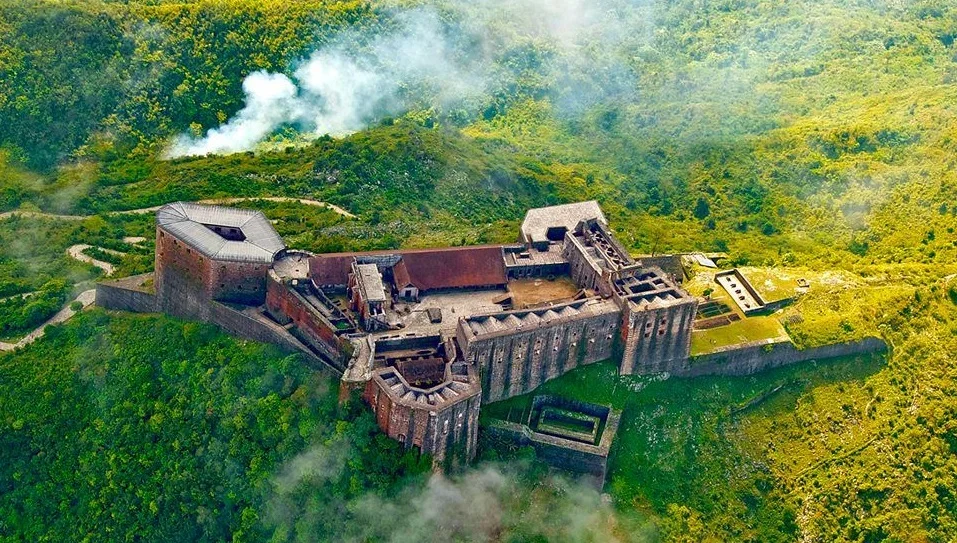
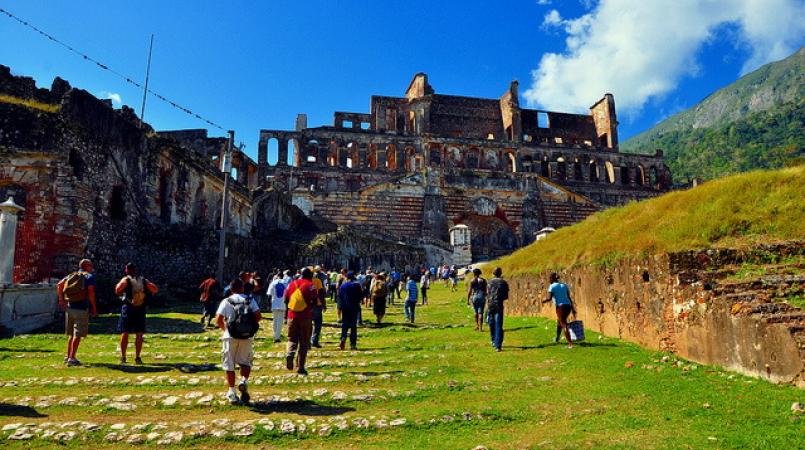
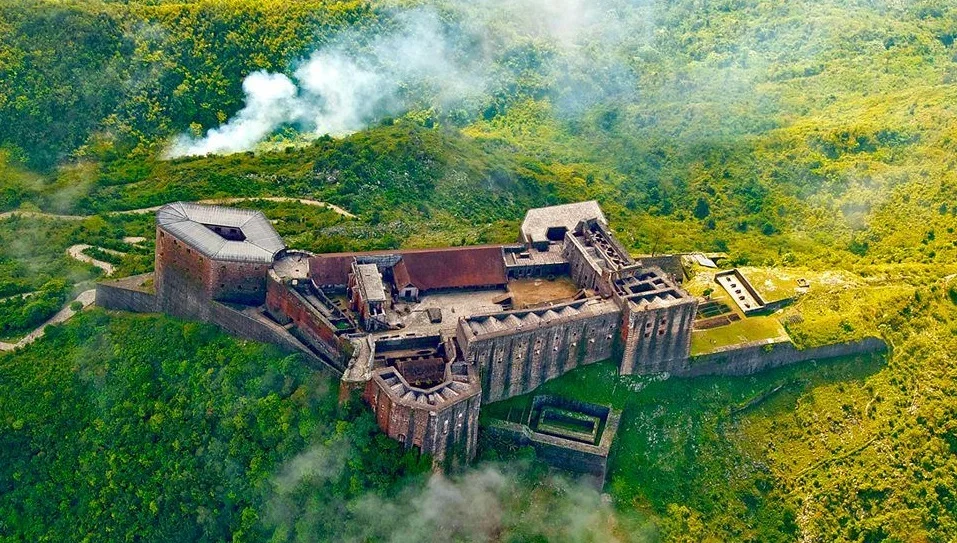
- Historical Heritage: Cap-Haïtien is the birthplace of many significant events in Haitian history, including the revolution that led to independence. Visitors can explore the Citadelle Laferrière, the largest fort in the Caribbean and a UNESCO World Heritage Site, as well as the ruins of the Sans-Souci Palace, often compared to Versailles for its grandeur.
- Colonial architecture: Its cobblestone streets and colorful houses are a testament to its past as a French colonial capital.
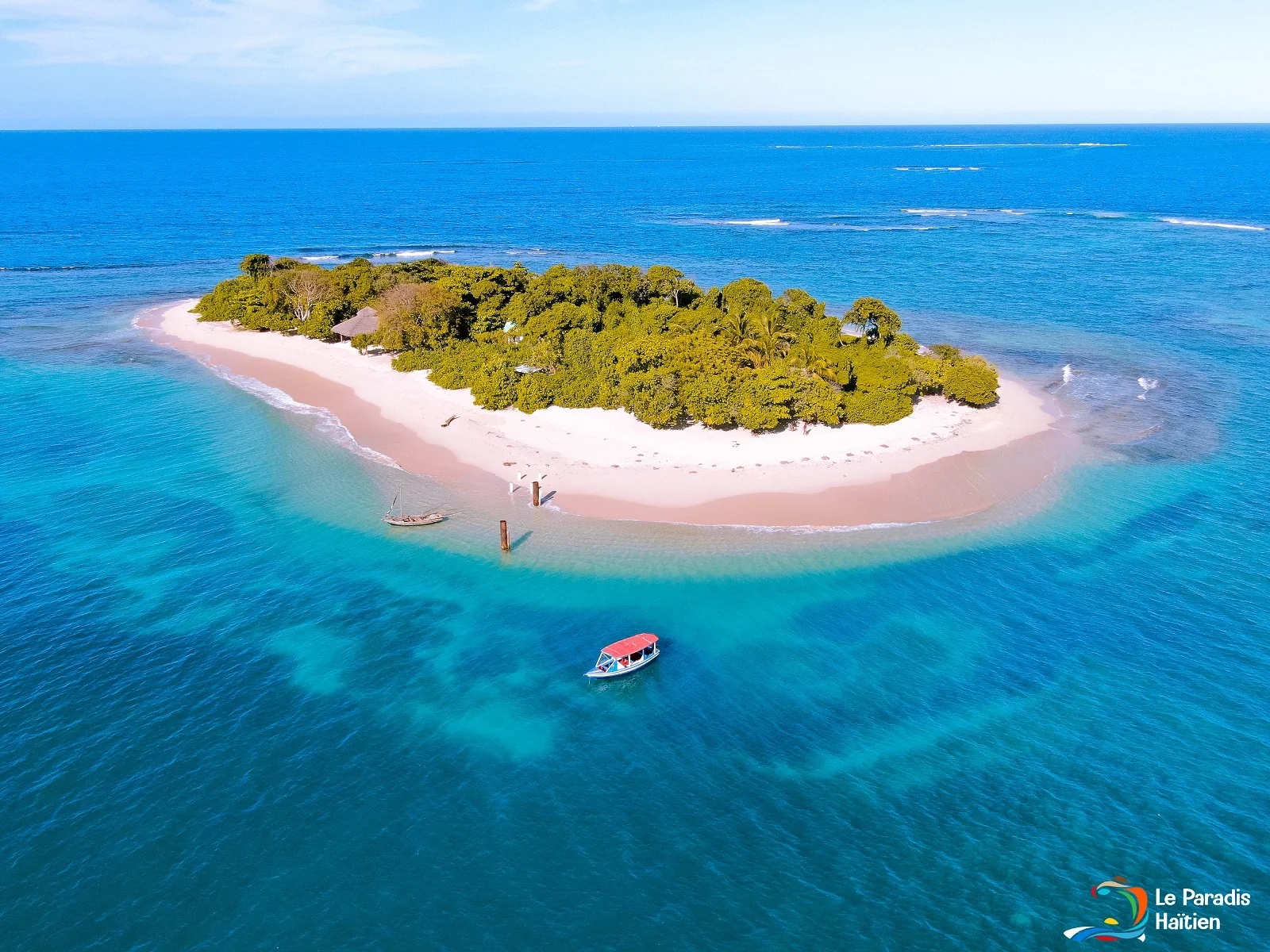
- Idyllic beaches: Labadie, a nearby private beach, is a popular stopover for cruise passengers and offers activities like diving, kayaking, and boat tours.

Cap-Haïtien is a top destination for history and culture lovers, combining heritage with natural beauty.

See as well

Haïti
Haïti
Haïti

Jacmel: The artistic and festive capital

If Cap-Haïtien is an ode to history, Jacmel is a vibrant tableau of art and festivities.

- Artistic heritage: Known as the capital of Haitian art, Jacmel is full of galleries, craft markets, and murals that tell the story of local history and traditions.
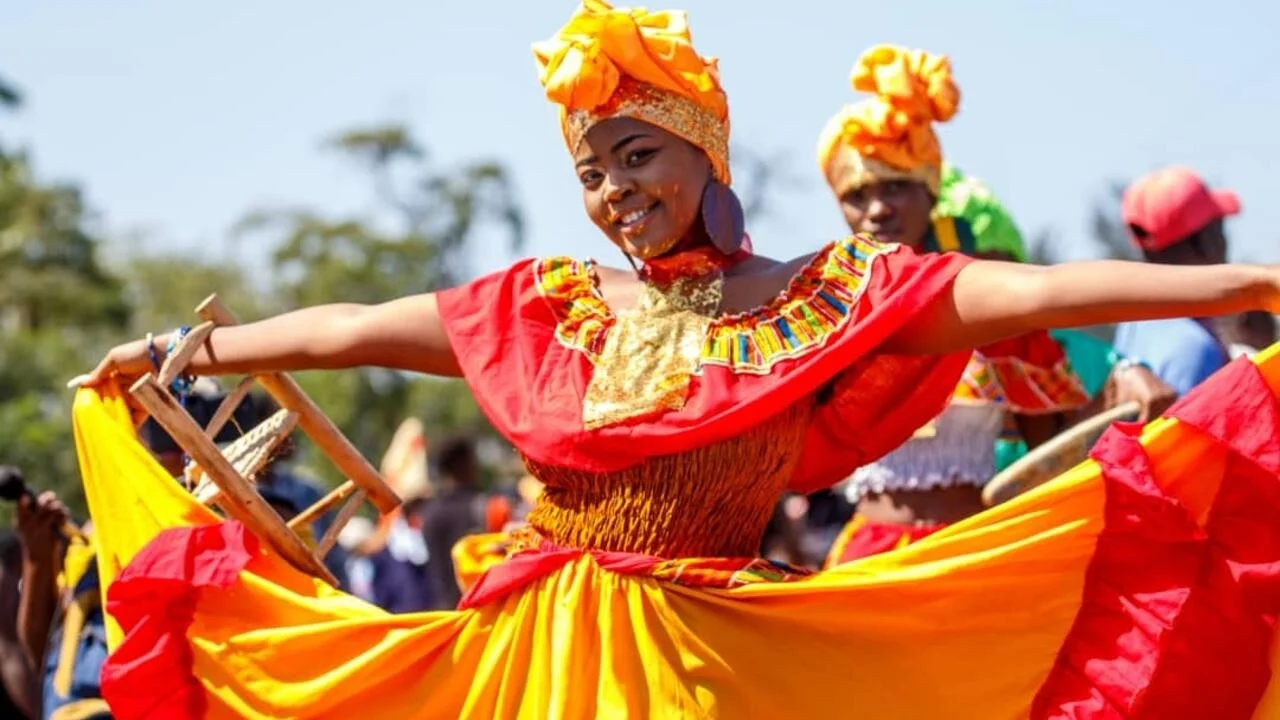
- Jacmel Carnival: This annual event attracts thousands of visitors with its papier-mâché masks, colorful costumes, and lively rhythms.
- Beaches and natural sites: Jacmel is surrounded by beautiful beaches like Raymond-les-Bains and natural wonders like Bassins Bleu, a series of crystal-clear natural pools nestled in the mountains.

Jacmel seduces visitors with its bohemian atmosphere and festive energy, making it a must-see jewel of Haitian tourism.

Haïti
Haïti
Haïti

Complementary tourist attractions

Although Cap-Haïtien and Jacmel are different in essence, they share major assets:

- Accessibility: Cap-Haïtien has an international airport, facilitating the arrival of international tourists. Jacmel, on the other hand, is easily accessible from Port-au-Prince in just a two-hour drive.
- Cultural and natural wealth: Both cities offer a mix of history, art and breathtaking landscapes.
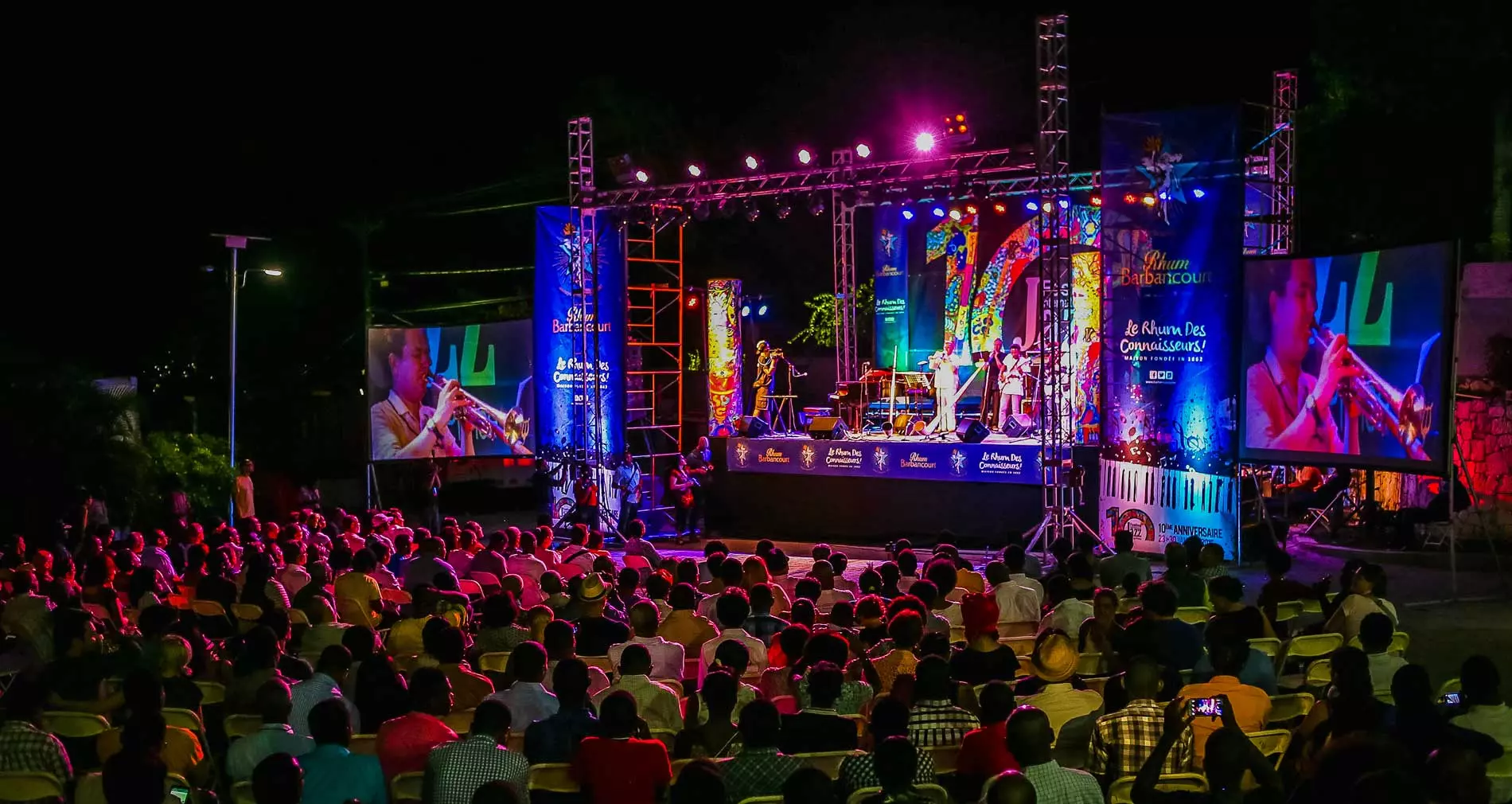
- Festivals: Whether it is the Jacmel carnival or the cultural festivities in Cap, both destinations vibrate to the rhythm of Haitian traditions.

These cities embody the diversity and unique identity of Haiti, offering unforgettable experiences to travelers.

Haïti
Haïti
Haïti

Some key figures

- 1804: Year of the proclamation of Haiti’s independence, marked by major events in Cap-Haïtien. - 200,000 inhabitants: Approximate population of Cap-Haïtien, making it one of the largest cities in the country.

- 5,000 visitors: Estimated annual participation in the Jacmel carnival before the pandemic.
- 300 years: Approximate age of the oldest historic buildings in Jacmel.

These data underline the importance of these two cities in the Haitian tourist landscape.

Haïti
Haïti
Haïti

Why visit Cap-Haïtien and Jacmel?

Choosing between Cap-Haïtien and Jacmel can be difficult, but each city has its own charm:

- For history: Cap-Haïtien is a must-see to understand the origins and heritage of the first independent black Republic.
- For art and celebration: Jacmel is an invitation to discover the artistic and festive soul of Haiti.
- For relaxation: The beaches of the two cities compete in beauty, offering heavenly settings to relax.

By visiting these two destinations, you will discover complementary facets of Haiti, a country with a thousand and one riches.

So, what are you waiting for to plan your trip? Share your impressions or memories of Cap-Haïtien and Jacmel in the comments!

Share
About the Author
Appolon Guy Alain
Appolon Guy Alain
Appolon Guy Alain

Full Stack Developer, Créatif, expérimenté, passionné des nouvelles technologies et de l’art.

See other articles from Appolon Guy Alain
Leave a comment

Recently Posted

Haïti et son Rôle Pionnier dans l’Abolition de l’Esclavage Mondial

For centuries, the institution of slavery has darkened human history, leaving behind a legacy of pain, oppression and the struggle for freedom. However, in this dark tale, one nation stands out for its courage and determination to break the chains of oppression: Haiti. Located in the Caribbean, Haïti played a pioneering role in the abolition of slavery, laying the foundation for the fight for freedom and equality around the world. The history of slavery in Haïti dates back to the arrival of Europeans on the island, which was then called Santo Domingo, in the 15th century. French colonists quickly established an economy based on sugar and coffee production, cruelly exploiting millions of African slaves deported to work on plantations. However, this brutal system engendered fierce resistance from slaves, whose fight for freedom ultimately led to one of the most significant revolutions in history. In 1791, under the leadership of iconic figures such as Toussaint Louverture, Jean-Jacques Dessalines and Henri Christophe, Haitian slaves rose up against their oppressors in an unprecedented rebellion. This revolt resulted in a war of independence that lasted more than a decade, but ultimately resulted in the proclamation of Haiti’s independence in 1804, making that country the first post-colonial nation ruled by people from slavery. The impact of the Haitian Revolution on the abolition of slavery worldwide cannot be overstated. By breaking the chains of oppression and proclaiming their independence, Haitians have sent a powerful message to all oppressed peoples around the world: freedom is possible, and it is worth the struggle. The example of Haïti inspired other movements for the abolition of slavery in the Americas and beyond, thus helping to shake the very foundations of the institution of slavery. Haiti’s participation in the fight against slavery was not limited to its territory; it also extended to external actions where Haitian men were sent or actively participated in movements for the abolition of slavery in other regions of the world. For example, Haitian President Alexandre Pétion supported Simón Bolívar, the leader of the South American revolution, by providing him with weapons, money and even men, which contributed to the liberation of several countries in America Latin of colonial domination. Haïti also provided support for independence movements in Central America. Haitian fighters, led by General Jean-Pierre Boyer, helped Venezuelan patriots fight against Spanish rule, contributing to the liberation of that region. The Haitian government financially and diplomatically supported movements for the abolition of slavery in countries such as Venezuela, Colombia and Mexico, contributing to the gradual eradication of this institution throughout the region. Although Haïti did not directly participate in the American Civil War, many Haitians and descendants of Haitians played crucial roles in the abolitionist movement in the United States. Figures who were of Haitian origin or of Haitian ancestry, were important voices in the fight against slavery and for equal rights in the United States. The legacy of the Haitian Revolution remains a symbol of resistance and courage for future generations. Today, as the world continues to struggle against injustice and oppression in various forms, Haiti’s history reminds us that the fight for freedom is a universal fight, one that transcends borders and times. Haiti’s participation in the abolition of slavery throughout the world remains a crucial chapter in the history of humanity. Through their courage and determination, Haitians have paved the way for a future where freedom and equality are inalienable rights for all.

Newsletter

Subscribe to our newsletter to stay informed of all our activities and news on Haiti.

Haïti / Fort Saint-Joseph: Historical Vestige of the Resistance

Located in the Bay of Cap-Haitien, Fort Saint-Joseph stands like a silent guardian of Haiti’s tumultuous history. Built in two stages, in 1748 and 1774, this defensive work was once a crucial element of the city’s protection system against French colonial assaults. Alongside other forts such as Picolet and Magny, its mission was to control maritime passages and defend Haitian sovereignty. However, its history is not limited to its defensive function. In 1802, then under the control of General Henry Christophe, the fort became the scene of a heroic act of resistance. Faced with the French expeditionary army, Christophe ordered the destruction of the powder magazine and the entrance gate to the fort, thus rendering it temporarily unusable. This courageous gesture, although tactical, left indelible scars on the very structure of the fort, testifying to the fierce clashes between French colonial forces and Haitian resistance fighters. These historic marks, still visible today, offer a window into the country’s tumultuous past. They allow visitors and historians to interpret the fierce struggles that forged Haitian identity. Fort Saint-Joseph, as a witness to the resistance and the struggle for freedom, embodies the indomitable spirit of the Haitian people. Recognizing its historical significance, the Haitian government officially classified Fort Saint-Joseph as national heritage in 1995. This recognition paved the way for restoration efforts aimed at preserving this precious vestige of Haitian military heritage. Thanks to collaboration between the public sector and local private funding, the fort has recently been restored and enhanced. Thus, Fort Saint-Joseph remains much more than a simple stone structure. It is a living symbol of the resilience and determination of the Haitian people, reminding all visitors that Haiti’s history is deeply rooted in the struggle for freedom and human dignity. To virtually discover this jewel of Haitian history, you can visit the following link: https://haitiwonderland.com/haiti-virtual-reality-ht/monuments-histoire/haiti--fort-saint-joseph--visite- virtual/11

Haiti: A Little-Known Pillar of World Independence

Haiti, the world’s first independent black republic, played an exceptional role in the quest for independence for other nations. Although often overshadowed by other historical events, Haiti’s contribution to the liberation of other countries was significant and deserves to be highlighted. b~The Haitian Revolution~b At the turn of the 19th century, Haïti threw off the chains of slavery and achieved the impossible by freeing itself from French colonial rule. In 1804, the country proclaimed its independence, ushering in a new era for oppressed peoples around the world. b~Inspiration for Latin America~b The Haitian Revolution was a major source of inspiration for independence movements in Latin America. Iconic figures such as Simón Bolívar and Francisco de Miranda recognized the courage and determination of Haitians as a driving force for their own struggles. By materially and ideologically supporting these movements, Haïti contributed to the emergence of several independent nations in South America. b~Influence in Africa~b Beyond the Americas, Haïti also played a crucial role in the quest for independence in Africa. African leaders have left a legacy that has inspired entire generations of freedom fighters on the African continent. The idea that oppressed people could rise up against their oppressors found a powerful echo in the struggles for independence in Africa. b~Support for Liberation Movements~b Throughout its history, Haïti has provided substantial support to liberation movements around the world. Whether through troop dispatches, financial resources or active diplomacy, the country has demonstrated its solidarity with those fighting for their autonomy. Haiti’s contributions have often been discreet but crucial. Haiti, as a pioneer of independence and freedom, has left a lasting impact on the world stage. His legacy resonates across continents, reminding the world that the quest for freedom is universal. By recognizing and celebrating Haiti’s role in the independence of other nations, we not only honor its history, but we also commit to promoting a future where all people have the opportunity to shape their destiny.

Recently Posted

History

History

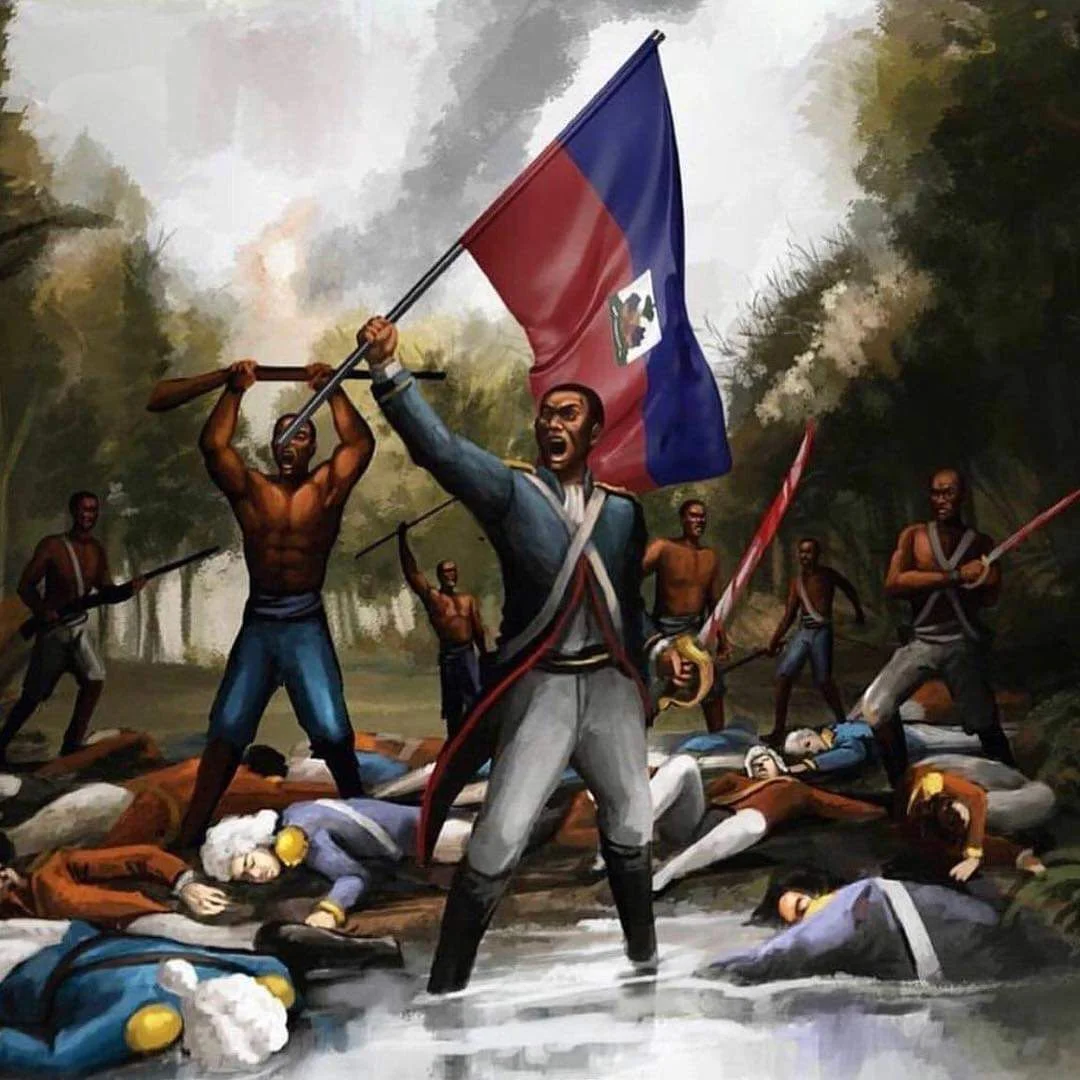
First black nation to free itself from slavery and gain independence from France in 1804 and influenced other liberation movements around the world, inspiring struggles for freedom and equality.

Natural beauty

Natural beauty

Haïti is blessed with spectacular natural landscapes, including white sand beaches, mountains and rich biodiversity.

Heritage

Heritage

Haïti has a rich historical heritage, including sites like the Citadelle Laferrière and the Sans-Souci Palace, listed as UNESCO World Heritage Sites.

Culture

Culture

Haïti has a rich and diverse culture, influenced by African, European and indigenous elements. Haitian music, dance, art and cuisine are celebrated around the world.

  • +
    • Post