contact@haitiwonderland.com+509 36184317

Discover

Shopping Cart

Cap-Haïtien or Jacmel: Which is the tourist capital of Haiti?

Cap-Haïtien or Jacmel: Which is the tourist capital of Haiti?

Haïti is full of natural and cultural treasures, and two cities stand out as the country’s top tourist capitals: Cap-Haïtien in the north and Jacmel in the southeast. Each of these cities offers unique experiences, reflecting Haiti’s rich history, culture, and nature. Let’s explore why these two destinations are must-sees for any traveler.

Haïti
Haïti
Haïti

Cap-Haïtien: The Historical and Cultural Capital

Nicknamed "The City of 365 Doors," Cap-Haïtien is a city steeped in history and colonial charm.

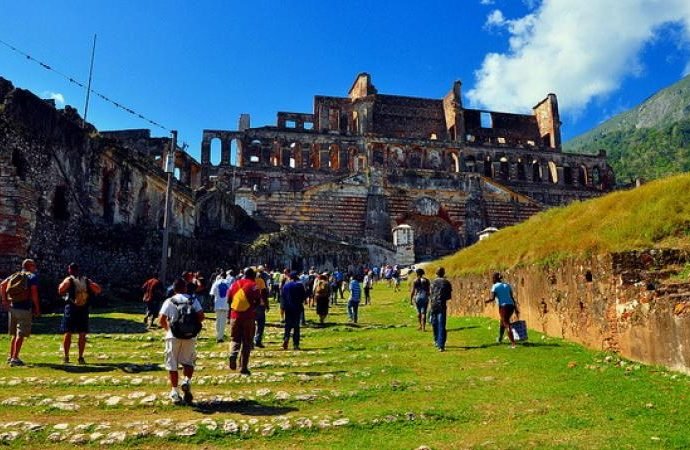
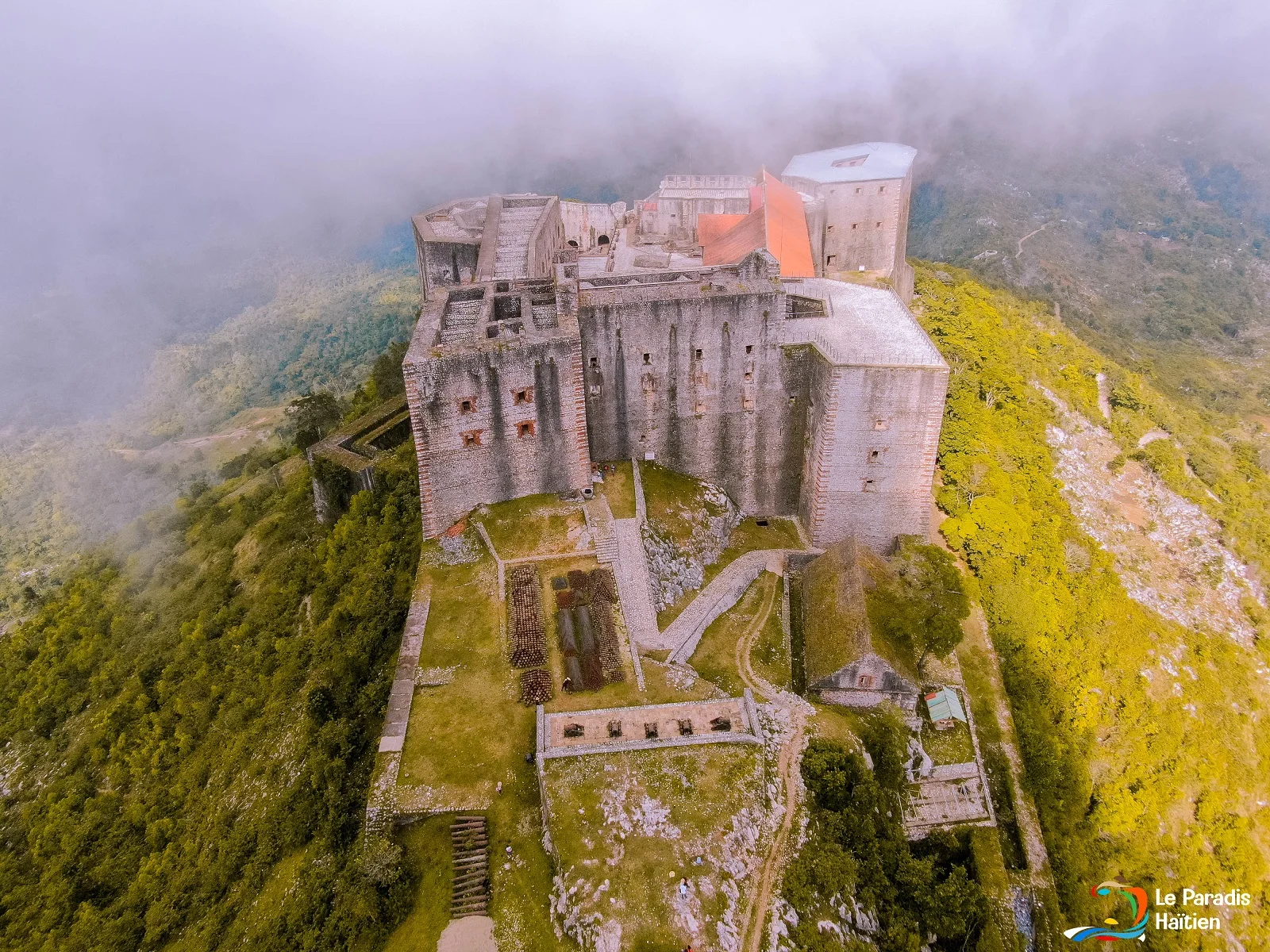
- Historical Heritage: Cap-Haïtien is the birthplace of many significant events in Haitian history, including the revolution that led to independence. Visitors can explore the Citadelle Laferrière, the largest fort in the Caribbean and a UNESCO World Heritage Site, as well as the ruins of the Sans-Souci Palace, often compared to Versailles for its grandeur.
- Colonial architecture: Its cobblestone streets and colorful houses are a testament to its past as a French colonial capital.
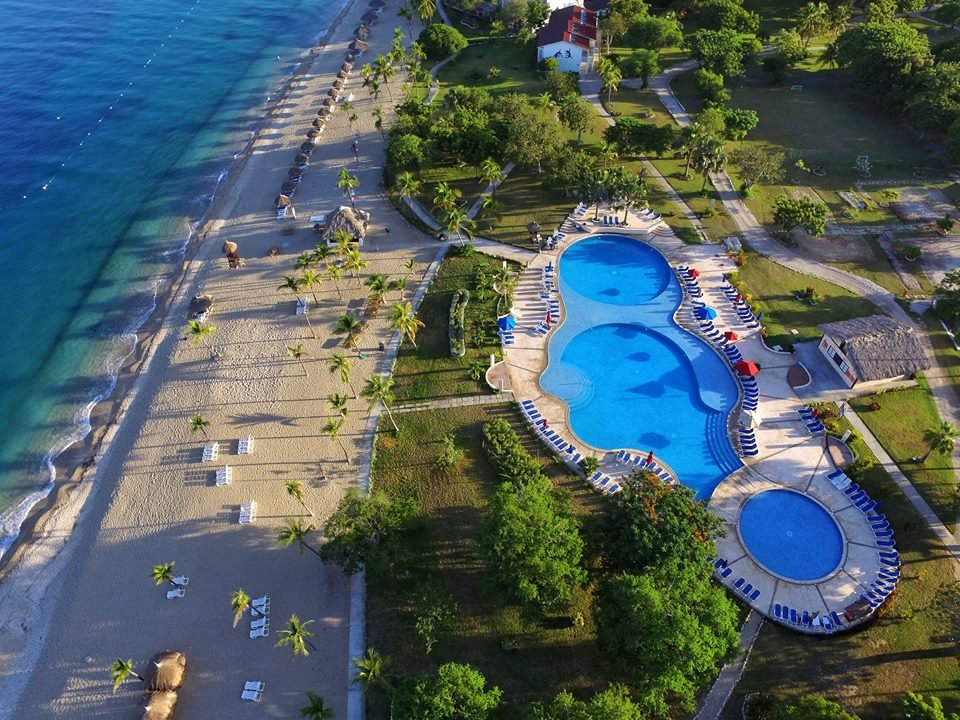
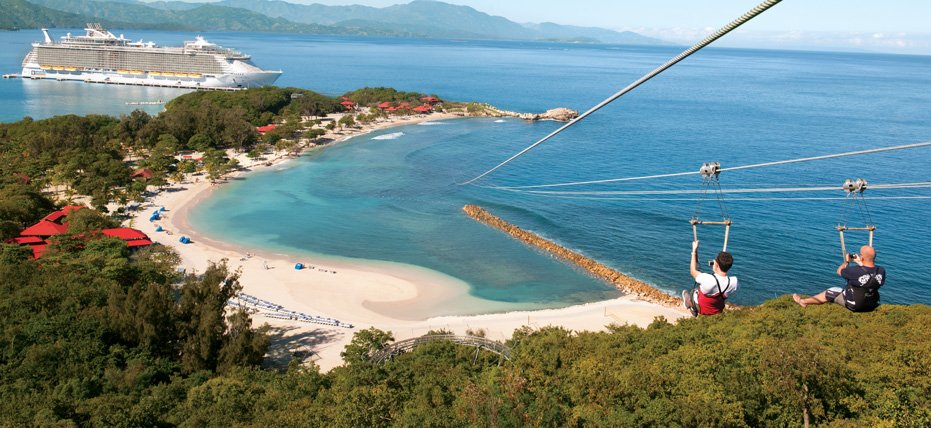
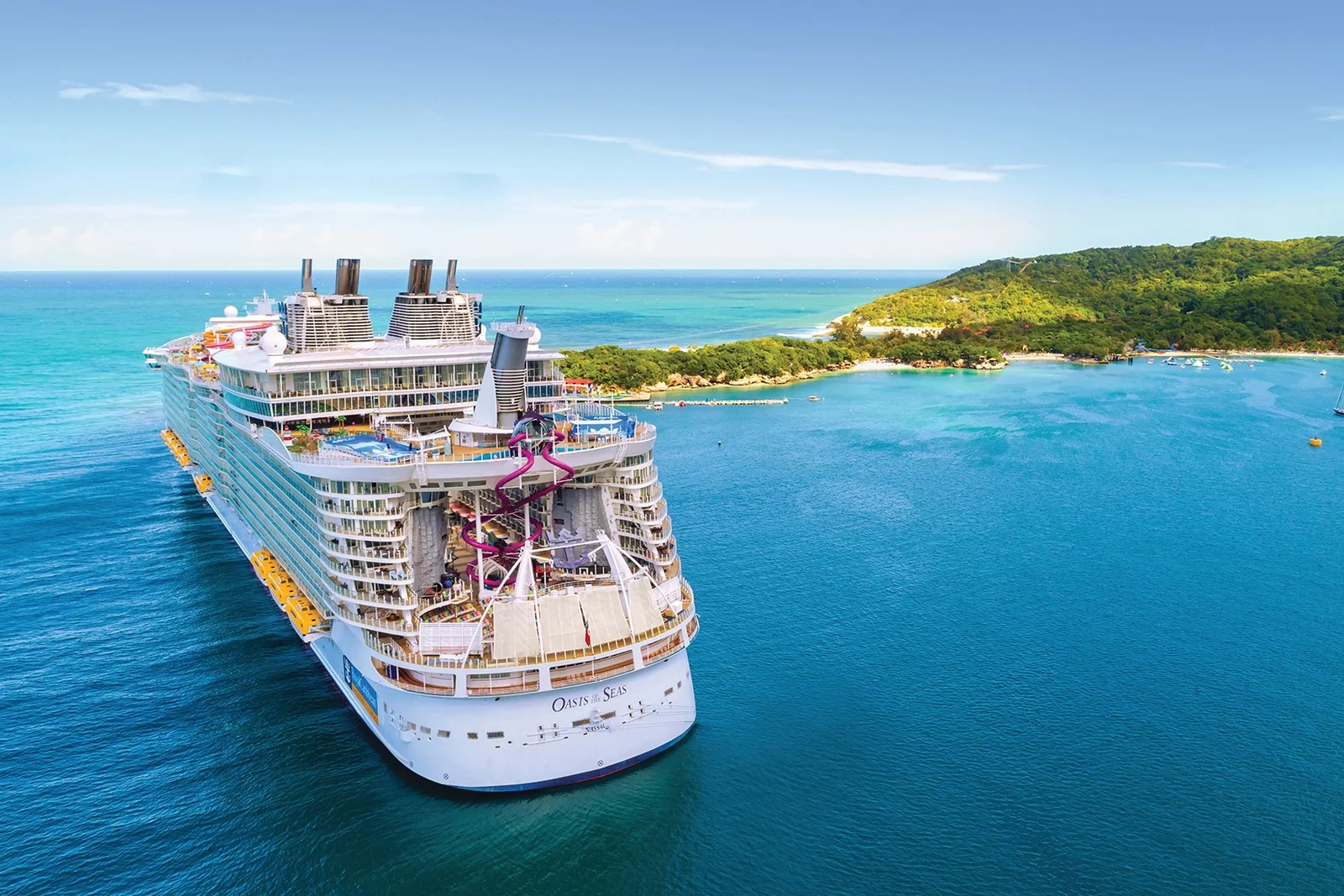
- Idyllic beaches: Labadie, a nearby private beach, is a popular stopover for cruise passengers and offers activities like diving, kayaking, and boat tours.

Cap-Haïtien is a top destination for history and culture lovers, combining heritage with natural beauty.

Haïti
Haïti
Haïti

Jacmel: The artistic and festive capital

If Cap-Haïtien is an ode to history, Jacmel is a vibrant tableau of art and festivities.

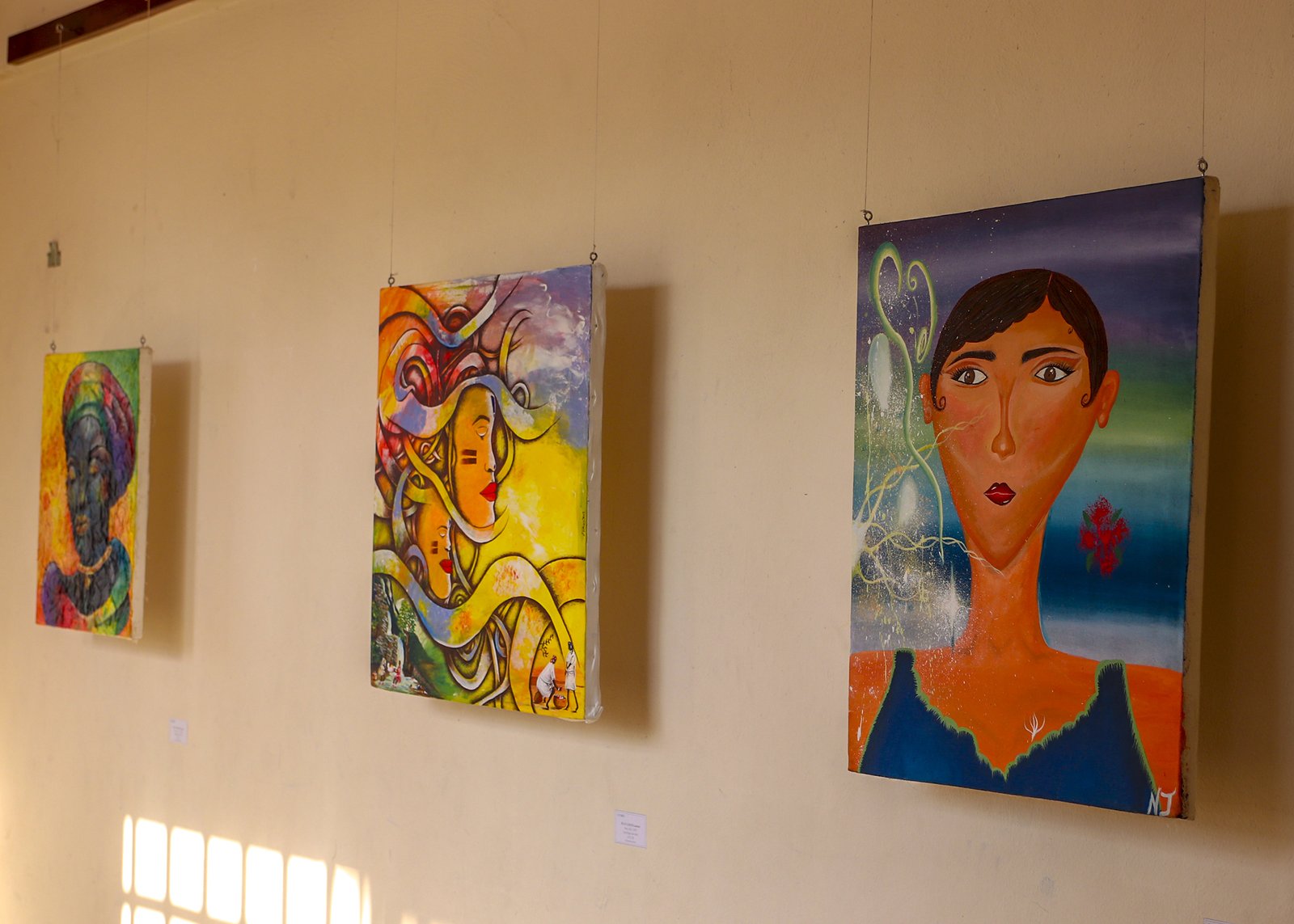
- Artistic heritage: Known as the capital of Haitian art, Jacmel is full of galleries, craft markets, and murals that tell the story of local history and traditions.
- Jacmel Carnival: This annual event attracts thousands of visitors with its papier-mâché masks, colorful costumes, and lively rhythms.
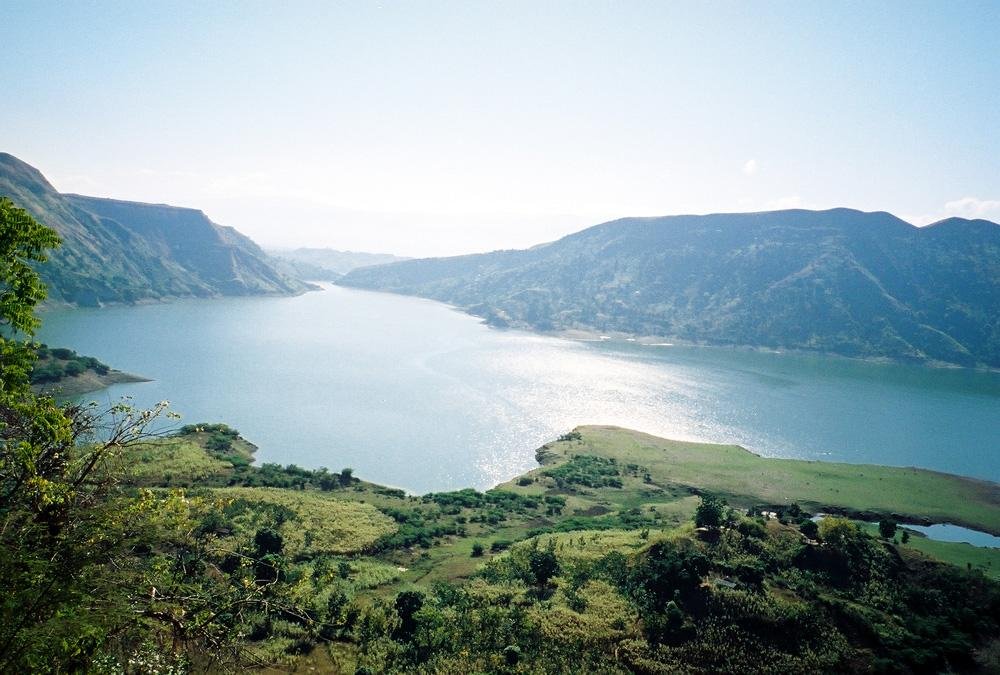
- Beaches and natural sites: Jacmel is surrounded by beautiful beaches like Raymond-les-Bains and natural wonders like Bassins Bleu, a series of crystal-clear natural pools nestled in the mountains.

Jacmel seduces visitors with its bohemian atmosphere and festive energy, making it a must-see jewel of Haitian tourism.

Haïti
Haïti
Haïti

Complementary tourist attractions

Although Cap-Haïtien and Jacmel are different in essence, they share major assets:

- Accessibility: Cap-Haïtien has an international airport, facilitating the arrival of international tourists. Jacmel, on the other hand, is easily accessible from Port-au-Prince in just a two-hour drive.
- Cultural and natural wealth: Both cities offer a mix of history, art and breathtaking landscapes.
- Festivals: Whether it is the Jacmel carnival or the cultural festivities in Cap, both destinations vibrate to the rhythm of Haitian traditions.

These cities embody the diversity and unique identity of Haiti, offering unforgettable experiences to travelers.

Haïti
Haïti
Haïti

Some key figures

- 1804: Year of the proclamation of Haiti’s independence, marked by major events in Cap-Haïtien. - 200,000 inhabitants: Approximate population of Cap-Haïtien, making it one of the largest cities in the country.
- 5,000 visitors: Estimated annual participation in the Jacmel carnival before the pandemic.
- 300 years: Approximate age of the oldest historic buildings in Jacmel.

These data underline the importance of these two cities in the Haitian tourist landscape.

Haïti
Haïti
Haïti

Why visit Cap-Haïtien and Jacmel?

Choosing between Cap-Haïtien and Jacmel can be difficult, but each city has its own charm:

- For history: Cap-Haïtien is a must-see to understand the origins and heritage of the first independent black Republic.
- For art and celebration: Jacmel is an invitation to discover the artistic and festive soul of Haiti.
- For relaxation: The beaches of the two cities compete in beauty, offering heavenly settings to relax.

By visiting these two destinations, you will discover complementary facets of Haiti, a country with a thousand and one riches.

So, what are you waiting for to plan your trip? Share your impressions or memories of Cap-Haïtien and Jacmel in the comments!

Share
About the Author
Appolon Guy Alain
Appolon Guy Alain
Appolon Guy Alain

Full Stack Developer, Créatif, expérimenté, passionné des nouvelles technologies et de l’art.

See other articles from Appolon Guy Alain
Leave a comment

Recently Posted

Exploring Cayes-Jacmel, Haiti: Discovering a tourist and cultural treasure.

Nestled in the splendid mountains of the southeastern region of Haiti, the picturesque commune of Cayes-Jacmel emerges as a rare pearl, offering an incomparable tourist and cultural experience. With its lush green landscapes, rich cultural heritage and exciting activities, this destination promises an unforgettable journey for travelers seeking authenticity and natural beauty. As soon as you arrive in Cayes-Jacmel, you will be captivated by the splendor of its landscapes. The plains and hills that dominate the terrain offer a breathtaking spectacle, ideal for picturesque hikes and leisurely walks. The town is also full of crystal clear waterways, perfect for a refreshing break or a relaxing fishing session. Explore the hidden trails and let yourself be enchanted by the thriving biodiversity of the region, where nature reigns supreme. Without forgetting the magnificent beaches of Kabic like "Ti Mouillage", where the fine sand and turquoise waters invite relaxation and water sports. Cayes-Jacmel is steeped in rich history and vibrant culture, reflected in its majestic temples and churches. With more than thirty-two temples of all faiths, including Baptist churches, Churches of God and Catholic churches, the town is a symbol of religious diversity and tolerance. Immerse yourself in the region’s fascinating past by visiting the magistrate’s court and police station, witnesses to its political and legal legacy. Experience the excitement of local life by participating in the lively festivals and cultural events of Cayes-Jacmel. Immerse yourself in the haunting rhythms of Haitian music during community celebrations, and discover traditional crafts at local markets. Don’t miss the town’s annual festival, where dance, gastronomy and the arts combine to create a festive and warm atmosphere. Whether you’re a sports lover, adventure enthusiast, or simply looking for relaxation, Cayes-Jacmel has something to offer every traveler. Play football or basketball on the local pitches, or dance the night away at one of the town’s lively nightclubs. For an authentic experience, join a fishing excursion with the locals, or explore the region’s hidden gems on an exciting jeep tour. With its breathtaking natural beauty, rich cultural heritage and captivating activities, Cayes-Jacmel emerges as an incomparable tourist and cultural destination in Haiti. Whether you are looking for adventure, relaxation or cultural discoveries, this picturesque town promises you an unforgettable experience, imbued with the very essence of Haitian life. Embark on a journey to the heart of the magic of Cayes-Jacmel and let yourself be enchanted by its charm.

Newsletter

Subscribe to our newsletter to stay informed of all our activities and news on Haiti.

Haïti, a rich and impoverished country

Located in the western part of the island of Hispaniola, Haïti is a land imbued with natural, cultural and historical wealth. Unfortunately, behind the beauty of its landscapes, the richness of its culture and the delicacy of its cuisine lies a complex reality marked by the debt of its independence and the persistent interference of third countries, casting a shadow over its stability. b~The Natural Beauty of Haïti~b Haïti, nicknamed the "Pearl of the Antilles", dazzles with the diversity of its landscapes. From majestic mountains and lush valleys to meandering rivers and sandy beaches, the country offers natural beauty worth celebrating. The famous Citadelle Laferrière mountains and the refreshing waterfalls of Bassin-Bleu are just a few examples of the splendor that characterizes this nation. b~A Rich and Diverse Culture~b Haïti stands out for its vibrant and diverse culture. A heritage of African, French and indigenous influence, Haïtian music, dance and art reflect a unique fusion. Colorful festivals, like Carnival, are celebrations of this cultural richness, attracting visitors from all over the world. b~Delicious Cuisine~b Haïtian cuisine, tasty and spicy, is another aspect worth celebrating. Dishes like griot, sticky rice, and the legendary joumou soup, traditionally prepared to commemorate independence, are all culinary delights that demonstrate the country’s gastronomic ingenuity. b~Heritage Treasures and Paradise Beaches~b Haïti’s heritage treasures, such as the remains of the Sans-Souci Palace and the Citadelle Laferrière, listed as UNESCO World Heritage Sites, are testimonies to the architectural grandeur of Haïti’s past. At the same time, beaches like Labadee and Jacmel offer havens of peace with crystal clear waters, attracting travelers in search of a tropical paradise. b~A Fascinating Story~b The history of Haïti is both fascinating and tragic. It was the first country in the Americas to gain its independence, in 1804, after a courageous slave revolt. However, this independence came with a heavy financial price. France demanded exorbitant compensation, thus laying the foundations for Haïti’s foreign debt. b~The Debt of Independence and Foreign Interference~b Despite these treasures, Haïti struggles with the reality of its independence debt. After gaining its freedom, the country was forced to pay France a considerable sum in compensation for losses associated with the abolition of slavery. This debt has been a major economic burden for Haïti, hindering its development. Additionally, foreign interference continues to create significant challenges. External political and economic interventions have often contributed to the country’s instability, hindering its ability to build a sustainable future for its citizens. b~In conclusion~b Haïti remains a country of multiple riches, but its challenges persist. Despite its natural beauty, rich culture and fascinating history, the nation needs enlightened international support and lasting solutions to overcome the obstacles that stand in its way. Haïti’s wealth lies not only in its enchanting landscapes, but also in the potential of its people to be resilient and prosper despite persistent challenges.

Recently Posted

History

History

First black nation to free itself from slavery and gain independence from France in 1804 and influenced other liberation movements around the world, inspiring struggles for freedom and equality.

Natural beauty

Natural beauty

Haïti is blessed with spectacular natural landscapes, including white sand beaches, mountains and rich biodiversity.

Heritage

Heritage

Haïti has a rich historical heritage, including sites like the Citadelle Laferrière and the Sans-Souci Palace, listed as UNESCO World Heritage Sites.

Culture

Culture

Haïti has a rich and diverse culture, influenced by African, European and indigenous elements. Haitian music, dance, art and cuisine are celebrated around the world.

  • +
    • Post