contact@haitiwonderland.com+509 36184317

Discover

Shopping Cart

Haiti: Everything You Need to Know

Haiti: Everything You Need to Know

Haïti is a country located in the Caribbean, occupying the western third of the island of Hispaniola which it shares with the Dominican Republic. With a rich and complex history, Haïti stands out for its vibrant culture, unique heritage and resilience in the face of challenges.

Haïti
Haïti
Haïti

History

Haïti has a history marked by colonization and the struggle for independence. Initially inhabited by the Tainos, the island was discovered by Christopher Columbus in 1492. Under Spanish and then French domination, Haïti became one of the richest colonies in the world thanks to the exploitation of sugar cane plantations. and coffee, using slave labor.

In 1804, Haïti became the first black nation to gain independence after a slave-led revolution. Under the leadership of leaders such as Toussaint Louverture and Jean-Jacques Dessalines, Haïti overthrew French colonial rule, marking a historic turning point in the fight against slavery.

Discover the history of Haiti: A fascinating story to explore! : https://haitiwonderland.com/haiti/histoire/decouvrez-l-histoire-d-haiti--un-recit-fascinant-a-explorer/81

Haïti
Haïti
Haïti

Heritage

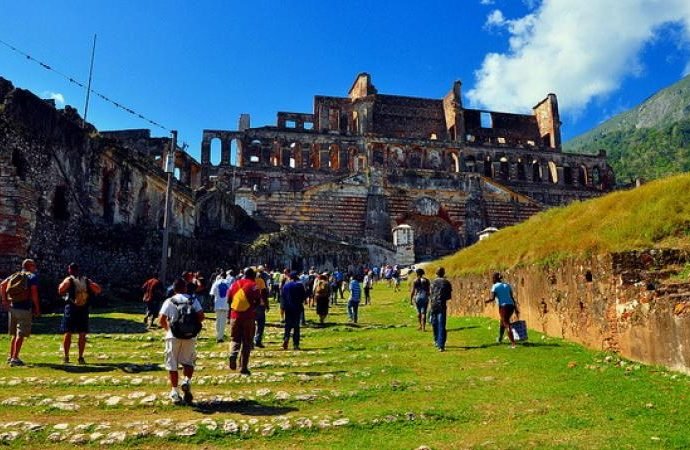
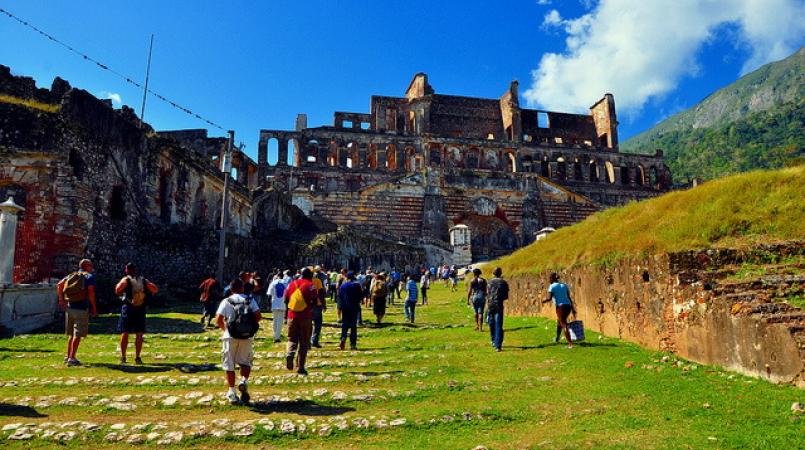
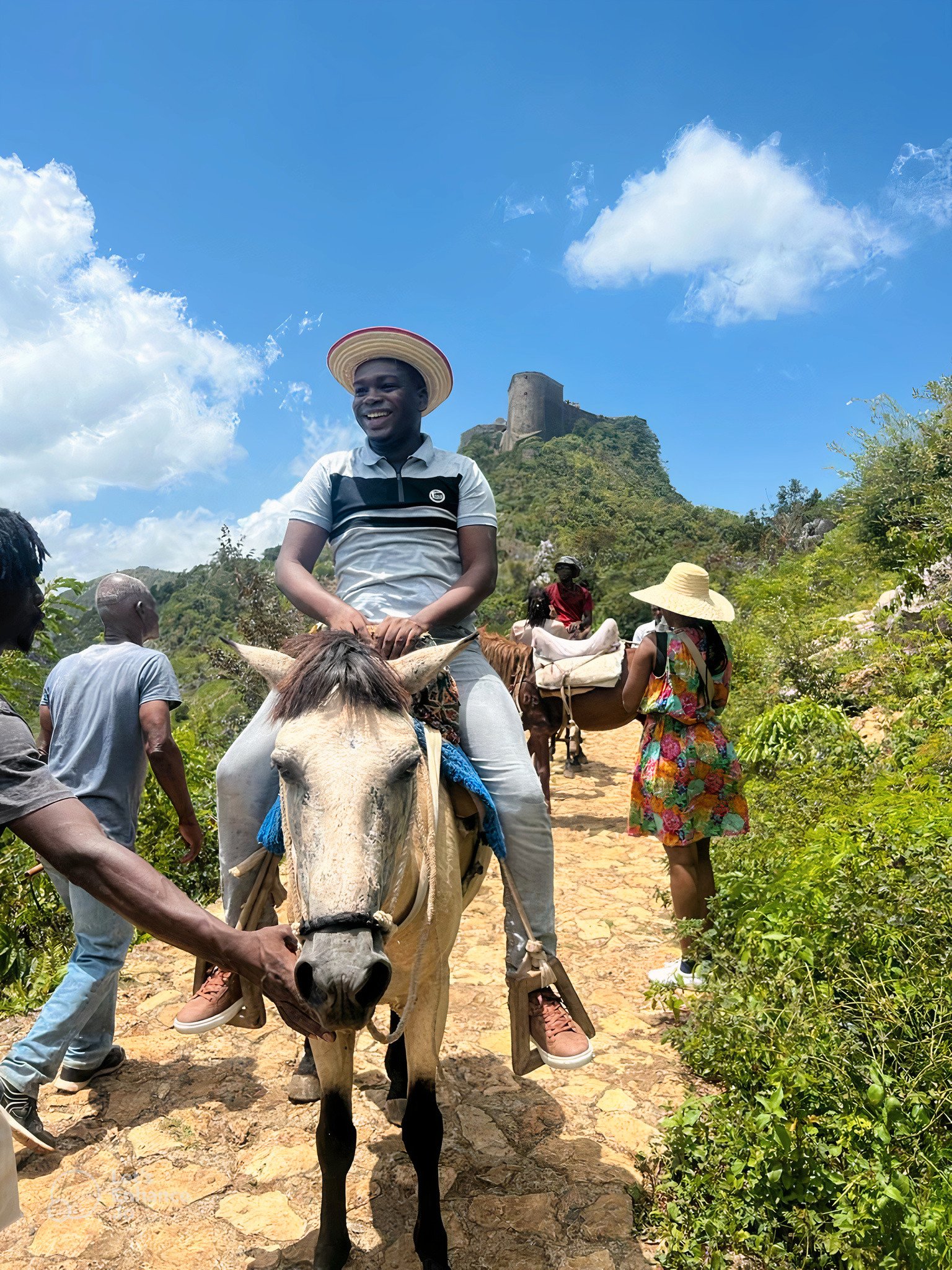
Haïti retains many vestiges of its French and Spanish colonial past. Colonial forts and buildings, such as the Citadelle Laferrière and the Palais Sans-Souci, both UNESCO World Heritage Sites, bear witness to the military and civilian architecture of the colonial era. Built in the early 19th century during the reign of King Henri Christophe, these sites symbolize Haitian resistance against oppression and represent remarkable examples of engineering and architectural design of the era.

Discover the historical and heritage treasures of Haiti! : https://haitiwonderland.com/haiti/histoire/haiti--patrimoine-et-sites-histoires/130

Haïti
Haïti
Haïti

Culture

Haitian culture is an eclectic mix of African, French, Spanish and indigenous influences. The official language is French, but Haitian Creole is the most widely spoken language and is a central part of national identity. Religion also plays a crucial role, with Roman Catholicism and Vodou coexisting and deeply influencing traditions and social practices.

Music and dance are vibrant aspects of Haitian culture, with genres such as compas, rara and meringue. Festivals, particularly Carnival, are strong moments where creativity and community spirit are fully manifested.

Discover the cultural richness of Haiti: https://haitiwonderland.com/haiti/culture/decouvrez-la-richesse-culturelle-d-haiti/114

Haïti
Haïti
Haïti

Geography

Haïti is characterized by a diverse topography including mountains, coastal plains and plateaus. The island’s tropical climate favors rich biodiversity.

The 10 departments of Haiti: https://haitiwonderland.com/haiti/geographie/les-10-departements-d-haiti/123

Haïti
Haïti
Haïti

Climate

Haïti benefits from a pleasant tropical climate, typical of regions located in the Caribbean. Haïti experiences warm temperatures year-round, with little significant seasonal variation. Average temperatures generally vary between 24°C and 32°C, providing a warm and sunny climate enjoyed by visitors throughout the year.

Haiti’s climate is divided into two main seasons: a dry season which extends from November to April, and a wet season from May to October. During the dry season, days are often sunny with little or no rainfall, while the wet season can see regular showers, often in the afternoon or evening, cooling the atmosphere after the heat of the day.

Due to its pleasant climate, Haïti attracts visitors all year round to enjoy its stunning beaches, mountainous landscapes, rich culture and fascinating history. The months of December to April are often preferred for travel, as they offer stable and sunny weather conditions, ideal for exploring tourist attractions and participating in local festivals like Carnival.

Haïti and its Climate: https://haitiwonderland.com/haiti/tourisme/haiti-et-son-climat/129

Haïti
Haïti
Haïti

Tourist attractions

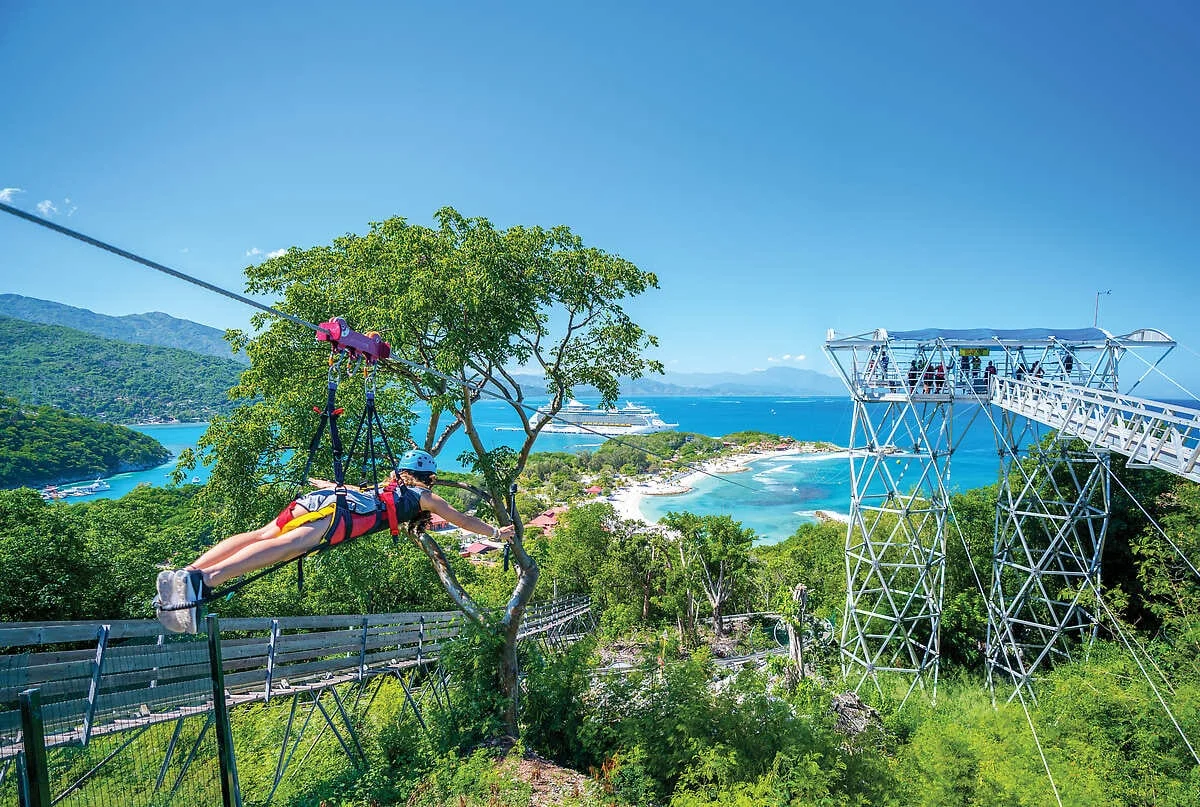
Haïti offers a wealth of tourist experiences combining history, nature, culture and adventure. By exploring these attractions, visitors can experience the diversity and beauty of Haïti while enjoying the warm hospitality of its people and supporting the sustainable development of tourism in the country.

20 best places to visit in Haiti: https://haitiwonderland.com/haiti/tourisme/20-meilleurs-places-a-visiter-en-haiti-sites-touristiques-plages-et-autre/98

Haïti
Haïti
Haïti

Natural Beauty of Haiti

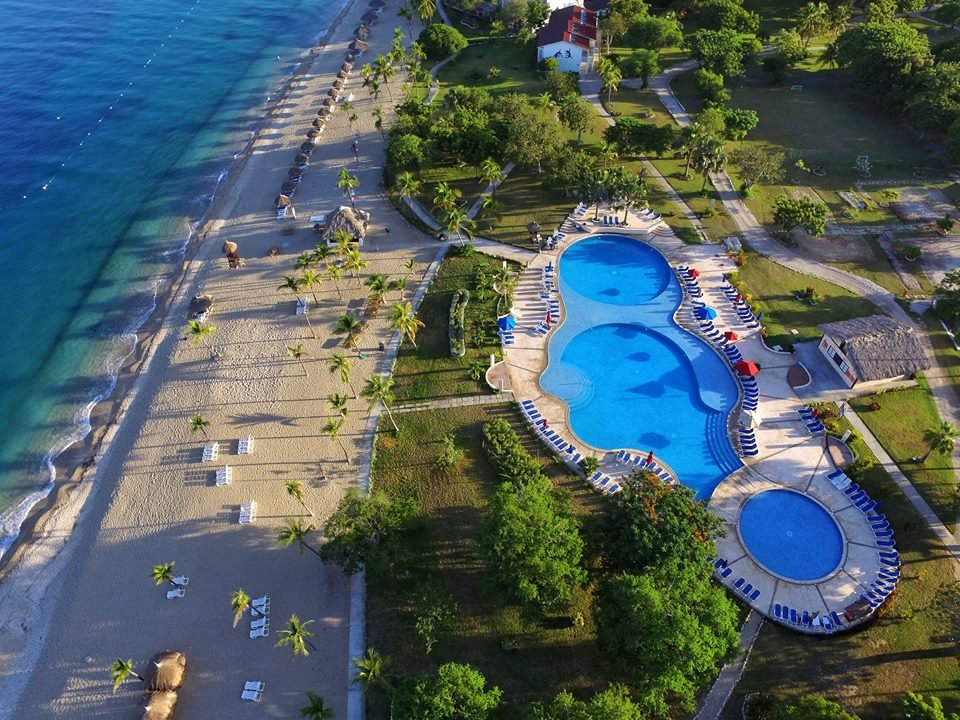
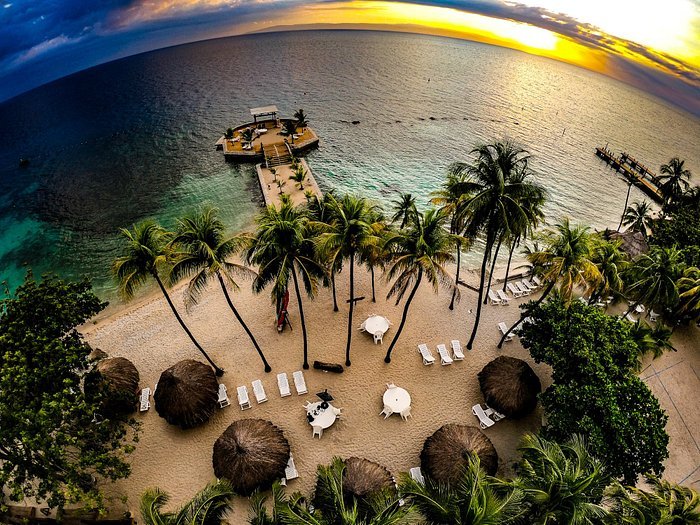
Haiti’s natural beauty is captivating, offering diverse landscapes ranging from white sand beaches lined with palm trees to verdant mountains and lush rainforests. The crystal clear waters of its coasts invite relaxation and diving, while the mountainous interior is home to rich biodiversity and breathtaking panoramas.

https://haitiwonderland.com/haiti/tourisme/histoire-riche-culture-vibrante-beaute-naturelle-bienvenue-a-haiti/89

Haïti
Haïti
Haïti

Kitchen

Haitian cuisine is a delicious fusion of African, European and Creole flavors. It highlights local ingredients like rice, beans, corn, cassava and fish, as well as traditional spices and sauces like pikliz (spicy pickled vegetable condiment). Iconic dishes such as griot (marinated fried pork), diri ak djon djon (rice with black mushrooms), and tassot (fried meat) are examples of the diversity and richness of Haitian cuisine, often accompanied by plantains or avocados.

The Delights of Haitian Cuisine: 20 Essential Dishes: https://haitiwonderland.com/haiti/cuisine/les-delices-de-la-cuisine-haitienne--20-plats-incontournables/24

Haïti
Haïti
Haïti

Festivals and traditions

Holidays and traditions in Haïti are vibrant and colorful, reflecting the country’s diverse cultural heritage. Carnival is the most famous event, where the streets echo with compass music, exuberant dancing and elaborate costume parades. It is a festive celebration marking the end of Lent before Easter. Voodoo, a Haitian synchretic religion, also plays a central role in local traditions, with ritual ceremonies including music, dance and offerings to the spirits. Religious celebrations such as Flag Day (May 18) commemorate important historical events, while weddings and baptisms are joyful occasions when family and community come together to share traditional meals and folk dances.

Haitian traditions: https://haitiwonderland.com/haiti/culture/les-traditions-haitiennes/28

Security

Unfortunately, we cannot talk about Haïti without addressing the issue of security. In 2024, the country faces significant challenges in this area, and it is crucial for visitors to take appropriate precautions. Incidents such as thefts and assaults can occur, especially at night. Insecurity is mainly present in the capital, Port-au-Prince, but towns such as Cap-Haitien or Jacmel are calm and even offer nighttime activities. However, visitors are recommended to keep informed of local conditions, follow the advice of local authorities and tour operators, and avoid political protests as well as potentially dangerous areas. Despite these challenges, many travelers safely discover the beauty and cultural richness of Haïti by planning their trip carefully and remaining vigilant.

Haïti
Haïti
Haïti

Traveling to Haiti

Traveling to Haïti offers an enriching experience for those seeking both adventure and cultural immersion. Discover historic sites like the Citadelle Laferrière and the Palais Sans-Souci, soak up the vibrant culture through Carnival and local festivals, and explore the beautiful white sand beaches at Les Cayes and Île-à-Vache. Tasty Haitian cuisine and traditional arts like wood carving and naive painting add an enriching cultural dimension to your trip. However, it is recommended to exercise caution regarding safety and inform yourself about local conditions before traveling, while ensuring you have secure travel and accommodation arrangements.

In conclusion

Haïti is a fascinating destination that combines a rich and eventful history with a vibrant culture and spectacular natural beauty. Impressive historic sites like the Citadelle Laferrière and the Palais Sans-Souci bear witness to its tumultuous colonial past, while its colorful festivals, like Carnaval, celebrate the creativity and resilience of the Haitian people. The idyllic beaches, lush green mountains and delicious cuisine add an extra dimension to the appeal of this country. Despite its challenges, Haïti offers an authentic and memorable experience for those looking to experience a unique culture and explore breathtaking landscapes.

Share
About the Author
Appolon Guy Alain
Appolon Guy Alain
Appolon Guy Alain

Full Stack Developer, Créatif, expérimenté, passionné des nouvelles technologies et de l’art.

See other articles from Appolon Guy Alain
Leave a comment

Recently Posted

Vertières, Fort Mazi: Beyond historical truth;

If you look up the word vertière in a French dictionary, you will not find it for fear that the world does not know this place represents the Achilles heels of the most powerful European army. What’s more, this one had just successfully won the eastern campaign. French historians of the time erased this geographical location from the radar of history because they did not want to tell the story as it is in the sense of explaining the first great humiliation of the expeditionary army French by bands of slaves who were totally ignorant in the art of waging war, much less in the handling of weapons. However, these illiterate wars routed the Napoleonic army, the most powerful at that time, using the means at hand. This expeditionary army, after having brought Europe to its knees, would experience its first rout by slaves in this geographical location, located in the Northern department of Haiti. Funny story, this city is not on the list of French words even though given its historical importance, it should be at the heart of universal history, far from putting an end to the invincibility of the undefeated army army. So as not to offend the white masters, no political leader has ever asked why vertière does not appear in any French dictionary? However, they celebrate this battle with great fanfare every November 18. What historic hypocrisy among our leaders! After Vertière many other historical places are strangled by historians in order to hide the extremes of atrocities of the French colonists on the slaves. It is in this context of historical strangulation that “Fort Mazi” is not mentioned in school history textbooks. This is located in Petit-Goave, 2nd municipal section, Arnoux locality. We came across this mega fort, during a mobile clinic entirely financed by the Ernest Junior foundation, a charitable foundation which works in the social sector, particularly in the field of art and music. According to residents , the oldest in this locality, this fort was built on at least 20 squares of earth by the settlers. It was a huge military complex divided into compartments, outposts, turtle rooms, rooms for treating colonists, a large Catholic church, and a cemetery. However, we never talk about this fort so much so that it is ignored by history teachers in the town of Petit-Goave. Certainly, the desired disappearance of this fort under the radar of history buries the atrocities, the barbarities, the most inhumane punishments of the colonists on the slaves. Looking closely at reality, everything seems true that it is the largest fort ever built during the period of colonization. Moreover, it probably seems the most fortified in relation to its importance. Remember that Vertière only exists in Haitian school history textbooks while Fort Mazi does not appear, much less in French dictionaries or history books. This explains why this fort was a secret place in which the settlers practiced crimes and atrocities that went beyond human understanding. Is it not a clear desire of historians to hide what this immense fort built on at least 20 tiles of earth really was? Discover the history of Haiti: A fascinating story to explore! : https://haitiwonderland.com/haiti/histoire/decouvrez-l-histoire-d-haiti--un-recit-fascinant-a-explorer/81

Newsletter

Subscribe to our newsletter to stay informed of all our activities and news on Haiti.

Here are five compelling reasons why you should definitely visit Haiti’s beaches

1- Abaka Bay (Île-à-Vache): Start your Haitian adventure with the magnificent Abaka Bay, recently named one of the most beautiful beaches in the world by CNN. Located on the enchanting island of Île à Vache, this bay offers a pristine white sand beach and calm Caribbean waters, framed by lush green hills. Abaka Bay Resort offers a truly exclusive and secluded experience, with bungalows located directly on the beach, offering panoramic views and direct access to the fine sand and crystal clear sea. The dining options are equally impressive, with one restaurant offering breathtaking ocean views and epic sunsets. To get to Île à Vache, simply take a 15-20 minute boat ride from Les Cayes, located off the southern coast of Haiti. 2- Île à Rat (Amiga Island): As soon as you set foot on Île à Rat (also known as Amiga Island), this little slice of paradise will steal your heart. Its smooth white sand beach immediately catches the eye, while gentle waves create a dreamy oasis against the pearly shore. Located in the turquoise waters off the coast of Plaine du Nord in northern Haiti, Île à Rat is a 1.8 hectare piece of white coral covered in a small wild forest. The island is a peaceful retreat, especially for couples looking for a serene getaway. To get to Île à Rat, you can take one of the many water taxis waiting in Labadee, a 30-minute drive from Cap-Haïtien. Keep in mind that the island is uninhabited, so it is important to bring everything you need for a comfortable stay, including drinking water. 3- Côtes des Arcadins: Nestled north of the bay of Port-au-Prince, Côtes des Arcadins stretches over 19 kilometers of white sand beaches lined with palm trees, making it one of the most popular seaside destinations from Haiti. The combination of the deep blue sea, mountains, mangrove forests and the coral reef formed by the Arcadins islets creates a breathtaking spectacle. It is also a great place for divers. To get there, follow the road north of the bay of Port-au-Prince. You will be amazed by the natural beauty of this region. 4- Plage de Gelée: This beach is one of the most popular thanks to its crystal clear waters and soft sand, all with a pastoral landscape in the background. If you are looking for a place to relax and soak up the sun, Gelée Beach is a great choice. 5- Jacmel Beach: Although swimming is not recommended here, Jacmel Beach is famous for its picturesque charm and artistic atmosphere. It is located in the historic town of Jacmel, known for its lively carnival and colorful houses. Explore the beach, admire the architecture and soak up Haitian culture. Don’t forget your swimsuit and sunscreen, and enjoy these hidden treasures of Haiti! 🏖️☀️

Haïti Wonderland: How to Rewrite the Narrative of Haïti on the Web?

For the last three decades the internet has transformed the way people live, access information and promote worthy causes. Institutions that embrace this technology lead the way in their respective industries and last, while countries that embrace this technology and wisely implement it enable themselves to thrive and build sustainable economies. After decades of existence, the internet has been shared with mainly two groups of people; those who use it as a tool to build, and those who use it as a tool of destruction. Those who see the internet as a bridge to make a positive impact in the world and those who see it as the comfy bed to never leave, hence, the difference between the consumer and producer. Unfortunately our beloved home, Haiti, has been of the former mindset. Is it a lack of vision, lack of skills and competences or is it lack of hard working individuals? Regardless what it is or had been for decades, now is the time to change the paradigm on all fronts necessary and reshape the future. If the past decades have been ruled by non-production and negative press, now is the time to change the paradigm by producing and using the limitless of the web to sell the beauty, the culture and the greatness of Haïti to the rest of the world. If the past has been ruled with a selective truth and an effort to showcase the worst and by extension create the worst narrative, now, my fellow Haitian, regardless of where you are on this planet, is the time for us to undertake this mission, to take responsibility and recreate the narrative of our mother land. A narrative based on truth and transparency, a narrative that tells the story of who we are and certainly who we are not, a narrative to invite the world to explore and see for themselves. It is our duty. If not now, when? If not you and I, then, who? Our main mission at Haïti Wonderland is to rewrite the narrative of Haïti on the web. Then use the internet to bring Haïti back to the top of the touristic destination map once again. Those are what motivate us, the oxygen that we breath, they are the reason we wake up in the morning and fight. We didn’t choose this path because we know it will be easy but we choose it because: 1. It is a noble cause 2. It is necessary and 3. It must be done. But must importantly we take this path because we know you and every Haitian in this world, who knows the truth about Haïti are tired with what you see when typing Haïti on the web, and at the same time understand that something must change, and it must be done as soon as possible. We know you are ready for this, and together we will change the narrative of Haïti on the web and we will bring Haïti back to the top of the touristic destination map. This is a call of duty to you, regardless of your field of endeavor or where you’re located in this world. This is a call to join (http://haitiwonderland.com) to first see for yourself the movement you’re joining, then create your own account and start creating and sharing. Together we will rewrite the narrative of Haïti on the web. Thank you for joining this worthy cause. Let’s invite the world to discover the true face of Haiti.

Recently Posted

History

History

First black nation to free itself from slavery and gain independence from France in 1804 and influenced other liberation movements around the world, inspiring struggles for freedom and equality.

Natural beauty

Natural beauty

Haïti is blessed with spectacular natural landscapes, including white sand beaches, mountains and rich biodiversity.

Heritage

Heritage

Haïti has a rich historical heritage, including sites like the Citadelle Laferrière and the Sans-Souci Palace, listed as UNESCO World Heritage Sites.

Culture

Culture

Haïti has a rich and diverse culture, influenced by African, European and indigenous elements. Haitian music, dance, art and cuisine are celebrated around the world.

  • +
    • Post