contact@haitiwonderland.com+509 36184317

Discover

Shopping Cart

Haiti: Heritage and Historical Sites

Haiti: Heritage and Historical Sites

Haiti, a Caribbean island located in the Greater Antilles archipelago, has a cultural and historical heritage of unparalleled richness. From its picturesque beaches to its majestic mountains and historic monuments, the country bears witness to centuries of complex and fascinating history. This article explores some of Haiti’s most significant heritage and historical sites.

Haïti
Haïti
Haïti

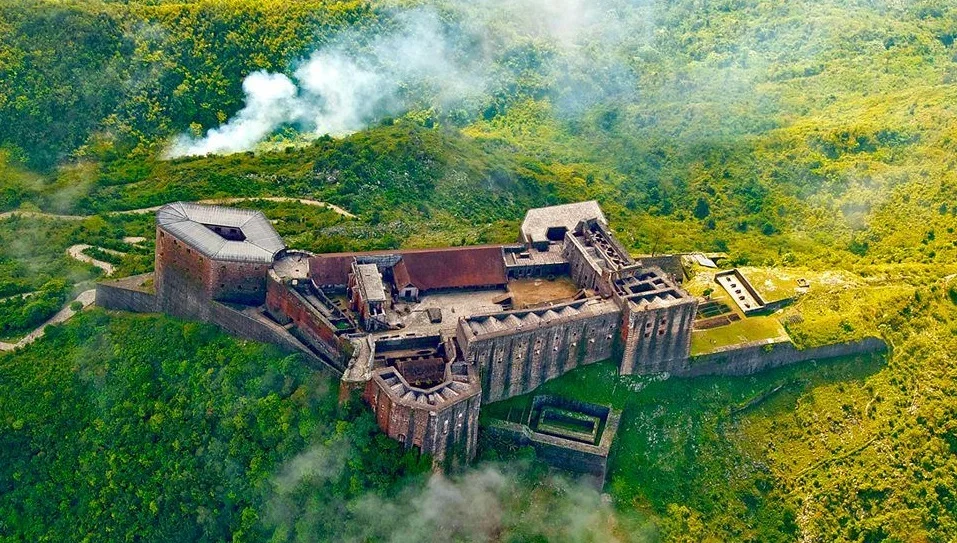
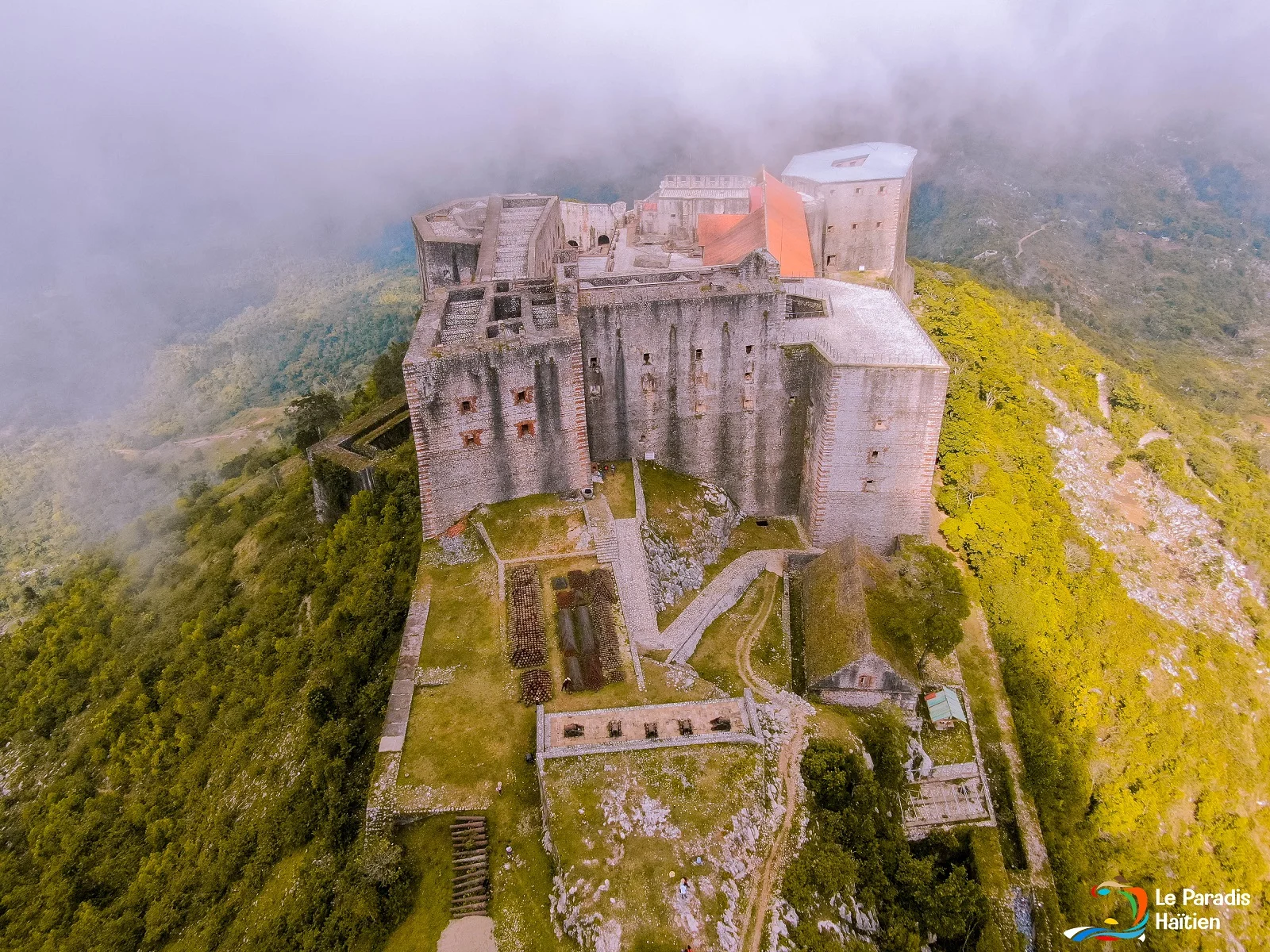
The Laferrière Citadel

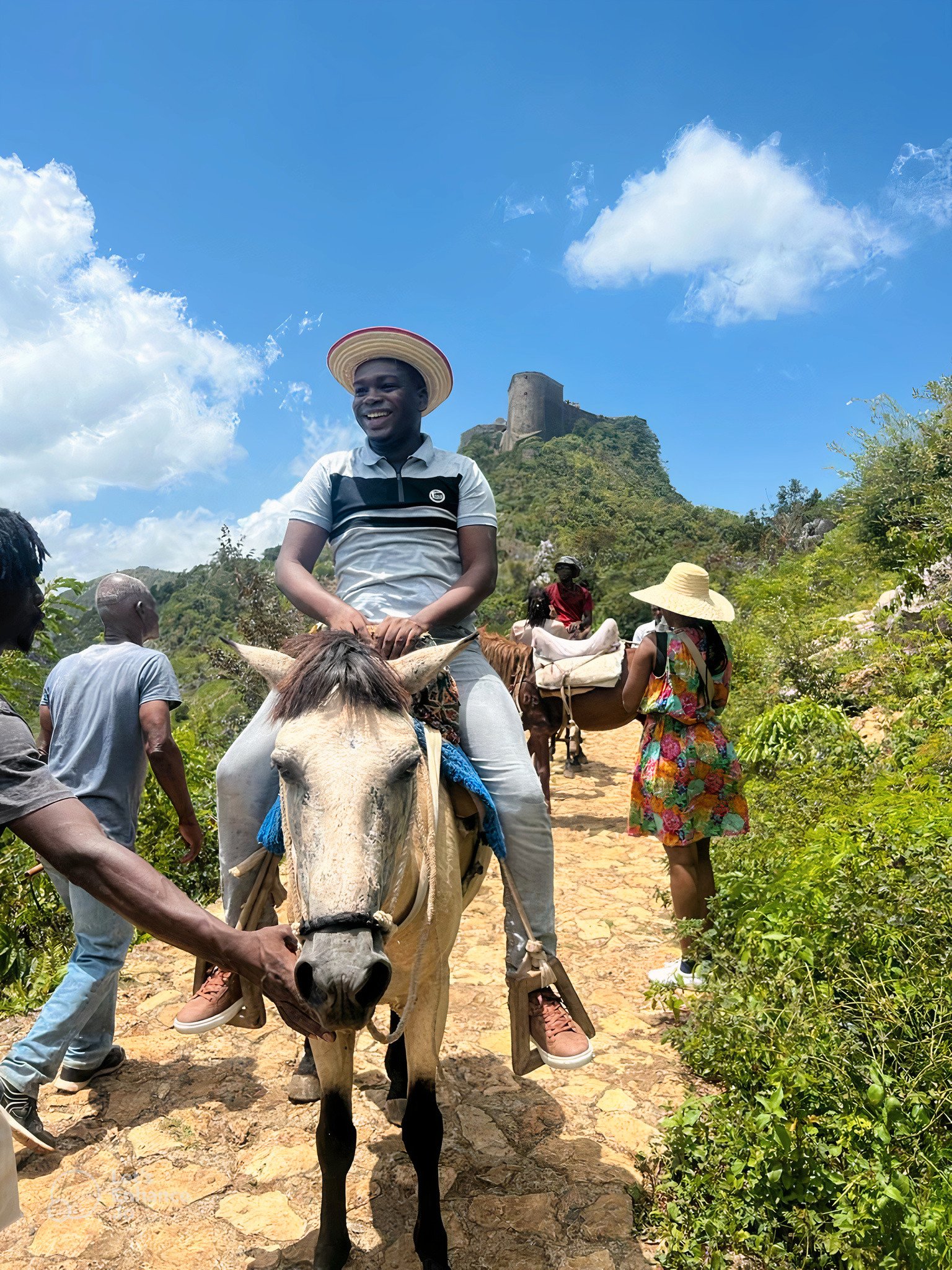
The Citadelle Laferrière is undoubtedly the most emblematic historical monument in Haiti. Located in the north of the country, near the town of Cap-Haitien, this fortress was built in the early 19th century by King Henri Christophe after Haiti’s independence in 1804. Erected to defend the nation against possible invasion French, the Citadel is a masterpiece of military engineering. It has been listed as a UNESCO World Heritage Site since 1982.

Haïti
Haïti
Haïti

The Sans-Souci Palace

Not far from the Citadel is the Palais Sans-Souci, another major achievement of King Henri Christophe. Built between 1810 and 1813, this palace was once the political and administrative center of its kingdom. Although partially in ruins due to an earthquake in 1842, the site remains an impressive testimony to 19th-century Haitian architecture.

Haïti
Haïti
Haïti

The National Historical Park Citadelle, Sans-Souci, Ramiers

This national park includes the Citadelle Laferrière, the Palais Sans-Souci, as well as the ruins of the Ramiers dwellings. Together, these sites illustrate the genius and determination of Haitians in their struggle for freedom and their desire to create a sovereign state. The park is also listed as a UNESCO World Heritage Site.

Haïti / Fort Picolet: Historical Guardian of Liberty

Haïti / Fort Picolet: Historical Guardian of Liberty

Cap-Haïtien, Haiti’s historic jewel, is home to a fascinating architectural relic: Fort Picolet. Built at the end of the 18th century by the French, this imposing bastion majestically dominates the bay of Cap-Haïtien, bearing witness to the tumults of Haitian history and the fierce struggle for independence. The history of Fort Picolet is closely linked to that of Haiti, particularly at the time of the Haitian Revolution. During this tumultuous period, when slaves and freedmen rose up against colonial oppression, the fort was the scene of epic battles and fierce sieges. Sometimes used by French forces, sometimes by Haitian revolutionaries, Fort Picolet was a silent witness to the events that shaped the destiny of the nation. Designed with a strategic vision, the fort embodies the military architecture of its era. Its thick stone walls, strategically positioned cannons and viewpoints overlooking the bay make it an impregnable bastion. Its name, Fort Picolet, pays homage to General Louis Marie, Marquis de Picolet, French governor of Cap-Français at the end of the 18th century. Today, Fort Picolet remains much more than a simple historical monument. It is a living symbol of the resilience and determination of the Haitian people. Visitors who wander through its ruins can feel the imprint of history and contemplate the remains of a tumultuous past. From up there, a panoramic view of the bay of Cap-Haitien is available to them, offering a unique perspective on the strategic importance of this place in the maritime history of Haiti. As a pillar of Haitian tourism, Fort Picolet attracts visitors from around the world. Its historical aura, combined with the natural beauty of its environment, makes it a must-see destination for history and culture lovers. More than just a tourist attraction, Fort Picolet is a poignant testimony to the endless struggle for freedom and the cultural richness of Haiti. Throughout the centuries, Fort Picolet has survived the test of time, reminding everyone that freedom is an inalienable right, hard won and carefully preserved. By exploring its ramparts, contemplating its silent cannons, visitors find themselves immersed in the tormented history of Haiti, a story of courage, resistance and hope. Live an extraordinary experience by virtually visiting the ruins of Fort Picolet: https://haitiwonderland.com/haiti-virtual-reality-ht/monuments-histoire/haiti--fort-picolet--visite-virtuelle/14

Haïti
Haïti
Haïti

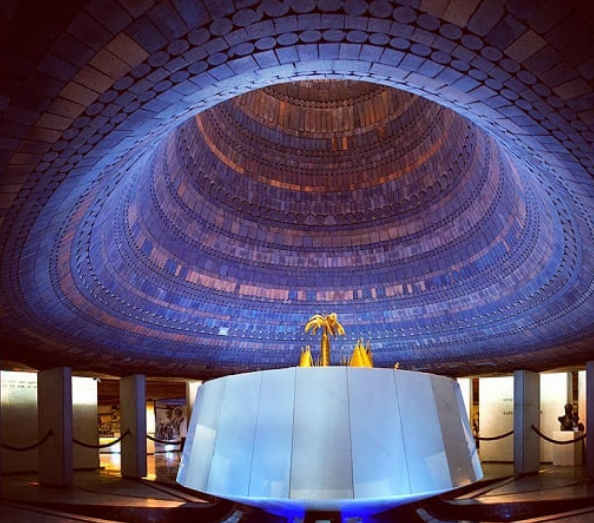
The Haitian National Pantheon Museum (MUPANAH)

Located in Port-au-Prince, the Musée du Panthéon National Haïtien is dedicated to the preservation of Haitian history and culture. It houses an impressive collection of artifacts ranging from pre-Columbian times to landmark independence events. The museum is an essential place to understand the complex history of Haïti and the path traveled by its inhabitants.

Haïti
Haïti
Haïti

Fort Jacques and Fort Alexandre

Located in the heights of Kenscoff, southeast of Port-au-Prince, Fort Jacques was built under the orders of General Alexandre Pétion, one of the founding fathers of Haitian independence, around 1805. The fort carries the name of Jean-Jacques Dessalines, the revolutionary leader who played a crucial role in Haiti’s independence. Fort Jacques served as a strategic defense post against any potential invasion coming from the sea or the capital.

Not far from Fort Jacques is Fort Alexandre, also built under the orders of Pétion. It is named in honor of Pétion, who played a crucial role in consolidating independence and establishing the republic. Like Fort Jacques, Fort Alexandre was an integral part of the defense network intended to protect the young Haitian nation from foreign attacks.

Haïti
Haïti
Haïti

Sugar Cane Historical Park

The Sugar Cane Historical Park is located in Tabarre, near the capital Port-au-Prince. It is established on the site of a former sugar cane plantation, providing an authentic setting for understanding the history and process of sugar production in Haiti. The park is designed to welcome visitors and allow them to discover various aspects of this historic culture.

Sugar cane has played a central role in the Haitian economy since colonial times. Introduced by European settlers, mainly the French, the cultivation of sugar cane quickly developed on the island thanks to its favorable tropical climate and fertile soils. Sugar production was a lucrative business, but it relied on the forced labor of African slaves, which had a profound impact on Haiti’s social and economic history.

Haïti
Haïti
Haïti

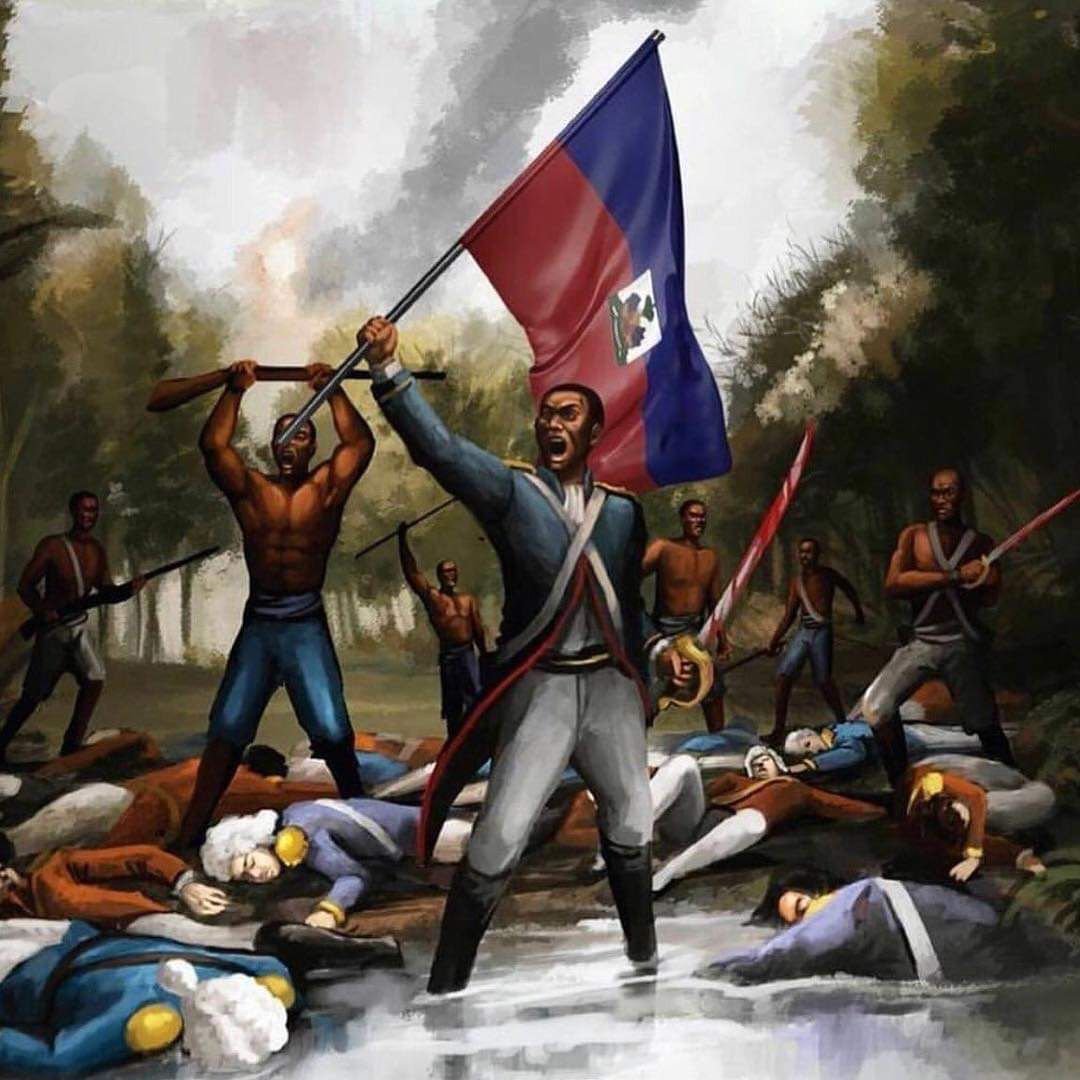
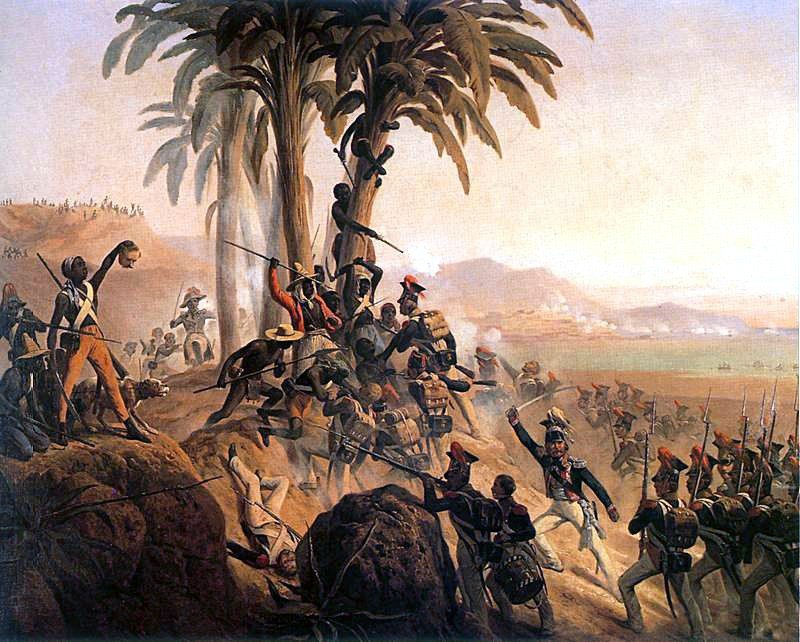
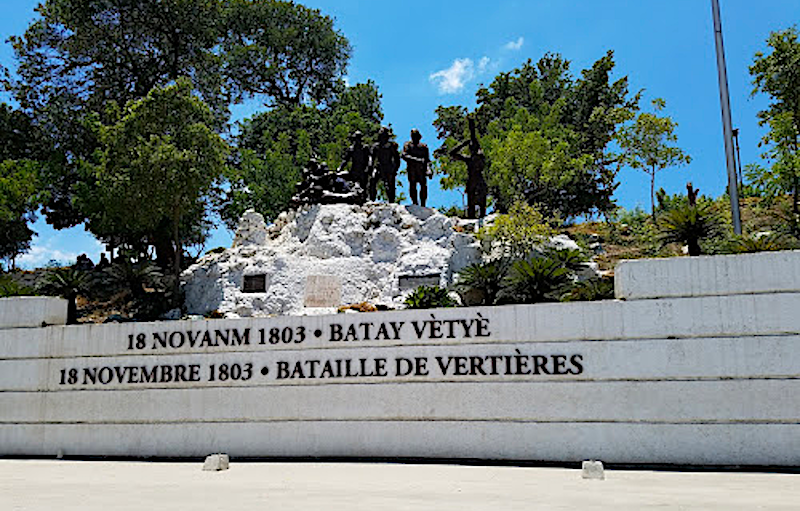
Heroes of Vertières

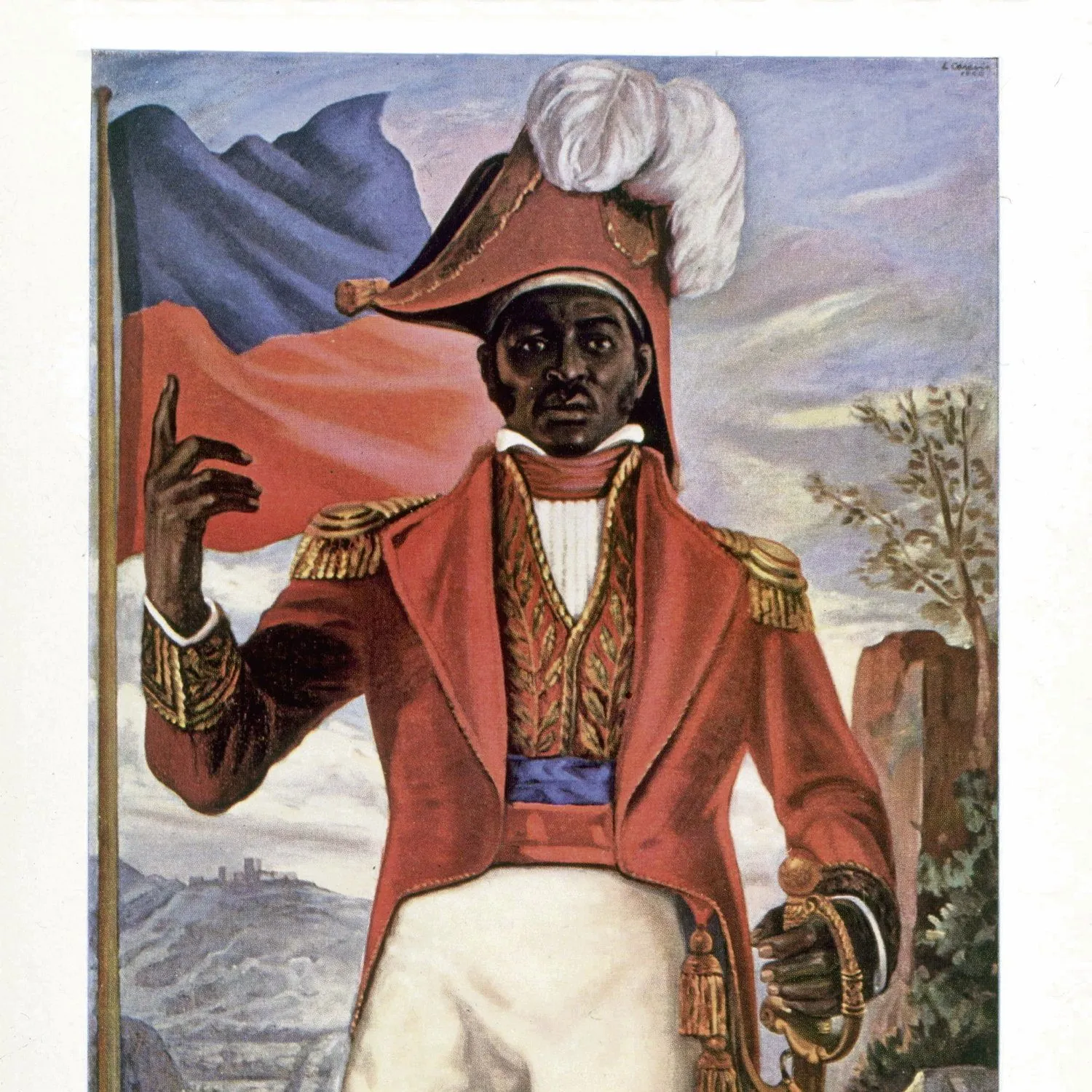
The heroes of Vertières are legendary figures in the struggle for Haitian independence, symbolizing the bravery, determination and sacrifice of the Haitian people for their freedom. Among them, Jean-Jacques Dessalines particularly stands out. A former freed slave who became a revolutionary general, Dessalines was an undisputed leader of the Haitian revolt. His bold strategy during the Battle of Vertières achieved a decisive victory against French troops, cementing the path to full independence.

The Battle of Vertières marked a crucial turning point in the history of Haïti and in the global fight against slavery. The defeat of French troops at Vertières led to the official proclamation of Haitian independence on January 1, 1804, making Haïti the first nation in the Americas to gain independence after a successful slave revolt.

Haïti
Haïti
Haïti

Blue Basin

Bassin Bleu is a series of natural pools and waterfalls located near Jacmel, in southern Haiti. This enchanting natural site is surrounded by lush vegetation and is a favorite place for nature lovers. It is not only a major tourist site but also a symbol of the natural beauty of Haiti.

Haïti
Haïti
Haïti

Caves of Marie-Jeanne

Located near the town of Port-à-Piment in southern Haiti, the Marie-Jeanne Caves are the largest underground cave system in the Caribbean. These fascinating geological formations stretch for several kilometers and are a site of great interest for cavers and adventure enthusiasts. The caves also offer a unique insight into the island’s natural history.

Haïti
Haïti
Haïti

Notre-Dame de l’Assomption Cathedral

Located in Port-au-Prince, Notre-Dame de l’Assomption Cathedral was once one of the largest and most important cathedrals in the Caribbean. Unfortunately, it was severely damaged in the 2010 earthquake, but remains a symbol of the Catholic faith and French colonial architecture in Haiti. Its gradual reconstruction testifies to the resilience of the Haitian people.

Haïti
Haïti
Haïti

Ogier-Fombrun Museum

Located in Montrouis, on the north coast of Haiti, the Ogier-Fombrun Museum is a former sugar plantation transformed into a museum. It offers a captivating insight into the history of slavery and sugar production in Haiti. Visitors can explore the restored plantation ruins, discover historical artifacts, and learn about Haitian culture.

Haïti
Haïti
Haïti

Church of Milot

In Milot, near Cap-Haitien, there are two important historical sites. The Church of Milot, built in the early 19th century, is an impressive example of Haitian colonial architecture and an active place of worship for the local community. Nearby is the Sans-Souci Palace, former residence of King Henri Christophe, with its majestic ruins that bear witness to Haiti’s post-independence era.

Haïti
Haïti
Haïti

Iron Market

In Port-au-Prince, the Marché de Fer (Marché en Fer) is a historic market dating from the 19th century. Built of metal imported from France, the market is a bustling place where locals sell and buy a variety of local products, including fruits, vegetables, spices and crafts. It is an essential place to discover Haitian daily life and crafts.

Haïti is a country whose historical and cultural wealth is immense. From its imposing fortresses to its bustling markets to its breathtaking natural sites, every corner of the country tells a part of the story of this resilient and creative people. Exploring these heritages and historical sites is diving into the heart of the Haitian soul and discovering the hidden treasures of a nation which, despite the challenges, remains standing with pride.

Share
About the Author
Appolon Guy Alain
Appolon Guy Alain
Appolon Guy Alain

Full Stack Developer, Créatif, expérimenté, passionné des nouvelles technologies et de l’art.

See other articles from Appolon Guy Alain
ROMAIN

Super

May 14, 2025 - 09:42:40 AM
Leave a comment

Recently Posted

Newsletter

Subscribe to our newsletter to stay informed of all our activities and news on Haiti.

Meet Edison Juste: An Outstanding Singer

Beyond the chaos, in the heart of the desolation, there are voices that resonate. They shatter the silence, depicting the macabre reality of everyday life in a thousand shards, thus defying evil to give meaning to life and make each day a place where hope flows like a stream of honey. Edison Juste’s voice is one of them: it sings of hope, of love, while praising God. It was in Carrefour, 27 years ago, that the young singer’s sun rose within a family of four children. Edison Juste is the youngest. Between the diplomat, the lawyer, and the entrepreneur that he is, singing remains his greatest passion for this young married man. Like many Haitian singers, Edison Juste took his first steps at a very early age in a choir—Yahvé Shama—alongside children his own age. He would later become the lead singer. This was in 2010. Asked about his first real encounter with music, he replied: q~It was in 2013 that I really started singing. It was during a competition organized by Styl Doz at the Évangélique de la Grâce church,~q, says the active member of the group YES (Yon Enstriman Sen), who also expresses his gratitude to singer Joseph Rhousteau, who inspired and coached him for several years. Edison Juste stands out not only for his style, but also for his versatility. His ability to make the notes vibrate with a moving candor seems limitless. Yet, he has his preferences: q~There isn’t a single style that characterizes me. I see myself as a liquid: I take the shape of the container. Even if I remain haunted by Worship, Compass, and Jazz, he confides. Today, the Carrefour native boasts a rich and varied musical repertoire. From 2010 to 2025, he has grown both in maturity and in renown: five competition wins, his first song recorded in 2018, joining the band YES, his participation in the second album, Se pou m beni, a collaboration with Amos César in a musical, and his contribution to the album Anprent by maestro Berwin Sydney. For him, this journey is already a great source of inspiration. Edison Juste never does without the presence of God, whether in the creative process or during his stage performances: "What influences and motivates me the most is always the presence of Elohim, and the audience’s desire to savor and appreciate my work," he says.

Recently Posted

History

History

First black nation to free itself from slavery and gain independence from France in 1804 and influenced other liberation movements around the world, inspiring struggles for freedom and equality.

Natural beauty

Natural beauty

Haïti is blessed with spectacular natural landscapes, including white sand beaches, mountains and rich biodiversity.

Heritage

Heritage

Haïti has a rich historical heritage, including sites like the Citadelle Laferrière and the Sans-Souci Palace, listed as UNESCO World Heritage Sites.

Culture

Culture

Haïti has a rich and diverse culture, influenced by African, European and indigenous elements. Haitian music, dance, art and cuisine are celebrated around the world.

  • +
    • Post