contact@haitiwonderland.com+509 36184317

Discover

Shopping Cart

Haïti : the pearl of the Antilles

Haïti : the pearl of the Antilles

Haiti, the pearl of the Antilles, is a fascinating destination that combines spectacular natural beauty with a rich and complex history. Nestled in the Caribbean Sea, this island nation is a well-kept treasure, offering visitors a unique blend of magnificent landscapes, vibrant culture and historical heritage.

Haïti : Bassin Bleu
Haïti : Bassin Bleu
Haïti : Bassin Bleu

The Natural Beauty of Haiti

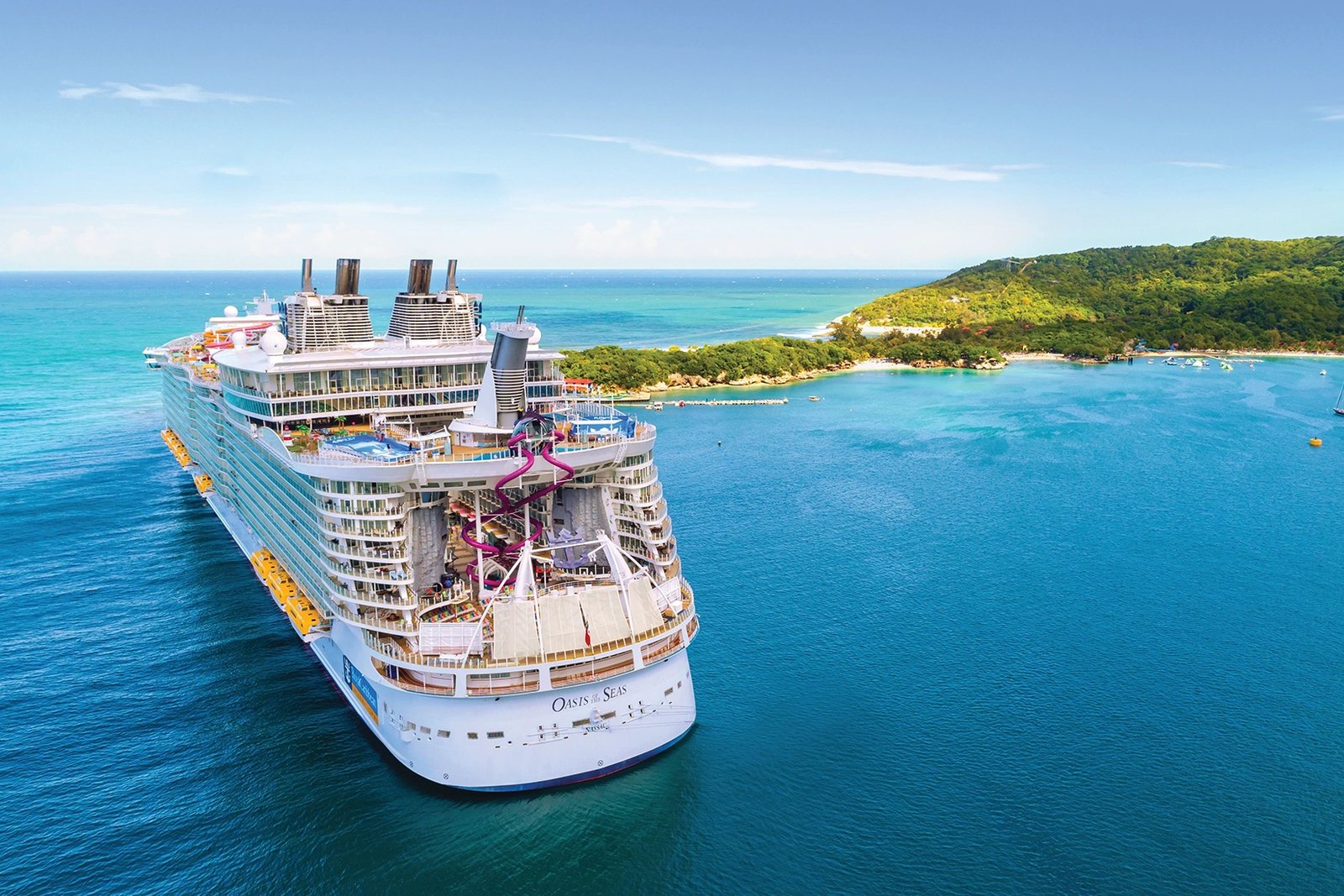
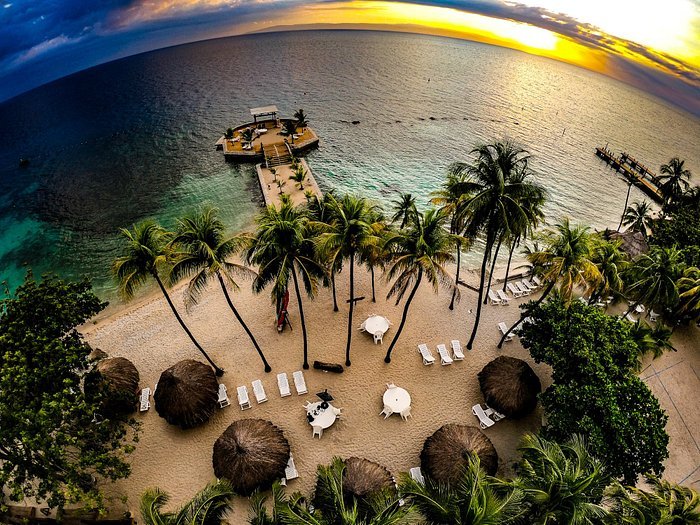
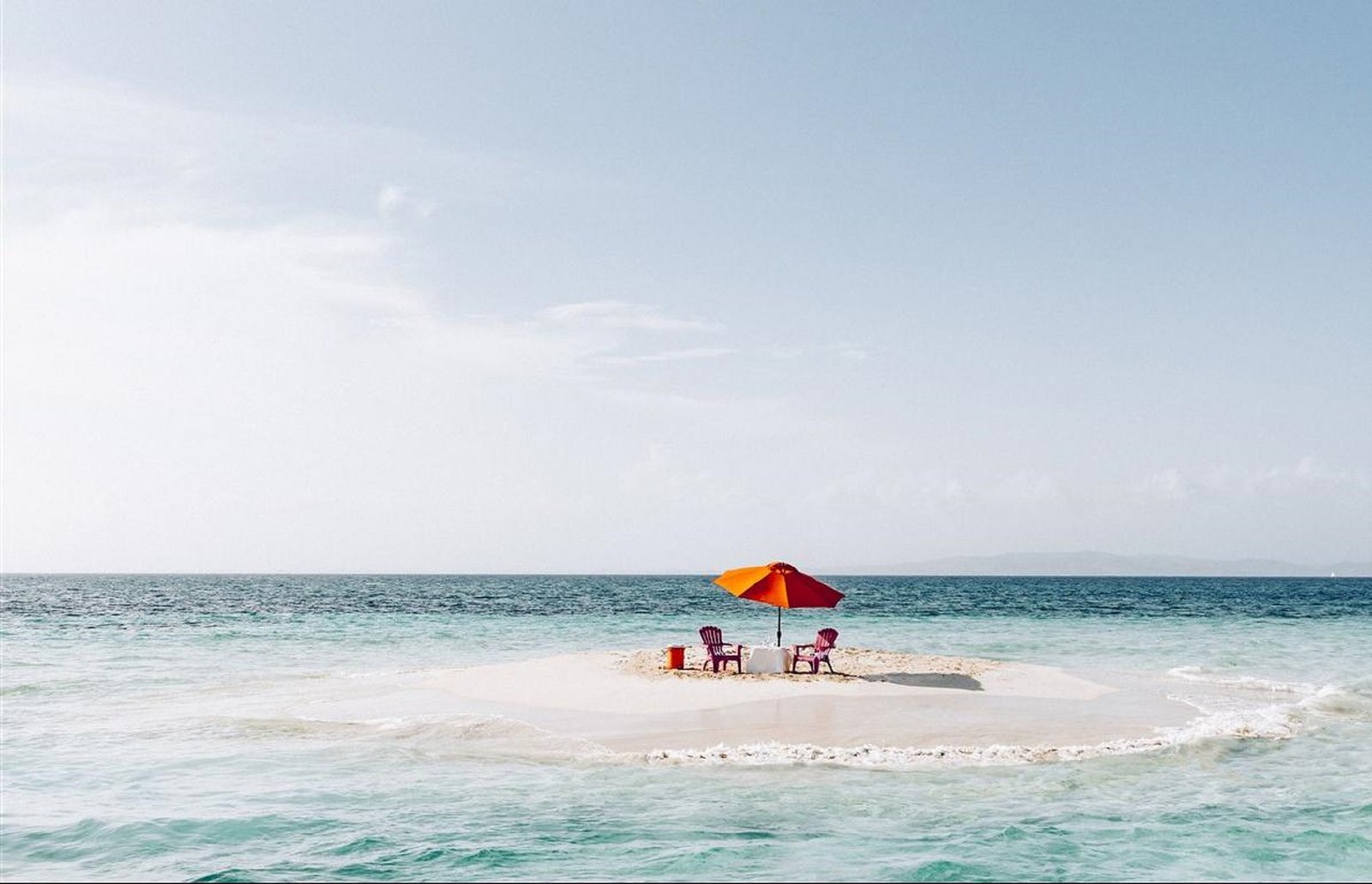
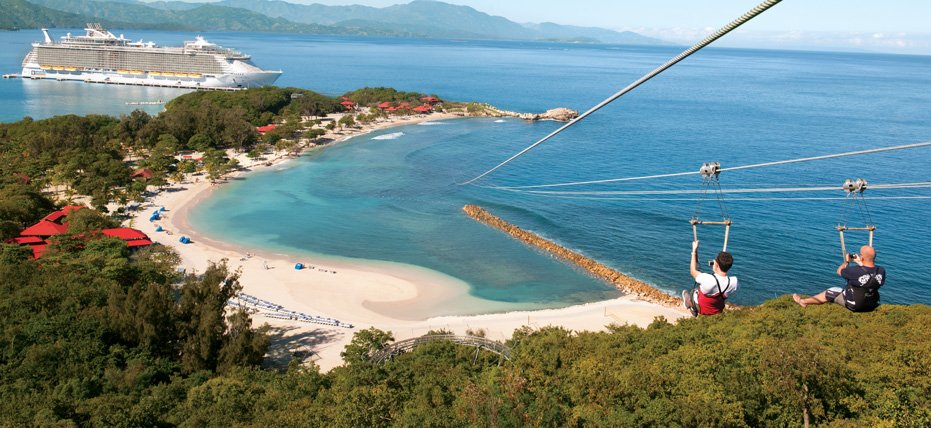
Haïti is a nature lover’s paradise, offering a variety of breathtaking landscapes. Among its natural treasures are white sand beaches lined with palm trees, majestic mountains, hidden jungle waterfalls, colorful coral reefs and lush forests. The beaches of Labadee, Jacmel and Île-à-Vache are particularly renowned for their beauty.

The mountains of Haïti are also a breathtaking sight. The Selle Massif, home to La Selle Peak, is the highest peak in the Caribbean, offering breathtaking panoramic views. The Massif de la Hotte mountain range is home to exceptional biodiversity, with many endemic species of plants and animals.

Haiti’s natural beauty also extends underwater. Dives around Turtle Island and Cow Island allow you to explore unspoilt coral reefs, home to colorful marine wildlife including tropical fish, sea turtles and manta rays.

Haïti : Histoire
Haïti : Histoire
Haïti : Histoire

History of Haiti: A Story of Independence and Resilience

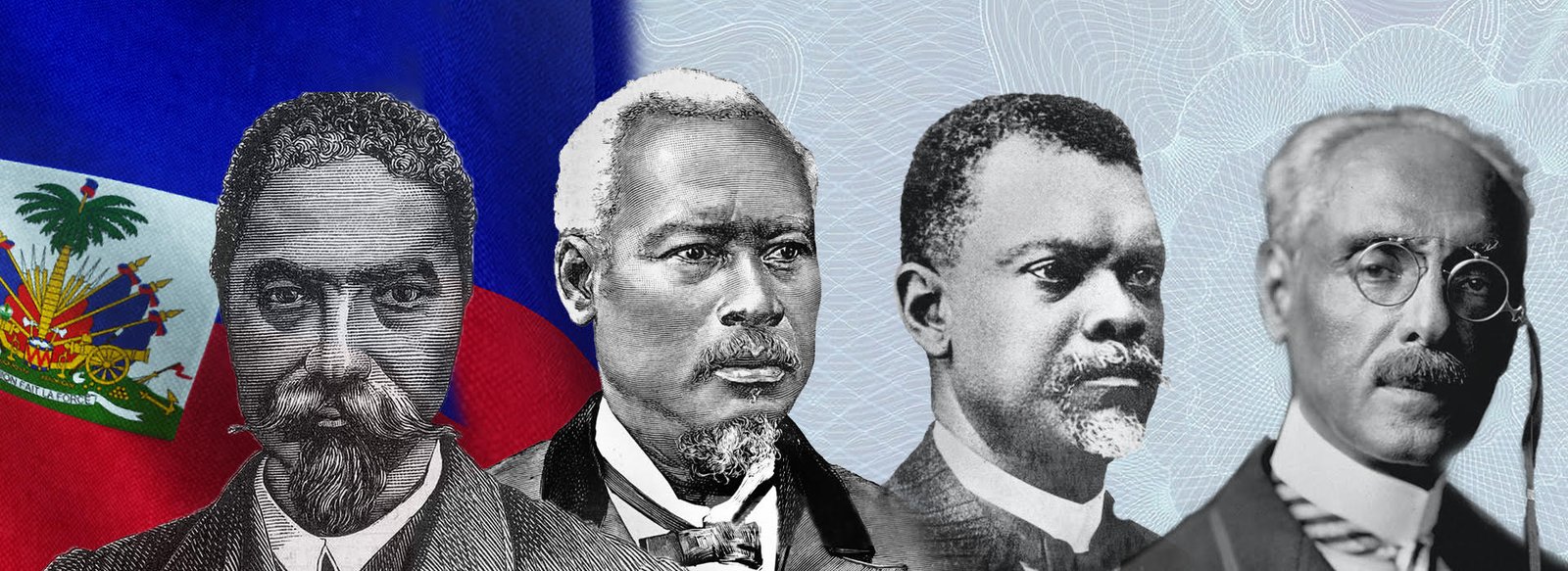
Haiti’s history is deeply rooted in the struggle for independence and resilience of the Haitian people. Before becoming the world’s first independent black republic in 1804, Haïti was a prosperous French colony, dependent on slavery for its sugar and coffee production. This quest for freedom was led by emblematic figures like Toussaint Louverture and Jean-Jacques Dessalines.

However, this struggle for independence left deep scars, with lasting consequences for the country. Haïti had to pay an exorbitant debt to France in exchange for international recognition, leading to economic instability.

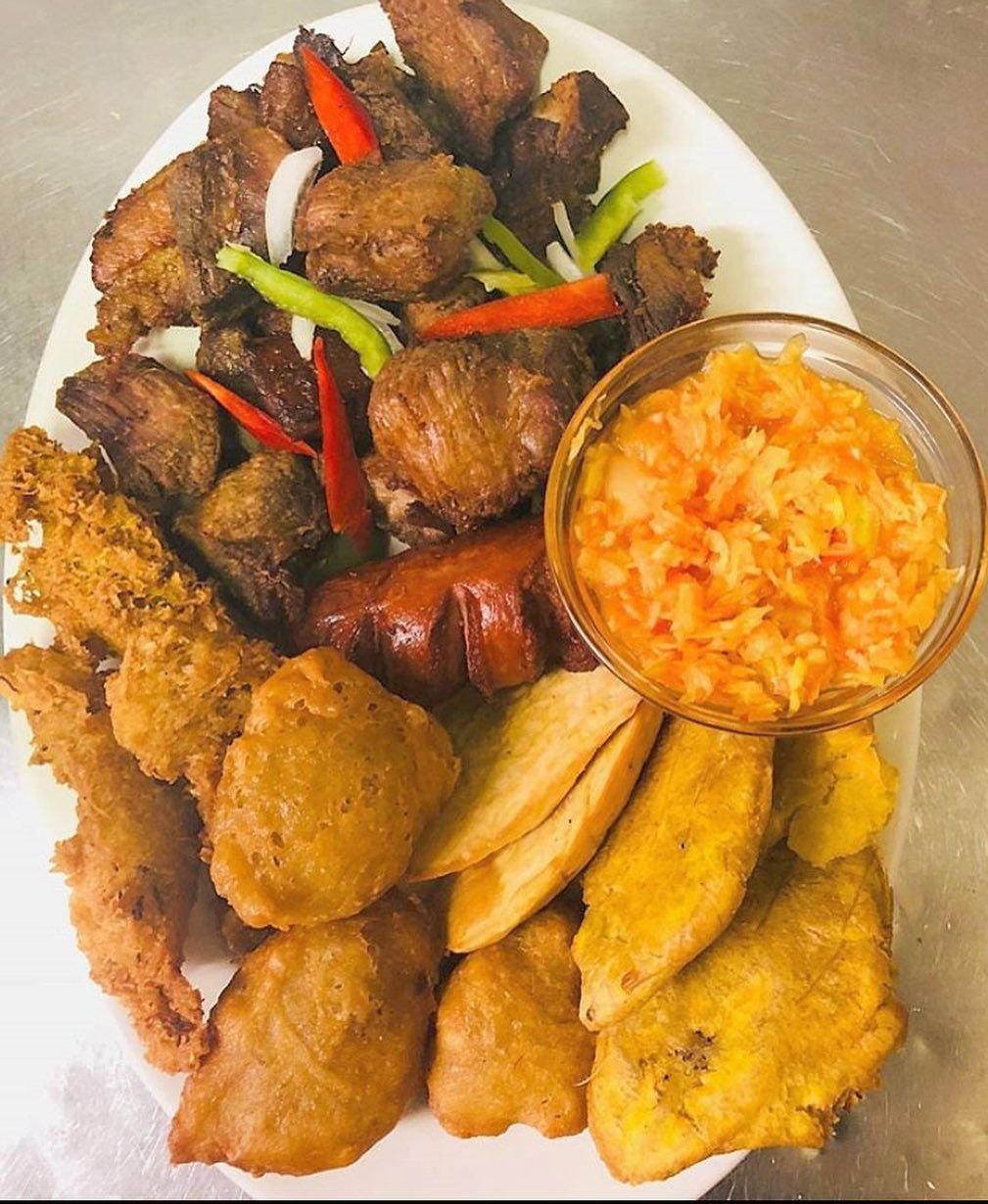
Haiti’s history is also marked by its rich cultural heritage. Vodou, an Afro-Haitian religion, is an integral part of Haitian culture, blending elements of ancient African beliefs with Catholicism. Haitian arts, dance, music and cuisine are also a reflection of this diverse and dynamic culture.

When you explore Haiti, you will be amazed by the diversity of its landscapes and inspired by the history and culture of the Haitian people. It is a country that deserves to be discovered, celebrated and preserved for future generations. Haïti is truly a jewel of the Caribbean, where natural beauty and history combine to create an unforgettable experience.

Share
About the Author
Appolon Guy Alain
Appolon Guy Alain
Appolon Guy Alain

Full Stack Developer, Créatif, expérimenté, passionné des nouvelles technologies et de l’art.

See other articles from Appolon Guy Alain
Leave a comment

Recently Posted

Haiti: The History of the World’s First Free Black Nation

Haiti, the pearl of the Antilles, is a Caribbean island with a rich and complex history. However, its special status as the world’s first free black nation gives it a unique place in the annals of history. This small island was the scene of an extraordinary revolution which resulted in independence, thus marking the beginning of a new era for the black community and the abolition of slavery. Let’s delve into the captivating story of the birth of the first black republic, Haiti. b~The colonial era and slavery~b Haiti’s history dates back to the arrival of Europeans in the 15th century, when Christopher Columbus discovered the island. European settlers, mainly Spanish and French, introduced slavery to exploit the island’s resources, including sugar, coffee and cotton. The indigenous Native American population was decimated, paving the way for the massive importation of African slaves. b~The Haitian Revolution~b On August 14, 1791, Haitian slaves rose up against their oppressors, sparking the Haitian Revolution. Under the leadership of iconic figures such as Toussaint Louverture, Jean-Jacques Dessalines and Henri Christophe, the insurgent slaves inflicted defeats on European armies, demonstrating fierce resistance and a desperate quest for freedom. b~The Declaration of Independence and the creation of the Republic of Haiti~b On January 1, 1804, Haïti proclaimed its independence, becoming the world’s first free black nation. This historic declaration symbolized the end of slavery and the triumph of the will of a people determined to live free. The Republic of Haïti was born in struggle and blood, asserting its autonomy in the face of the colonial powers. b~Post-independence challenges~b However, independence did not mean the end of challenges for Haiti. The country had to face external pressure, reparations imposed by France in exchange for recognition of its independence, as well as internal unrest. Despite these obstacles, Haïti strove to build a free and sovereign nation. The story of Haïti is that of a nation that overcame countless challenges to emerge as a pioneer of freedom for the black population. The Haitian Revolution remains a unique example of resistance, courage and determination, and Haïti continues to carry the torch of independence in the contemporary world. The legacy of this small Caribbean island still resonates today, reminding the world that freedom is a universal right that can be won even in the most difficult circumstances.

Newsletter

Subscribe to our newsletter to stay informed of all our activities and news on Haiti.

Beven brings Haïti among the elite of world slam

This Thursday, November 14, 2024, the young slam artist Youven Beaubrun, Beven by his stage name, qualified Haiti, for the very first time in its history, for the final of the Slam World Cup. This competition, which brings together the best slam artists on the planet, took place on African soil, more precisely in Togo. In a country held by the throat, a country that is dying from start to finish, under the dangerous feat of a certain armed part of its youth, Beven’s extraordinary performance in this competition resonates with the echo of a whole piece of the country, in the thirst for beauty. Beven is the symbol of a youth that refuses to give in to the chaos that surrounds the face of its motherland. Art, slam being his field of specialization, is used in the best possible way to make hope resonate. And to continue to believe that a country that made 1804 cannot afford the luxury of sinking so hard in the face of human history. "It is with pride that I advanced in this competition. Especially with the crisis that is going through the country at the moment. My qualification for the final is an eternal sign of hope, which confirms the fact that not everything in this country will end in death," the young slammer told us before going to compete in the final. The final took place on Saturday, November 16, 2024, where Beven had his chance to represent his wounded land well on the doorstep of a world victory, a victory that if it had taken place, would have been initialed in the name of an entire people, in the absolute race against a great chaos that dreams only of suffocating it. Although he failed to win this cup (finishing in sixth place overall), the Haitian slam champion had time to inspire an entire country during his great journey in this competition. This is only a postponement, next time victory will be achieved for sure.

Recently Posted

History

History

First black nation to free itself from slavery and gain independence from France in 1804 and influenced other liberation movements around the world, inspiring struggles for freedom and equality.

Natural beauty

Natural beauty

Haïti is blessed with spectacular natural landscapes, including white sand beaches, mountains and rich biodiversity.

Heritage

Heritage

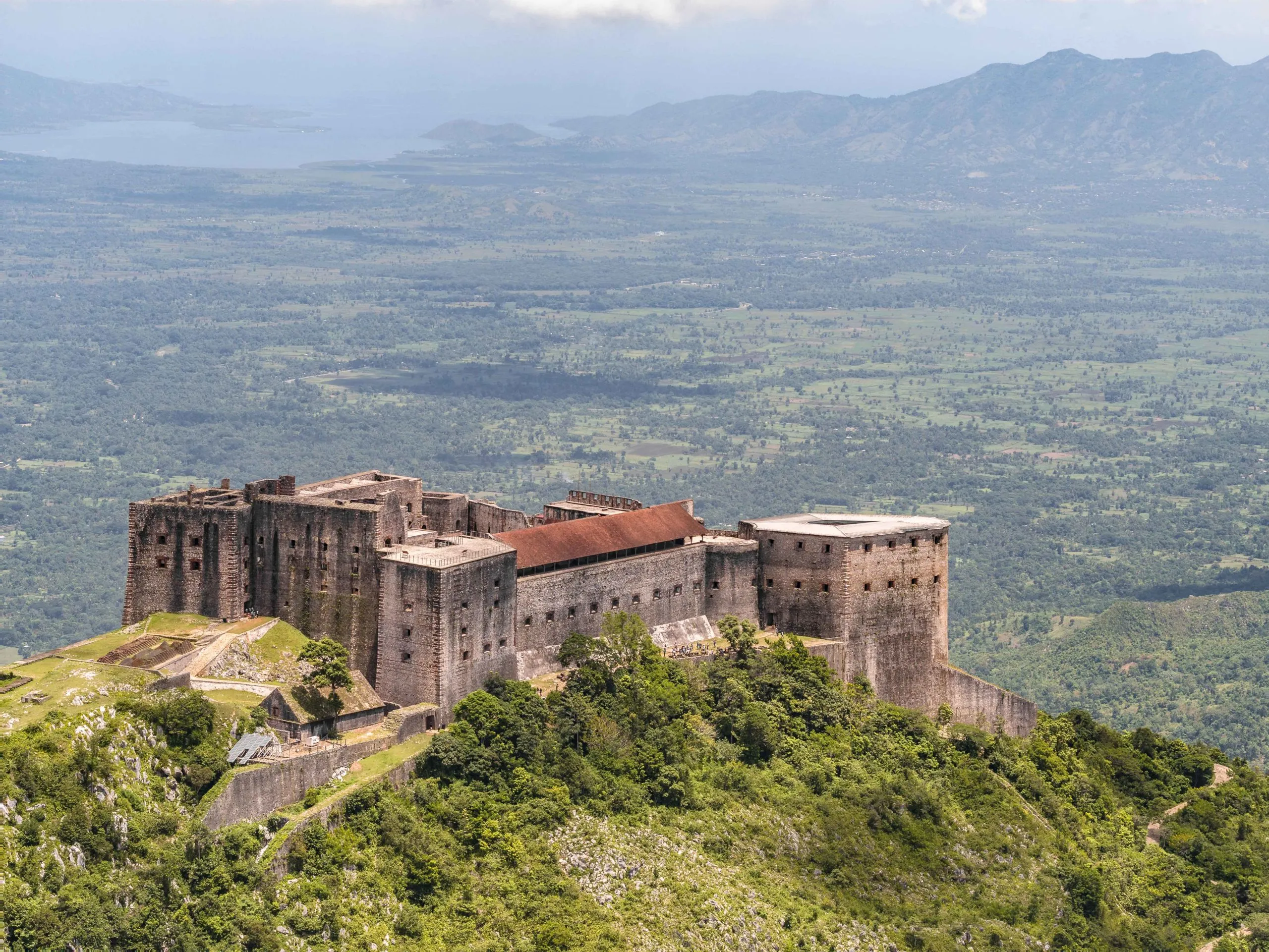
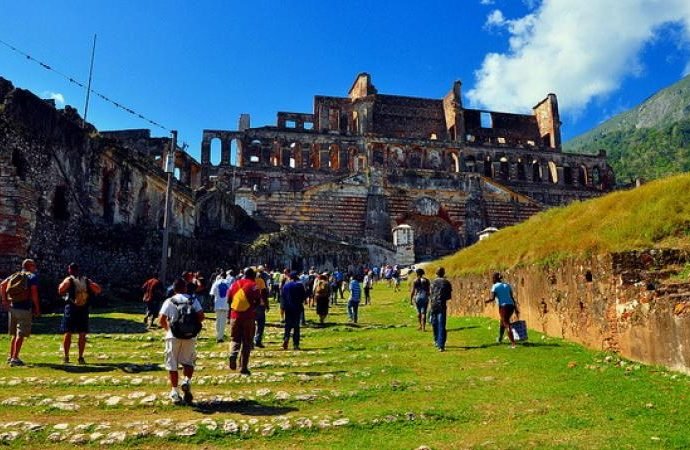
Haïti has a rich historical heritage, including sites like the Citadelle Laferrière and the Sans-Souci Palace, listed as UNESCO World Heritage Sites.

Culture

Culture

Haïti has a rich and diverse culture, influenced by African, European and indigenous elements. Haitian music, dance, art and cuisine are celebrated around the world.

  • +
    • Post