contact@haitiwonderland.com+509 36184317

Discover

Shopping Cart

Jacmel, Haiti: An Artistic City to Discover

Jacmel, Haiti: An Artistic City to Discover

Nestled on the southern coast of Haiti, Jacmel is a city that never ceases to seduce with its natural beauty, colonial architecture and incredible artistic wealth. Nicknamed the cultural capital of Haiti, Jacmel is a place where creativity flourishes and where every street corner seems to tell a unique story. Discover what this artistic city has to offer and why it deserves a special place in your next trip to Haiti.

Haïti
Haïti
Haïti

A Unique Architectural Heritage

Jacmel is a true architectural treasure. The city has preserved much of its colonial heritage, with brightly colored wooden buildings, ornate balconies and picturesque alleys that recall the colonial era.

The traditional wooden houses, decorated with carved patterns and fine details, are a remarkable example of the 19th-century Haitian architectural style. These buildings have been restored as part of a preservation project, helping to maintain the authenticity of the city while attracting more and more visitors each year. Jacmel’s central square, with its bustling market and imposing church, is another must-see place to visit.

Haïti
Haïti
Haïti

A vibrant art scene

Jacmel is truly the beating heart of Haitian art. The city is home to a multitude of artists, painters, sculptors, and artisans who draw inspiration from the local culture, natural landscapes, and Haitian traditions. Art galleries and workshops abound, providing a platform to discover unique works, ranging from vibrant paintings to metal and wood sculptures.


The city is also the birthplace of Haiti’s famous papier-mâché, a traditional art that uses recycled materials to create expressive sculptures and masks. These creations are not only objects of art, but they are also an integral part of local festivals and celebrations.

Haïti
Haïti
Haïti

The Jacmel Carnival: An Event Not to Be Missed

The Jacmel Carnival, held every year, is one of the largest cultural events in the country. This colorful and lively celebration brings together thousands of people who come to admire traditional costumes, dances and musical performances. The papier-mâché masks, true masterpieces, are the main attraction of the carnival, representing mythological characters, political figures or animals, in an explosion of colors and creativity.

The carnival is an ideal opportunity to discover Haitian culture at its best, with parades that invade the streets of Jacmel, accompanied by musicians and dancers. The festive atmosphere and the joy that results from it make this event a must for any visitor to the city.

Haïti
Haïti
Haïti

A breathtaking natural setting

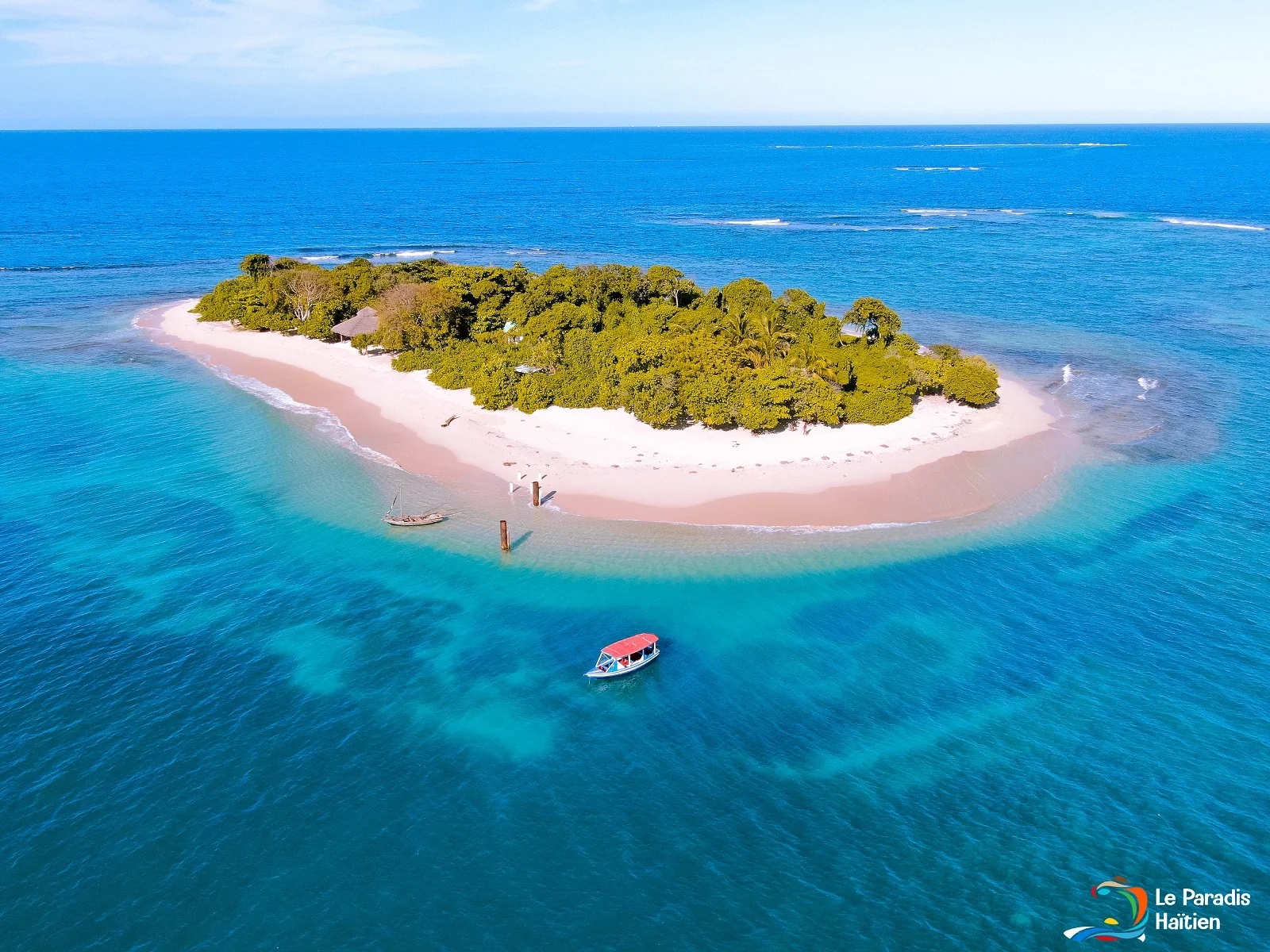
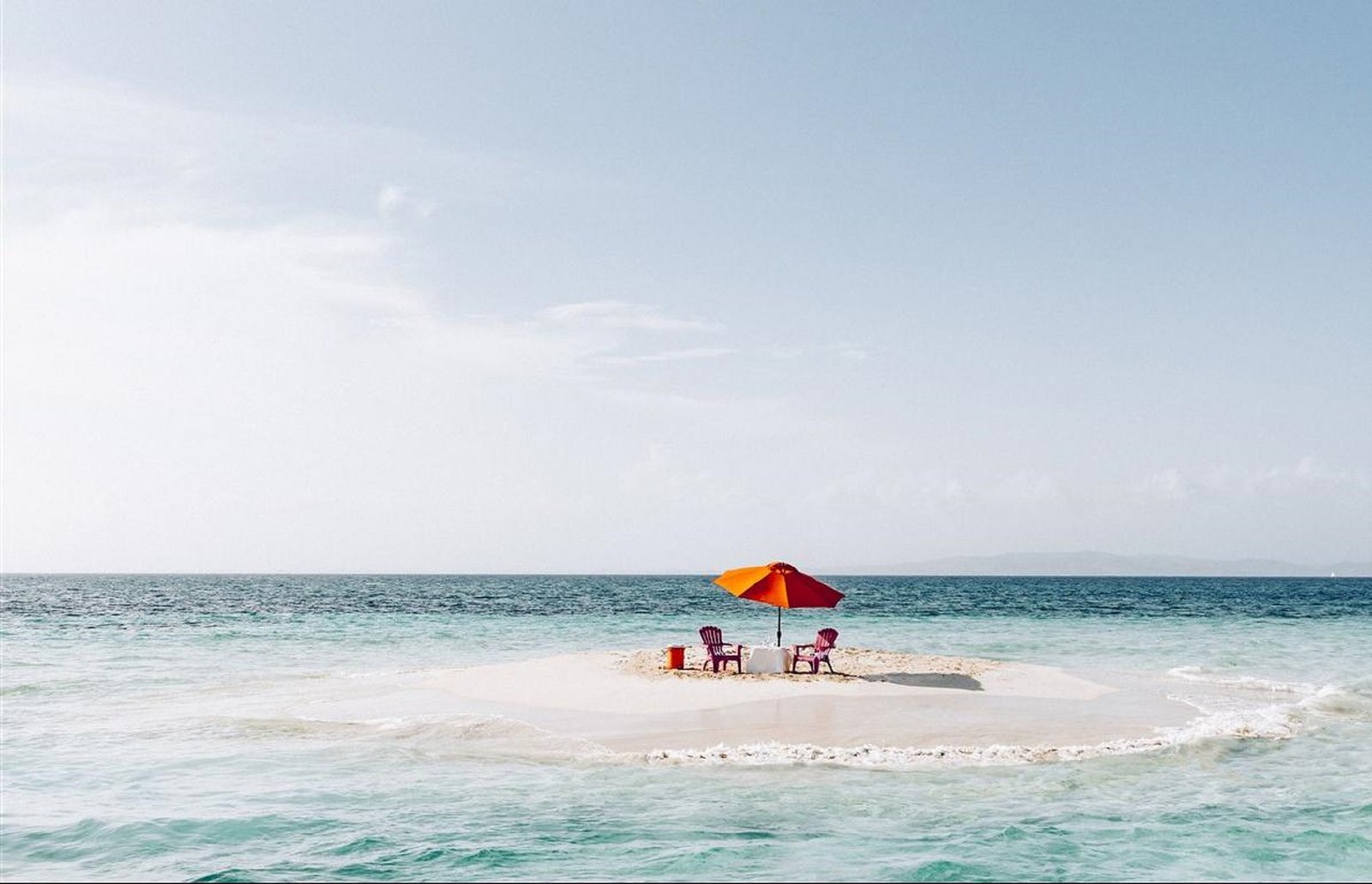
In addition to its art scene, Jacmel is also surrounded by stunning natural landscapes. Just a few kilometers from the city are idyllic beaches like Manigat and Raymond-les-Bains, where you can relax in the sun, swim or enjoy water sports.

The mountains surrounding Jacmel also offer opportunities for hiking and exploring, with trails leading to spectacular waterfalls such as the Saut d’Eau waterfall. This natural setting contributes to the city’s calming ambiance and its appeal to nature lovers.

Haïti
Haïti
Haïti

A place conducive to inspiration

Jacmel is an inspiring city, whether you are an artist, writer, photographer or simply a culture vulture. The city has attracted many foreign artists who come to find inspiration, while also contributing to the enrichment of the local art scene.

The people of Jacmel are proud of their heritage and welcome visitors with open arms, offering an authentic glimpse into Haitian life. If you are looking for a place where creativity meets history and natural beauty, Jacmel is the place for you.

How to Visit Jacmel?

Jacmel is easily accessible from the capital, Port-au-Prince, by car or bus. The journey takes about 2 to 3 hours and passes through varied landscapes, ranging from green hills to picturesque valleys. Once in Jacmel, you can explore the city on foot or by bike, which will allow you to better appreciate its unique charm.

Visitors can also stay in local hotels, hostels or guesthouses that reflect Haitian hospitality. Many establishments offer stunning views of the sea or the surrounding mountains.

Haïti
Haïti
Haïti

The Beating Heart of Haitian Art

Jacmel is a true hidden gem of Haiti, a city where art, history and nature meet to offer an unforgettable experience. If you are a culture enthusiast, an art lover or simply a traveler in search of beauty, Jacmel deserves to be on your itinerary.

So, the next time you think about traveling to Haiti, do not miss to discover this must-see artistic city. And if you have already visited Jacmel, share your experiences and tips in the comments below!

Share
About the Author
Appolon Guy Alain
Appolon Guy Alain
Appolon Guy Alain

Full Stack Developer, Créatif, expérimenté, passionné des nouvelles technologies et de l’art.

See other articles from Appolon Guy Alain
ibrahim Bouba

Bonjour monsieur madame Demande de quelques jours je dois aller visiter en Haïti

February 20, 2025 - 04:40:11 PM
Leave a comment

Recently Posted

Newsletter

Subscribe to our newsletter to stay informed of all our activities and news on Haiti.

Haïti et son Rôle Pionnier dans l’Abolition de l’Esclavage Mondial

For centuries, the institution of slavery has darkened human history, leaving behind a legacy of pain, oppression and the struggle for freedom. However, in this dark tale, one nation stands out for its courage and determination to break the chains of oppression: Haiti. Located in the Caribbean, Haïti played a pioneering role in the abolition of slavery, laying the foundation for the fight for freedom and equality around the world. The history of slavery in Haïti dates back to the arrival of Europeans on the island, which was then called Santo Domingo, in the 15th century. French colonists quickly established an economy based on sugar and coffee production, cruelly exploiting millions of African slaves deported to work on plantations. However, this brutal system engendered fierce resistance from slaves, whose fight for freedom ultimately led to one of the most significant revolutions in history. In 1791, under the leadership of iconic figures such as Toussaint Louverture, Jean-Jacques Dessalines and Henri Christophe, Haitian slaves rose up against their oppressors in an unprecedented rebellion. This revolt resulted in a war of independence that lasted more than a decade, but ultimately resulted in the proclamation of Haiti’s independence in 1804, making that country the first post-colonial nation ruled by people from slavery. The impact of the Haitian Revolution on the abolition of slavery worldwide cannot be overstated. By breaking the chains of oppression and proclaiming their independence, Haitians have sent a powerful message to all oppressed peoples around the world: freedom is possible, and it is worth the struggle. The example of Haïti inspired other movements for the abolition of slavery in the Americas and beyond, thus helping to shake the very foundations of the institution of slavery. Haiti’s participation in the fight against slavery was not limited to its territory; it also extended to external actions where Haitian men were sent or actively participated in movements for the abolition of slavery in other regions of the world. For example, Haitian President Alexandre Pétion supported Simón Bolívar, the leader of the South American revolution, by providing him with weapons, money and even men, which contributed to the liberation of several countries in America Latin of colonial domination. Haïti also provided support for independence movements in Central America. Haitian fighters, led by General Jean-Pierre Boyer, helped Venezuelan patriots fight against Spanish rule, contributing to the liberation of that region. The Haitian government financially and diplomatically supported movements for the abolition of slavery in countries such as Venezuela, Colombia and Mexico, contributing to the gradual eradication of this institution throughout the region. Although Haïti did not directly participate in the American Civil War, many Haitians and descendants of Haitians played crucial roles in the abolitionist movement in the United States. Figures who were of Haitian origin or of Haitian ancestry, were important voices in the fight against slavery and for equal rights in the United States. The legacy of the Haitian Revolution remains a symbol of resistance and courage for future generations. Today, as the world continues to struggle against injustice and oppression in various forms, Haiti’s history reminds us that the fight for freedom is a universal fight, one that transcends borders and times. Haiti’s participation in the abolition of slavery throughout the world remains a crucial chapter in the history of humanity. Through their courage and determination, Haitians have paved the way for a future where freedom and equality are inalienable rights for all.

Recently Posted

History

History

First black nation to free itself from slavery and gain independence from France in 1804 and influenced other liberation movements around the world, inspiring struggles for freedom and equality.

Natural beauty

Natural beauty

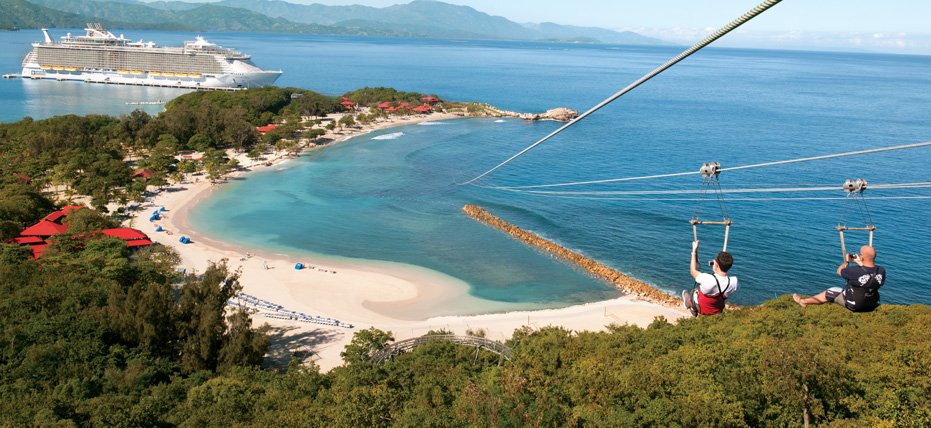
Haïti is blessed with spectacular natural landscapes, including white sand beaches, mountains and rich biodiversity.

Heritage

Heritage

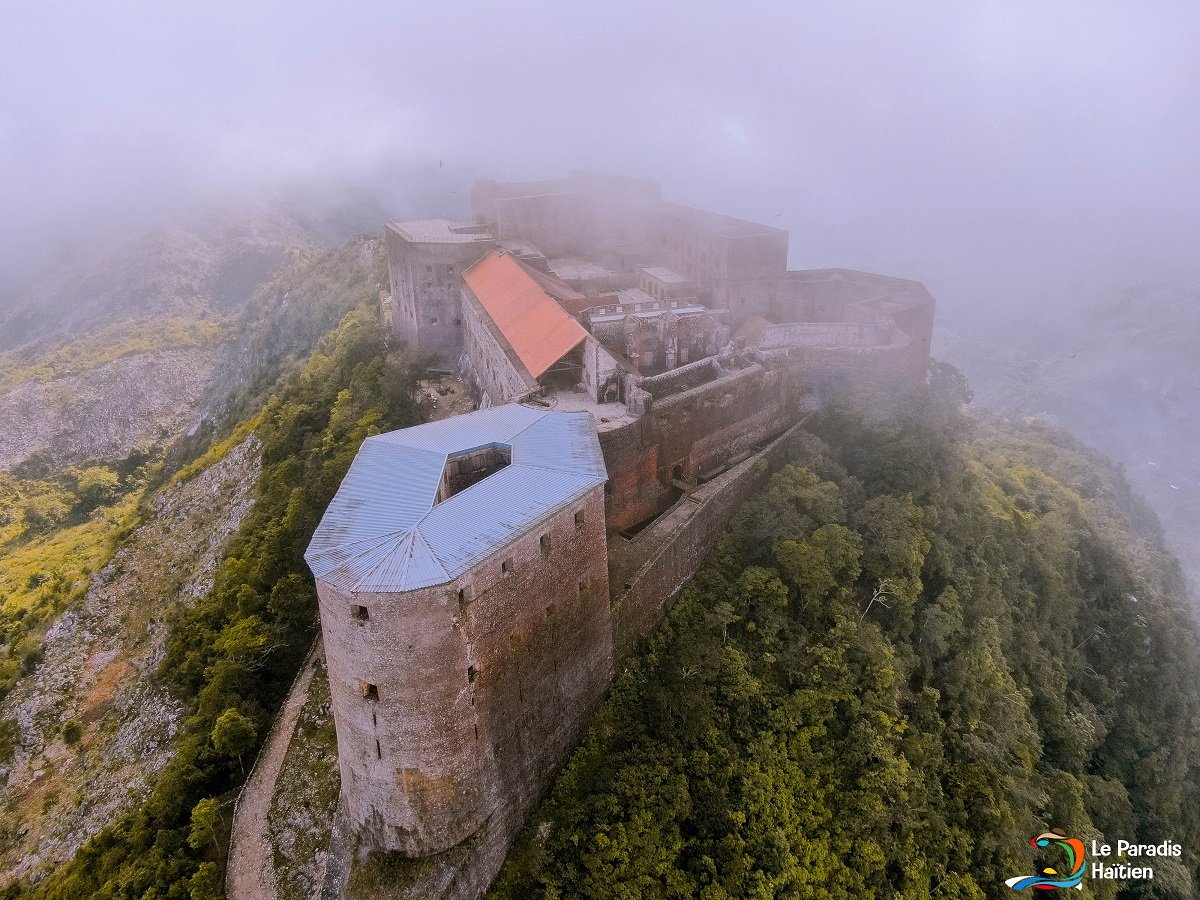
Haïti has a rich historical heritage, including sites like the Citadelle Laferrière and the Sans-Souci Palace, listed as UNESCO World Heritage Sites.

Culture

Culture

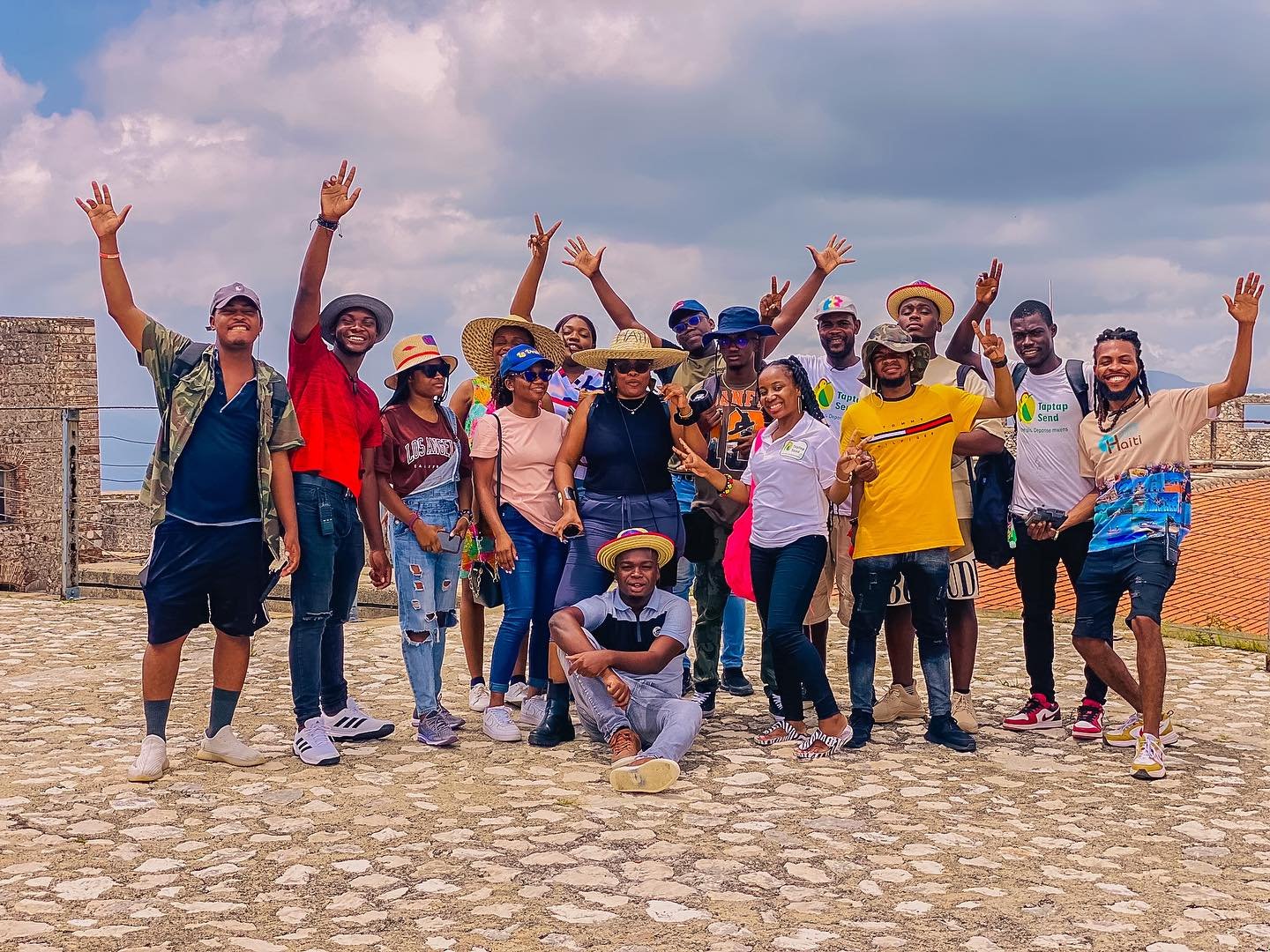
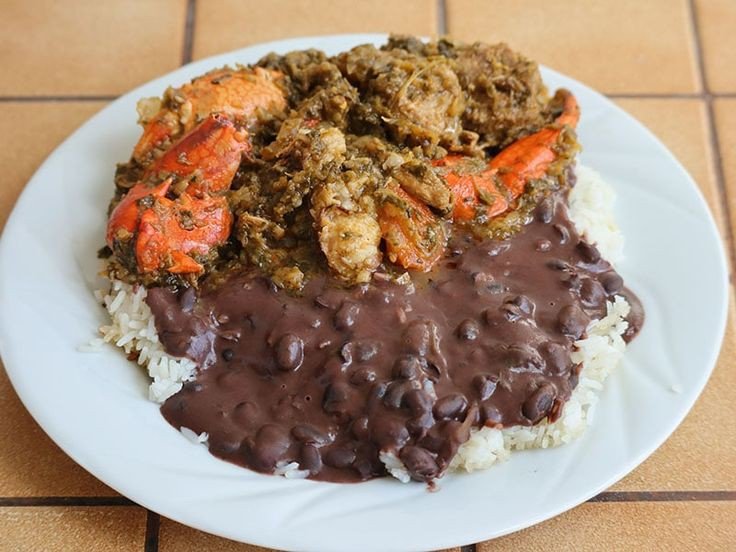
Haïti has a rich and diverse culture, influenced by African, European and indigenous elements. Haitian music, dance, art and cuisine are celebrated around the world.

  • +
    • Post