World Tourism Day: 7 Reasons Why Haïti is an Exceptional Tourist DestinationWorld Tourism Day: 7 Reasons Why Haïti is an Exceptional Tourist Destination
World Tourism Day: 7 Reasons Why Haïti is an Exceptional Tourist Destination
Majestic citadel, heavenly beaches, vibrant art: Discover why Haiti is revolutionizing Caribbean tourism and why you absolutely must visit now.
September 27th marks a symbolic date in the international calendar: World Tourism Day. Much more than a simple commemoration, this day resonates as a vibrant call to explore, discover, and preserve the wonders our planet holds. In this concert of extraordinary destinations, one Caribbean pearl shines with a particular brilliance, often overlooked but incredibly rich: Haiti.
The world’s first free Black republic, cradle of revolutions, land of striking contrasts, Haïti transcends clichés to reveal a rare authenticity in our era of mass tourism. It is an invitation to travel back in time, to meet a people proud of their heritage, guardians of ancient traditions, and creators of a vibrant culture that pulses to the rhythm of voodoo drums and kompa melodies.
In a world where tourist destinations are becoming increasingly similar, where standardized hotel complexes are erasing local identity, Haïti stands as a bastion of authenticity. This exceptional land possesses that rare alchemy that transforms a simple trip into a transformative odyssey, a getaway into a cultural pilgrimage.
Haïti has what very few places possess. Discover with us 7 reasons that make Haïti an exceptional tourist destination:
1. An incomparable historical heritage: When history becomes legend
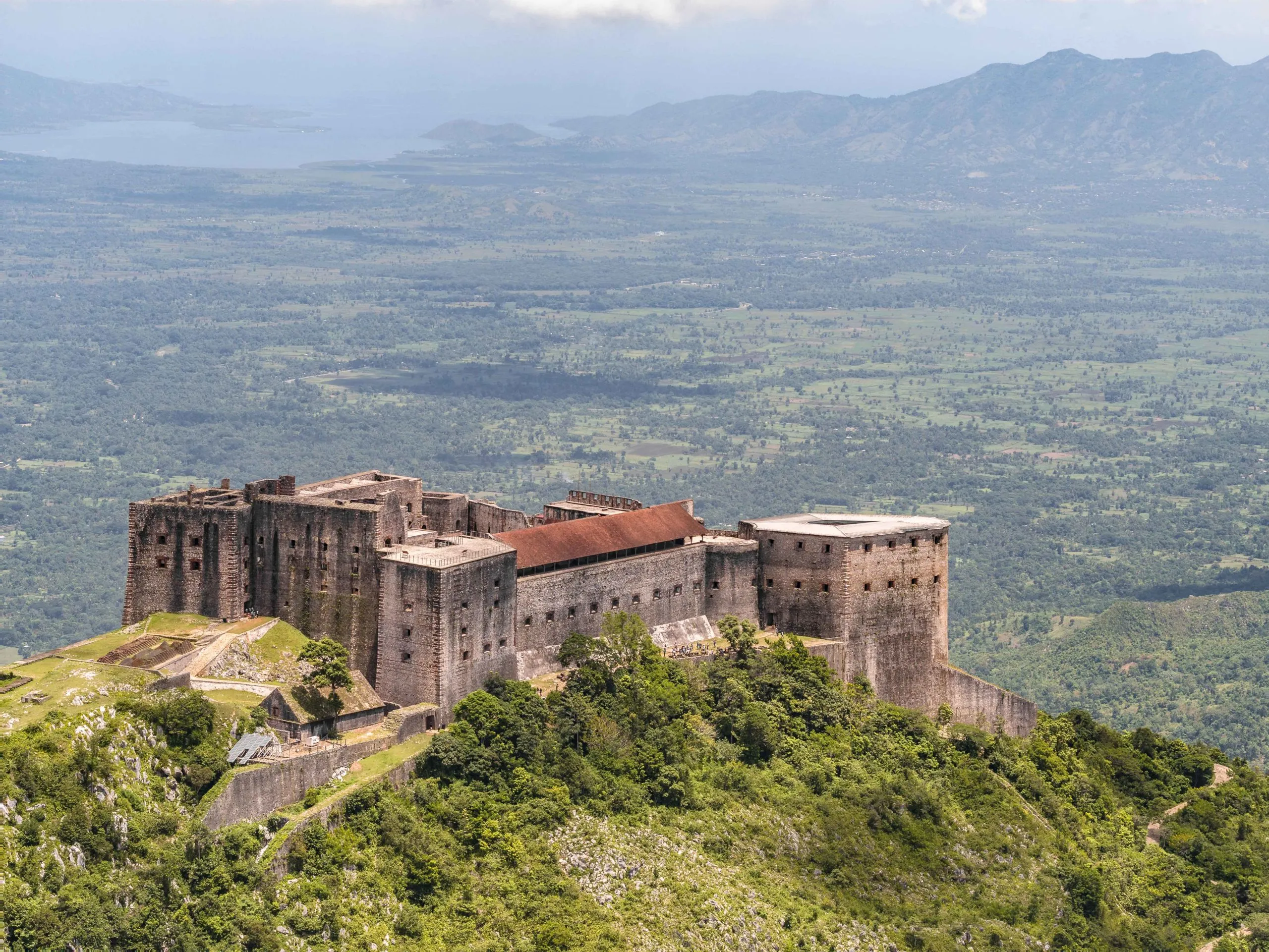
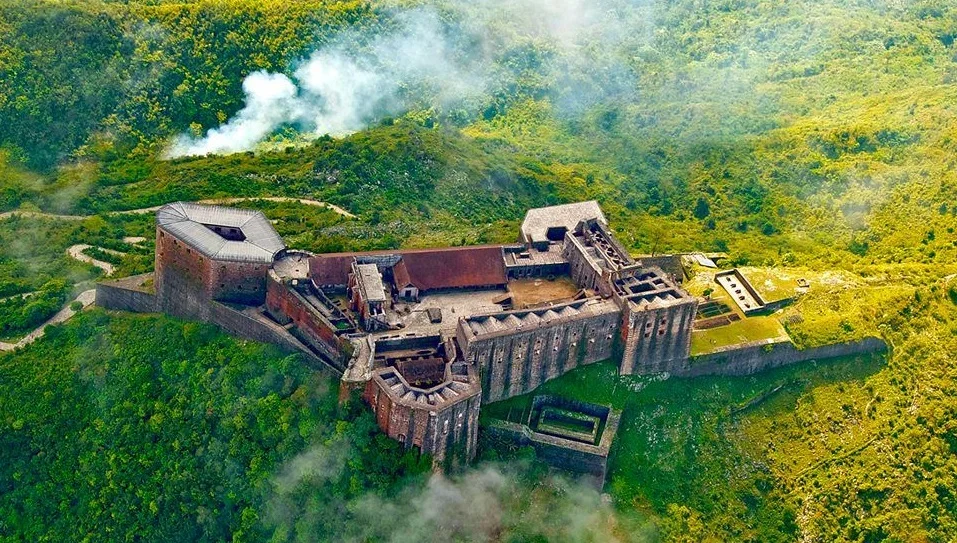
Haiti’s history is not only written in books; it rises majestically in its monuments, echoes in its cobblestone streets, and whispers in the wind that caresses its centuries-old fortresses. In the heart of the northern mountains, the Citadelle Laferrière stands like a defiance of time and the elements.
This architectural marvel, a UNESCO World Heritage Site since 1982, represents much more than a simple fortification. Built between 1805 and 1820 under the leadership of King Henri Christophe, it embodies the determination of a newly liberated people to defend their hard-won independence at all costs. With its 40-meter-high walls and 365 cannons pointing toward the horizon, the Citadel is the largest fortress in the Western Hemisphere.
But Haiti’s historical legacy does not stop at this architectural feat. The Sans-Souci Palace, a former royal residence with lush gardens, bears witness to the refinement of King Christophe’s court. The remains of Fort-Dauphin tell the story of the colonial era, while the numerous Taíno archaeological sites reveal the secrets of the island’s first inhabitants.
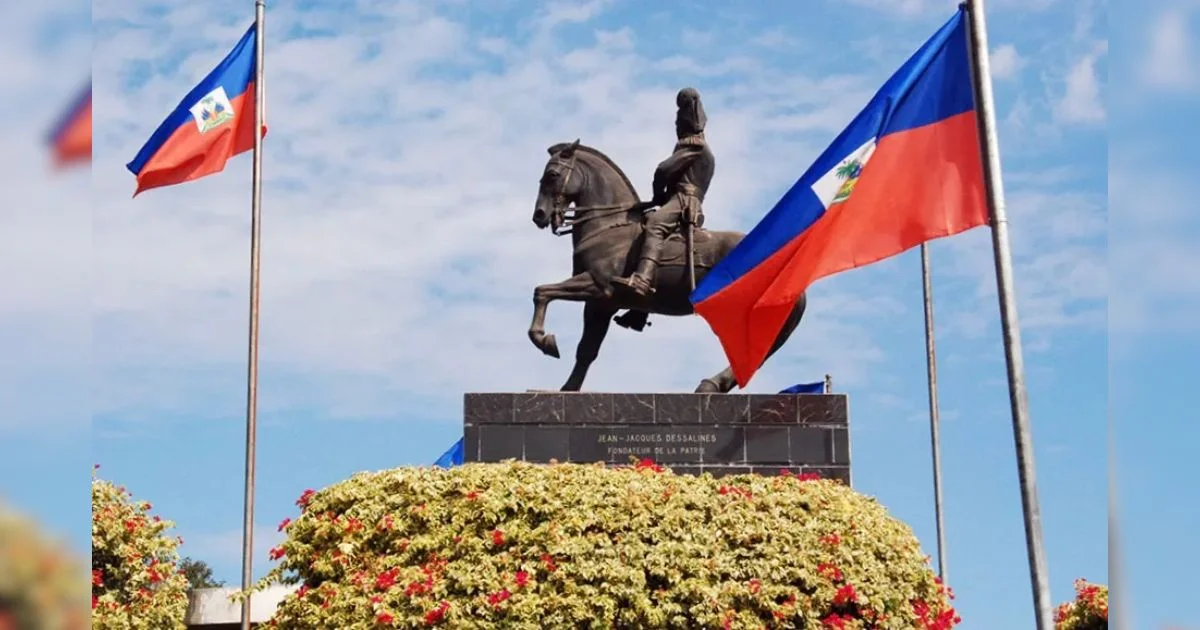
Each stone of these monuments still resonates with the echoes of the Haitian Revolution of 1791-1804, that extraordinary epic led by Toussaint Louverture, Jean-Jacques Dessalines, and Henri Christophe, which resulted in the creation of the world’s first free Black republic. A unique legacy that makes Haïti an open-air history book.
2. An Eternal Spring in the Tropics: A Perpetual Climatic Paradise
Imagine a country where the seasons exist only in memories, where each day welcomes you with the sweetness of eternal spring. Haïti offers you this rare privilege: 365 days of ideal temperatures, fluctuating between 25 and 30°C, caressed by the refreshing trade winds that sweep across the island from morning to night.
This exceptional tropical climate transforms each day into an invitation to adventure. Whether you dream of morning hikes in misty mountains, afternoon naps on white-sand beaches, or lively evenings under a starry sky, Haiti’s weather fulfills your every desire. Water temperatures, consistently around 26-28°C (79-82°F), make every swim a pure moment of bliss.
Even during the rainy season (May to October), short but intense tropical downpours refresh the atmosphere without spoiling your day. They create spectacular rainbows that embrace the mountains and reveal lush, vibrant green vegetation. It is this climatic consistency that allows Haïti to offer an optimal tourist experience at any time of year, far from the seasonal constraints that limit other destinations.
3. A Biodiversity That Astounds: Caribbean Natural Sanctuary
Haïti is home to natural treasures of unsuspected richness, veritable sanctuaries of biodiversity that fascinate biologists from around the world. In this small territory of 27,750 km², nature has concentrated a stunning ecological diversity, the result of a complex geography ranging from coastal plains to limestone plateaus and mountain ranges reaching over 2,600 meters.
La Visite National Park reveals centuries-old Caribbean pine forests, the preferred habitat of the black-headed trogon, an endemic bird with shimmering feathers. The cloud forests of Pic la Selle are home to more than 300 species of orchids, some so rare they exist nowhere else on earth. Emerald hummingbirds dance among the bougainvillea flowers, while butterflies with iridescent wings transform every clearing into a living kaleidoscope.
Marine ecosystems are not to be outdone. The coral reefs of the Côte des Arcadins reveal a stunningly beautiful underwater world, home to sea turtles, manta rays, and flamboyantly colored tropical fish. The mangroves of Fort-Liberté provide natural nurseries for numerous species, creating a fragile and precious ecological balance.
This exceptional biodiversity makes Haïti an open-air natural laboratory, a sanctuary where every hike becomes a lesson in natural sciences, every excursion a marvelous discovery of the richness of life.
4. Awaken your taste buds to authentic flavors: Creole Culinary Symphony
Haitian gastronomy transcends mere nutrition to become a true cultural experience, a sensory journey that recounts the complex and diverse history of this people. Heir to Taíno traditions, enriched by African influences, and influenced by French and Spanish subtleties, Haitian cuisine has forged its own identity over the centuries.
Griot, a perfectly marinated and fried pork dish, crispy on the outside and tender on the inside, accompanied by banann boukannen (grilled plantains) and spicy pikliz, is the emblem of this generous cuisine. Each bite reveals expertly balanced spicy notes: cloves, Scotch bonnet peppers, thyme, garlic, and shallots blend in perfect harmony.
Seafood occupies a special place on Haitian tables. Grilled conch (lambi), lobsters from Les Cayes, and salted fish accompanied by Creole vegetables (mirliton, yam, malanga) transform every meal into a feast. Not to mention djon-djon rice, a black rice flavored with local mushrooms, considered Haitian caviar.
When it comes to drinks, clairin reigns supreme. This artisanal sugarcane alcohol, distilled using ancestral methods, reveals complex aromas that vary depending on the terroir. Barbancourt rum, aged in oak barrels, rivals the finest cognacs. And for refreshment, nothing beats freshly squeezed cane juice or coconut water served straight from its shell.
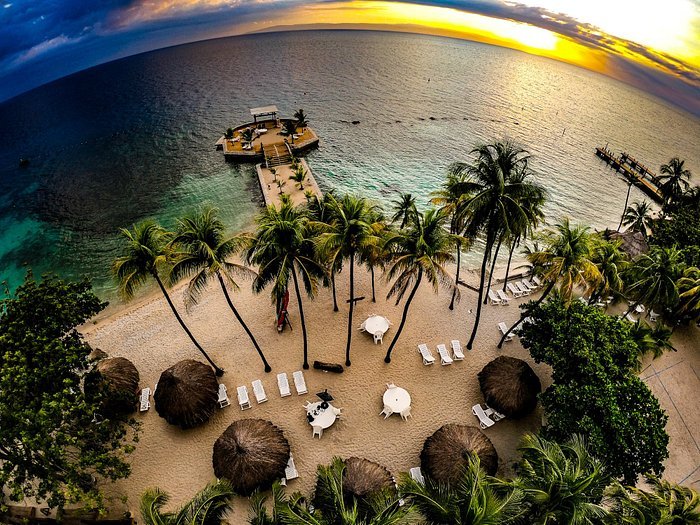
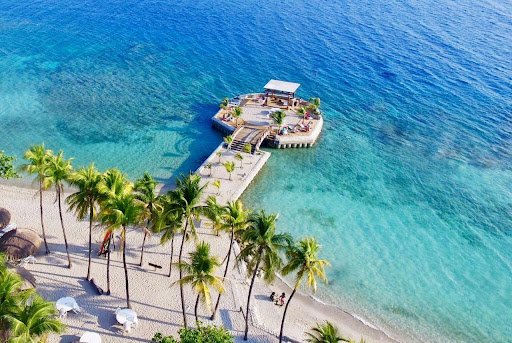
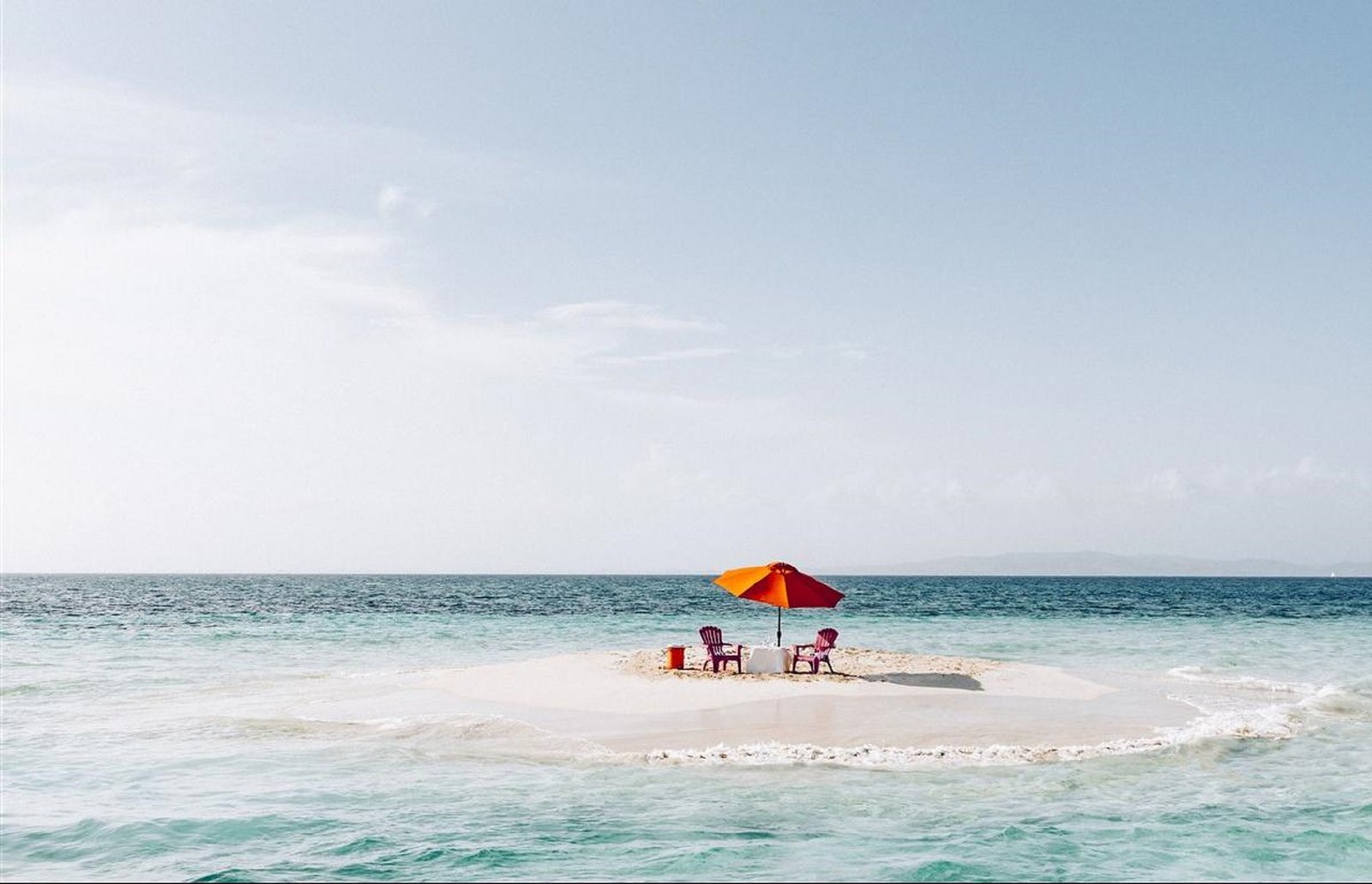
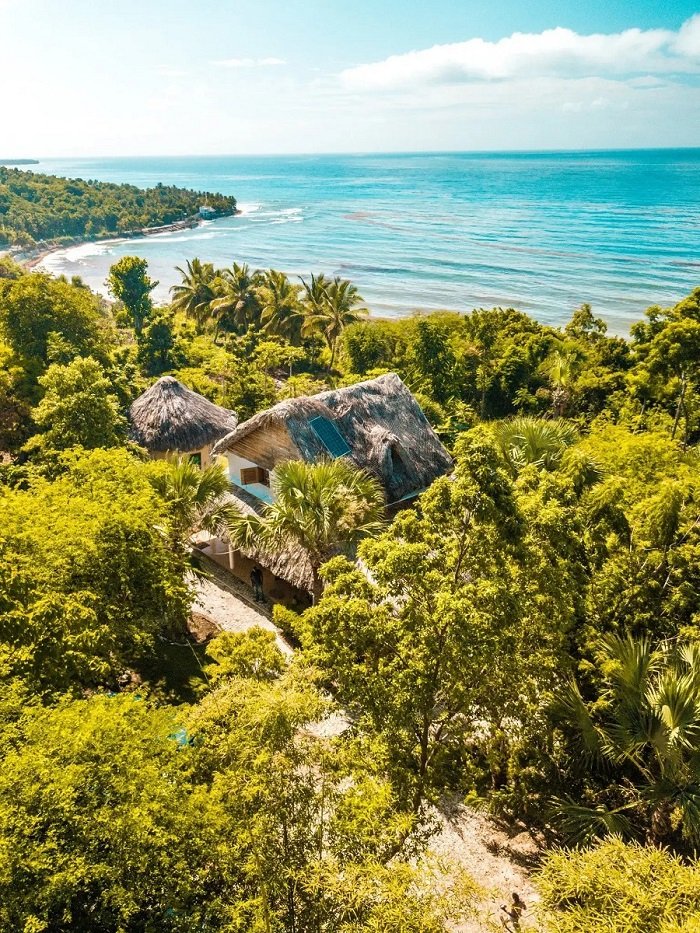
Haitian shores unfold their 1,771 kilometers of coastline like a pearly pearl necklace, alternating pristine white sand beaches, secret coves, and crystal-clear turquoise lagoons. Far from the tourist crowds that descend on overexploited Caribbean destinations, Haitian beaches offer that rare commodity: intimacy with nature in its pristine splendor.
The Côte des Arcadins reveals stretches of fine sand caressed by translucent waters reflecting lazy clouds. Here, time seems to stand still. Coconut palms bend their fronds toward the waves in a perpetual dance with the sea breeze, creating a welcome shade for tropical naps. Every evening, sunsets transform the sea into a golden blaze, a magnificent spectacle shared only by a privileged few.
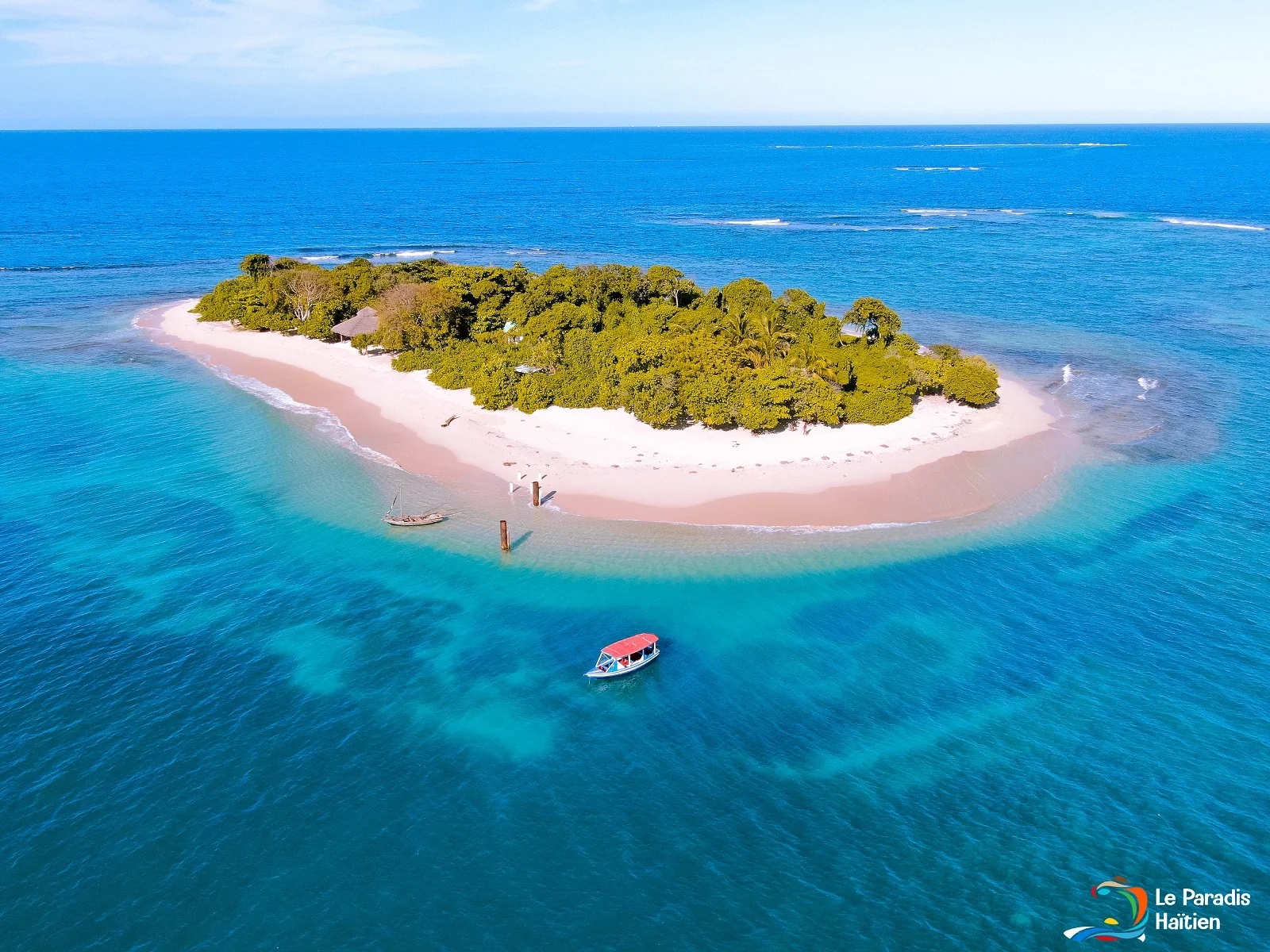
Île-à-Vache, off the coast of Les Cayes, reveals pristine beaches of striking beauty. Port-Morgan, Pointe Sable, Abaka Bay: so many names evoke adventure and discovery. The crystal-clear waters invite snorkeling, revealing multicolored coral gardens teeming with schools of tropical fish.
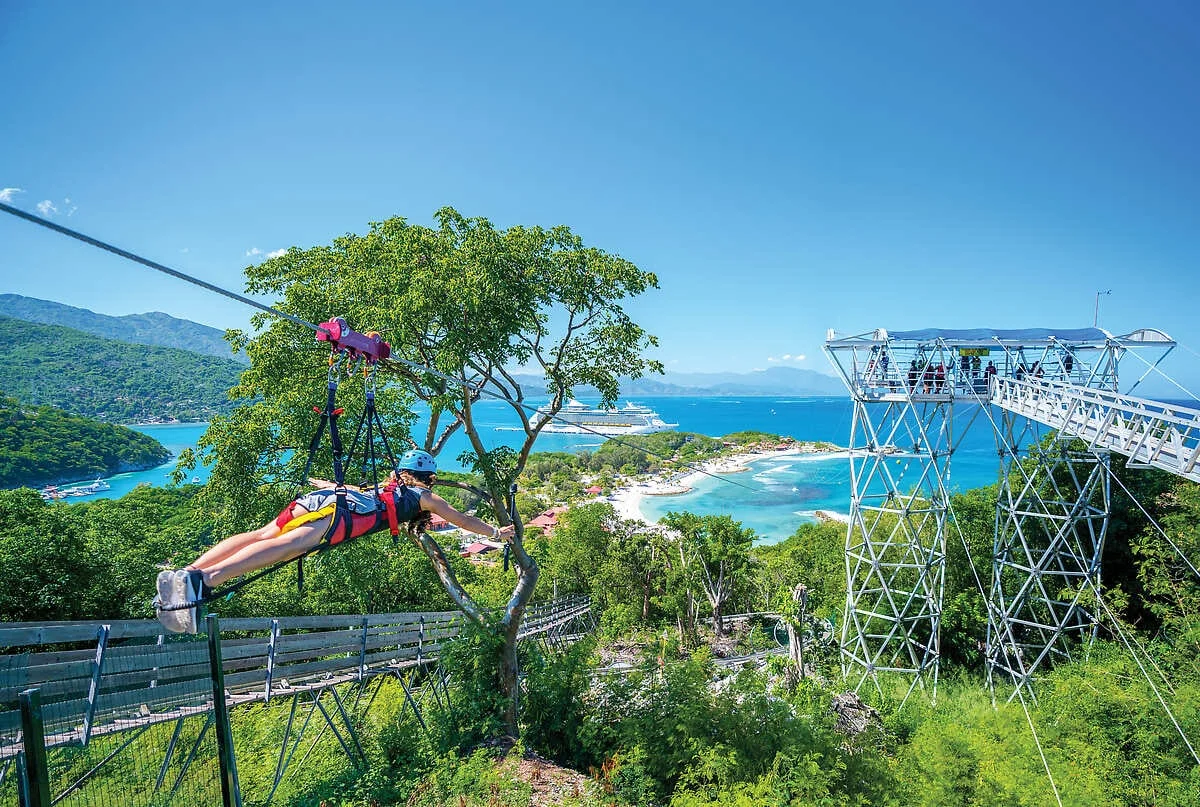
Labadee, on the north coast, offers a striking contrast with its limestone cliffs plunging into a deep blue sea. Water sports enthusiasts will find their joy here: sailing, kayaking, windsurfing, and jet-skiing. But for contemplative souls, nothing beats a sunset stroll, barefoot in the warm sand, lulled by the eternal murmur of the waves.
6. Rich and Diverse Culture: Vibrant Soul of the Caribbean
Haïti pulses to the rhythm of a unique culture, a harmonious blend of ancestral African traditions, European heritage, and Creole innovations. This cultural richness is evident in every aspect of daily life, transforming the entire country into a living museum, an open-air art gallery, a perpetual musical conservatory.
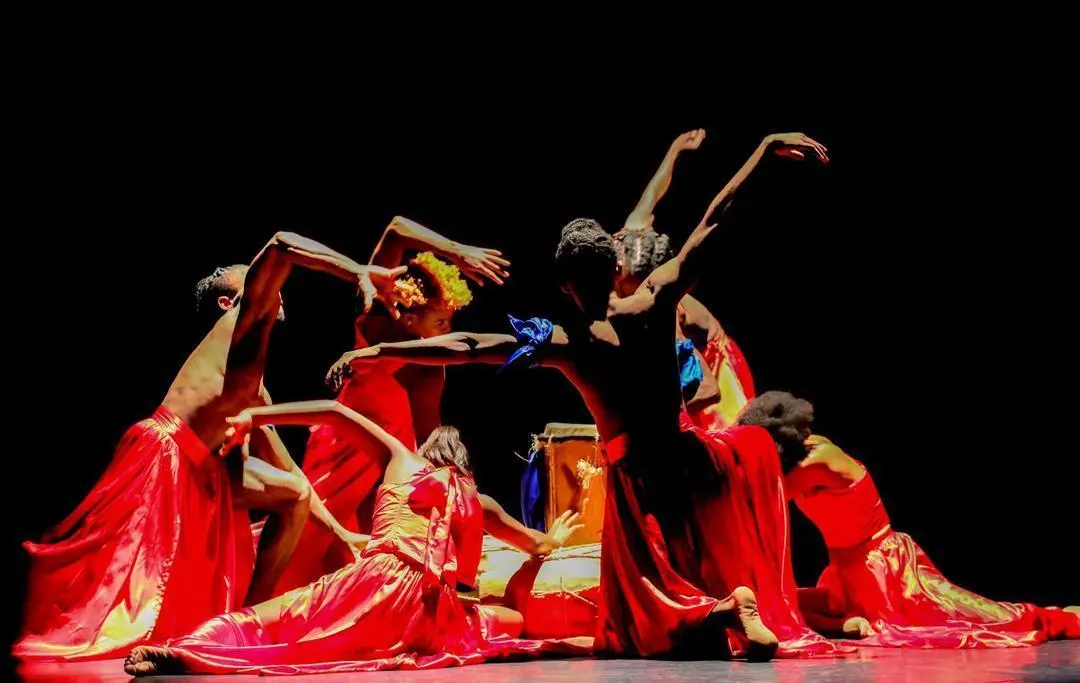
Music is the very soul of Haiti. Kompa, born in the 1950s, makes bodies dance and hearts flutter with its captivating rhythms blending guitar, saxophone, and accordion. Orchestras like Tabou Combo and Sweet Micky have exported these unique sounds to the four corners of the world. But Haitian musical richness doesn’t stop there: the rara, with its bewitching percussion, accompanies Easter processions, the twoubadou sings of love and melancholy, while voodoo rhythms invoke the lwas in mystical ceremonies.
Haitian naive art fascinates international collectors. In the workshops of Croix-des-Bouquets or the iron market in Port-au-Prince, artists create works of striking spontaneity. Hector Hyppolite, Philomé Obin, Préfète Duffaut: these masters have captured the very essence of the Haitian soul, blending realism and fantasy, the everyday and the spiritual. Their cut-out metal sculptures transform used oil drums into sparkling works of art, veritable wrought iron laceworks that tell a thousand stories.
Festivals punctuate the Haitian year with an explosion of color and joy. The Port-au-Prince Carnival rivals Rio’s, transforming the streets into a giant theater where music, dance, and political satire mingle. The Day of the Dead blends Christian solemnity and voodoo mysticism, creating an atmosphere unlike any other. Each patron saint gives rise to celebrations that combine religious processions and popular festivities.
7. Spectacular Natural Beauty: Nature’s Grand Theater
Haïti unfolds its landscapes like a fantastical picture book, each page revealing a different but always striking beauty. This geographical diversity concentrated in a relatively small territory constitutes a true natural wonder, offering the traveler a palette of sensations and emotions renewed at every turn.
Haitian mountains form majestic silhouettes against the tropical azure. Pic la Selle, the country’s highest peak at 2,680 meters, offers breathtaking panoramas across the entire island. The ascent, reserved for seasoned hikers, rewards the effort with spectacular views of the coastal plains, the endless mountain ranges, and, on a clear day, the neighboring Dominican Republic. In the early morning, when clouds still cling to the mountainsides, the landscape takes on a mystical, almost surreal dimension.
Haiti’s waterfalls are worth the trip alone. Saut-d’Eau, a major pilgrimage site where Christian fervor and voodoo worship mingle, sees its crystal-clear waters cascade 30 meters down rock walls with a deafening roar. The Bassins Bleus, near Jacmel, reveal a series of natural pools of striking turquoise blue, connected by waterfalls where swimming becomes a mystical experience.
The limestone caves add an underground dimension to this spectacular landscape. Marie-Jeanne, near Les Cayes, unfolds its galleries for more than 4 kilometers, revealing stalactitic and stalagmitic formations of magical beauty. The Port-à-Piment caves are home to Taíno rock paintings, precious testimonies of the island’s first inhabitants.
The mangroves constitute fascinating ecosystems where land and sea merge. Those of Caracol, in the northeast, create an aquatic labyrinth where manatees, crocodiles, and multiple bird species roam. By canoe, you glide silently between the stilt-like roots of the mangroves, into an amphibious world of wild and unspoiled beauty.
On this World Tourism Day, Haïti extends a warm appeal to all lovers of authentic travel, to all seekers of true emotions, to all those who reject standardized tourism and aspire to exceptional human encounters. This invitation is not addressed to travelers in a hurry or destination collectors, but to those who understand that some countries are not visited, they are experienced.
Come explore our historic sites where each stone tells the extraordinary story of a people who have broken free from their chains. Let yourself be guided by our storytellers who perpetuate the oral tradition, transforming each tale into a journey through time. Take part in our traditional ceremonies where the sacred and the profane blend in age-old harmony.
Taste our authentic cuisine in family restaurants where three generations of women cook together, passing on their culinary secrets in a uniquely convivial atmosphere. Share a glass of clairin with the fishermen returning from their day at sea, listen to their stories punctuated by the lapping of the waves on the hulls of their colorful boats.
Explore our secret beaches, accessible only by trails familiar to local guides, and discover our mountains where each village welcomes visitors like family. Lose yourself in our colorful markets where exotic fruits, traditional crafts, and herbal remedies coexist in a joyful and colorful atmosphere.
Participate in our festivals where music becomes a universal language and dance erases all cultural boundaries. Attend our voodoo ceremonies where spirituality and mystery blend in ancestral rituals of striking beauty.
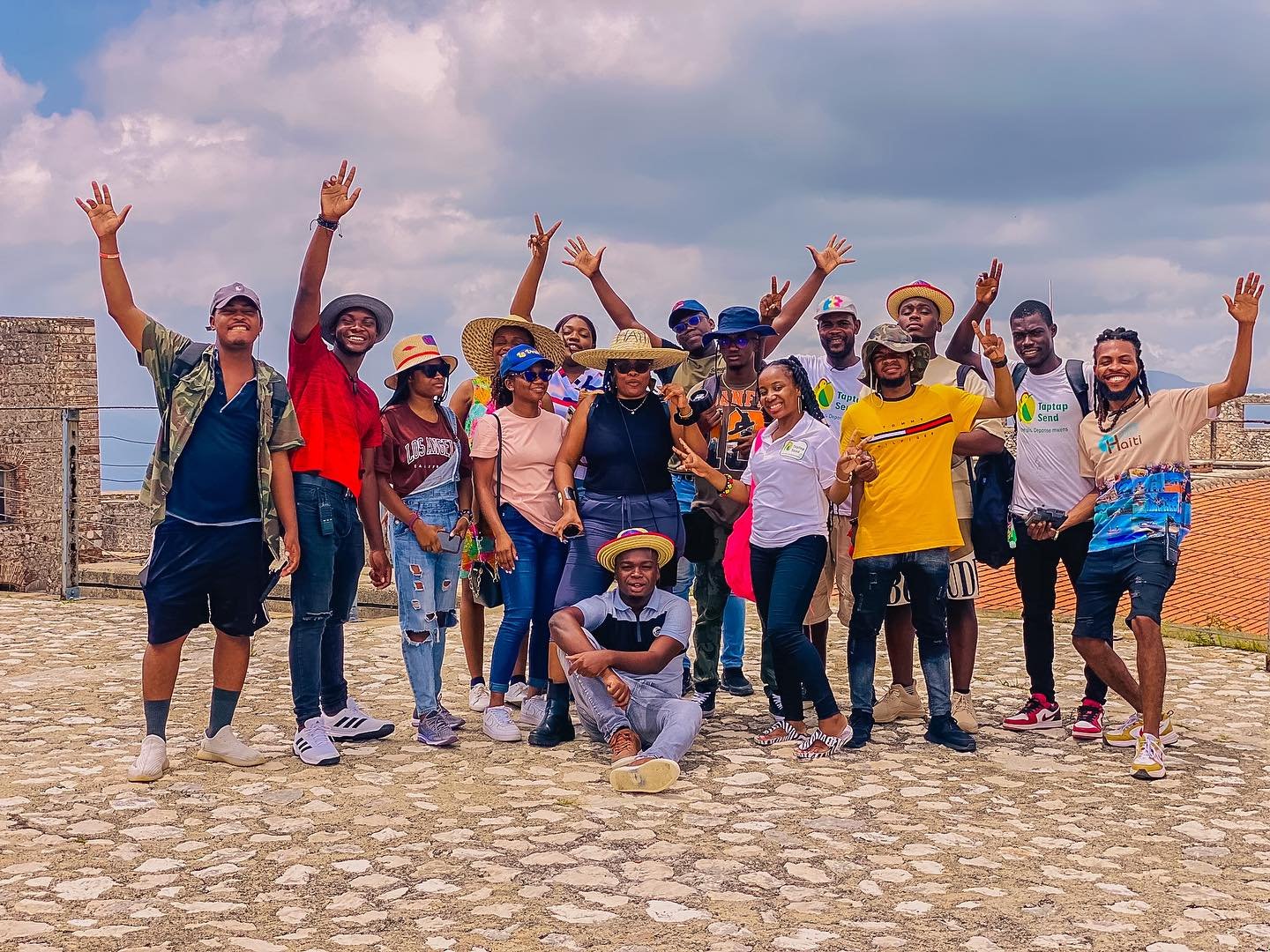
But above all, meet our people. Because Haiti’s true wealth lies in the generosity of its people, in their ability to transform every encounter into a moment of authentic sharing. Their radiant smiles, their philosophy of life imbued with spirituality and infectious joy, their art of transforming difficulties into opportunities for creativity, constitute the greatest gift Haïti can offer its visitors.
Share your most beautiful travel photos of Haïti using the hashtag TourismeHaïti and become ambassadors for this exceptional destination. Your testimonies, your images, your stories will help reveal to the world the authentic beauty of this country, too long overlooked.
Haïti is not a destination like any other. It is an encounter with authenticity, a journey of initiation, a lesson in humanity. It requires time, open-mindedness, and an insatiable thirst for discovery. In return, it offers indelible memories, intense emotions, and a deep understanding of what it truly means to be human.
Let’s rediscover Haiti. Let’s preserve it. Let’s celebrate it. And above all, let’s share it with the world, because some beauties cannot remain secret. The time has come to reveal this Caribbean pearl, patiently waiting for the world to recognize its exceptional value.
Haïti awaits you. Are you ready to answer its call?
Share
About the Author
Appolon Guy Alain
Appolon Guy Alain
Full Stack Developer, Créatif, expérimenté, passionné des nouvelles technologies et de l’art.
First black nation to free itself from slavery and gain independence from France in 1804 and influenced other liberation movements around the world, inspiring struggles for freedom and equality.
Natural beauty
Haïti is blessed with spectacular natural landscapes, including white sand beaches, mountains and rich biodiversity.
Heritage
Haïti has a rich historical heritage, including sites like the Citadelle Laferrière and the Sans-Souci Palace, listed as UNESCO World Heritage Sites.
Culture
Haïti has a rich and diverse culture, influenced by African, European and indigenous elements. Haitian music, dance, art and cuisine are celebrated around the world.